
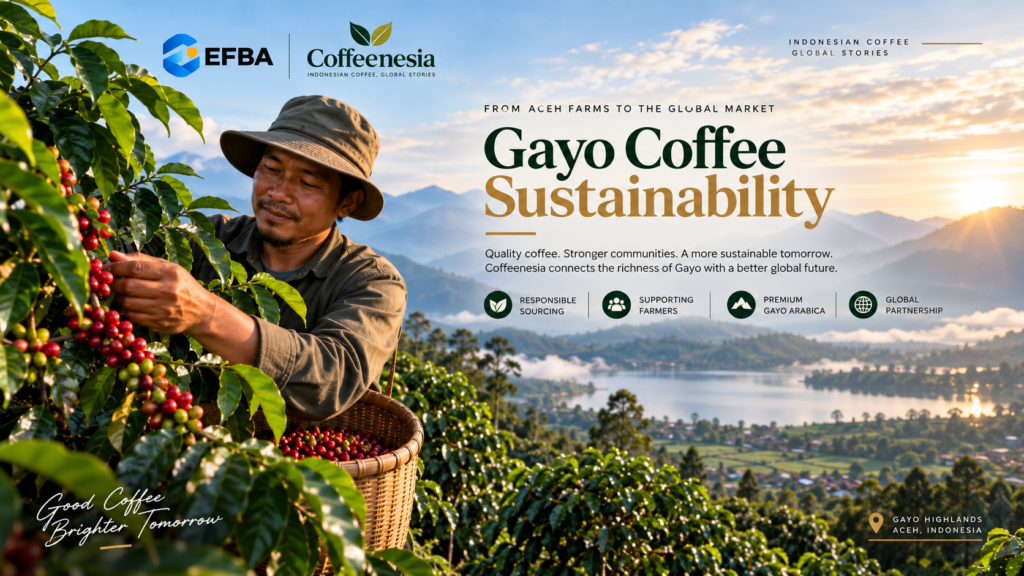
The global coffee industry is changing. Buyers are no longer evaluating coffee only by flavor, price, processing method, and origin. Increasingly, they also want to understand how coffee is grown, how farmers are involved, how supply chains are managed, and whether production can remain viable in the long term.
This shift makes Gayo coffee sustainability increasingly relevant for importers, roasters, distributors, cafés, and beverage businesses sourcing coffee from Indonesia.
Gayo coffee originates from the highlands of Aceh, an important Arabica-producing region in Indonesia. The combination of elevation, local farming communities, processing traditions, and environmental conditions has helped Gayo develop a distinctive identity in international specialty coffee markets.
However, maintaining this position requires more than producing excellent coffee today.
Coffee farms must remain productive. Farmers need viable livelihoods. Soil and surrounding ecosystems must continue supporting production. Post-harvest processes need to preserve quality efficiently. Buyers also increasingly expect greater transparency regarding where coffee comes from and how it moves through the supply chain.
Therefore, sustainability should be understood as a journey from the farm to the global market.
For Coffeenesia, this perspective is particularly relevant because the company works with Gayo-origin coffee and cascara while connecting Indonesian coffee production with domestic and international buyers.
Table of Contents
ToggleWhat Is Gayo Coffee Sustainability?
Gayo coffee sustainability refers to the long-term ability of the Gayo coffee ecosystem to produce quality coffee while maintaining environmental, economic, and social resilience.
It does not refer to one farming technique or one certification alone.
Instead, sustainability can involve several interconnected areas:
- responsible coffee farming;
- soil and land management;
- climate adaptation;
- agroforestry;
- farm productivity;
- selective harvesting;
- efficient post-harvest processing;
- waste utilization;
- coffee traceability;
- farmer economic resilience;
- quality consistency; and
- access to sustainable markets.
These elements influence one another.
For example, declining soil quality can affect productivity. Lower productivity can reduce farmer income. Economic pressure may then make farm rehabilitation or quality improvement more difficult.
On the other hand, better farming practices combined with stronger post-harvest management and market access can create greater value from the same coffee-growing landscape.
That is why sustainable coffee production needs to consider the entire coffee ecosystem, rather than focusing on a single stage.
WRI Indonesia’s Sustainable Gayo Coffee initiative reflects this broader approach. Its program includes Good Agricultural Practices, Sustainable Coffee Farming, agroforestry, post-harvest capacity, farmer economic resilience, sustainable business development, and utilization of coffee-processing waste.
Why Sustainability Matters for Gayo Coffee
The Gayo Highlands represent an important coffee-producing landscape.
Bank Indonesia reported in August 2026 that approximately 120,000 hectares of coffee plantations extend across the Gayo Highlands. At the same time, it highlighted a productivity gap. Potential coffee productivity can reach approximately 1.5–2 tonnes per hectare annually, while average farmer productivity was reported at around 750 kilograms per hectare.
This difference matters.
Increasing production simply by expanding agricultural land is not necessarily the most sustainable approach. Improving productivity, farm management, plant health, post-harvest quality, and farmer capabilities can be equally important.
Climate conditions also create additional pressure.
WRI Indonesia reported in June 2026 that rising temperatures, shifting weather patterns, and increasingly unpredictable seasons are affecting coffee production and quality in Bener Meriah. Average green-bean productivity among farmers in the area was reported at approximately 600–750 kilograms per hectare annually.
For global coffee buyers, these are not merely environmental issues.
They can eventually become sourcing issues.
Changes in climate, farm productivity, farmer demographics, and land management can influence future coffee availability, consistency, quality, and ultimately price.
Therefore, sustainable Gayo coffee is closely connected to long-term supply-chain resilience.
1. Sustainable Gayo Coffee Begins at Farm Level
Every cup of coffee begins with agricultural decisions.
Before coffee reaches a processing facility, warehouse, exporter, roaster, or café, farmers have already made decisions that influence its potential quality.
Plant health, soil conditions, shade, pruning, nutrition, pest management, harvesting practices, and local environmental conditions all contribute to production.
Sustainable farming seeks to maintain this agricultural foundation over many harvest cycles.
Rather than maximizing one harvest at the expense of future productivity, the goal is to keep coffee farms productive and resilient over time.
This can involve better soil management, responsible agricultural inputs, plant rehabilitation, shade management, replanting, erosion control, and improved knowledge among farmers.
WRI Indonesia’s work in Gayo currently includes training related to Good Agricultural Practices (GAP) and Sustainable Coffee Farming (SCF).
These initiatives are important because sustainability becomes more practical when farmers can translate broad environmental objectives into everyday farm-management decisions.
2. Coffee Agroforestry Can Support Farm Resilience
One important component of sustainable coffee farming is agroforestry.
Coffee does not always need to grow as a single crop in an isolated agricultural system. In suitable environments, coffee can grow alongside shade trees and other vegetation.
A well-managed agroforestry system can provide several potential benefits, including greater vegetation diversity, improved microclimate conditions, soil protection, and additional farm resources.
This does not mean that every agroforestry model produces identical results. Farm design needs to consider local conditions, tree species, coffee varieties, shade intensity, soil, and management capacity.
However, the approach is increasingly relevant as coffee-producing regions consider how to adapt to environmental pressures.
WRI Indonesia specifically includes coffee agroforestry and land conservation within its current work to strengthen the Gayo coffee sector.
For international buyers, understanding these practices provides greater context about the landscape behind their coffee.
It moves sourcing conversations beyond simply asking:
“What is the price per kilogram?”
toward understanding:
“How is this origin preparing for future coffee production?”
3. Climate Resilience Is Becoming Part of Coffee Quality
Climate change is often discussed as an environmental topic, but for coffee it can also become a quality and commercial issue.
Arabica coffee is sensitive to growing conditions. Temperature, rainfall patterns, flowering cycles, cherry development, pests, and disease pressure can influence both yield and quality.
When weather becomes increasingly unpredictable, farmers may need to adjust how they manage their farms.
This is where climate-resilient coffee becomes relevant.
Resilience can include improving plant health, adopting appropriate shade systems, maintaining soil conditions, rehabilitating older farms, using suitable planting materials, improving water management, and diversifying agricultural systems where appropriate.
For buyers, climate resilience matters because today’s sourcing relationship may need to continue for many years.
A supplier that understands origin-level risks and works toward more resilient production may provide greater long-term value than one focused only on immediate volume.
This is why sustainability should increasingly be considered alongside flavor, specification, price, and logistics when evaluating coffee origins.
4. Farmer Productivity and Sustainability Are Connected
A sustainable coffee sector must also be economically viable for farmers.
If coffee production does not provide sufficient value, farmers may struggle to invest in farm maintenance, replanting, equipment, post-harvest improvements, or quality development.
Over time, this can affect both production and the next generation’s interest in coffee farming.
Improving productivity therefore needs to be approached carefully.
The objective should not simply be producing as much coffee as possible.
Instead, productivity improvement should ideally combine:
better farm management, healthier plants, more efficient harvesting, stronger quality control, improved post-harvest processes, and better market connections.
When these elements work together, farmers have a greater opportunity to create more value from existing farms.
This connection between farm economics and environmental sustainability is one reason WRI Indonesia’s Sustainable Gayo Coffee initiative includes not only agricultural training but also economic resilience and sustainable coffee business development.
5. Selective Harvesting Helps Protect Coffee Quality
Sustainability does not stop when coffee cherries become ripe.
Harvesting decisions can strongly influence both quality and efficiency.
Coffee cherries mature at different times. When too many unripe, overripe, or defective cherries enter processing, additional sorting becomes necessary and final cup quality may become less consistent.
Selective harvesting focuses on cherries that have reached appropriate maturity.
At Coffeenesia, the published sourcing and production process includes the selection of ripe red coffee cherries before processing.
This step supports quality because the raw material entering post-harvest processing has better potential from the beginning.
It also demonstrates an important principle of sustainable production:
better utilization of agricultural output can be as important as increasing production volume.
Instead of focusing only on quantity, quality-oriented harvesting seeks to create greater value from each harvest.
For buyers who want to understand Gayo coffee characteristics in greater detail, Coffeenesia’s article on Gayo coffee beans provides additional information about origin, flavor, processing, and sourcing considerations.
6. Post-Harvest Processing Is Part of Sustainability
After harvesting, coffee needs to move through post-harvest processing.
Depending on the processing method, this can include sorting, depulping, fermentation, washing, drying, hulling, grading, and storage.
Each stage influences quality.
However, these stages can also involve water, energy, labor, infrastructure, and agricultural by-products.
That means post-harvest processing has both quality and sustainability implications.
Efficient drying, for example, helps protect coffee from excessive moisture and quality deterioration.
Coffeenesia states that its coffee and cascara are gradually dried on raised beds, supporting airflow during drying.
This approach connects product quality with process management.
For buyers, processing information is also useful because processing methods can influence flavor characteristics.
Coffeenesia works with several processing approaches for Gayo coffee, including Washed, Honey, and Natural, depending on product requirements.
Understanding these differences can help buyers select coffee appropriate for their roasting profile and target market.
7. Cascara Creates Value Beyond the Coffee Bean
One of the clearest examples of sustainability-driven product innovation is cascara.
A coffee cherry contains more than the seed that eventually becomes a roasted coffee bean. The fruit surrounding that seed can become a significant by-product during processing.
Traditionally, coffee businesses have focused almost entirely on the bean.
However, properly selected and processed coffee fruit can also become cascara, which can be used as an ingredient for beverages and other applications.
Coffeenesia produces Gayo cascara alongside specialty coffee.
By creating value from coffee fruit that would otherwise have limited commercial use, cascara provides an example of how coffee production can move toward better resource utilization.
Coffeenesia also describes its approach as aiming toward zero-waste harvesting, with remaining coffee pulp used as natural compost for the soil.
This creates a more circular relationship:
Coffee farm → coffee cherry → coffee bean + cascara → remaining organic material → soil.
It does not eliminate every environmental impact of coffee production, but it demonstrates how producers can look for additional value within existing agricultural resources.
For global beverage companies, cascara also creates an opportunity to explore Indonesian coffee origin beyond traditional roasted coffee.
8. Water Management Matters in Coffee Processing
Water is another important sustainability consideration.
Certain coffee-processing methods can require substantial water use, depending on equipment, process design, production scale, and local practices.
Responsible processing therefore requires attention not only to coffee quality but also to how resources are used.
Coffeenesia states that its production approach aims to minimize water use during processing.
This is particularly relevant because sustainability should not be limited to visible farm practices.
What happens after harvesting can also influence the environmental footprint of coffee.
Buyers evaluating suppliers can therefore ask about:
water use, drying systems, waste handling, energy use, storage, packaging, and by-product management.
These operational questions provide a more complete view of coffee sustainability.
9. Gayo Coffee Traceability Builds Buyer Confidence
As coffee supply chains become more complex, Gayo coffee traceability is increasingly important.
A buyer may receive a bag labeled “Indonesian Arabica Coffee,” but that description alone provides limited information.
Where in Indonesia was it produced?
Which region?
What variety?
Which processing method?
Which harvest?
Who handled the coffee?
Traceability helps answer these questions.
Coffeenesia states that it provides information regarding origin, coffee variety, and processing methods for its products.
This allows buyers to better understand the coffee they are sourcing.
Traceability also supports product storytelling.
For specialty roasters, origin information can become part of consumer communication. Instead of simply marketing “Indonesian coffee,” they can explain that a product comes from the Gayo Highlands of Aceh and describe the processing method used.
For distributors and importers, traceability can also support supplier management and documentation.
Therefore, traceability is not simply an administrative exercise.
It connects the physical coffee with its origin story.
10. Traceability Is Becoming More Important in International Trade
The importance of traceability is also increasing because international markets are placing greater attention on supply-chain transparency.
For European buyers in particular, the EU Deforestation Regulation has increased attention on the origin and geolocation of commodities including coffee.
The European Commission confirms that coffee is among the commodities covered by the regulation, which is designed to address products associated with deforestation and forest degradation.
This means the ability to understand where coffee originates can become increasingly relevant for international supply chains.
Not every buyer will have identical compliance obligations, and specific legal responsibilities depend on market, company size, role in the supply chain, and applicable regulation.
Nevertheless, the broader direction is clear:
global coffee sourcing is moving toward greater transparency.
For Indonesian suppliers, developing stronger traceability systems can therefore support both sustainability and international market readiness.
11. Quality Control Supports Sustainable Commercial Relationships
Sustainability also has a commercial dimension.
A buyer may appreciate environmental initiatives, but they still need coffee that meets agreed specifications.
Quality inconsistencies can create waste throughout the supply chain.
Rejected shipments, unsuitable lots, re-sorting, customer complaints, or mismatched specifications all consume additional time and resources.
Therefore, quality control contributes indirectly to sustainability by helping suppliers and buyers use resources more effectively.
Coffeenesia emphasizes quality control as one of its sourcing principles.
Coffee quality can be evaluated through factors such as:
moisture, defects, bean size, processing consistency, physical condition, sensory profile, and compliance with buyer specifications.
For international buyers, requesting samples before committing to larger orders can also reduce commercial risk.
This is particularly useful when sourcing specialty coffee because flavor expectations can vary among roasters and markets.
12. Farmer Communities Remain at the Center
There is no sustainable Gayo coffee without sustainable coffee-farming communities.
Coffee farms are managed by people, families, farmer groups, cooperatives, processors, collectors, and other local actors.
Their knowledge and economic resilience influence the future of the region.
Research published through IPB University has highlighted the importance of governance relationships within the Gayo Arabica coffee value chain, including quality standards, trading structures, and interactions among different supply-chain actors.
This reinforces the idea that sustainability cannot be reduced to environmental indicators alone.
Farmer knowledge, access to markets, bargaining relationships, productivity, and economic resilience all matter.
Current sustainability initiatives in Gayo similarly combine agricultural interventions with economic development and post-harvest capacity.
For global buyers, building longer-term supplier relationships can create opportunities for greater understanding of these origin-level dynamics.
13. Sustainable Coffee Sourcing Requires More Than a Low Price
Price will always matter in commercial sourcing.
However, sourcing decisions based entirely on the lowest quotation can overlook factors that influence long-term value.
Sustainable coffee sourcing requires buyers to consider a broader set of criteria.
For example:
Where is the coffee produced?
How consistent is the quality?
What processing methods are available?
Can the supplier provide samples?
Is origin information available?
How is coffee handled after harvest?
Can the supplier support the required volume?
What are the MOQ and packaging options?
How does the supplier approach waste and resource use?
How responsive is supplier communication?
Can the relationship support repeat orders?
These questions provide a better foundation for evaluating a potential sourcing partner.
A slightly different price may be justified when the supplier offers better traceability, more consistent specifications, stronger communication, or more reliable quality control.
14. Sustainability and Specialty Coffee Can Reinforce Each Other
Specialty coffee places significant emphasis on origin, quality, processing, and sensory characteristics.
Sustainability can complement these priorities.
When farmers receive stronger incentives for producing higher-quality cherries, they may have greater motivation to maintain their farms and improve harvesting.
When processors carefully manage fermentation and drying, they can create greater value from harvested coffee.
When buyers communicate origin stories transparently, consumers can better understand why coffees from different regions taste different.
This creates a potential value chain:
better farming → better cherries → better processing → better coffee → stronger market value → greater incentive to maintain quality.
The relationship is not automatic, and market structures still matter.
However, specialty coffee can create opportunities to reward quality and origin differentiation rather than treating coffee solely as a commodity.
15. From Gayo Farms to the Global Market
Producing quality coffee is only one part of international sourcing.
Coffee also needs to move through grading, storage, packaging, documentation, logistics, and communication before reaching buyers.
This is where a supplier’s ability to connect origin with market requirements becomes important.
Coffeenesia works as a bridge between Gayo-origin coffee production and buyers seeking Indonesian specialty coffee.
Its approach combines direct sourcing, quality control, traceability, coffee and cascara processing, and wholesale supply.
International buyers may include:
specialty coffee roasters, importers, distributors, cafés, hospitality businesses, beverage manufacturers, and businesses developing private-label coffee products.
For businesses sourcing larger quantities, Coffeenesia’s article on Gayo Coffee Beans Grade 1 Bulk Export provides further information about bulk sourcing and direct trade.
Buyers exploring Indonesia more broadly can also read Coffeenesia’s guide to Indonesian Coffee Beans for additional context about sourcing premium Arabica coffee.
These internal resources help connect sustainability with practical sourcing considerations.
16. Coffeenesia’s Experience in the Gayo Coffee Supply Chain
Coffeenesia’s published company information states that it has established farming operations in the Gayo Highlands and works within the local Gayo coffee community while overseeing stages of coffee and cascara production.
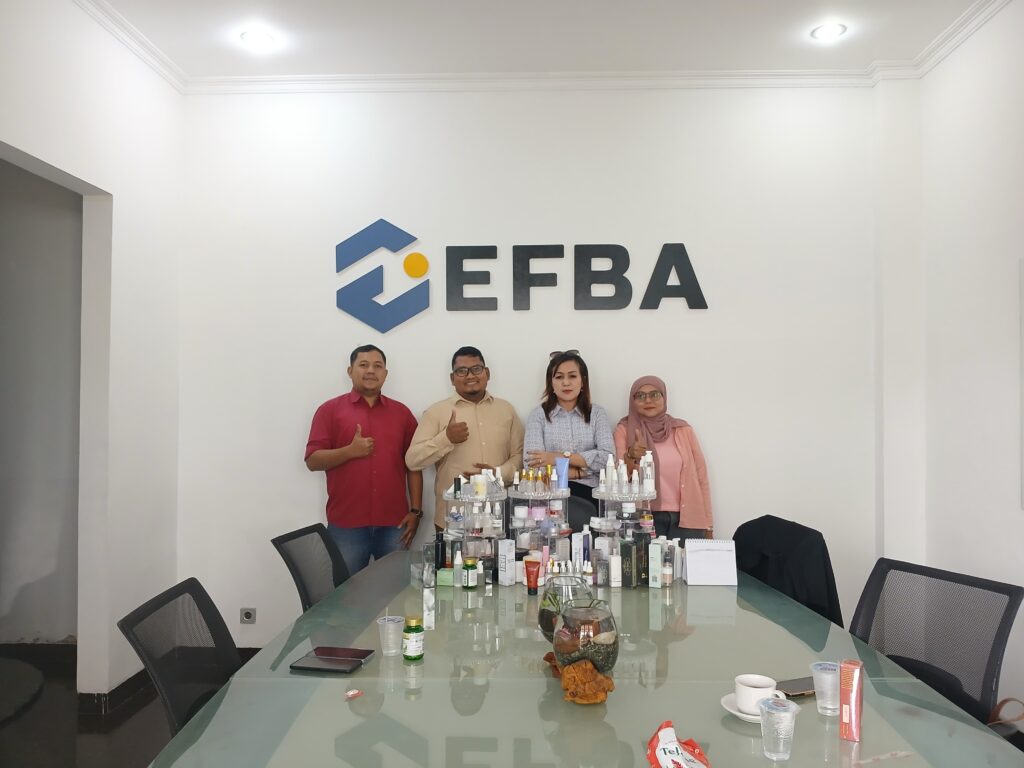
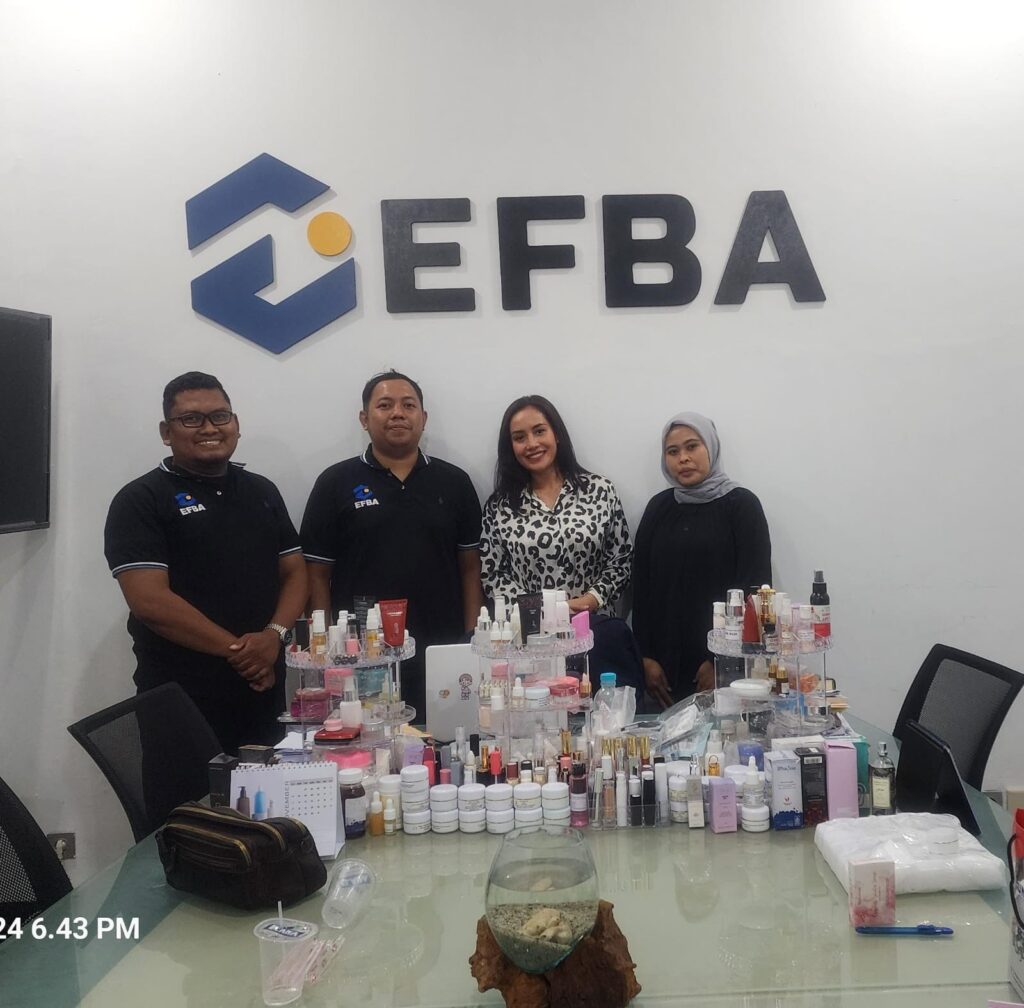
Its approach includes direct sourcing, selective harvesting, processing supervision, raised-bed drying, quality control, origin transparency, cascara utilization, and management of remaining coffee pulp as compost.
These activities provide practical context for Coffeenesia’s perspective on Gayo coffee sustainability.
Rather than viewing sustainability only from the final product, the company approaches it across several stages of the supply chain.
Coffeenesia is also connected to the wider business ecosystem of EFBA Digital Mulia.
EFBA’s experience across business development, consulting, manufacturing, agriculture, and other commercial activities provides additional business context behind Coffeenesia’s efforts to connect Indonesian commodities with wider markets.
For the WordPress version, place official EFBA/Coffeenesia documentation directly after this section.
The strongest documentation would be a genuine photograph showing:
Gayo coffee farms → farmers or sourcing activity → coffee processing → Coffeenesia/EFBA team activity.
17. What Should Global Buyers Look for Before Sourcing Gayo Coffee?
Before purchasing Gayo coffee, international buyers should combine sustainability evaluation with commercial due diligence.
Start by defining your product requirement.
Do you need green beans or roasted coffee?
Which processing method?
What target flavor profile?
What volume?
What packaging?
What moisture or defect specification?
Do you need traceability information?
Do you require samples?
Once requirements are clear, evaluate whether the supplier can consistently meet them.
Buyers should also distinguish between verified information and marketing claims.
Terms such as “sustainable,” “ethical,” “eco-friendly,” and “responsibly sourced” can mean different things depending on the supplier.
Ask for specific explanations.
What exactly does the supplier do?
What can be traced?
Which processes are controlled?
Which sustainability practices are currently implemented?
Are any claims supported by documentation or certification?
This approach creates more reliable supplier evaluation.
18. Gayo Coffee Sustainability and Long-Term Supply Security
One reason sustainability matters commercially is that coffee buyers often need repeat supply.
A successful product may remain on a roaster’s menu or distributor’s catalog for years.
If an origin experiences declining productivity, climate pressure, farmer attrition, or inconsistent quality, the buyer may eventually face supply challenges.
Therefore, sustainability can contribute to supply security.
Farm rehabilitation supports future production.
Climate adaptation helps reduce vulnerability.
Farmer economic resilience supports continued cultivation.
Quality control supports consistency.
Traceability improves supply-chain visibility.
Waste utilization improves resource efficiency.
Strong buyer-supplier relationships improve communication.
Together, these elements can create a more resilient sourcing system.
19. The Future of Sustainable Gayo Coffee
The future of Gayo coffee will depend on the ability of multiple stakeholders to work together.
Farmers alone cannot solve every challenge.
Neither can exporters, buyers, governments, researchers, or sustainability organizations acting independently.
Long-term progress requires cooperation across the value chain.
Current initiatives already demonstrate this direction.
WRI Indonesia’s Sustainable Gayo Coffee program combines sustainable agriculture, agroforestry, post-harvest development, economic resilience, sustainable business development, and coffee-waste utilization.
Bank Indonesia has also highlighted collaboration aimed at improving Gayo coffee productivity and strengthening its connection with global markets.
For buyers, these developments provide an important message.
Gayo should not only be viewed as a source of distinctive Arabica coffee.
It should also be understood as a living agricultural ecosystem facing real environmental, economic, and supply-chain challenges.
Supporting responsible sourcing can help ensure that Gayo coffee continues reaching global markets in the years ahead.
Why Gayo Coffee Sustainability Matters to Global Buyers
Ultimately, Gayo coffee sustainability is about continuity.
Continuity of the farms that produce coffee.
Continuity of farmer knowledge.
Continuity of coffee quality.
Continuity of the surrounding landscape.
Continuity of supply.
And continuity of relationships between Aceh producers and international markets.
For global buyers, sustainability therefore should not be separated from sourcing strategy.
A coffee can have an excellent flavor profile today, but long-term sourcing also requires understanding whether the system behind that coffee can continue functioning tomorrow.
That is why origin transparency, farming resilience, quality control, traceability, resource efficiency, and farmer communities increasingly matter alongside traditional commercial considerations.
FAQ About Gayo Coffee Sustainability
What is Gayo coffee sustainability?
Gayo coffee sustainability refers to efforts to maintain long-term coffee production in the Gayo Highlands while considering environmental resilience, farm productivity, farmer livelihoods, coffee quality, traceability, processing efficiency, and market access.
Is all Gayo coffee sustainably produced?
Not necessarily. Farming practices, processing methods, traceability, certifications, and sustainability programs can differ among farms and suppliers. Buyers should evaluate individual suppliers and ask for evidence supporting specific sustainability claims.
Why is Gayo coffee farming affected by climate change?
Coffee production is influenced by temperature, rainfall, flowering patterns, plant health, and other environmental factors. Changing climate conditions can therefore affect productivity and quality. Current programs in Gayo are exploring sustainable farming, agroforestry, farm rehabilitation, and land conservation as part of efforts to strengthen resilience.
What is Gayo coffee traceability?
Gayo coffee traceability refers to information that helps identify the coffee’s origin and supply-chain characteristics. Depending on the supplier, information can include production region, variety, processing method, harvest, farm or cooperative, and lot details.
How does cascara support coffee sustainability?
Cascara creates potential value from the fruit surrounding the coffee seed. When appropriately harvested and processed, it can become a beverage ingredient rather than remaining solely as a processing by-product.
What role does agroforestry play in sustainable Gayo coffee?
Agroforestry integrates coffee with other vegetation or trees. Depending on how the farm is designed and managed, it can contribute to shade management, soil protection, biodiversity, and farm resilience.
Why should coffee buyers care about farmer sustainability?
Farmers are responsible for maintaining coffee farms and producing the cherries that enter the supply chain. Their economic resilience, knowledge, and ability to maintain productive farms directly influence future coffee availability and quality.
How can buyers evaluate a sustainable Gayo coffee supplier?
Buyers can evaluate origin transparency, traceability, quality-control practices, processing information, sustainability activities, product specifications, samples, MOQ, packaging, communication, documentation, and the supplier’s ability to support repeat orders.
Where can international buyers source Gayo coffee?
International buyers can explore Coffeenesia for information about Gayo specialty coffee, green coffee beans, cascara, processing options, wholesale quantities, and sourcing requirements.
Source Sustainable Gayo Coffee from Aceh with Coffeenesia
Responsible sourcing starts with understanding the coffee behind the quotation.
Origin, farmers, processing, quality, traceability, sustainability practices, and supply capability all contribute to a successful long-term sourcing relationship.
Coffeenesia connects buyers with Gayo specialty coffee and cascara from Aceh, Indonesia, supported by direct sourcing, quality control, origin transparency, processing oversight, and efforts to make better use of coffee resources.
For importers, roasters, distributors, cafés, hospitality businesses, and beverage companies, Coffeenesia can support discussions around specifications, samples, processing methods, wholesale quantities, and sourcing requirements.
Explore Coffeenesia to learn more about Gayo coffee and Indonesian coffee sourcing, or visit EFBA Digital Mulia to learn more about the wider EFBA business ecosystem.