
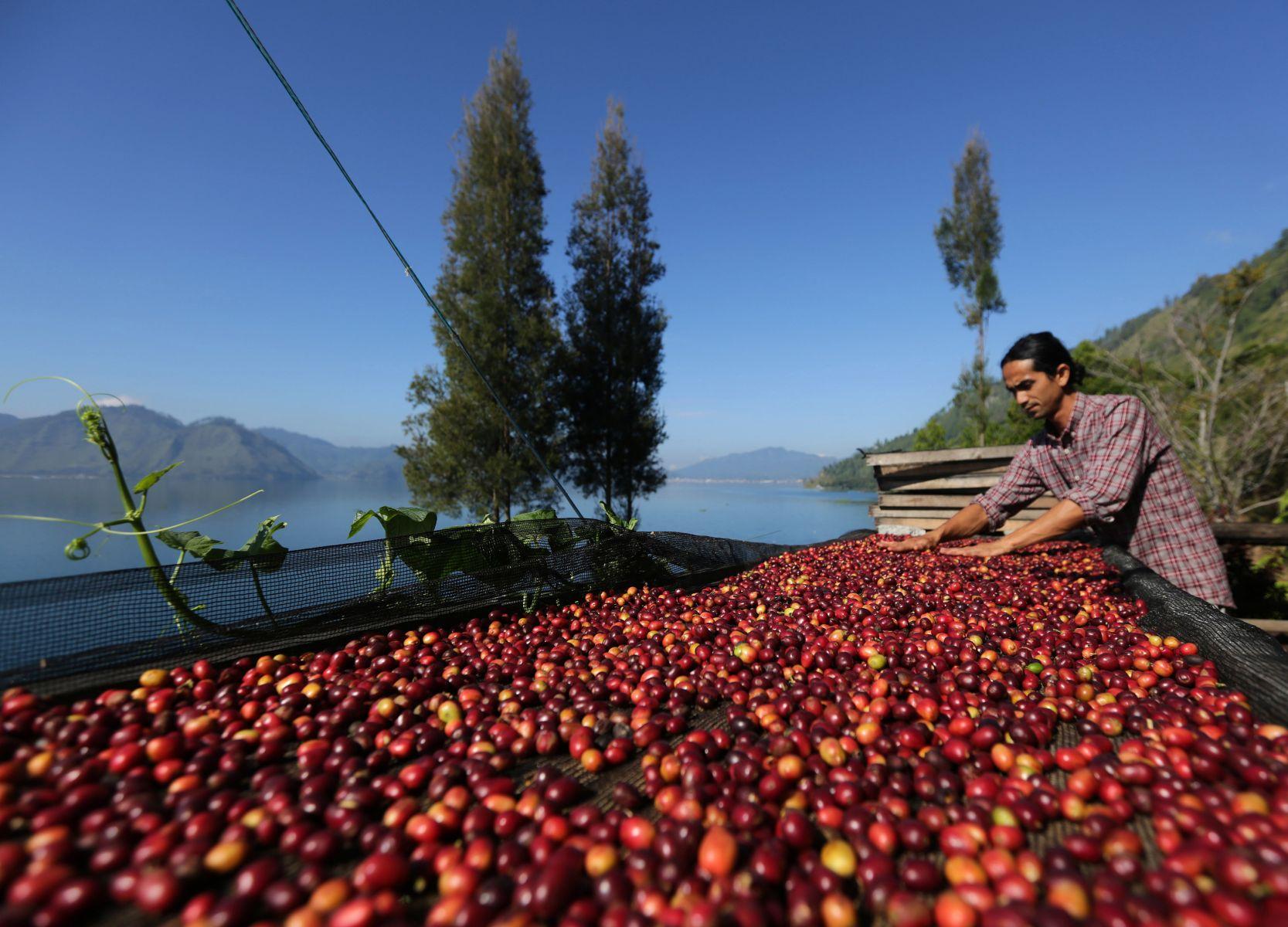
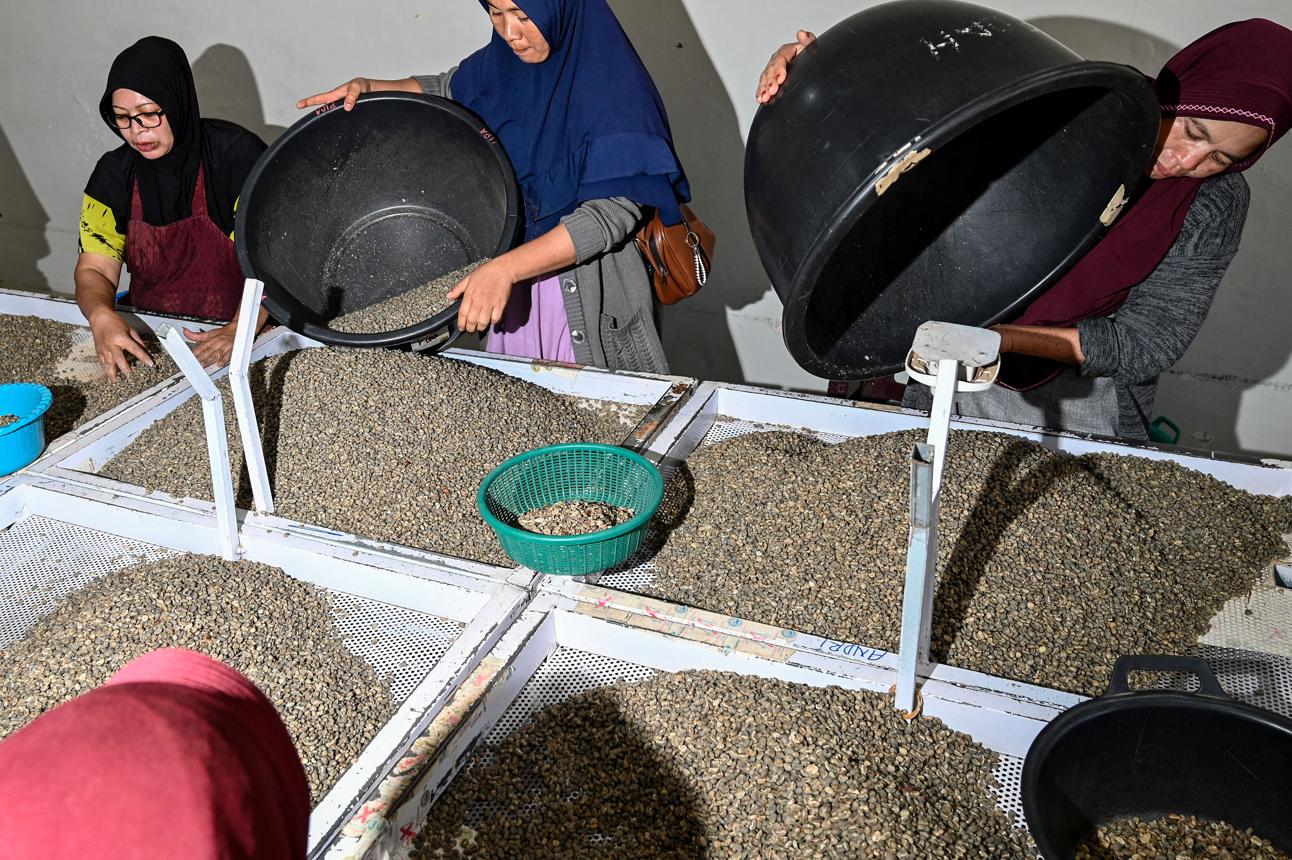
Gayo coffee processing plays an important role in shaping the flavor, aroma, acidity, body, and overall character of coffee grown in the Gayo Highlands of Aceh, Indonesia. While altitude, variety, soil, climate, and harvesting quality establish the potential of the coffee cherry, post-harvest processing determines how much of that potential reaches the final cup.
Different processing methods handle the coffee cherry, mucilage, fermentation, and drying in different ways. As a result, coffees from the same growing region can produce noticeably different sensory experiences.
For buyers, roasters, and coffee enthusiasts, understanding Gayo coffee processing provides valuable context for evaluating green coffee and selecting a flavor profile that fits a particular market or roasting strategy.
Table of Contents
ToggleWhat Is Gayo Coffee Processing?
Gayo coffee processing refers to the post-harvest steps used to transform freshly harvested coffee cherries into stable green coffee beans ready for storage, export, and roasting.
The process generally involves several key stages:
- Harvesting ripe coffee cherries
- Sorting the cherries
- Removing or retaining the fruit depending on the processing method
- Fermentation or mucilage management
- Drying
- Hulling
- Final sorting and grading
- Preparing green beans for storage or shipment
These stages are more than operational procedures. They can influence the chemical composition and flavor precursors within the coffee beans.
Research on coffee fermentation shows that post-harvest conditions can affect organic acids, sugars, metabolites, and other compounds associated with the sensory profile of the final beverage.
For a broader introduction to the origin and characteristics of Gayo coffee, read Coffeenesia’s guide to Gayo Coffee & Cascara: 7 Amazing Insights You Should Know.
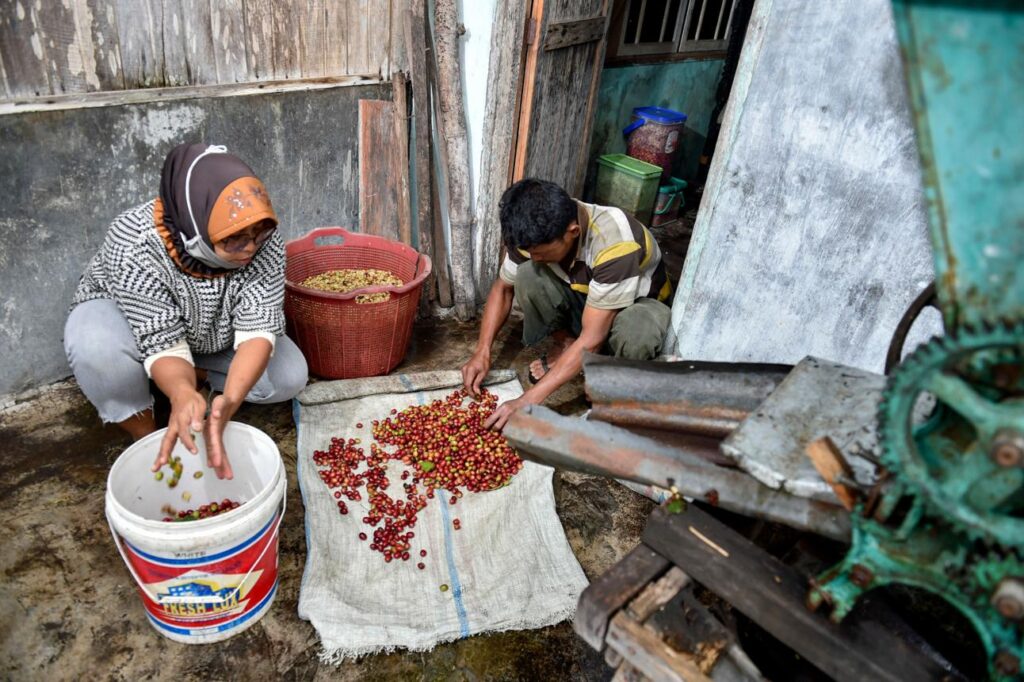
Why Processing Changes Coffee Flavor
A coffee bean is the seed inside a coffee cherry. Therefore, what happens to the fruit after harvesting can influence the chemical environment surrounding that seed.
During fermentation, microorganisms interact with sugars and other compounds in the coffee fruit. These processes can generate organic acids, alcohols, esters, and other metabolites. Some compounds also serve as precursors for aroma development during roasting.
Research has demonstrated that changing fermentation conditions and duration can create different chemical and sensory profiles. However, processing is only one part of coffee quality. Variety, terroir, cherry ripeness, drying, storage, roasting, and brewing also influence what consumers ultimately taste.
Therefore, processing should not be viewed as a method that simply “adds flavor.” Instead, it is one of several interconnected factors that shape how a coffee’s existing potential develops.
Main Gayo Coffee Processing Methods
Coffee producers can use different post-harvest methods depending on local practices, infrastructure, environmental conditions, quality objectives, and target markets.
For Gayo and Indonesian coffee more broadly, four processing approaches are especially useful to understand.
1. Wet-Hulled or Giling Basah Process
Wet hulling, locally known as Giling Basah, is strongly associated with Indonesian coffee production.
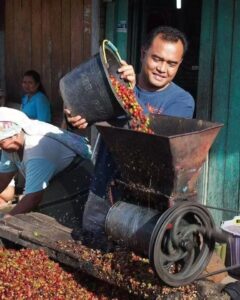
It is important not to confuse wet hulling with the conventional fully washed process. Under wet hulling, coffee is hulled while it still contains considerably more moisture than coffee processed through conventional dry hulling.
A simplified process may include:
Coffee cherry → pulping → fermentation → washing → partial drying → wet hulling → further drying → sorting
The exact procedure can vary among producers and supply chains.
How Can Wet Hulling Affect Flavor?
Wet-hulled Indonesian coffees are often associated with:
- Full or heavy body
- Lower-perceived or softer acidity
- Earthy or herbal characteristics in some lots
- Spice-like characteristics
- Chocolate or cacao impressions
- A rich mouthfeel
However, these descriptors should not be treated as guarantees for every Gayo coffee. Farm conditions, cherry selection, processing control, drying, storage, roast profile, and lot quality can produce substantial variation.
This is why buyers should evaluate the actual lot rather than relying solely on the processing label.
2. Washed Gayo Coffee
The washed method removes most of the fruit surrounding the bean before drying.
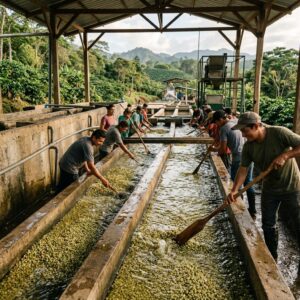
A typical process can be simplified as:
Cherry → pulping → fermentation → washing → drying → dry hulling
During wet processing, fermentation helps break down the mucilage surrounding the parchment coffee. Washing then removes the remaining mucilage before drying. The Specialty Coffee Association’s explanation of coffee fermentation discusses how fermentation, washing, soaking, and other processing variables can alter coffee metabolites and subsequent cup characteristics.
Typical Flavor Direction
Well-executed washed coffees are commonly associated with:
- Cleaner cup profiles
- More defined acidity
- Greater flavor clarity
- Floral characteristics
- Citrus or fruit notes
- Cleaner finish
For roasters seeking clarity and origin expression, washed Gayo lots can provide a different sensory direction from traditional wet-hulled coffees.
3. Natural Gayo Coffee
Natural processing keeps the coffee cherry intact during much of the drying stage.
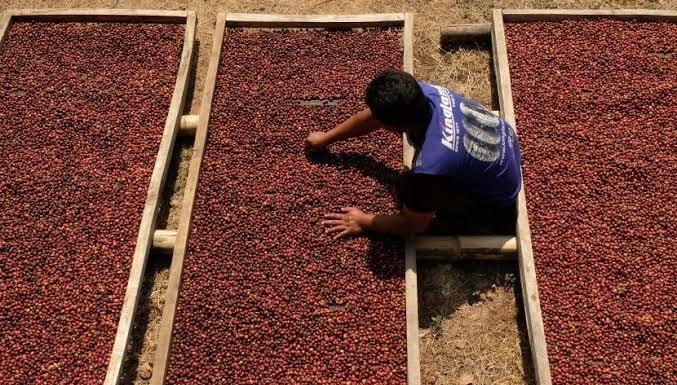
The basic sequence is:
Whole cherry → sorting → drying → dry hulling → green bean
Because the coffee seed remains inside the fruit for longer, natural processing creates a different biochemical environment compared with washed processing.
Research comparing natural and pulped coffees has found differences in organic acid production and subsequent chemical and sensory characteristics, illustrating how post-harvest choices can influence cup quality.
Typical Flavor Direction
Natural Gayo coffee may express:
- Higher perceived fruitiness
- Berry-like notes
- Ripe or dried fruit characteristics
- Greater perceived sweetness
- Heavier body
- More intense aroma
Nevertheless, natural processing requires careful drying and control. Poorly managed fermentation or drying can create undesirable flavors and inconsistency.
4. Honey Process
The honey process sits conceptually between washed and natural processing.
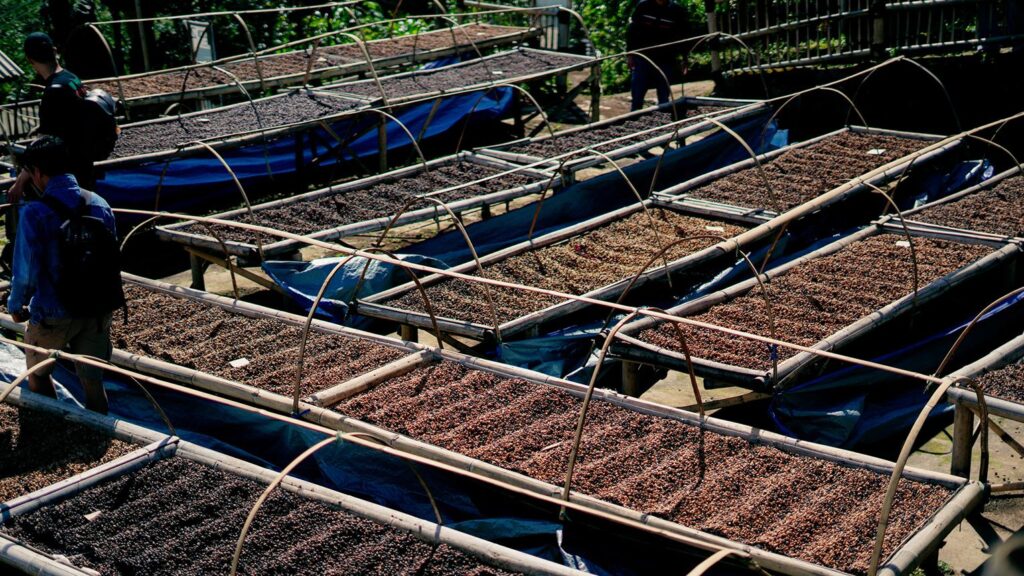
The skin and pulp are removed, but some mucilage remains attached to the parchment during drying.
A simplified sequence is:
Cherry → pulping → partial mucilage retention → drying → hulling
Despite its name, honey processing does not involve adding honey to coffee. The term refers to the sticky mucilage remaining around the parchment.
Typical Flavor Direction
Depending on execution, honey-processed coffee can offer:
- Pronounced sweetness
- Balanced acidity
- Fruit characteristics
- Rounded mouthfeel
- Caramel-like impressions
- A balance between clarity and body
For specialty coffee buyers, this method can provide an interesting middle ground between the clarity associated with washed coffee and the fruit-forward character often found in natural coffee.
Gayo Coffee Processing and Flavor Comparison
The following table provides a simplified overview. Actual flavor characteristics vary between lots.
| Processing Method | Typical Flavor Direction | Acidity | Body |
|---|---|---|---|
| Wet Hulled / Giling Basah | Chocolate, spice, herbal, earthy | Low–Medium | Full |
| Washed | Clean, floral, citrus, bright | Medium–High | Medium |
| Natural | Fruity, berry, sweet, intense | Medium | Medium–Full |
| Honey | Sweet, fruity, caramel-like | Medium | Medium–Full |
These profiles should serve as general reference points rather than fixed flavor specifications.
If you want to understand Gayo coffee’s sensory characteristics in greater detail, explore 5 Amazing Gayo Coffee Flavor Profile: Aceh’s Unique Taste.
The Role of Fermentation in Gayo Coffee
Fermentation is one of the most influential stages within Gayo coffee processing, particularly when producers seek greater control over sensory outcomes.
Coffee fermentation involves interactions among microorganisms, sugars, acids, and other compounds present in the fruit and surrounding environment.
Studies show that variables such as fermentation duration, oxygen availability, temperature, and microbial activity can influence the chemical composition of green coffee and its subsequent sensory characteristics.
For example, longer fermentation is not automatically better. It can increase or change particular metabolites, but uncontrolled fermentation can also increase the risk of undesirable characteristics.
Therefore, consistency depends on managing variables such as:
- Cherry ripeness
- Fermentation time
- Temperature
- Oxygen exposure
- Cleanliness
- Water quality where applicable
- Drying conditions
This is especially relevant for specialty coffee, where buyers may require consistency across different harvests and lots.
Drying: A Critical Step After Processing
Fermentation often receives the most attention, but drying is equally important.
Coffee beans contain significant moisture after harvesting and processing. Drying reduces moisture to a level suitable for stable storage and subsequent handling. The Specialty Coffee Association notes that drying is necessary to remove much of the water remaining in the seed and help prevent germination or spoilage.
Drying too quickly or unevenly can affect quality. On the other hand, excessively slow or poorly controlled drying can increase the risk of unwanted microbial activity and defects.
Consequently, good Gayo coffee processing requires careful management from cherry selection through fermentation, drying, hulling, sorting, and storage.
Processing Method vs. Gayo Terroir
Processing does not work independently of origin.
The Gayo Highlands provide environmental conditions for Arabica production, while genetics, altitude, climate, soil, agricultural practices, and cherry maturity contribute to the coffee’s initial quality potential.
Processing then influences how those characteristics are preserved, transformed, or expressed.
Think of the relationship as:
Origin + Variety + Agriculture + Harvesting + Processing + Roasting + Brewing = Final Cup Experience
Therefore, two coffees from the same region can taste substantially different when producers apply different processing methods.
Similarly, two coffees using the same processing method may still taste different because they come from different farms, varieties, elevations, harvest conditions, or processing protocols.
Why Processing Matters to Green Coffee Buyers
For importers and roasters, understanding processing provides more than sensory information.
Processing can help buyers determine whether a particular coffee is suitable for a specific product strategy.
For example, a buyer may seek:
Espresso: body, sweetness, chocolate characteristics, and balanced acidity.
Filter coffee: clarity, fruit complexity, floral character, or defined acidity.
Specialty single origin: traceability, distinctive sensory attributes, processing transparency, and consistency.
Commercial blends: repeatability, body, recognizable flavor characteristics, and cost-performance balance.
Therefore, asking only for “Gayo coffee” may not provide enough information when sourcing.
Buyers can also consider:
- Origin or producing area
- Processing method
- Variety
- Harvest period
- Moisture and physical specifications
- Cup profile
- Lot availability
- Traceability
- Packaging
- Export requirements
For additional sourcing considerations, see 7 Powerful Reasons to Choose a Gayo Coffee Supplier from Indonesia.
How Coffeenesia Approaches Gayo Coffee
Coffeenesia connects the story of Gayo coffee with the needs of buyers seeking Indonesian coffee products.
Understanding Gayo coffee processing is an important part of that conversation because processing affects the characteristics buyers evaluate before roasting and purchasing.
Instead of evaluating coffee solely by origin name, buyers should consider how origin, post-harvest processing, physical quality, and sensory characteristics work together.
This approach helps buyers select coffees that better match their roasting objectives and target consumers.
Choosing the Right Gayo Coffee Processing Method
There is no single processing method that is automatically superior.
The best choice depends on the desired cup profile and intended market.
Choose wet-hulled Gayo coffee when seeking a fuller body and traditional Indonesian character.
Choose washed Gayo coffee when clarity and more defined acidity are priorities.
Choose natural Gayo coffee when fruit intensity and sweetness are desirable.
Choose honey-processed Gayo coffee when looking for a balance between sweetness, fruit character, body, and clarity.
Most importantly, evaluate each lot based on actual quality and sensory performance rather than processing terminology alone.
Frequently Asked Questions About Gayo Coffee Processing
What is Gayo coffee processing?
Gayo coffee processing refers to the post-harvest methods used to transform coffee cherries from the Gayo Highlands into green coffee beans. These processes can include sorting, pulping, fermentation, washing, drying, hulling, and final grading.
What is the traditional processing method for Indonesian coffee?
One of Indonesia’s most distinctive methods is wet hulling or Giling Basah. In this method, parchment is removed while the coffee retains more moisture than it would during conventional dry hulling.
Does processing change the flavor of Gayo coffee?
Yes. Research shows that post-harvest processing and fermentation conditions can alter coffee’s chemical composition and sensory characteristics. However, flavor also depends on variety, terroir, harvest quality, drying, storage, roasting, and brewing.
Is washed or natural Gayo coffee better?
Neither is inherently better. Washed coffee often emphasizes clarity and acidity, while natural processing can emphasize fruitiness, sweetness, and body. Quality ultimately depends on the coffee lot and how well the process is managed.
What does Giling Basah mean?
Giling Basah means wet hulling, a post-harvest method strongly associated with Indonesia. It differs from the conventional fully washed process because hulling occurs while the coffee still contains relatively high moisture.
Where can buyers learn more about Gayo coffee?
Buyers can explore Coffeenesia’s Gayo coffee and cascara insights or contact Coffeenesia to discuss Gayo coffee products and sourcing requirements.
Conclusion
Gayo coffee processing is a critical link between the coffee cherry and the final cup. Wet-hulled, washed, natural, and honey processes handle fruit removal, fermentation, and drying differently, which can contribute to distinct flavor profiles.
Wet-hulled coffee can emphasize body and traditional Indonesian characteristics. Washed processing can promote clarity, while natural processing often highlights fruit and sweetness. Honey processing can offer a balance between these sensory directions.
Still, processing should never be evaluated in isolation. Origin, variety, cherry quality, fermentation control, drying, storage, roasting, and brewing all contribute to the final sensory experience.
For buyers interested in sourcing coffee from the Gayo Highlands, understanding these variables makes it easier to identify a product that matches the desired roast profile, application, and target market.
Looking for Gayo coffee from Indonesia? Contact Coffeenesia to discuss available products and sourcing requirements.