

Aceh Gayo coffee is one of Indonesia’s most distinctive highland coffees. Grown in the Gayo Highlands of Aceh, northern Sumatra, this coffee is widely associated with Arabica production, high-elevation farms, diverse processing methods, and complex flavor characteristics.
For coffee drinkers, Gayo offers an opportunity to experience a unique Indonesian origin. Meanwhile, for roasters, importers, distributors, and coffee brands, Aceh Gayo coffee can provide an interesting combination of origin identity, processing diversity, and commercial potential.
What makes this coffee special is not simply where it comes from. Altitude, climate, coffee variety, cherry selection, fermentation, processing, drying, storage, and roasting can all influence the final cup.
As a result, different Gayo lots can produce noticeably different experiences. Some may emphasize chocolate, caramel, spice, and body, while others can develop fruit, floral notes, sweetness, brighter acidity, or more experimental characteristics.
So, what exactly makes Aceh Gayo coffee different from other Indonesian coffees?
Table of Contents
ToggleWhat Is Aceh Gayo Coffee?
Aceh Gayo coffee refers to coffee originating from the Gayo Highlands in Aceh, Indonesia. The region is particularly associated with Arabica coffee and includes important producing areas such as Aceh Tengah and Bener Meriah.
The Gayo Highlands provide an environment where altitude, climate, soil, agricultural practices, and local processing traditions interact to influence coffee development.
Official Indonesian agricultural sources also identify Gayo Arabica as an important regional commodity. Agricultural development activities in the area include the management and development of Arabica varieties such as Gayo 1, Gayo 2, and Gayo 3.
Moreover, Kopi Arabika Gayo has received recognition as an Indonesian Geographical Indication product. Indonesia’s Directorate General of Estate Crops lists Kopi Arabika Gayo from Aceh among Indonesia’s registered Geographical Indication plantation products.
For buyers, this geographical identity helps distinguish Gayo from coffee sold simply under the broader label of “Indonesian coffee.”
You can also learn more about Coffeenesia and its connection with coffee from Gayo, Indonesia.
Where Does Aceh Gayo Coffee Come From?
The story of Aceh Gayo coffee begins in the mountainous interior of Aceh on the northern end of Sumatra.
The Gayo Highlands are closely associated with coffee agriculture, particularly Arabica production. Aceh Tengah and Bener Meriah are among the areas commonly connected with Gayo Arabica cultivation.
Coffee farming in a highland environment is important because elevation can influence how coffee cherries develop. However, altitude alone does not guarantee quality.
Coffee quality also depends on factors such as:
- Coffee variety
- Farm management
- Cherry ripeness
- Harvesting practices
- Processing method
- Fermentation control
- Drying
- Storage
- Sorting
- Roasting
Therefore, two coffees grown within the same broad region can still produce significantly different cup profiles.
This is one reason professional buyers should evaluate individual Gayo coffee lots rather than assuming all coffee carrying the Gayo name will taste the same.
7 Reasons Aceh Gayo Coffee Is Special
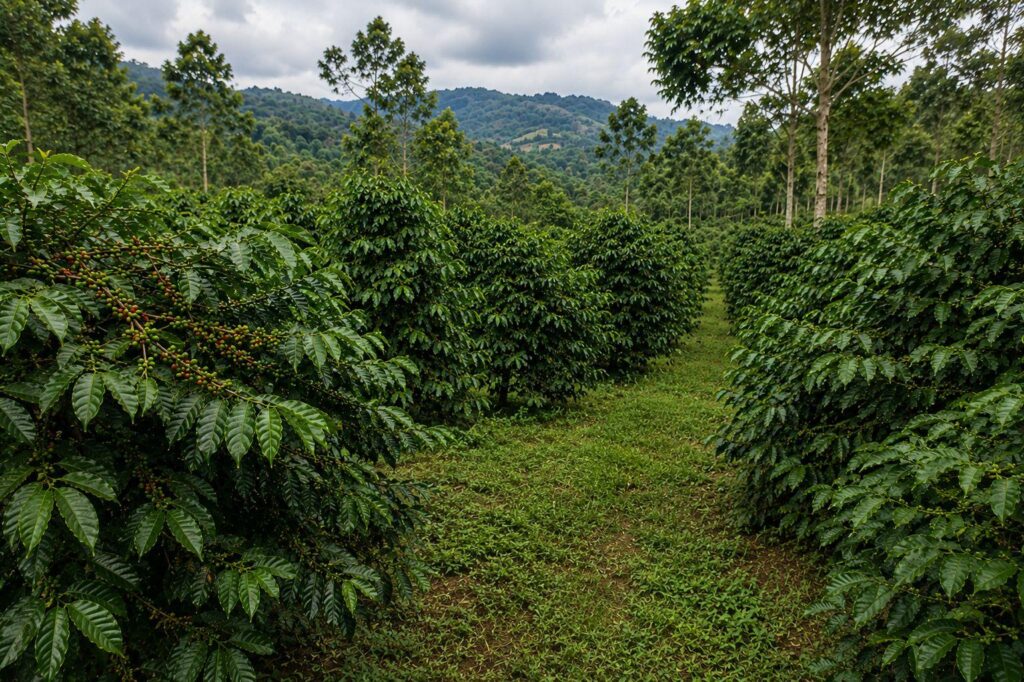
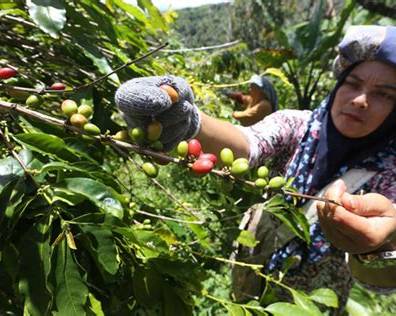
1. Grown in the Gayo Highlands of Aceh
Origin is one of the strongest characteristics behind Aceh Gayo coffee.
The coffee comes from a highland region with a strong connection to Arabica cultivation. This gives producers and buyers a clear geographical story behind the coffee.
For specialty roasters, origin matters because customers increasingly want to understand where their coffee comes from.
Instead of simply marketing a product as “Indonesian Arabica,” a roaster can communicate a more specific origin:
Gayo Highlands, Aceh, Sumatra, Indonesia.
This creates a stronger connection between the coffee, its producers, and its geographical identity.
Nevertheless, origin should be supported by reliable sourcing information. Buyers should request available information about the producing region, processing method, harvest, specifications, and traceability.
2. Strong Association with Arabica Coffee
Another important characteristic is Gayo’s association with Arabica coffee.
Indonesia produces both Arabica and Robusta, but Gayo is particularly recognized for Arabica production.
Official agricultural activities in the region include the development and management of Gayo Arabica varieties.
Arabica coffee cultivated in highland environments can develop complex sensory characteristics. However, genetics are only part of the equation.
The final quality also depends heavily on how farmers manage their crops and how producers handle the cherries after harvesting.
Careful cherry selection, controlled fermentation, consistent drying, proper storage, and effective sorting can all contribute to a more consistent final product.
Therefore, when purchasing Gayo Arabica commercially, buyers should look beyond the word Arabica and evaluate the actual lot.
3. Diverse and Distinctive Flavor Profiles
One of the most interesting characteristics of Aceh Gayo coffee is its potential flavor diversity.
Depending on the lot, processing method, roasting style, and brewing method, Gayo coffee may display characteristics associated with:
- Chocolate
- Caramel
- Brown sugar
- Nuts
- Spice
- Herbs
- Tropical fruit
- Dried fruit
- Citrus
- Floral notes
- Sweetness
- Balanced acidity
- Full body
- Long aftertaste
However, these characteristics should not be treated as a guaranteed flavor description for every Gayo coffee.
A washed lot may taste very different from a natural or anaerobic lot grown within the same broad region.
Likewise, a light roast designed for filter coffee can present differently from a darker espresso roast.
This diversity makes Gayo particularly interesting for roasters who want to explore multiple expressions from one Indonesian origin.
For another example of how highland coffee and roasting can shape the final product, read Gayo Coffee 76: Authentic Roast Character From Highland Farms.
4. Multiple Coffee Processing Methods
Processing is one of the most important variables influencing coffee flavor.
Depending on the producer and lot, Aceh Gayo coffee can be processed using methods such as washed, natural, honey, wet-hulled, and experimental fermentation processes.
Each approach can produce a different sensory experience.
Washed Process
In washed processing, much of the fruit surrounding the coffee seed is removed before drying.
Carefully processed washed coffee can highlight clarity and allow specific acidity and flavor characteristics to become easier to identify.
For roasters seeking a cleaner presentation of origin characteristics, washed Gayo coffee can be worth evaluating.
Natural Process
Natural processing involves drying coffee cherries with the fruit surrounding the seed.
When producers carefully control cherry selection and drying, natural processing can create stronger fruit expression, sweetness, and heavier body.
However, processing consistency remains important because poor fermentation or drying can negatively affect quality.
Honey Process
Honey processing sits between washed and natural approaches because part of the mucilage remains attached during drying.
Depending on how producers manage the process, honey Gayo coffee may offer an interesting balance of sweetness, fruit character, body, and clarity.
Wet-Hulled Process
Wet-hulling, locally known as giling basah, is strongly associated with Indonesian coffee production.
This method can contribute to the fuller body and distinctive characteristics that many buyers associate with coffees from Sumatra.
Experimental Processing
Coffee producers are also increasingly experimenting with controlled fermentation techniques.
Depending on the producer, buyers may encounter aerobic, anaerobic, extended fermentation, or other experimental lots.
These coffees can provide unusual flavor experiences and may appeal to specialty roasters searching for more differentiated products.
However, buyers should always evaluate actual samples because experimental processing does not automatically guarantee higher quality.
5. Recognized Geographical Identity
The geographical identity behind Aceh Gayo coffee is another important differentiator.
Kopi Arabika Gayo is included among Indonesia’s recognized Geographical Indication plantation products.
A Geographical Indication connects a product with its geographical origin and associated characteristics or reputation.
For international coffee businesses, origin identity can support stronger product communication.
For example, a specialty roaster can communicate information about:
Country → Indonesia
Island → Sumatra
Province → Aceh
Origin → Gayo Highlands
This provides more context than simply labeling the product “Indonesian Coffee.”
Buyers interested in the official Indonesian perspective can review information from the Directorate General of Estate Crops on Indonesia’s Geographical Indication plantation products.
6. Suitable for Different Coffee Markets
Another advantage of Aceh Gayo coffee is its potential versatility.
Different Gayo lots may serve different market segments.
For example, selected specialty lots can be suitable for roasters prioritizing distinctive cup characteristics, traceability, processing, and origin storytelling.
Meanwhile, other lots may be more appropriate for commercial programs where buyers prioritize consistency, specifications, volume, price, packaging, and repeat supply.
Potential buyers can include:
- Specialty coffee roasters
- Coffee importers
- Coffee exporters
- Distributors
- Wholesalers
- Café groups
- Roastery chains
- Private-label brands
- Hospitality businesses
- Retail coffee companies
Therefore, there is no single “best” Gayo coffee for every buyer.
The right coffee depends on the intended application.
7. Strong Origin Story for Coffee Brands
Modern coffee consumers increasingly want to know more about the product inside the package.
Where was it grown?
How was it processed?
What does it taste like?
Who produced it?
What makes this region different?
Aceh Gayo coffee provides a strong foundation for this type of origin storytelling because the product has a recognizable geographical identity.
For roasters and coffee brands, this can create opportunities to develop single-origin offerings that communicate more than roast level alone.
However, marketing claims should always match the actual product.
Accurate information about origin, processing, specifications, and sensory characteristics builds stronger credibility than exaggerated claims.
What Does Aceh Gayo Coffee Taste Like?
There is no single flavor profile that represents every Aceh Gayo coffee.
This distinction is important.
Coffee is an agricultural product. Flavor changes according to environmental and production variables.
For example, the final cup may be influenced by:
Variety: Different Arabica varieties can develop different characteristics.
Altitude: Growing elevation can affect cherry development.
Harvesting: Ripe cherry selection can contribute to better consistency.
Fermentation: Duration and fermentation environment can significantly affect sensory characteristics.
Processing: Washed, natural, honey, and wet-hulled coffees can taste noticeably different.
Drying: Drying speed and consistency affect stability and quality.
Storage: Poor storage conditions can reduce quality before the coffee reaches the roaster.
Roasting: Roast development can dramatically change sweetness, acidity, aroma, body, and bitterness.
Consequently, one Gayo coffee might show chocolate, spice, and heavier body, while another may display tropical fruit, sweetness, floral aromas, or brighter acidity.
For professional buyers, sample evaluation and cupping remain essential.
Aceh Gayo Coffee vs Other Indonesian Coffee Origins
Indonesia has many coffee-producing regions, and each can offer different characteristics.
Gayo is only one part of Indonesia’s broader coffee diversity.
Other well-known origins include areas in Java, Bali, Flores, Sulawesi, and other parts of Sumatra.
So, what differentiates Gayo?
One major advantage is its combination of recognizable highland origin, strong Arabica identity, diverse processing possibilities, and established connection with Indonesian coffee production.
However, buyers should avoid ranking origins solely by reputation.
A carefully processed coffee from one region may outperform a poorly handled coffee from a more famous origin.
Therefore, the most useful question is not:
“Which Indonesian origin is the best?”
Instead, ask:
“Which coffee lot best matches my target flavor, quality requirements, roast profile, price point, and market?”
This approach leads to better sourcing decisions.
How Processing Changes Aceh Gayo Coffee Flavor
Understanding processing can help buyers predict what type of coffee might fit their target market.
A buyer seeking cleaner characteristics may start by evaluating washed lots.
Meanwhile, a specialty roaster seeking stronger fruit expression might compare natural, honey, or experimental processing.
A business looking for a more traditional Indonesian sensory direction may also evaluate wet-hulled lots.
Nevertheless, processing labels should only serve as an initial guide.
Two natural coffees can taste very different because of differences in cherry maturity, fermentation, drying, variety, altitude, and storage.
Therefore:
Process information helps narrow your search, but samples help you make the final decision.
How Roast Level Affects Aceh Gayo Coffee
Roasting has a major influence on the final experience.
Light Roast
A lighter roast can preserve more of the coffee’s origin-driven acidity, aroma, fruit, floral, and delicate characteristics.
It can be suitable for buyers who want the individual character of a particular lot to remain prominent.
Medium Roast
Medium roasting can create a balance between origin characteristics and roast development.
Depending on the coffee, this may highlight sweetness, caramel, chocolate, fruit, and body.
Darker Roast
A darker roast generally creates stronger roast-derived characteristics.
Chocolate, caramelized notes, bitterness, and heavier body may become more prominent, while some delicate origin characteristics can become less noticeable.
There is no universally correct roast level.
The ideal approach depends on the coffee and the target customer.
Explore Gayo Coffee 76 Authentic Roast Character From Highland Farms for more information about Gayo coffee and roast character.
How to Brew Aceh Gayo Coffee
The ideal brewing method depends on the coffee’s roast profile and individual characteristics.
Nevertheless, Aceh Gayo coffee can potentially work across several brewing methods.
Pour Over
Pour-over methods can help highlight clarity, aroma, acidity, and more delicate characteristics.
They may be particularly suitable for lighter-roasted specialty Gayo lots.
French Press
French press brewing can emphasize body and texture.
This can work well with Gayo coffee that already displays fuller-bodied characteristics.
Espresso
Gayo coffee can also be developed for espresso.
Depending on the roast and process, it may contribute chocolate, caramel, spice, sweetness, fruit, and body.
It can be served as a single-origin espresso or incorporated into a blend.
Automatic Coffee Machines
Commercially roasted Gayo coffee can also be developed for automatic coffee machines depending on roast level and recipe.
The important point is to match green coffee selection → roast profile → brewing method → target consumer.
How to Evaluate Aceh Gayo Coffee Before Buying
For commercial buyers, choosing Aceh Gayo coffee requires more than looking at origin and price.
Consider the following factors before placing an order:
- Origin and traceability — Ask where the coffee was produced and what traceability information is available.
- Processing method — Identify whether the coffee is washed, natural, honey, wet-hulled, or experimentally processed.
- Harvest information — Ask about available harvest details where relevant.
- Moisture content — Request physical specifications from the supplier.
- Bean size — Determine whether screen size specifications are relevant to your requirements.
- Defects — Understand the physical quality specifications.
- Cup profile — Ask for sensory information or cupping results when available.
- Samples — Always evaluate representative samples before committing to a larger purchase.
- Volume — Confirm whether available quantities match your requirements.
- Packaging — Discuss packaging and storage requirements.
- Lead time — Understand preparation and shipment timelines.
- Export capability — International buyers should clarify documentation and logistics support.
This approach is particularly important when buying at commercial scale.
If you are currently evaluating suppliers, read 7 Powerful Reasons to Choose a Gayo Coffee Supplier from Indonesia for additional sourcing considerations.
Why Samples Matter When Buying Gayo Coffee
Coffee specifications provide important information, but numbers cannot fully describe the sensory experience.
This is why samples matter.
Before making a larger purchase, buyers can use samples to assess:
- Aroma
- Flavor
- Sweetness
- Acidity
- Body
- Aftertaste
- Balance
- Uniformity
- Processing characteristics
- Potential roast applications
Roasters can also perform sample roasting to determine how the coffee responds to heat.
This provides a better foundation for purchasing decisions than selecting coffee solely from a price list.
Aceh Gayo Coffee for Specialty Roasters
Specialty roasters may find Gayo particularly interesting because one origin can provide access to multiple processing styles and sensory directions.
A roaster could potentially build a Gayo-focused range containing different profiles.
For example:
Washed Gayo → cleaner, more origin-focused presentation.
Natural Gayo → greater fruit and sweetness potential.
Honey Gayo → balance between sweetness, body, and clarity.
Wet-hulled Gayo → traditional Indonesian processing character.
Experimental Gayo → more unconventional fermentation-driven characteristics.
This gives specialty roasters opportunities to educate customers about how processing changes coffee even when the beans come from the same broad origin.
Aceh Gayo Coffee for Importers and Distributors
Importers and distributors have different priorities from individual consumers.
Flavor remains important, but commercial sourcing also requires attention to supply consistency, volume, packaging, logistics, specifications, documentation, and communication.
Before purchasing, importers should clarify:
- Coffee type
- Origin
- Processing
- Specifications
- Available quantity
- Packaging
- Sample availability
- Pricing terms
- Lead time
- Shipment requirements
- Export documentation
For repeat programs, communication becomes particularly important.
Coffee characteristics and availability can change between harvest periods. Therefore, buyers and suppliers should establish clear specifications rather than relying only on previous orders.
Aceh Gayo Coffee for Private-Label Brands
Aceh Gayo coffee can also provide opportunities for private-label coffee businesses.
A strong geographical identity can help a brand communicate a more specific story to consumers.
Instead of simply offering “Premium Arabica Coffee,” a brand can build communication around Gayo as a defined Indonesian coffee origin.
Depending on the business model, products could potentially be positioned around:
- Single-origin coffee
- Specialty coffee
- Premium Indonesian coffee
- Filter coffee
- Espresso
- Different processing methods
- Different roast levels
- Gayo origin collections
However, product positioning should remain consistent with the actual coffee being supplied.
Green Bean or Roasted Aceh Gayo Coffee?
The answer depends on your business.
Green Coffee Beans
Green coffee is generally more relevant for professional roasters, importers, and distributors with roasting capabilities.
Purchasing green beans gives roasters greater control over the final roast profile.
Roasted Coffee
Roasted Gayo coffee may be more suitable for cafés, retailers, hospitality businesses, or brands that do not operate their own roasting facilities.
The key consideration is operational capability.
A buyer should select the product format that best fits its supply chain and business model.
Why Traceability Matters
Traceability is becoming increasingly important in coffee sourcing.
For buyers, knowing more about where coffee comes from can improve quality evaluation, supplier communication, and product storytelling.
Traceability information can vary between suppliers and lots.
Depending on availability, it may include:
- Country
- Province
- Producing region
- Farm or producer
- Cooperative
- Processing station
- Variety
- Processing method
- Harvest information
- Lot information
Not every commercial coffee will provide the same level of detail.
Therefore, buyers should define how much traceability their market requires before sourcing.
Is Aceh Gayo Coffee Good for Espresso?
Yes, Gayo coffee can potentially work well for espresso, depending on the individual lot and roast profile.
Coffees with chocolate, caramel, sweetness, spice, and fuller body may provide characteristics that work particularly well in espresso.
Meanwhile, fruitier or experimentally processed Gayo coffees can create more modern single-origin espresso experiences.
Roasters should still test different roast profiles before deciding.
The goal should be to find the right relationship between the coffee’s characteristics and the intended espresso style.
Is Aceh Gayo Coffee Good for Filter Brewing?
Selected Aceh Gayo coffee can also work very well for filter brewing.
Washed, natural, honey, and experimental lots may provide distinctive sensory experiences when roasted appropriately.
Filter brewing can make it easier to identify subtle differences between different processing methods.
Consequently, offering several Gayo processes side by side can also create an educational experience for consumers.
How to Choose a Gayo Coffee Supplier
Finding the right coffee is only part of the sourcing process.
The supplier also matters.
A reliable supplier should communicate product information clearly and help buyers understand what they are purchasing.
When comparing suppliers, evaluate:
Product information: Are origin, process, and specifications clearly explained?
Sample availability: Can you evaluate the coffee before making a larger commitment?
Communication: Does the supplier respond clearly to technical and commercial questions?
Supply capability: Can the supplier handle the required volume?
Quality consistency: Are specifications clearly defined?
Packaging: Is packaging appropriate for storage and transportation?
Export readiness: Can international shipment requirements be discussed clearly?
Price matters, but it should not be the only criterion.
A cheaper coffee that does not match your target specifications can become more expensive operationally than a better-matched lot.
Our guide, 7 Powerful Reasons to Choose a Gayo Coffee Supplier from Indonesia, explains this topic in greater detail.
Frequently Asked Questions About Aceh Gayo Coffee
What is Aceh Gayo coffee?
Aceh Gayo coffee is coffee originating from the Gayo Highlands in Aceh, Indonesia. The region is especially associated with Arabica production and has developed a strong identity within Indonesian coffee.
Where is Aceh Gayo coffee grown?
Gayo coffee is produced in the Gayo Highlands of Aceh. Aceh Tengah and Bener Meriah are among the areas associated with Arabica coffee production in the region.
Is Aceh Gayo coffee Arabica or Robusta?
Gayo is particularly known for Arabica coffee. Indonesian agricultural activities in the region include Gayo Arabica varieties such as Gayo 1, Gayo 2, and Gayo 3.
What makes Aceh Gayo coffee special?
Its appeal comes from a combination of highland origin, Arabica production, geographical identity, processing diversity, and the range of sensory characteristics available from different lots.
What does Aceh Gayo coffee taste like?
There is no universal flavor profile. Depending on the lot, process, and roast, characteristics may include chocolate, caramel, spice, herbs, fruit, floral notes, sweetness, balanced acidity, and fuller body.
What processing methods are used for Gayo coffee?
Gayo coffee can be found using washed, natural, honey, wet-hulled, and various experimental processing methods depending on the producer.
Is Gayo coffee suitable for espresso?
Yes. Depending on the lot and roast profile, Gayo coffee can work for single-origin espresso or blends. Coffees with chocolate, caramel, sweetness, spice, and body can be particularly interesting for espresso development.
Is Gayo coffee suitable for pour-over?
Yes. Selected lots can work well for pour-over, especially when the roast profile preserves the coffee’s more delicate sensory characteristics.
Is Aceh Gayo coffee suitable for specialty coffee?
Selected lots can be suitable for specialty coffee programs. Buyers should evaluate representative samples, physical quality, cup characteristics, processing, and available traceability rather than relying solely on origin reputation.
Is Aceh Gayo coffee available as green beans?
Depending on the supplier, Gayo coffee may be offered as green beans for roasters and commercial buyers. Always confirm current product availability and specifications directly with the supplier.
How should international buyers choose Gayo coffee?
Begin with your target application and required specifications. Then compare samples, processing methods, physical specifications, cup characteristics, volume, packaging, lead time, pricing, and export capability.
Why should buyers request coffee samples?
Samples allow buyers to evaluate actual sensory characteristics and determine whether a lot matches their target roast profile and market before making a larger commercial commitment.
Explore Aceh Gayo Coffee with Coffeenesia
Aceh Gayo coffee is special because it represents more than one particular flavor. Its identity comes from the Gayo Highlands, Arabica cultivation, diverse processing methods, regional coffee traditions, and the work involved in transforming harvested cherries into coffee ready for roasting.
For coffee enthusiasts, Gayo provides an opportunity to explore the diversity of Indonesian coffee.
For roasters, it provides multiple possibilities for espresso, filter, single-origin, and experimental coffee programs.
Meanwhile, importers, distributors, and coffee brands can evaluate Gayo based on origin, specifications, processing, quality, volume, and commercial requirements.
At Coffeenesia, buyers can discover coffee and cascara connected with Gayo, Indonesia. Learn more about Coffeenesia, explore our products, or read our guide to selecting a Gayo coffee supplier from Indonesia.
If you are sourcing Aceh Gayo coffee for a roastery, café, distribution business, or coffee brand, contact Coffeenesia to discuss product availability, samples, specifications, and sourcing requirements.