
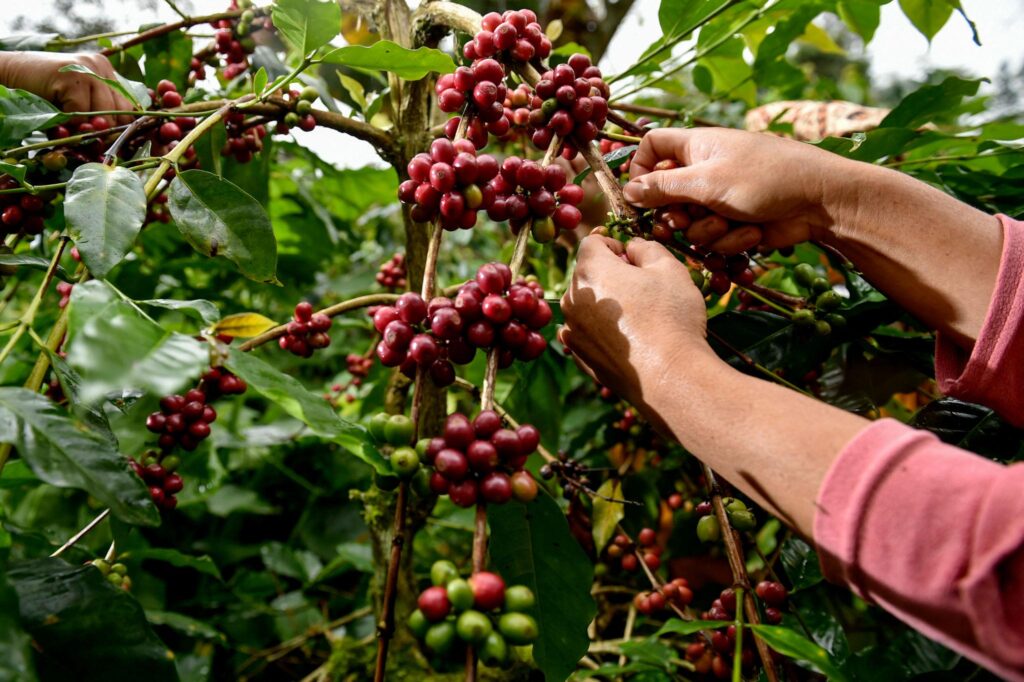
Finding a reliable Gayo coffee supplier is an important step for international roasters, importers, distributors, wholesalers, cafés, and coffee brands looking for distinctive Indonesian Arabica coffee. Grown in the highlands of Aceh, Gayo coffee has developed a strong reputation among buyers seeking traceable origins, diverse processing methods, and specialty-grade coffee for international markets.
However, choosing the right supplier requires more than comparing prices. International buyers should evaluate origin, processing, physical quality, cup characteristics, available volume, packaging, documentation, and export capability before placing a commercial order.
A professional Gayo coffee supplier should help buyers understand the coffee they are purchasing while providing clear specifications, representative samples, consistent communication, and reliable export support.
This guide explains how to source premium Gayo coffee from Aceh, what buyers should evaluate, and how Coffeenesia can support international coffee sourcing from Indonesia.
Table of Contents
ToggleWhat Is Gayo Coffee?
Gayo coffee refers to coffee produced in the Gayo Highlands of Aceh, Indonesia. The region is widely associated with Arabica production and has become one of Indonesia’s recognized coffee origins in specialty and international coffee markets.
Several factors can influence the character of Gayo coffee, including:
- Growing altitude
- Coffee variety
- Farm location
- Climate
- Processing method
- Fermentation
- Drying
- Storage
- Roast profile
Therefore, buyers should avoid assuming that every Gayo coffee tastes exactly the same.
One lot may show chocolate, caramel, herbal, spice, floral, or fruit characteristics, while another may deliver a different sensory profile depending on variety and processing.
This variability makes working with an experienced Gayo coffee supplier particularly important.
Why International Buyers Source Gayo Coffee from Aceh
Gayo offers several advantages for international coffee buyers.
Recognized Indonesian Coffee Origin
Aceh Gayo is one of the Indonesian origins commonly recognized by specialty coffee buyers.
Origin information can add value for roasters and coffee brands that want to communicate where their coffee comes from.
The Specialty Coffee Association explains that specialty coffee value can include both intrinsic characteristics such as flavor and aroma and extrinsic attributes such as origin, producer information, growing practices, and processing.
Suitable for Specialty Coffee Programs
Selected Gayo lots can serve specialty roasters, single-origin programs, café menus, private-label coffee, and premium retail products.
However, specialty positioning should be supported by actual lot evaluation rather than origin name alone.
For this reason, buyers should request samples and quality information before confirming orders.
Different Processing Options
Depending on producer and supplier capability, buyers may encounter Gayo coffee processed through methods such as:
- Washed
- Natural
- Honey
- Wet-hulled or giling basah
Different processing methods can influence sweetness, acidity, body, aroma, and overall cup character.
Therefore, processing information should always be included when comparing potential Gayo coffee lots.
What Should a Good Gayo Coffee Supplier Provide?
A professional Gayo coffee supplier should provide more than bags of green coffee.
International buyers should expect clear information that supports commercial purchasing decisions.
1. Clear Coffee Origin Information
Ask where the coffee comes from.
Depending on the lot, sourcing information may include:
- Region
- District
- Producer group
- Cooperative
- Farm
- Altitude
- Coffee variety
The level of traceability may vary between commercial and specialty lots.
Nevertheless, the supplier should provide as much relevant origin information as possible.
2. Processing Information
Processing strongly influences coffee characteristics.
A Gayo coffee supplier should explain whether the coffee is washed, natural, honey, wet-hulled, or processed through another method.
This information becomes particularly useful when buyers are developing a specific cup profile.
For example, a roaster seeking a cleaner, brighter coffee may evaluate different lots than a buyer seeking a fuller-bodied traditional Indonesian profile.
3. Green Coffee Specifications
Before buying Gayo coffee commercially, request measurable specifications.
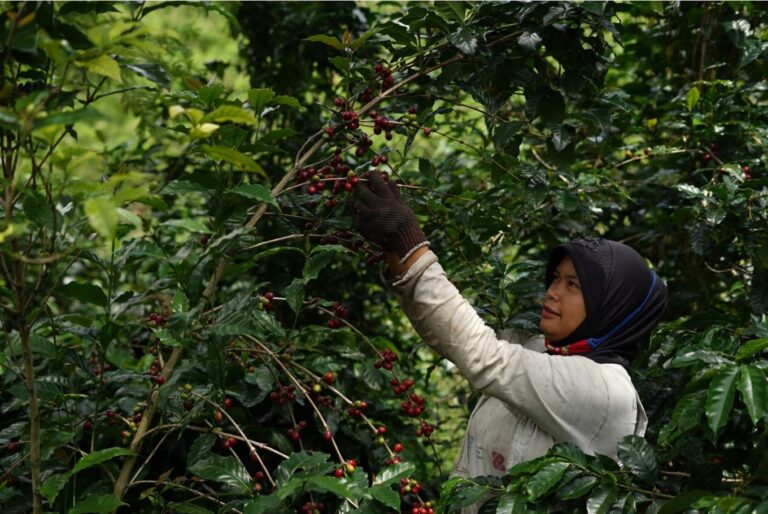
Useful information can include:
- Moisture content
- Bean size or screen size
- Defect specifications
- Physical appearance
- Processing method
- Crop or harvest information
- Available volume
- Packaging
- Cup profile
- Cupping information when applicable
The Specialty Coffee Association’s current Coffee Value Assessment framework considers physical, descriptive, affective, and extrinsic attributes when evaluating coffee value.
This highlights why buyers should evaluate coffee using multiple factors rather than relying on one score alone.
4. Representative Coffee Samples
Before placing a large commercial order, ask the Gayo coffee supplier for representative samples whenever possible.
Samples allow buyers to evaluate the actual coffee before making a larger commitment.
During sample evaluation, consider:
- Fragrance and aroma
- Flavor
- Aftertaste
- Acidity
- Sweetness
- Mouthfeel or body
- Uniformity
- Green bean condition
- Roasting performance
The SCA’s coffee evaluation system specifically distinguishes physical assessment from descriptive and quality-oriented sensory evaluation, reinforcing the value of evaluating coffee from several perspectives.
Conduct Cupping Before Bulk Purchasing
For specialty buyers, cupping is one of the most useful methods for comparing samples.
Instead of evaluating only one coffee, compare several Gayo lots side by side.
For example:
Lot A: Washed Gayo Arabica
Lot B: Natural Gayo Arabica
Lot C: Wet-hulled Gayo Arabica
This makes differences in body, sweetness, acidity, fruit character, aroma, and aftertaste easier to identify.
5. Consistent Supply Capability
Coffee is an agricultural product.
Therefore, quality characteristics and availability can change between harvests.
International buyers looking for recurring shipments should ask:
- How much coffee is available?
- Is the lot repeatable?
- When is the main harvest?
- Can equivalent replacement lots be sourced?
- How early should repeat orders be confirmed?
- What lead time is required?
A good Gayo coffee supplier should communicate realistically about availability rather than promising unlimited supply.
Gayo Coffee for Different Buyer Requirements
Different coffee businesses require different products.
Therefore, the best Gayo coffee depends on how the buyer intends to use it.
Specialty Coffee Roasters
Specialty roasters may prioritize:
- Traceability
- Distinctive sensory characteristics
- Processing method
- Producer information
- Small or differentiated lots
- Sample evaluation
For this segment, the individuality of a coffee may be more important than the lowest possible price.
Coffee Importers and Distributors
Importers may focus more heavily on:
- Consistency
- Commercial specifications
- Repeatable quality
- Available volume
- Export documentation
- Packaging
- Shipment reliability
Private-Label Coffee Brands
Private-label businesses may consider both product quality and how the origin supports their brand positioning.
Gayo’s Indonesian origin can provide a clear sourcing story for premium retail products.
Café and Roastery Groups
Café groups may need coffee that performs consistently across several outlets.
Therefore, repeatability and roasting performance become important considerations alongside cup quality.
Choosing the Right Gayo Coffee Processing Method
Processing should match your intended product.
Washed Gayo Coffee
Washed processing can produce relatively clean cup characteristics and clearer acidity.
It may be suitable for buyers seeking:
- Filter coffee
- Light or medium roasting
- Single-origin programs
- Cleaner specialty profiles
Natural Gayo Coffee
Natural processing can create greater fruit expression and sweetness when carefully executed.
This style may appeal to specialty roasters seeking more expressive sensory characteristics.
Honey Process Gayo Coffee
Honey-processed coffee can provide a balance between sweetness, body, fruit character, and clarity depending on the method used.
Wet-Hulled Gayo Coffee
Wet-hulling or giling basah is closely associated with Indonesian coffee production.
It can create profiles with fuller body and distinctive characteristics sought by buyers looking for a more traditional Indonesian cup.
No single method is universally superior. The correct choice depends on your target consumer.
How to Evaluate a Gayo Coffee Supplier
Before choosing a supplier, evaluate both the coffee and the company behind it.
Request Product Specifications
A supplier should clearly communicate what is being offered.
Avoid purchasing based on descriptions such as:
“Best Premium Gayo Coffee”
without supporting specifications.
Instead, request actual information about origin, process, moisture, grade, cup profile, packaging, volume, and harvest.
Evaluate Communication
International sourcing requires reliable communication.
A good supplier should respond clearly about:
- Availability
- Samples
- Price
- MOQ
- Lead time
- Packaging
- Export documentation
- Shipment schedules
Poor communication before payment can become a larger problem after an order has been placed.
Compare Samples, Not Just Quotations
If Supplier A offers a lower price than Supplier B, that does not automatically mean Supplier A provides better value.
Coffee consistency, packaging, documentation, logistics coordination, and commercial reliability can significantly affect the final cost to the buyer.
Therefore, compare total value.
Review Export Experience
Export capability is especially important for overseas customers.
Ask whether the supplier understands:
- Commercial invoices
- Packing lists
- Bills of lading
- Certificates of origin
- Phytosanitary requirements when applicable
- Customs procedures
- Freight coordination
Import requirements differ between destination countries, so buyers should also verify current requirements with their own customs and import authorities.
Packaging for Gayo Green Coffee Export
Suitable packaging helps protect coffee during transportation and storage.
Depending on buyer requirements and supplier capabilities, packaging can include:
- Jute bags
- Jute bags with protective liners
- High-barrier inner bags
- Vacuum packaging for selected microlots
- Customized packaging
Premium specialty lots may require more protective packaging than standard commercial shipments.
Therefore, packaging should be discussed before finalizing the purchase.
Understanding the International Coffee Market
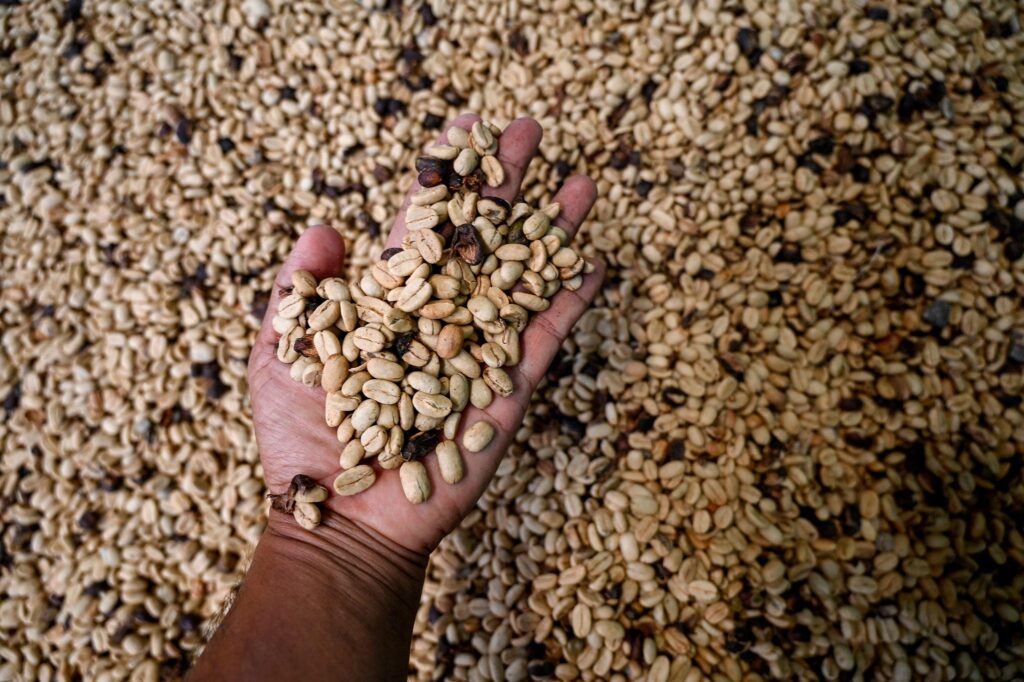
Coffee buyers operate within a global commodity and specialty market influenced by production, consumption, logistics, inventories, currency, climate, and demand.
The International Coffee Organization collects and publishes information related to global coffee production, trade, and consumption and represents both importing and exporting coffee governments.
International buyers can use resources from the International Coffee Organization to better understand broader market developments.
For specialty coffee quality and evaluation, buyers can also refer to the Specialty Coffee Association, which publishes standards, research, and the Coffee Value Assessment framework.
These resources provide useful industry context when evaluating coffee purchasing decisions.
Common Mistakes When Buying Gayo Coffee
Several mistakes can create unnecessary sourcing risk.
Choosing Only by Price
Price is important, but quality inconsistency can become expensive.
Poor consistency may create:
- Unstable roast profiles
- Rejected batches
- Customer complaints
- Additional sorting or quality-control costs
Therefore, evaluate overall value.
Ordering Without Samples
Whenever practical, request samples before committing to a significant purchase.
Assuming Every Gayo Coffee Is Identical
Coffee characteristics vary even within the same region.
Origin name alone does not guarantee a particular cup profile.
Ignoring Processing Information
Processing can dramatically affect sensory characteristics.
Always ask how the coffee was processed.
Using Vague Purchase Specifications
Avoid ordering simply:
“1 container premium Gayo coffee.”
Instead, define the exact specifications your business requires.
Ignoring Packaging
Coffee can remain in international transit for a substantial period.
Suitable packaging helps protect quality during logistics and storage.
How Coffeenesia Supports Gayo Coffee Buyers
Coffeenesia works with Indonesian coffee and supports buyers looking for a reliable Gayo coffee supplier for international markets.
Our sourcing focus includes coffee from Gayo, Aceh, along with other Indonesian coffee opportunities depending on availability and buyer requirements.
Buyers can learn more about Coffeenesia and its coffee sourcing focus through Coffeenesia – Coffee and Cascara from Gayo, Indonesia.
Depending on availability and commercial requirements, our portfolio can include:
- Gayo green coffee beans
- Indonesian Arabica
- Robusta
- Specialty coffee
- Different processing methods
- Cascara
Coffee Sourcing Based on Buyer Requirements
Every buyer has different priorities.
Instead of simply asking:
“What Gayo coffee do you have?”
provide a sourcing brief.
Include:
Product: Green Arabica Coffee
Origin: Gayo, Aceh
Process: Washed / Natural / Wet Hulled
Volume: Estimated requirement
Quality: Required specifications
Packaging: Preferred format
Destination: Country and port
Application: Specialty roasting / commercial / private label
This information helps suppliers recommend more suitable options.
Coffee Beyond Gayo: Understanding Asian Coffee Supply
International buyers building larger portfolios may also want to understand the broader Asian coffee market.
Coffeenesia has explored this topic in its guide Asian Coffee: 7 Powerful Reasons Asian Coffee Suppliers Lead the Global Market.
The article can help buyers understand how coffee-producing countries across Asia contribute to international supply chains and why Asian origins are becoming increasingly important to coffee sourcing strategies.
Gayo Cascara as an Additional Coffee Product
Coffee sourcing does not have to stop with green coffee beans.
Cascara, made from dried coffee fruit, can serve specialty beverage and ingredient markets.
For buyers interested in coffee-derived products from Aceh, explore Cascara Coffee Gayo 100% Natural Export by Coffeenesia Indonesia.
This can help cafés, beverage companies, importers, and distributors explore additional product opportunities from the coffee value chain.
Why Choose Coffeenesia as Your Gayo Coffee Supplier?
Choosing a Gayo coffee supplier is ultimately about finding a partner that can understand your commercial requirements.
Coffeenesia aims to support international buyers through several stages.
Product Selection
We discuss origin, processing, volume, and quality requirements before recommending available products.
Sample Evaluation
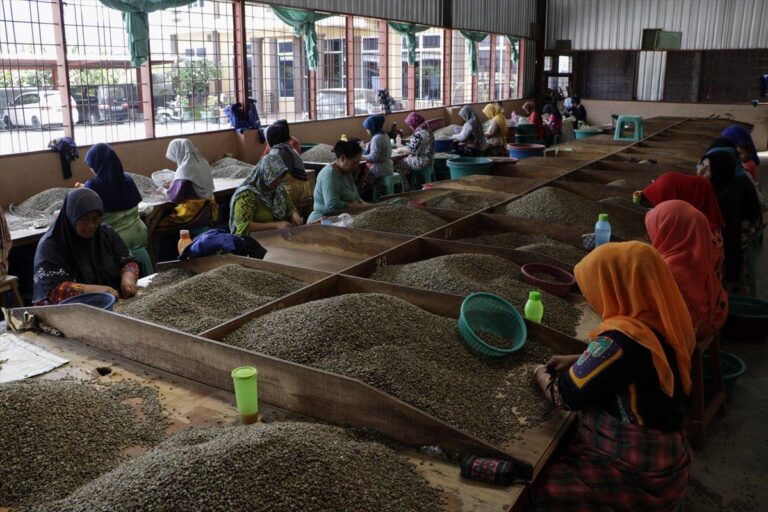
Samples can help buyers evaluate the coffee before considering larger commercial orders.
Quality Communication
Clear specifications reduce misunderstanding between supplier and buyer.
Packaging Coordination
Packaging can be discussed according to product, volume, transportation, and destination requirements.
Export Documentation
Relevant export documents can be coordinated according to the transaction and destination.
Logistics Coordination
Shipment options can be discussed according to volume, port, and commercial terms.
For company information or to discuss an upcoming coffee requirement, visit Coffeenesia – Coffee and Cascara from Gayo, Indonesia.
Questions to Ask Before Ordering Gayo Coffee
Before confirming an order with a Gayo coffee supplier, ask:
- What Gayo origins or producer areas are available?
- What processing methods are available?
- What is the harvest period?
- What are the green coffee specifications?
- Can you provide representative samples?
- What volume is currently available?
- What is the MOQ?
- What packaging options are offered?
- What export documents can be provided?
- What is the estimated lead time?
- Which Incoterms are available?
- Can the supplier support recurring purchases?
These questions make commercial discussions more efficient and help both parties clarify expectations early.
FAQ About Gayo Coffee Supplier
What is a Gayo coffee supplier?
A Gayo coffee supplier sources and supplies coffee produced in the Gayo Highlands of Aceh. Depending on the business, suppliers may work with farmers, cooperatives, processors, exporters, and international buyers.
Where does Gayo coffee come from?
Gayo coffee originates from the Gayo Highlands in Aceh, Indonesia.
Is Gayo coffee Arabica?
The Gayo Highlands are strongly associated with Arabica coffee production, although buyers should always confirm the exact species and specifications of the coffee being offered.
What processing methods are available for Gayo coffee?
Depending on producer and supplier capability, Gayo coffee may be available as washed, natural, honey, wet-hulled, or other processing variations.
Should buyers request samples before ordering?
Yes. Representative samples help international buyers evaluate physical quality, roasting performance, and sensory characteristics before purchasing larger quantities.
What should I check before buying Gayo coffee?
Evaluate origin, processing, moisture, defects, physical appearance, cup characteristics, samples, packaging, available volume, supplier communication, and export capability.
Is Gayo coffee suitable for specialty coffee?
Selected Gayo lots can be suitable for specialty markets. However, buyers should evaluate each lot based on actual quality and value characteristics rather than assuming specialty status from origin alone.
Can Coffeenesia export Gayo coffee?
Coffeenesia works with Indonesian coffee and supports international buyers seeking Gayo coffee and related products, subject to product availability and commercial requirements.
Start Sourcing Premium Gayo Coffee from Indonesia
Finding the right Gayo coffee supplier requires more than searching for the lowest quotation.
Start by defining your target product. Determine the desired origin, processing method, cup characteristics, quality specifications, volume, packaging, and destination.
Next, request representative samples and compare potential suppliers based on coffee quality, transparency, communication, export capability, and consistency.
Finally, clarify packaging, documentation, shipping terms, payment conditions, and expected delivery timelines before confirming a commercial purchase.
Gayo coffee provides international buyers with access to one of Indonesia’s recognized Arabica-producing regions. With the right supplier and clear purchasing specifications, buyers can develop specialty, commercial, café, distribution, and retail coffee programs based on coffee from Aceh.
If you are looking for a reliable Gayo coffee supplier, Coffeenesia is ready to discuss your sourcing requirements.
Visit Coffeenesia – Coffee and Cascara from Gayo, Indonesia to explore available opportunities and discuss your preferred origin, process, specifications, volume, packaging, and destination.