

Gayo Coffee stands as one of Indonesia’s most respected Arabica origins, delivering a layered sensory experience shaped by the highlands of Aceh. From fertile volcanic soil to careful post harvest handling, every step contributes to a refined balance that attracts specialty roasters and global buyers alike. People often associate complexity with high end coffee, and this origin consistently proves why. It is not only about taste, but also about heritage, sustainability, and the hidden value inside each coffee cherry, including cascara.
Understanding the Origin and Terroir of Aceh Arabica
Aceh’s highland environment creates ideal growing conditions for Arabica beans, where altitude, humidity, and soil composition interact in a natural rhythm. Farmers cultivate coffee between 1,200 and 1,700 meters above sea level, allowing cherries to mature slowly and develop deeper sugar content. This slower growth cycle leads to more defined flavor structures and a heavier body compared to many other regions. Within this ecosystem, Gayo Coffee emerges as a representation of balance between nature and human cultivation.
Local farmers rely on inherited knowledge to maintain consistency across harvests. They select only ripe cherries, ensuring that each batch begins with uniform raw material. This careful selection process influences the final cup, where subtle notes unfold gradually rather than appearing all at once. Drinkers often notice earthy undertones followed by hints of cocoa and soft spices.
The surrounding biodiversity also supports quality. Shade trees regulate sunlight exposure, while natural ecosystems enrich soil nutrients. These conditions encourage sustainable farming practices without heavy reliance on synthetic inputs. As a result, the coffee maintains both environmental integrity and a distinctive profile that reflects its origin. Over time, global markets have recognized this consistency, placing Aceh among the most reliable Arabica producers in Southeast Asia.
How Processing Techniques Shape Flavor Complexity

Post harvest handling plays a defining role in shaping the final taste of Aceh Arabica. Farmers apply traditional methods that emphasize both efficiency and quality. One of the most influential techniques involves wet hulling, a process that removes the parchment layer while beans still contain higher moisture levels. This approach creates a fuller body and reduces sharp acidity, resulting in a smoother drinking experience.
Producers start by depulping freshly harvested cherries, then allow fermentation to break down remaining mucilage. After washing, they partially dry the beans before removing the parchment layer. This sequence requires precision, as timing directly affects texture and flavor development. Within this process, Gayo Coffee develops its recognizable profile, marked by depth and a rounded mouthfeel.
Sorting and grading further refine quality. Workers separate beans based on size and density, removing defects that could disrupt consistency. This attention to detail ensures that exported products meet international standards. Buyers often prioritize origins that maintain stable quality, and this region continues to deliver that reliability.
Farmers also adapt to evolving market expectations by improving traceability. They document each stage of production, offering transparency to buyers who value ethical sourcing. This combination of tradition and adaptation strengthens the position of Aceh Arabica in the global coffee landscape.
Exploring the Depth Behind Multi Layered Flavor Notes
Flavor complexity defines the experience of drinking high quality Arabica, and this origin consistently delivers a multi layered profile. Instead of presenting a single dominant note, the coffee reveals different characteristics at each stage of tasting. The first sip often introduces earthy tones, followed by chocolate richness and subtle herbal hints. As the cup cools, additional nuances emerge, including mild fruitiness and a clean finish.
This evolving profile results from the interaction between terroir and processing methods. Soil composition influences mineral content, while altitude shapes acidity levels. Meanwhile, fermentation and drying techniques refine texture and aroma. Together, these elements create a dynamic tasting experience that keeps drinkers engaged.
Roasting also plays a critical role. Light roasts highlight floral and fruity aspects, while medium roasts emphasize balance and sweetness. Darker profiles bring out deeper chocolate and spice notes. This adaptability allows roasters to tailor the beans to different markets without losing their core identity.
For professionals in the coffee industry, such versatility increases value. Cafes, roasteries, and distributors can position the product across various segments, from specialty offerings to everyday blends. The ability to maintain complexity while remaining approachable strengthens its appeal among both enthusiasts and casual drinkers.
Cascara Sweet Tea as a Valuable Gayo Coffee Byproduct
The coffee cherry contains more than just beans. Its outer skin, known as cascara, offers a unique opportunity to expand the value of coffee production. Instead of discarding this layer, producers dry and process it into a beverage ingredient. Cascara sweet tea has gained attention for its naturally fruity flavor and refreshing character.
When brewed, cascara produces a drink that resembles herbal tea with notes of dried berries and honey. It contains less caffeine than traditional coffee, making it suitable for those seeking a lighter alternative. This characteristic broadens its appeal across different consumer groups, including individuals who prefer milder stimulation.
From a nutritional perspective, cascara provides antioxidants and polyphenols that support overall wellness. These compounds help reduce oxidative stress and contribute to a balanced lifestyle. While it does not replace a complete diet, it complements modern preferences for functional beverages.
Innovation continues to expand its applications. Producers incorporate cascara into syrups, ready to drink beverages, and even fermented drinks like kombucha. This flexibility increases its commercial potential while reducing waste. By utilizing every part of the coffee cherry, farmers create a more sustainable production system that benefits both the environment and the economy.
Health and Functional Benefits of Coffee Compounds
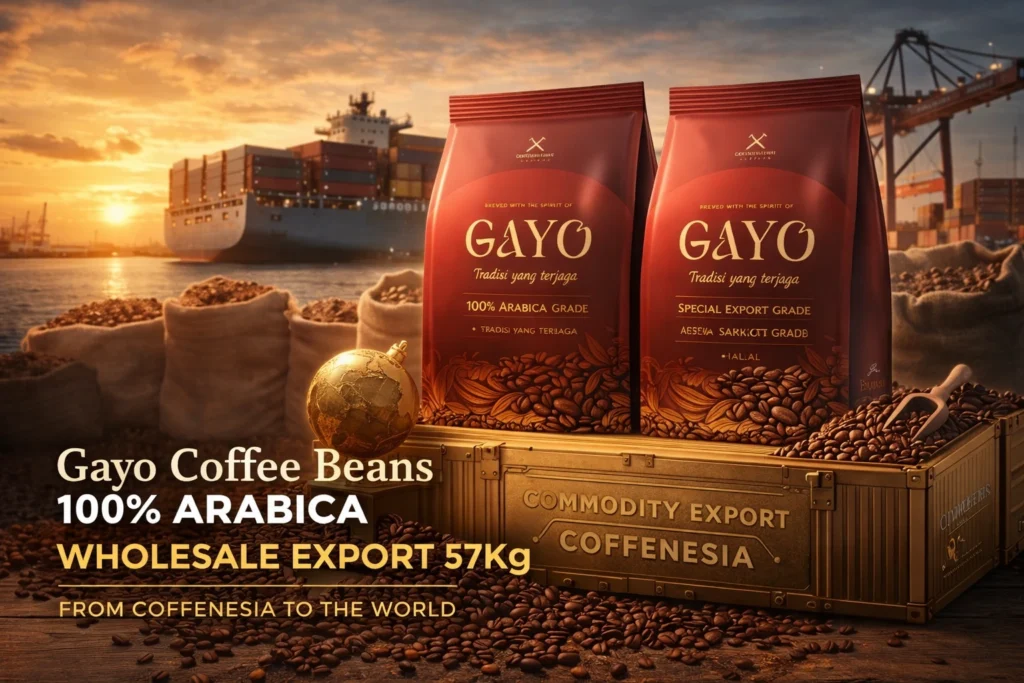
Coffee contains natural compounds that contribute to both flavor and function. Chlorogenic acids act as antioxidants, supporting cellular health and helping the body manage oxidative stress. Regular but moderate consumption may enhance mental alertness, allowing individuals to stay focused during daily activities.
Low acidity plays a key role in drinkability. Many people experience discomfort with highly acidic coffee, but this origin offers a smoother alternative. Its balanced profile reduces the likelihood of irritation, making it accessible to a wider audience. Within this context, Gayo Coffee provides a comfortable yet stimulating experience.
Caffeine contributes to increased energy and concentration, but responsible consumption remains important. Excess intake can lead to restlessness or disrupted sleep patterns. Maintaining balance ensures that drinkers enjoy the benefits without negative effects.
Cascara complements these benefits with a lighter caffeine level and additional antioxidants. Together, these products demonstrate the versatility of the coffee plant. They support both traditional consumption and modern wellness trends, aligning with evolving consumer preferences in global markets.
Brewing Techniques That Highlight Unique Characteristics
Different brewing methods reveal different aspects of coffee flavor. Pour over techniques emphasize clarity, allowing subtle notes to shine through. Espresso concentrates flavor, producing a rich and intense profile with a creamy texture. Cold brew, on the other hand, extracts sweetness while minimizing acidity, resulting in a smooth and refreshing drink.
Each method requires adjustments in grind size, water temperature, and extraction time. Mastering these variables allows users to unlock the full potential of the beans. Within these brewing styles, Gayo Coffee adapts well due to its balanced structure and depth.
Beyond beverages, coffee also enhances culinary creations. Chefs use it to add complexity to desserts, sauces, and marinades. Its versatility extends beyond the cup, making it a valuable ingredient in various industries.
Cascara further expands these possibilities. Beverage developers use it in sparkling drinks and functional teas, while culinary experts experiment with its fruity profile. This wide range of applications strengthens the overall value of coffee as a commodity.
Market Position and Growing Global Demand
Global demand for high quality Arabica continues to rise, driven by increasing consumer awareness and appreciation for specialty coffee. Buyers seek consistency, traceability, and unique flavor profiles. This origin meets these expectations by combining traditional practices with modern standards.
Exporters focus on maintaining quality throughout the supply chain. Proper storage, packaging, and logistics ensure that beans arrive in optimal condition. This reliability builds trust and encourages long term partnerships.
Brand identity also influences market success. Highlighting origin, sustainability, and product innovation helps differentiate offerings in a competitive landscape. Cascara products add another dimension, appealing to consumers interested in sustainable and functional beverages.
For international buyers, this combination of quality and versatility creates strong business opportunities. It supports diverse applications, from specialty cafes to large scale distribution, ensuring continued relevance in the evolving coffee industry.
Sustainable Farming Practices and Long Term Environmental Balance
Farmers in Aceh continue to refine their cultivation methods to preserve both quality and the surrounding ecosystem. They integrate traditional knowledge with modern sustainability principles, ensuring that coffee production remains viable for future generations. Shade grown systems dominate the landscape, where taller trees protect coffee plants from excessive sunlight and maintain soil moisture. This natural canopy also supports biodiversity, allowing birds and beneficial insects to thrive alongside the crops.
Soil management plays a central role in maintaining productivity. Farmers rely on organic matter such as compost and natural fertilizers to enrich the الأرض, avoiding heavy chemical inputs that could degrade long term fertility. This approach improves soil structure and encourages microbial activity, which in turn supports healthier plant growth. Within these practices, Gayo Coffee reflects a balance between ecological responsibility and consistent output.
Water usage also receives careful attention. Producers manage washing and processing stages to minimize waste and prevent contamination of local water sources. By controlling runoff and recycling water when possible, they reduce environmental impact without compromising quality. These efforts align with global expectations for sustainable sourcing.
Certification programs further strengthen credibility in international markets. Many producers pursue organic and fair trade certifications, providing assurance to buyers who prioritize ethical products. These credentials not only enhance market access but also improve the livelihoods of farming communities by promoting fair pricing structures.
As global awareness of environmental issues continues to grow, sustainable practices become more than a preference. They represent a necessity for long term success. By maintaining this commitment, Aceh’s coffee sector secures its position as a responsible and forward thinking contributor to the global coffee industry.
Expanding Product Innovation Beyond Traditional Gayo Coffee
Innovation continues to reshape how coffee reaches consumers, and producers actively explore new ways to diversify their offerings. Instead of focusing solely on green beans, they develop value added products that capture different segments of the market. This strategy increases resilience and opens new revenue streams.
Ready to drink beverages represent one of the fastest growing categories. Producers experiment with bottled coffee, cold brew concentrates, and cascara based drinks that appeal to modern lifestyles. These products provide convenience without sacrificing quality, making them attractive to younger consumers and urban markets. Within these developments, Gayo Coffee maintains its identity while adapting to changing preferences.
Processing innovation also plays a role. Controlled fermentation techniques introduce subtle variations in flavor, allowing producers to create differentiated profiles. By adjusting fermentation time and environmental conditions, they highlight specific characteristics such as fruitiness or sweetness. This level of control enables more precise targeting of niche markets.
Packaging design further enhances product appeal. Sustainable materials and visually engaging branding communicate both quality and environmental awareness. Clear labeling of origin and processing details helps consumers understand what they are purchasing, building trust and loyalty.
Collaboration between farmers, processors, and exporters strengthens this innovation cycle. Each participant contributes expertise, resulting in products that meet international standards while retaining local authenticity. This synergy ensures that coffee remains competitive in an increasingly dynamic global market.
Strengthening Global Trade Relationships and Buyer Confidence
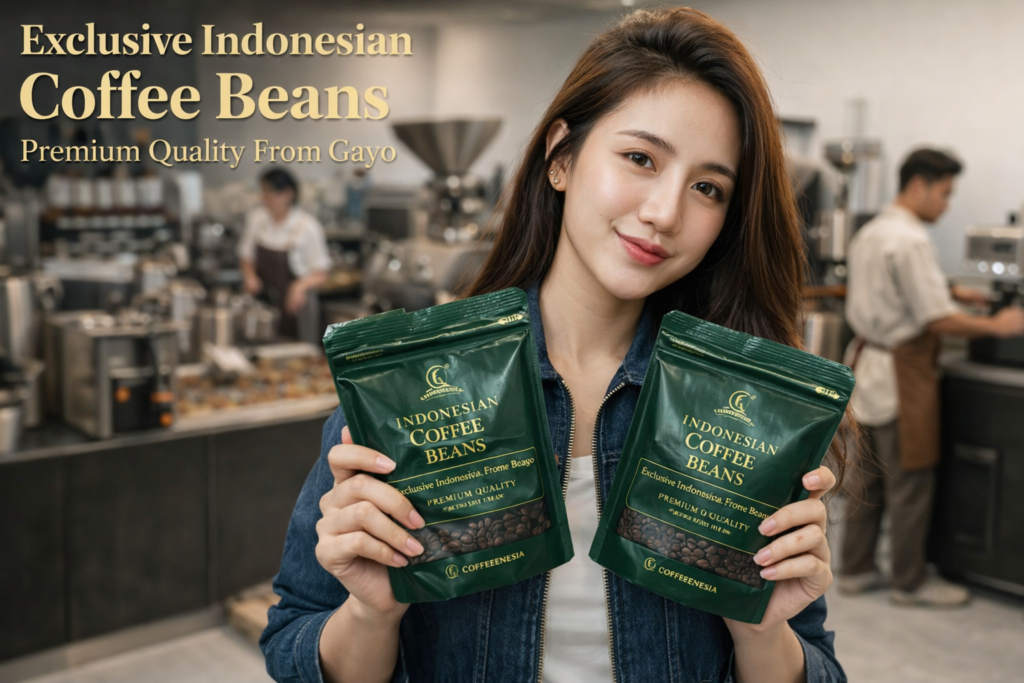
Building strong relationships with international buyers requires more than delivering a quality product. Producers must also demonstrate reliability, transparency, and responsiveness to market needs. Consistent communication helps align expectations and reduces uncertainty in transactions.
Traceability systems play a critical role in establishing trust. By documenting origin details, processing methods, and shipment conditions, exporters provide buyers with clear insights into the supply chain. This transparency allows businesses to verify quality and ensure compliance with their sourcing standards. In this context, Gayo Coffee becomes a dependable choice for long term partnerships.
Logistics management also influences buyer confidence. Proper handling during storage and transportation preserves bean integrity and prevents quality degradation. Exporters invest in improved infrastructure and packaging solutions to maintain optimal conditions throughout the journey.
Market trends continue to evolve, and producers adapt by staying informed about consumer preferences. They adjust processing techniques, product formats, and certification strategies to remain relevant. This flexibility strengthens their ability to meet diverse demands across different regions.
For buyers, reliability reduces operational risk and supports business growth. When suppliers consistently meet expectations, partnerships naturally expand. This mutual benefit creates a stable foundation for ongoing collaboration in the global coffee trade.
Preserving Cultural Heritage Through Gayo Coffee Traditions
Coffee cultivation in Aceh carries a cultural depth that extends far beyond agricultural practice. Communities in the highlands have built their daily lives around coffee farming, shaping traditions that reflect patience, discipline, and shared responsibility. Families pass down techniques from one generation to the next, ensuring that knowledge remains intact while gradually adapting to modern demands. Within this living tradition, Gayo Coffee represents not only a commodity but also a cultural identity rooted in the land.
Harvest periods often become communal activities where neighbors support each other to ensure timely picking of ripe cherries. This cooperation strengthens social bonds and maintains quality standards, as careful selection directly influences the final product. The rhythm of planting, harvesting, and processing forms a cycle that aligns closely with nature, reinforcing a deep respect for environmental balance.
Cultural practices also influence processing decisions. Farmers rely on sensory evaluation, using sight, touch, and experience to determine the readiness of cherries and beans. This intuitive approach complements technical methods, creating a blend of tradition and precision. As a result, the coffee maintains authenticity while meeting international expectations.
Global recognition has further encouraged communities to preserve these traditions. As demand grows, maintaining cultural integrity becomes a strategic advantage. Buyers increasingly value products with a clear story, and this heritage provides a compelling narrative that enhances market appeal without compromising authenticity.
Quality Control Standards That Ensure Consistency
Maintaining consistent quality requires a structured approach that begins at the farm level and continues through export. Producers implement strict selection criteria, ensuring that only fully ripe cherries enter the processing stage. This initial step reduces variability and establishes a strong foundation for uniform results.
After processing, workers conduct multiple rounds of sorting to remove defects. They separate beans based on size, density, and appearance, creating distinct grades that meet specific market requirements. This systematic approach ensures that each shipment aligns with buyer expectations. Within these processes, Gayo Coffee consistently demonstrates its ability to meet high standards across different batches.
Moisture control plays a critical role in preserving quality. Producers carefully monitor drying conditions to achieve optimal moisture levels, preventing issues such as mold or uneven roasting performance. Proper storage further protects the beans, maintaining their integrity until they reach international destinations.
Technology continues to support these efforts. Modern equipment enhances precision in sorting and measurement, while data tracking improves traceability. By combining traditional expertise with technological advancements, producers strengthen their ability to deliver reliable products.
Consistency not only satisfies current buyers but also attracts new partnerships. When quality remains stable over time, trust naturally develops, encouraging long term collaboration and expanding market reach.
Future Outlook and Evolving Market Trends
The global coffee industry continues to evolve as consumer preferences shift toward quality, sustainability, and innovation. Specialty coffee culture encourages deeper exploration of origin characteristics, creating opportunities for producers who can deliver distinctive profiles. Aceh’s highland coffee fits well within this movement due to its balanced flavor and strong identity.
Emerging trends highlight the importance of transparency. Consumers increasingly want to know where their coffee comes from and how it is produced. This demand drives improvements in traceability systems, allowing producers to share detailed information about their practices. In this landscape, Gayo Coffee benefits from its established reputation and ongoing commitment to transparency.
Sustainability also remains a central focus. Environmental concerns push the industry toward responsible farming and resource management. Producers who adopt eco friendly practices gain a competitive advantage, as buyers prioritize ethical sourcing. This shift reinforces the importance of maintaining biodiversity and reducing environmental impact.
Innovation in product development continues to expand possibilities. New processing techniques, alternative beverages, and creative applications keep coffee relevant in a dynamic market. Cascara based products, in particular, align with trends that emphasize sustainability and functional benefits.
Looking ahead, collaboration across the supply chain will play a key role in sustaining growth. Farmers, exporters, and buyers must work together to address challenges and seize opportunities. By maintaining quality, embracing innovation, and preserving cultural heritage, this origin remains well positioned for continued success in the global market.
Coffeenesia: Delivering Premium Gayo Coffee and Cascara to Global Buyers!

Coffeenesia stands as a trusted exporter of Indonesia’s finest coffee commodities, specializing in premium Gayo Arabica and high-quality cascara sourced directly from the Gayo Highlands of Aceh. Through our official platform, Coffeenesia.id, we provide importers, roasters, and cafés worldwide with consistent access to ethically sourced, farm-direct products crafted to meet international specialty standards. Every batch reflects the rich heritage, natural purity, and meticulous craftsmanship of the coffee-growing communities we work closely with.
At the heart of our offerings is Gayo Coffee, renowned for its smooth profile, low acidity, and captivating flavor notes. Buyers can choose from multiple processing types Washed, Honey, and Natural each highlighting unique characteristics shaped by Gayo’s fertile volcanic soil and high altitudes. Whether you require green beans for roasting, ready-to-brew roasted beans, or private-label packaging for your brand, Coffeenesia ensures uniform quality and reliable supply for wholesale needs.
Alongside our coffee beans, Coffeenesia also proudly exports Cascara from Gayo, a premium dried coffee cherry tea celebrated for its fruity aroma, natural sweetness, and high antioxidant content. Our cascara is sourced from carefully hand-selected cherries and processed using hygienic sun-drying techniques, making it suitable for specialty cafés, beverage manufacturers, and wellness-focused brands seeking a unique, trending product with strong market appeal.
Through our integrated sourcing and export system, Coffeenesia delivers more than just commodities—we provide transparent quality control, export-ready documentation, custom roasting consultation, and efficient international logistics. By choosing Coffeenesia, global buyers gain a dependable partner committed to authenticity, sustainability, and the true flavors of Indonesia’s highlands.
For coffee professionals seeking premium, traceable, and ethically produced products from Gayo, Coffeenesia is your gateway to the finest coffee and cascara Indonesia has to offer.
Let’s bring the rich taste of Gayo Highlands to coffee lovers around the world — together.
FAQ Gayo Coffee
- What certifications commonly apply to Gayo Coffee exports?
Gayo Coffee often carries organic and fair trade certifications, depending on the producer. These certifications assure buyers that farming avoids harmful chemicals and supports ethical labor practices. Always confirm documentation directly with suppliers before purchasing. - How long can Gayo Coffee beans maintain freshness after export?
When stored properly in airtight, cool, and dry conditions, green Gayo Coffee beans can maintain quality for up to 12 months. Roasted beans, however, should be used within a few weeks for optimal flavor. - Is Gayo Coffee suitable for espresso based beverages?
Yes, Gayo Coffee works well for espresso due to its full body and low acidity. It produces a smooth crema and balanced taste, making it ideal for lattes, cappuccinos, and other milk based drinks. - How does cascara from Gayo Coffee differ from regular tea?
Cascara from Gayo Coffee offers a naturally sweet, fruity profile with mild caffeine. Unlike traditional tea leaves, it comes from dried coffee cherry skin and delivers a lighter, refreshing beverage experience. - What packaging methods are used for Gayo Coffee exports?
Exporters typically use GrainPro or vacuum sealed bags inside jute sacks to protect Gayo Coffee beans. This packaging preserves moisture balance and prevents contamination during long distance shipping. - Can Gayo Coffee support private label or bulk supply needs?
Yes, many suppliers provide flexible options for private labeling and bulk orders. Gayo Coffee adapts well to different business models, allowing buyers to customize branding and distribution strategies.