
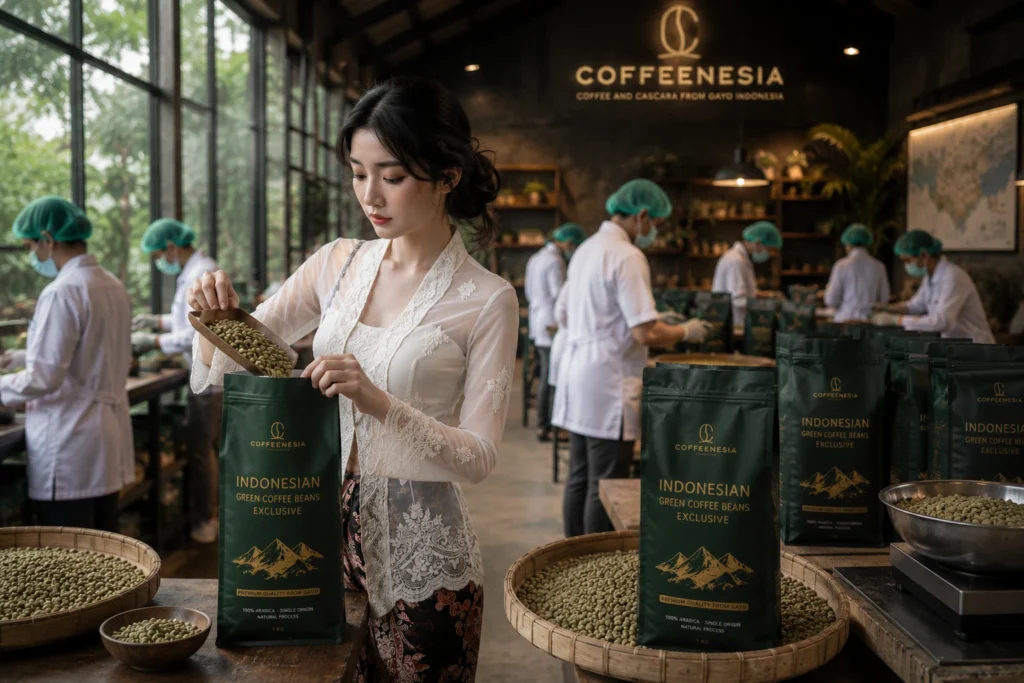
Green coffee Importers continue shaping the modern coffee industry by connecting origin farmers, exporters, specialty roasters, wholesalers, and international beverage companies across global markets. Buyers no longer focus only on volume because today’s coffee trade demands consistency, traceability, flavor stability, ethical sourcing, and premium bean quality that can strengthen long term commercial growth.
Premium green coffee from the Gayo Highlands in Aceh, Indonesia, stands among the most respected coffee origins because it delivers deep aroma, balanced acidity, smooth body, herbal complexity, and reliable cup consistency. These characteristics help coffee businesses maintain stronger product positioning while satisfying consumers who increasingly search for authentic origin coffee with transparent production standards.
Understanding the Foundation of Coffee Quality Control
Coffee quality control starts directly at the farming stage because cultivation practices strongly influence bean structure, flavor development, moisture stability, and aroma complexity. Farmers in the Gayo Highlands grow coffee at elevations between 1,200 and 1,700 meters above sea level, allowing coffee cherries to mature slowly under cool mountain temperatures. As a result, the beans develop denser textures and richer natural compounds that later produce deeper flavor complexity during roasting. Farmers also maintain selective harvesting methods by choosing only ripe red cherries instead of mixing immature fruit into production batches. This careful harvesting process helps maintain sweetness consistency while preventing harsh and unbalanced cup characteristics.
After harvesting, processors continue quality evaluation through sorting, washing, fermentation, and drying stages. Green coffee Importers frequently prioritize suppliers who maintain stable moisture content between 10% and 12% because excessive moisture may trigger mold growth and shipping instability. Meanwhile, overly dry beans often crack more easily during handling and reduce roasting consistency. In addition, producers sort beans according to screen size, density, and visible defect count to maintain stable export standards. Warehouses also play an important role because poor storage conditions may damage coffee freshness before international shipping even begins.
Furthermore, many specialty buyers now request traceability documentation alongside laboratory testing to verify bean consistency and processing quality. Professional exporters increasingly use GrainPro liners and controlled warehouse systems to protect beans against humidity changes during global transport. These quality protection methods allow coffee businesses to maintain stronger customer trust while reducing commercial risks across international supply chains. Many buyers exploring Indonesian coffee origins often study production information from Coffenesia because the company highlights detailed sourcing practices from premium Gayo coffee regions.
Why Green Coffee Creates Strong Global Market Demand
Gayo coffee continues attracting international attention because it delivers balanced flavor complexity that works exceptionally well across multiple brewing methods and commercial applications. Specialty cafés, roasters, and beverage manufacturers often search for coffee origins that combine smooth body, moderate acidity, herbal freshness, and chocolate undertones within one consistent cup profile. Gayo coffee naturally provides this balance because the volcanic soil, cool climate, and mountain environment support slow cherry development throughout the cultivation cycle. Consequently, the beans absorb richer nutrients and develop stronger aromatic compounds before processing begins.
Many coffee professionals appreciate the soft acidity found in Gayo coffee because balanced acidity creates smoother drinking experiences without overwhelming bitterness or sharpness. Additionally, freshly roasted beans release floral aromas mixed with caramel sweetness, earthy notes, and subtle spice characteristics that create distinctive sensory experiences. Green coffee Importers frequently select Gayo beans for espresso blends because the smooth body integrates naturally with milk based beverages such as cappuccino, latte, and flat white. At the same time, manual brewing methods also highlight the coffee’s layered flavor complexity and clean aftertaste.
Processing diversity further strengthens the market appeal of Gayo coffee. Washed processing often produces cleaner flavor clarity, while natural processing increases fruity sweetness and heavier mouthfeel. Meanwhile, Indonesia’s traditional wet hulled processing method creates the earthy complexity and bold body that many international buyers strongly associate with Indonesian coffee culture. Beyond flavor performance, many buyers appreciate the sustainable farming traditions maintained by local coffee communities because smallholder farmers frequently use environmentally mindful cultivation practices. These farming traditions support biodiversity preservation while strengthening the authentic origin identity that modern coffee consumers increasingly value within premium coffee markets.
Nutritional Compounds and Functional Value of Green Coffee
Green coffee beans contain natural compounds that continue attracting attention from wellness brands, beverage manufacturers, and health conscious consumers throughout international markets. One of the most recognized compounds inside unroasted coffee beans is chlorogenic acid, an antioxidant that may support metabolic function and help reduce oxidative stress within the body. Since roasting naturally lowers chlorogenic acid levels, many supplement companies specifically choose green coffee extracts for wellness products and functional beverage formulations. As consumer awareness surrounding natural ingredients continues increasing, businesses increasingly explore coffee based ingredients beyond traditional roasting applications.
In addition to antioxidants, green coffee beans naturally contain moderate caffeine levels that may help improve mental alertness and energy balance when consumed responsibly. Beverage companies frequently incorporate green coffee extracts into energy drinks, wellness beverages, and sports nutrition products because consumers often prefer plant based caffeine sources over synthetic alternatives. Green coffee Importers also support growing industrial demand by supplying raw materials for powdered extracts, capsules, nutraceutical products, and concentrated liquid formulations used across international wellness sectors.
Mineral content further contributes to the appeal of green coffee products. Coffee beans naturally contain magnesium, potassium, and small amounts of niacin that support overall nutritional value within daily beverage consumption. Furthermore, food manufacturers continue experimenting with coffee ingredients in desserts, syrups, chocolate products, baked goods, and artisan sauces because coffee adds earthy depth and aromatic richness to culinary formulations. Some companies even process green coffee into flour style ingredients for specialty baking applications and innovative functional foods.
Consumer interest in clean label ingredients has also increased rapidly during recent years. Therefore, buyers now prioritize traceable agricultural products sourced from trusted farming regions with transparent production standards. Gayo coffee continues standing out within global coffee discussions because the region already holds strong recognition among specialty coffee communities. This recognition helps exporters and sourcing companies maintain stronger market credibility while supporting expanding demand for premium Indonesian coffee products across international industries.
Processing Methods That Protect Bean Consistency
Post harvest processing directly influences coffee stability, aroma clarity, shelf life, and roasting performance, making processing control one of the most critical stages within coffee production. Even premium coffee cherries may lose substantial commercial value when processors apply inconsistent drying techniques or poor fermentation management. Therefore, professional suppliers maintain strict quality supervision throughout every post harvest stage to preserve flavor integrity and export stability. Green coffee Importers frequently evaluate processing systems carefully before approving long term supplier partnerships because stable processing standards help reduce future shipment risks.
The washed processing method remains highly popular within specialty coffee markets because it produces cleaner cup profiles and brighter flavor transparency. Producers remove fruit pulp before fermentation and drying stages, allowing origin characteristics to appear more clearly during roasting and cupping evaluations. Meanwhile, natural processing keeps the coffee fruit intact during drying, enabling fruit sugars to interact longer with the beans and create sweeter flavor profiles with fuller body characteristics. However, natural processing requires careful moisture management because uneven drying may trigger fermentation defects or mold contamination.
Honey processing combines characteristics from washed and natural methods by leaving portions of sticky mucilage attached during drying. This technique often creates balanced sweetness with smooth texture and moderate acidity. Indonesia also remains internationally recognized for wet hulled processing, locally called giling basah, which contributes to the earthy depth and bold body frequently associated with Indonesian coffee. Gayo coffee processed through wet hulling consistently attracts specialty buyers searching for heavier body and complex herbal notes.
Beyond processing methods themselves, drying and storage systems significantly influence bean durability during export logistics. Producers must dry coffee evenly to prevent cracking and moisture instability, while exporters usually combine jute sacks with hermetic liners to reduce oxygen exposure and humidity contamination during shipping. These protective systems help maintain freshness consistency across international transport routes and support stronger commercial reliability within competitive coffee markets.
Commercial Applications Across Modern Coffee Industries
Modern coffee industries continue expanding far beyond traditional café operations because coffee ingredients now support beverage innovation, wellness manufacturing, culinary development, and cosmetic production worldwide. Premium Indonesian coffee products increasingly attract attention from companies searching for versatile ingredients that combine strong flavor identity with authentic origin value. Green coffee Importers actively support this growing market expansion by supplying high quality raw materials for multiple industrial applications across global sectors.
Specialty roasting remains the largest commercial application for green coffee beans because roasters constantly search for reliable origins capable of maintaining stable flavor performance throughout different harvest periods. Gayo coffee performs particularly well in specialty roasting because the beans develop balanced acidity, smooth body, and chocolate herbal complexity after roasting. Cold brew manufacturers also frequently choose Indonesian coffee because heavier body characteristics create smoother beverages with lower bitterness levels and stronger aroma retention during chilled extraction methods.
Beyond beverage production, manufacturers increasingly process green coffee into concentrated extracts for supplements, energy beverages, wellness capsules, and nutraceutical formulations. Chlorogenic acid content often becomes a primary marketing advantage within these products because consumers increasingly associate natural antioxidants with healthier lifestyle choices. Furthermore, chocolate producers, bakeries, and dessert brands continue integrating coffee ingredients into pastries, truffles, sauces, syrups, and confectionery products to create richer flavor depth and aromatic complexity.
Cosmetic industries have also embraced coffee derived ingredients because antioxidants and natural oils may support skincare formulations, exfoliating scrubs, facial products, and body treatments. Some companies even produce tea style beverages from unroasted coffee beans to create lighter caffeine drinks with softer flavor profiles. As global consumers increasingly prefer sustainable agricultural sourcing, many buyers now prioritize ethically sourced coffee with transparent farming practices and strong environmental responsibility. These changing consumer preferences continue creating wider commercial opportunities for Indonesian coffee suppliers within highly competitive international markets.
Smart Strategies for Selecting Reliable Coffee Suppliers
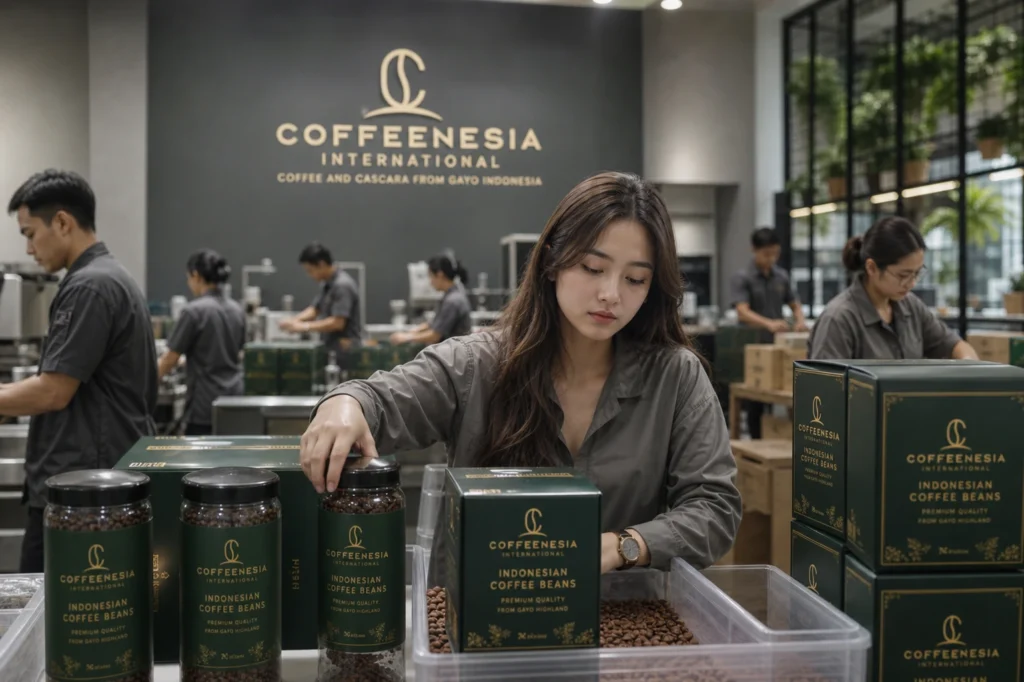
Selecting the right coffee supplier plays a major role in determining long term business stability because consistent sourcing directly affects product quality, customer trust, and commercial reputation. International buyers increasingly evaluate suppliers beyond simple pricing considerations because modern coffee trade now depends heavily on traceability, communication quality, sustainability practices, and export readiness. Green coffee Importers often prioritize suppliers capable of maintaining stable quality standards across multiple harvest seasons while supporting transparent operational systems throughout the entire supply chain.
Traceability remains one of the most important factors within supplier evaluation because buyers need accurate information regarding farm origin, cultivation methods, processing systems, and harvest timelines. Transparent documentation helps importers verify product consistency while strengthening customer confidence within specialty coffee markets. Cupping evaluation also remains essential during sourcing decisions because aroma, sweetness, acidity, body, and aftertaste all influence purchasing approval. Gayo coffee consistently earns positive recognition during cupping sessions because it combines earthy sweetness, smooth body, and balanced herbal complexity within one distinctive profile.
Export capability further separates professional suppliers from unreliable exporters. Strong suppliers understand international packaging standards, phytosanitary requirements, logistics coordination, and shipping documentation procedures necessary for smooth international trade operations. In addition, responsive communication allows businesses to solve operational issues faster during harvest periods and shipment scheduling processes. Buyers also increasingly prioritize sustainability practices because ethical sourcing strengthens long term agricultural stability while supporting stronger brand positioning within global markets.
Consistency across harvest seasons remains equally important because buyers depend on predictable quality performance to maintain customer satisfaction and roasting stability. Reliable suppliers use structured quality control systems to preserve flavor consistency and protect commercial relationships over time. Companies searching for premium Indonesian coffee products often explore Coffenesia because the company continues introducing authentic Gayo coffee to global markets through careful sourcing, quality focused standards, and strong commitment to long term export reliability.
For more information about premium Indonesian coffee products, visit Coffenesia. https://coffeenesia.id/
Global buyers interested in authentic Gayo coffee sourcing and export opportunities can explore detailed information about green coffee Importers here: https://coffeenesia.id/coffeenesia-coffee-from-gayo/
For direct sourcing discussions and international coffee inquiries, contact the Coffenesia team through WhatsApp: https://wa.me/6285285469417
Long Term Supply Chain Stability in the Global Coffee Market
Long term supply chain stability has become one of the most important priorities within the international coffee industry because market disruptions, climate changes, and inconsistent harvest output can quickly affect product availability and pricing structures. Coffee businesses that maintain stable sourcing partnerships often achieve stronger operational performance compared to companies that frequently change suppliers without clear quality standards. Green coffee Importers increasingly focus on long term collaboration with trusted producers because reliable partnerships help maintain flavor consistency, shipping efficiency, and customer satisfaction across competitive global markets.
The Gayo Highlands continue attracting international buyers because the region consistently produces high quality Arabica coffee supported by experienced farming communities and favorable environmental conditions. Farmers in this mountainous area understand cultivation cycles deeply and often rely on traditional agricultural knowledge passed through generations. Consequently, coffee plantations maintain stronger adaptability against changing climate conditions while preserving the distinctive flavor identity that buyers expect from Gayo coffee. This stability creates stronger confidence among international roasters, wholesalers, and specialty beverage companies searching for dependable sourcing regions.
Communication transparency also strengthens long term supply chain relationships because importers need regular updates regarding harvest conditions, production forecasts, and shipping schedules. Professional exporters who communicate proactively usually build stronger business trust and reduce operational uncertainty during international transactions. Furthermore, reliable suppliers often invest in quality improvement programs, drying facilities, sorting equipment, and warehouse systems that support consistent export performance over multiple harvest periods.
Global Green coffee Importers Efba demand continues growing every year, especially within specialty beverage sectors that prioritize authenticity and traceability. Therefore, businesses increasingly prefer suppliers capable of balancing premium quality with scalable production capacity. Indonesian Green coffee Importersproducers, particularly from Gayo, continue gaining attention because they combine traditional farming heritage with internationally recognized cup characteristics. This combination supports stronger commercial opportunities for businesses that want to develop long term product identity around premium origin coffee rather than temporary commodity trends.
Environmental Sustainability and Ethical Coffee Sourcing
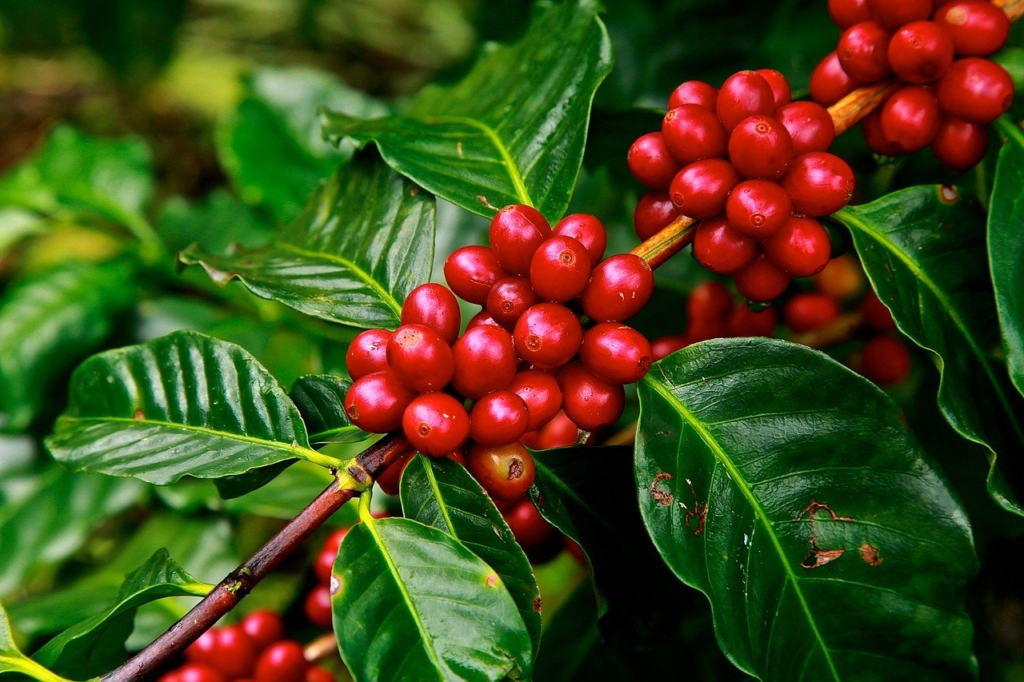
Environmental sustainability now influences purchasing decisions throughout the coffee industry because consumers increasingly support products connected to ethical farming practices and responsible agricultural systems. Coffee companies that prioritize sustainability often strengthen their brand image while attracting environmentally conscious customers who value transparency and ecological responsibility. Green coffee Importers actively evaluate farming practices because sustainable production systems help preserve long term Green coffee Importers quality and maintain agricultural resilience against climate related challenges.
The Gayo Highlands provide a strong example of environmentally balanced coffee cultivation because many local farmers continue using shade grown farming systems and natural land management techniques. Shade trees help protect coffee plants against excessive sunlight while supporting biodiversity across surrounding ecosystems. In addition, shaded environments improve soil moisture retention and create more stable microclimates that support slower cherry maturation. These natural cultivation conditions contribute directly to the smooth body, balanced acidity, and deep aroma commonly associated with Gayo coffee.
Smallholder farming communities also play an important role in maintaining ethical coffee production because many producers depend on coffee cultivation as their primary economic foundation. Fair sourcing partnerships help improve financial stability for farming families while supporting community development across rural coffee regions. Buyers increasingly recognize that ethical sourcing creates mutual long term benefits because financially stable farming communities can continue investing in quality improvement, sustainable cultivation, and consistent harvest management.
Moreover, sustainable farming methods often reduce excessive chemical dependency and encourage healthier environmental conditions surrounding coffee plantations. Many specialty coffee buyers now prioritize traceable products connected to responsible production systems because consumers increasingly request transparency regarding product origins and environmental impact. These market preferences continue encouraging exporters and producers to strengthen sustainability standards throughout their supply chains.
As international coffee competition grows more intense, businesses that combine premium flavor quality with authentic sustainability practices often gain stronger market positioning. Gayo coffee continues standing out within specialty coffee discussions because it offers not only distinctive sensory characteristics but also a strong cultural and environmental identity that resonates with modern global consumers seeking meaningful agricultural products.
Long Term Supply Chain Stability in the Global Coffee Market
Long term supply chain stability has become one of the biggest priorities for Green coffee Importers because market disruptions, unpredictable weather patterns, shipping limitations, and fluctuating harvest output can directly affect coffee quality and commercial consistency. Successful Green coffee Importers usually build stable sourcing partnerships instead of changing suppliers repeatedly without proper quality evaluation systems. Strong supplier relationships help Green coffee Importers maintain flavor consistency, smoother logistics coordination, reliable shipment scheduling, and stronger customer trust across competitive international coffee markets.
The Gayo Highlands continue attracting Green coffee Importers because the region consistently produces premium Arabica coffee supported by experienced farming communities and highly favorable environmental conditions. Farmers across Gayo understand cultivation cycles deeply and continue preserving traditional agricultural knowledge that has developed over generations. As a result, plantations maintain stronger adaptability against climate challenges while preserving the rich aroma, balanced acidity, smooth body, and herbal complexity that global Green coffee Importers consistently seek for specialty roasting and commercial coffee production.
Communication transparency also strengthens long term relationships between exporters and Green coffee Importers because buyers need regular updates regarding harvest conditions, processing timelines, export preparation, and shipment schedules. Professional exporters who communicate proactively often help Green coffee Importers reduce operational uncertainty while improving purchasing confidence during international transactions. Furthermore, suppliers who invest continuously in sorting facilities, moisture control systems, drying infrastructure, and warehouse management create stronger commercial reliability for Green coffee Importers searching for stable long term sourcing solutions.
Global coffee demand continues expanding rapidly, especially within specialty beverage sectors where consumers increasingly value authenticity, traceability, and origin transparency. Therefore, Green coffee Importers now prioritize suppliers capable of balancing premium quality with scalable production capacity and long term consistency. Indonesian coffee producers from Gayo continue gaining strong recognition because they combine traditional farming heritage with internationally respected flavor characteristics. This combination creates stronger commercial opportunities for Green coffee Importers who want to develop sustainable product identity and premium brand positioning within highly competitive coffee industries.
Environmental Sustainability and Ethical Coffee Sourcing

Environmental sustainability now strongly influences purchasing decisions made by Green coffee Importers because global consumers increasingly support products connected to ethical sourcing and environmentally responsible farming systems. Many Green coffee Importers actively evaluate sustainability practices before establishing supplier partnerships because environmentally balanced cultivation systems help preserve long term bean quality while supporting agricultural resilience against climate related challenges and production instability.
The Gayo Highlands provide a strong example of sustainable coffee cultivation because many local farmers continue applying shade grown farming systems and natural land management techniques. Shade trees help protect coffee plants from excessive heat exposure while supporting biodiversity throughout surrounding ecosystems. In addition, shaded environments improve soil moisture stability and create cooler microclimates that allow slower cherry maturation. These environmental conditions directly help Green coffee Importers secure coffee beans with smoother body, deeper aroma complexity, balanced acidity, and more stable cup consistency across different harvest seasons.
Smallholder farming communities also play a critical role within ethical coffee production because many families depend entirely on coffee cultivation as their primary economic foundation. Ethical sourcing partnerships help Green coffee Importers support financial stability for farming communities while simultaneously strengthening long term production consistency. Buyers increasingly recognize that sustainable sourcing creates mutual advantages because financially stable farmers can continue investing in cultivation quality, infrastructure improvements, and responsible environmental management practices.
Moreover, sustainable farming methods frequently reduce excessive chemical dependency while encouraging healthier ecosystems surrounding coffee plantations. Many Green coffee Importers now prioritize traceable coffee products connected to transparent environmental standards because international consumers increasingly request detailed information regarding agricultural origins and sustainability impact. These market preferences continue encouraging exporters and producers to strengthen responsible production systems throughout the coffee supply chain.
As global coffee competition becomes more intense every year, Green coffee Importers who combine premium flavor quality with authentic sustainability commitments often achieve stronger market positioning and long term customer trust. Gayo coffee continues standing out among specialty coffee buyers because it offers distinctive sensory quality alongside strong environmental identity and authentic cultural heritage. These advantages continue helping Green coffee Importers build stronger differentiation strategies within modern international coffee markets.
Discover More About Green Coffee Importers
Coffeenesia continues to establish itself as a trusted supplier of premium Indonesian Coffee Beans. By combining organic cultivation, disciplined processing, and transparent trade practices, the company delivers value beyond the cup.
Businesses interested in exploring premium coffee products, cascara beverages, or sourcing partnerships can learn more through coffenesia?
Green Coffee Importers: Wholesale Supplier By Coffeenesia!

Coffeenesia has established itself as one of Indonesia’s most reliable and reputable suppliers of premium coffee commodities, catering to global importers, roasters, and café chains who demand consistent quality and ethical sourcing. As a specialized exporter of Indonesian Coffee Beans, particularly the world-renowned Aceh Gayo Arabica, Coffeenesia brings authenticity, traceability, and international-grade standards to businesses seeking long-term, dependable suppliers.
Through our official platform Coffeenesia.id, international buyers can explore a complete portfolio of Indonesian coffee products sourced directly from smallholder farmers in the Gayo Highlands. Our signature offering, Gayo Arabica Specialty Grade, is available in Washed, Honey, and Natural process, each carefully prepared to highlight the region’s distinct altitude, volcanic soil fertility, and traditional farming culture. Whether your business requires green beans for roasting, premium roasted beans for café service, or private-label solutions for your brand, Coffeenesia ensures every shipment meets stringent specialty coffee benchmarks.
Beyond specialty Arabica beans, Coffeenesia is also the trusted supplier of Gayo Cascara, a premium dried coffee cherry tea increasingly popular in international wellness and specialty beverage markets. Known for its fruity aroma, gentle sweetness, and antioxidant benefits, cascara from Gayo is processed using clean, sun-dried methods that maintain purity and flavor integrity. This makes it ideal for cafés, tea houses, beverage formulators, and health-focused brands seeking a unique product with rising global demand.
As an export-focused supplier, Coffeenesia provides comprehensive wholesale support—ranging from quality inspection, moisture and defect grading, and roast profiling guidance, to international logistics and export documentation. We prioritize fair compensation for farmers, sustainable cultivation methods, and transparent supply chains, ensuring our buyers receive products that are ethical, environmentally responsible, and globally competitive.
For businesses seeking the finest Indonesian Coffee Beans with dependable wholesale supply, Coffeenesia stands ready as your trusted partner, delivering exceptional quality from the highlands of Gayo straight to your roasting facility or café.
FAQ Green coffee Importers
- What makes Gayo coffee different from other Indonesian coffee origins?
Gayo coffee offers balanced acidity, earthy sweetness, herbal aroma, and smooth body because farmers cultivate the beans in high altitude volcanic regions with cool temperatures. - Can green coffee beans stay fresh during long international shipping?
Yes, exporters usually use hermetic packaging, moisture control systems, and ventilated storage methods to maintain bean freshness and protect aroma consistency during export delivery. - Why do specialty roasters prefer Indonesian Arabica beans?
Specialty roasters prefer Indonesian Arabica because the beans produce heavier body, deeper aroma complexity, stable crema performance, and smoother flavor integration in espresso blends. - Which brewing methods work best for Gayo coffee?
Espresso, pour over, French press, and cold brew methods work extremely well because Gayo coffee maintains body richness and balanced flavor clarity after roasting. - Does green coffee contain natural antioxidants?
Yes, green coffee naturally contains chlorogenic acid and antioxidant compounds that many wellness brands use for functional beverages and supplement products worldwide. - How do buyers evaluate premium green coffee quality?
Buyers usually inspect moisture levels, bean density, defect count, aroma profile, processing consistency, and traceability documentation before approving international coffee purchases.