
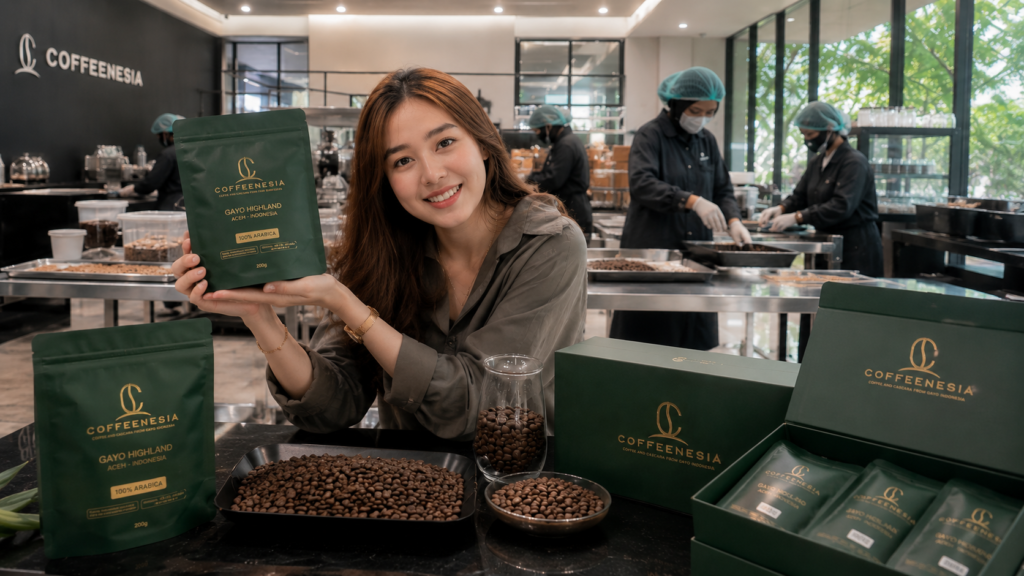
Indonesian Coffee Beans continue attracting international attention because Indonesia offers one of the most diverse coffee ecosystems in the world. Stretching across volcanic islands positioned directly on the equator, the country produces coffee with distinctive aroma depth, layered sweetness, balanced acidity, and bold body character. Among Indonesia’s premium coffee regions, Gayo Highlands stand out for consistently delivering high quality Arabica coffee and innovative coffee-derived products with remarkable flavor identity.
One of the most interesting developments from this region is Cascara Sweet Tea, a beverage made from dried coffee cherry skins that combines fruity sweetness, floral fragrance, and refreshing tea-like clarity in one cup. The popularity of cascara continues increasing because modern consumers actively search for natural beverages connected to sustainability, wellness, and authentic agricultural heritage. Gayo producers carefully process coffee cherries to preserve natural sugars, aroma compounds, and clean flavor structure, creating a specialty product suitable for cafés, beverage brands, hospitality businesses, and global buyers seeking unique Indonesian commodities with strong commercial potential.
Deep Equatorial Climate Creates Distinctive Aroma Layers
The tropical environment surrounding Indonesia shapes coffee cultivation in a way that few producing countries can replicate. Consistent sunlight, fertile volcanic minerals, cool mountain air, and balanced rainfall create ideal growing conditions that support slow cherry maturation and stronger flavor concentration. Coffee farms located in the Gayo Highlands benefit from high altitude ecosystems that encourage beans and coffee cherries to develop more complex sweetness and aromatic depth throughout the harvesting season. These environmental conditions also strengthen the overall quality of cascara products because the fruit itself carries richer sugar content and more expressive fragrance.
Farmers in the region usually harvest ripe red cherries manually to maintain quality consistency across every production cycle. Careful harvesting techniques help producers preserve the fruit character needed for premium cascara processing. After separating the beans from the outer fruit skin, producers clean and dry the cherry layers under controlled sunlight exposure. This process protects sweetness while reducing unwanted fermentation that could damage flavor clarity. As drying continues, the coffee cherry skin develops fragrant notes resembling raisin, hibiscus, tamarind, brown sugar, and dried tropical fruit.
Specialty beverage markets increasingly appreciate products connected to traceable origins and environmentally responsible cultivation. Indonesian Coffee Beans support that demand because producers continue improving farming practices that respect long term sustainability while maintaining authentic regional character. Cascara Sweet Tea reflects this agricultural philosophy perfectly since producers transform coffee fruit layers that previously carried limited economic value into premium specialty beverages with growing international demand and broader culinary applications across modern beverage industries.
Indonesian Coffee Beans Inspire Rich Flavor Development Naturally
Across the Indonesian archipelago, coffee cultivation continues evolving alongside growing international appreciation for specialty agricultural products with authentic origin identity. The Gayo Highlands represent one of the strongest examples of how traditional farming knowledge and favorable geography work together to create remarkable flavor experiences. Cooler nighttime temperatures slow down cherry development naturally, allowing sugars and aromatic compounds to mature more evenly inside the fruit. This gradual process strengthens sweetness, improves body texture, and creates cleaner flavor transitions that many specialty buyers actively seek for premium beverage products and café applications.
Careful post harvest handling also influences the final flavor profile significantly. Producers sort coffee cherries based on ripeness before separating the fruit skin from the beans. Clean drying surfaces, balanced airflow, and consistent moisture control help preserve the fruit’s natural characteristics without introducing excessive fermentation notes. Once drying finishes, the cascara develops a pleasant fragrance that combines floral softness with tropical fruit intensity. Many consumers describe the brewed beverage as smooth, refreshing, mildly sweet, and naturally layered without requiring artificial flavor enhancement or heavy sweeteners during preparation.
The beverage industry increasingly values ingredients that combine versatility, sustainability, and strong storytelling potential. Indonesian Coffee Beans continue supporting that trend because products derived from coffee cherries now extend beyond traditional roasted coffee markets alone. Cascara Sweet Tea works exceptionally well as hot tea, cold brew infusion, sparkling beverage base, fruit concentrate, café signature drink ingredient, and even dessert syrup component for modern culinary businesses. This flexibility gives specialty cafés and beverage developers more creative opportunities while introducing consumers to a deeper understanding of Indonesia’s evolving coffee culture and agricultural innovation.
Mountain Soil Conditions Support Balanced Sweetness Character
Volcanic soil plays an important role in shaping the flavor identity associated with coffee grown throughout Indonesia’s highland regions. Rich mineral content strengthens plant nutrition naturally while improving water retention and supporting healthier cherry formation during cultivation cycles. Farms located within Gayo’s mountainous environment benefit from generations of organic material accumulation that continues enriching the soil structure over time. These natural conditions contribute directly to the sweetness, aroma depth, and clean finish found in both premium coffee beans and high quality cascara products exported from the region.
Local farmers maintain cultivation methods that prioritize plant health and long term productivity instead of relying entirely on aggressive industrial farming systems. Many producers still manage coffee trees beneath protective shade canopies that help stabilize temperatures and reduce environmental stress during dry periods. This slower and more balanced cultivation style encourages cherries to mature with stronger sugar density and fuller fruit character. As a result, Cascara Sweet Tea often delivers flavor notes resembling honey, dried berries, citrus peel, caramel, and soft herbal undertones that remain pleasant even without added sugar.
Global beverage consumers now prefer products that feel natural, transparent, and closely connected to real agricultural communities. Indonesian Coffee Beans remain highly competitive in international specialty markets because producers continue combining traditional cultivation values with modern quality control systems. Cascara products from Gayo especially attract buyers searching for sustainable ingredients that offer commercial flexibility and distinctive flavor complexity. The tea works effectively for wellness beverage concepts, specialty retail products, ready to drink innovations, and premium café menus that emphasize authentic sourcing stories alongside refined tropical flavor experiences rooted deeply within Indonesia’s equatorial coffee landscape.
Grading Systems and Quality Classification
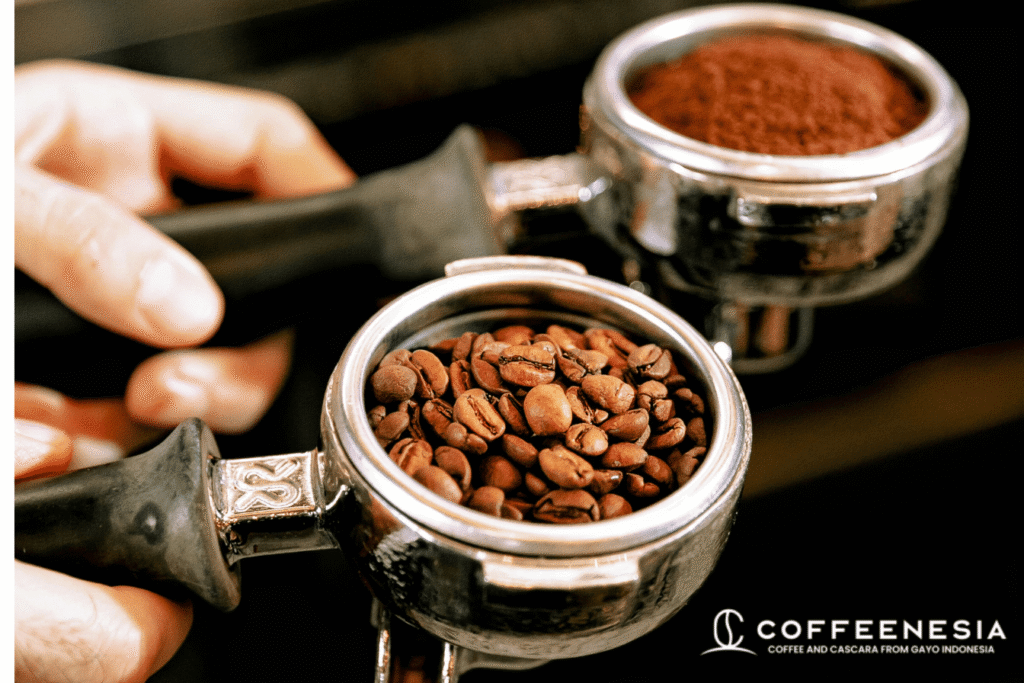
Grading plays a vital role in defining the value and usability of coffee in global markets. Indonesian producers apply structured classification systems that evaluate beans based on size, density, and defect count. These criteria help determine quality levels and ensure consistency across shipments. Indonesian Coffee Beans often undergo multiple sorting stages, where workers remove imperfections and separate beans according to specific standards. This process enhances uniformity and improves roasting outcomes.
In Gayo, grading systems follow strict guidelines that align with international expectations. Beans are categorized into different grades, such as Grade 1 for premium quality with minimal defects. This classification helps buyers select products that match their requirements, whether for specialty coffee or large-scale blending. Consistent grading also simplifies communication between exporters and importers, reducing misunderstandings and improving efficiency in transactions involving Indonesian Coffee Beans.
Technology continues to improve grading accuracy. Modern facilities use machines to assist in sorting and quality control, while still relying on human expertise for final inspection. This combination ensures precision without losing the traditional touch that defines Indonesian coffee production. As a result, buyers receive products that meet both technical standards and sensory expectations.
By maintaining clear grading systems, Indonesia strengthens its reputation as a reliable coffee supplier. These standards not only protect quality but also create transparency in the market. For businesses, this clarity supports better decision-making and long-term partnerships built on trust and consistency.
Role in Specialty Coffee Industry
The specialty coffee industry values uniqueness, traceability, and high-quality flavor profiles, all of which Indonesia consistently delivers. Coffee professionals seek beans that offer distinct sensory experiences, and Indonesian Coffee Beans meet this demand through their diverse origins and processing methods. Gayo coffee, for example, stands out for its balance, smooth body, and layered flavor, making it a preferred choice for specialty roasters.
Baristas and roasters often highlight single-origin Indonesian coffee to showcase its natural characteristics. This approach allows consumers to explore specific flavor notes that reflect the region where the coffee was grown. In addition, cupping sessions frequently feature Indonesian Coffee Beans because they demonstrate complexity and depth that align with specialty standards. These qualities strengthen Indonesia’s presence in high-end coffee markets.
The industry also emphasizes sustainability and ethical sourcing, areas where Indonesian producers continue to improve. Many farms adopt environmentally friendly practices and participate in certification programs that verify responsible production. This commitment enhances the appeal of Indonesian Coffee Beans among conscious consumers who value transparency and sustainability.
Innovation further drives growth in this sector. Roasters experiment with different roasting profiles to unlock new dimensions of flavor, while cafes introduce creative brewing methods to enhance the customer experience. Indonesian coffee adapts well to these innovations, maintaining its identity while supporting new trends.
As the specialty market expands, Indonesia remains a key contributor due to its ability to combine tradition, quality, and adaptability. This combination ensures that Indonesian Coffee Beans continue to attract attention from professionals and enthusiasts around the world.
Investment Opportunities for Global Buyers
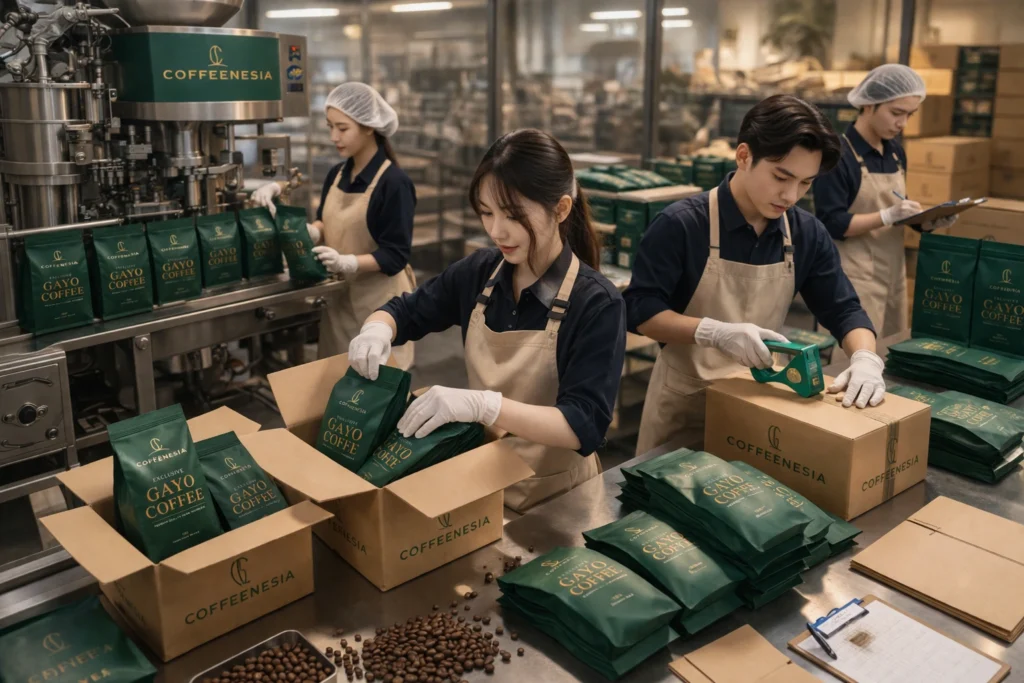
Indonesia offers significant opportunities for investors and buyers who want to secure high-quality coffee supply. The country’s diverse production regions provide a wide range of flavor profiles, allowing businesses to build unique product portfolios. Indonesian Coffee Beans serve as a strong foundation for brands that aim to differentiate themselves in competitive markets.
Partnerships with local cooperatives create direct access to premium coffee while supporting sustainable development. Buyers can collaborate with farmers to ensure consistent quality and establish long-term supply agreements. This approach reduces dependency on intermediaries and improves traceability, which has become increasingly important in global trade involving Indonesian Coffee Beans.
Market demand continues to grow, driven by rising coffee consumption worldwide. Emerging markets and specialty segments offer new opportunities for expansion. Businesses that invest in Indonesian coffee can benefit from this trend by positioning their products as authentic and high-quality. Gayo coffee, in particular, provides a strong entry point due to its established reputation and consistent performance.
Risk management also plays a role in investment decisions. Indonesia’s large production capacity and diverse growing regions help mitigate supply disruptions caused by climate or market fluctuations. This stability makes Indonesian Coffee Beans a reliable option for long-term sourcing strategies.
In addition, digital platforms and improved logistics simplify the purchasing process. Buyers can connect directly with suppliers, access detailed product information, and manage transactions efficiently. These advancements enhance accessibility and encourage more businesses to explore opportunities within Indonesia’s coffee industry.
Cultural Heritage and Global Recognition
Coffee in Indonesia represents more than a commodity; it reflects a deep cultural heritage shaped by generations of farmers. Traditional knowledge guides cultivation and processing methods, ensuring that each batch of coffee carries a story rooted in local communities. Indonesian Coffee Beans embody this heritage, offering a product that combines history, craftsmanship, and natural richness.
In regions like Gayo, coffee farming has become an integral part of daily life. Families pass down techniques from one generation to the next, preserving practices that define the identity of their coffee. This continuity strengthens the authenticity of Indonesian Coffee Beans and adds value in global markets where consumers appreciate origin stories.
International recognition continues to grow as Indonesian coffee gains visibility in competitions and exhibitions. Specialty coffee events often highlight its unique characteristics, attracting attention from buyers and enthusiasts. This exposure helps expand market reach and reinforces Indonesia’s position as a leading coffee producer.
Cultural significance also influences branding. Companies that incorporate storytelling into their marketing create a stronger emotional connection with consumers. Indonesian Coffee Beans provide a rich narrative that supports this approach, from highland farms to traditional processing methods.
As global appreciation increases, Indonesia continues to balance tradition with innovation. This approach ensures that its coffee remains relevant while preserving the values that define its heritage. For buyers and consumers alike, Indonesian coffee offers an experience that goes beyond taste, connecting them to a culture built on dedication and expertise.
Discover More About Coffee Beans and Coffeenesia
Coffeenesia continues to establish itself as a trusted supplier of premium Indonesian Coffee Beans. By combining organic cultivation, disciplined processing, and transparent trade practices, the company delivers value beyond the cup.
Businesses interested in exploring premium coffee products, cascara beverages, or sourcing partnerships can learn more through coffenesia?
Indonesian Coffee Beans 01 Wholesale Supplier By Coffeenesia!

Coffeenesia has established itself as one of Indonesia’s most reliable and reputable suppliers of premium coffee commodities, catering to global importers, roasters, and café chains who demand consistent quality and ethical sourcing. As a specialized exporter of Indonesian Coffee Beans, particularly the world-renowned Aceh Gayo Arabica, Coffeenesia brings authenticity, traceability, and international-grade standards to businesses seeking long-term, dependable suppliers.
Through our official platform Coffeenesia.id, international buyers can explore a complete portfolio of Indonesian coffee products sourced directly from smallholder farmers in the Gayo Highlands. Our signature offering, Gayo Arabica Specialty Grade, is available in Washed, Honey, and Natural process, each carefully prepared to highlight the region’s distinct altitude, volcanic soil fertility, and traditional farming culture. Whether your business requires green beans for roasting, premium roasted beans for café service, or private-label solutions for your brand, Coffeenesia ensures every shipment meets stringent specialty coffee benchmarks.
Beyond specialty Arabica beans, Coffeenesia is also the trusted supplier of Gayo Cascara, a premium dried coffee cherry tea increasingly popular in international wellness and specialty beverage markets. Known for its fruity aroma, gentle sweetness, and antioxidant benefits, cascara from Gayo is processed using clean, sun-dried methods that maintain purity and flavor integrity. This makes it ideal for cafés, tea houses, beverage formulators, and health-focused brands seeking a unique product with rising global demand.
As an export-focused supplier, Coffeenesia provides comprehensive wholesale support—ranging from quality inspection, moisture and defect grading, and roast profiling guidance, to international logistics and export documentation. We prioritize fair compensation for farmers, sustainable cultivation methods, and transparent supply chains, ensuring our buyers receive products that are ethical, environmentally responsible, and globally competitive.
For businesses seeking the finest Indonesian Coffee Beans with dependable wholesale supply, Coffeenesia stands ready as your trusted partner, delivering exceptional quality from the highlands of Gayo straight to your roasting facility or café.
FAQ Indonesian Coffee Beans
- Can Indonesian Coffee Beans grow outside volcanic regions?
Yes, coffee can grow elsewhere, but volcanic highlands usually produce deeper aroma complexity, richer sweetness, and stronger body because mineral rich soil supports healthier cherry development naturally. - Why does Gayo cascara taste sweeter than regular herbal tea?
Gayo cascara contains natural fruit sugars from ripe coffee cherries. Careful drying preserves sweetness and creates fruity notes without requiring artificial flavor additives during brewing preparation. - How long can cascara remain fresh after packaging?
Properly sealed cascara stored in cool, dry conditions can maintain flavor quality and aroma freshness for many months without significant taste deterioration. - Does cascara contain less caffeine than brewed coffee?
Yes, cascara generally contains lower caffeine levels, creating a smoother and lighter energy effect compared with traditional black coffee beverages. - Which brewing temperature works best for cascara tea?
Most specialty brewers recommend water between 88 and 94 degrees Celsius to preserve sweetness, aroma clarity, and balanced fruit character. - Why do global buyers prefer Indonesian Coffee Beans products?
Buyers value Indonesia’s strong origin identity, sustainable farming culture, distinctive tropical flavor complexity, and versatile specialty beverage applications.