
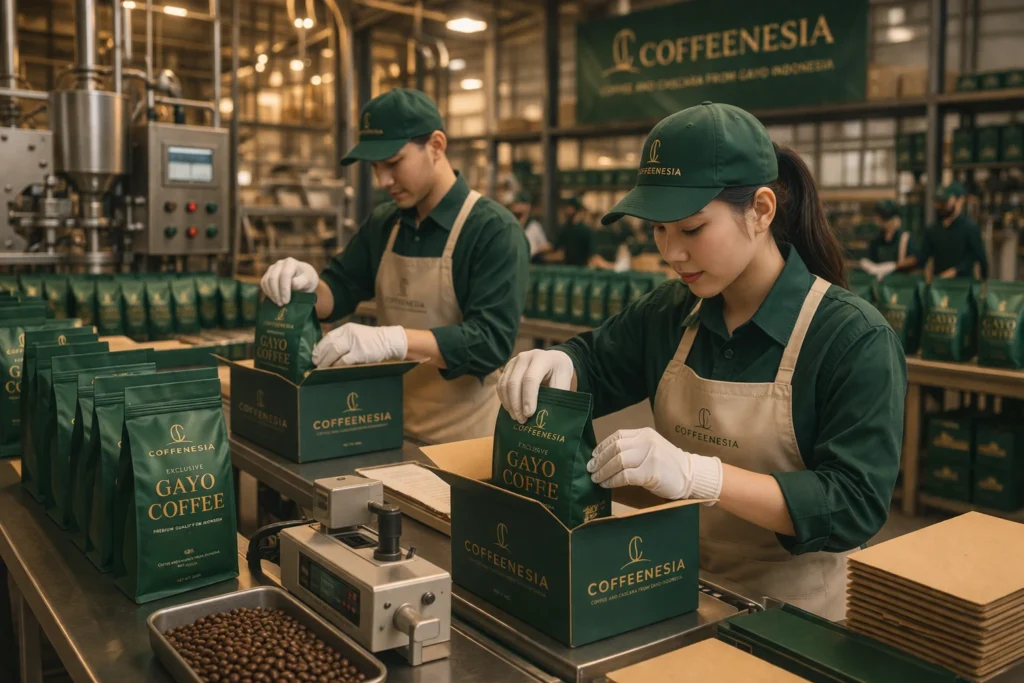
Indonesian Coffee Beans represent one of the richest and most diverse coffee profiles in the world, shaped by unique geography, volcanic soil, and generations of traditional farming. Across thousands of islands, farmers cultivate coffee in environments that naturally encourage complexity and depth. From Sumatra to Sulawesi and Java, each region contributes a distinct identity that strengthens the global reputation of Indonesian coffee. Among these origins, Gayo coffee stands out as a refined and highly consistent product that continues to attract international buyers. This article explores its origins, flavor characteristics, nutritional value, processing techniques, and market potential in a structured and engaging way.
Regional Diversity Shapes Indonesian Coffee Beans Identity
Indonesia stretches across a vast archipelago where climate, altitude, and soil conditions vary significantly from one island to another. Farmers take advantage of these differences to produce coffee with unique characteristics. In Sumatra, particularly in the Gayo Highlands, cooler temperatures and fertile volcanic soil allow beans to mature slowly, resulting in deeper flavors and stronger aroma. Meanwhile, Java produces cleaner and smoother profiles, while Sulawesi introduces herbal and spicy nuances that enrich the diversity of Indonesian Coffee Beans in global markets.
Farmers actively manage their crops using traditional methods that emphasize quality over quantity. They harvest cherries manually, selecting only the ripest fruits to ensure consistency. This careful process enhances the final cup profile and builds trust among international buyers. At the same time, volcanic soil provides essential minerals that strengthen bean density, giving coffee a more structured body. As a result, Indonesian Coffee Beans often deliver bold flavor with a long, memorable finish that appeals to both specialty and commercial markets.
Global demand continues to grow because buyers recognize the advantage of this diversity. Instead of relying on a single taste profile, businesses can choose from a wide range of options that suit different consumer preferences. This flexibility allows Indonesian coffee to remain competitive while maintaining its authentic identity rooted in local farming traditions.
Flavor Profile Evolution Within Indonesian Coffee Beans Culture
Flavor defines the essence of coffee, and Indonesia offers one of the most complex flavor landscapes in the world. Gayo coffee exemplifies this richness through its layered taste structure, which combines chocolatey depth, nutty undertones, and subtle herbal notes. These flavors develop naturally through a combination of altitude, climate, and processing methods that farmers carefully control. As a result, Indonesian Coffee Beans consistently deliver a balanced cup that feels both bold and smooth.
Farmers rely on the wet-hulling method to shape this distinctive profile. This technique reduces acidity while enhancing body, creating a texture that feels full yet clean on the palate. In addition, slower maturation at higher altitudes allows beans to absorb more nutrients, which intensifies their flavor complexity. Roasters often highlight these characteristics through medium to dark roasting, bringing out the natural sweetness and earthy richness that define Indonesian coffee.
Consumers around the world appreciate this balance because it suits a wide range of brewing styles. Whether used for espresso or manual brewing, Indonesian Coffee Beans maintain their identity without overwhelming the drinker. This versatility strengthens their position in both specialty and commercial segments, where consistency and adaptability play a crucial role in product development and customer satisfaction.
Nutritional Value Behind Indonesian Coffee Beans Consumption
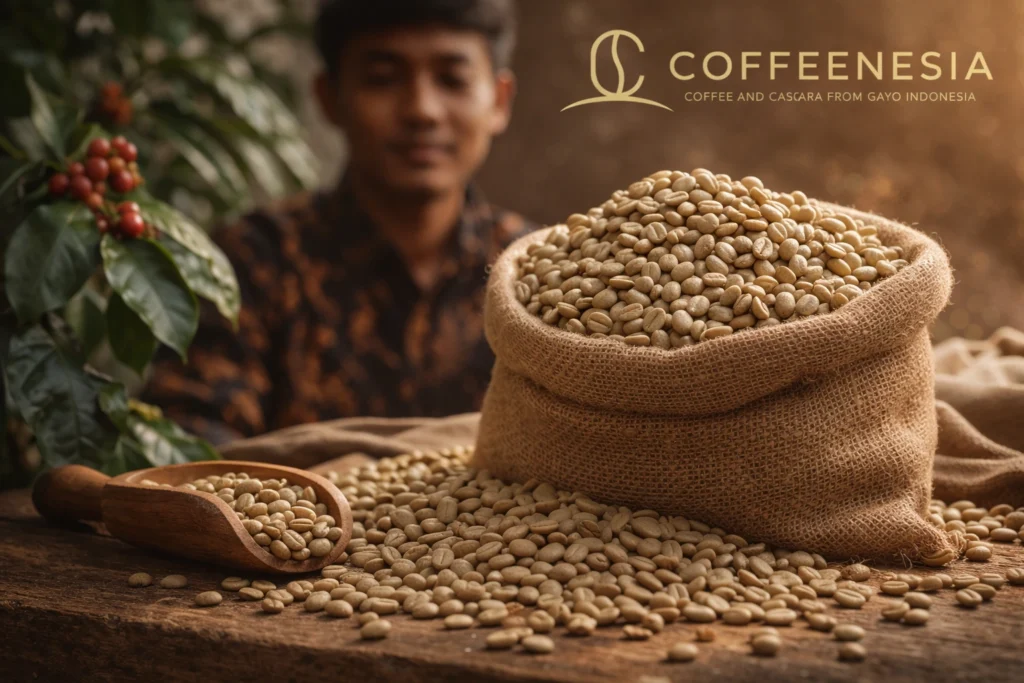
Coffee provides more than flavor, and many people recognize its contribution to daily wellness. Naturally occurring antioxidants help the body manage oxidative stress, supporting overall cellular health. Compounds such as chlorogenic acids play an important role in this process, making coffee a functional beverage that extends beyond simple enjoyment. Indonesian Coffee Beans retain these compounds effectively due to the nutrient-rich volcanic soil in which farmers grow them.
In addition to antioxidants, coffee contains small amounts of essential minerals, including magnesium and potassium. These nutrients contribute to normal body function, even though they appear in moderate levels. Caffeine also offers measurable benefits, such as improved focus and increased alertness. Many individuals rely on coffee to maintain productivity throughout the day, which further enhances its value as a daily staple.
Gayo coffee adds another advantage through its low acidity, which makes it easier to consume for those with sensitive stomachs. This smoother profile allows a wider audience to enjoy coffee without discomfort. At the same time, preparation methods influence the final nutritional outcome. Brewing techniques, roasting levels, and serving styles all affect the concentration of beneficial compounds. By understanding these factors, consumers and businesses can maximize both the flavor and health potential of Indonesian Coffee Beans in various applications.
Processing Techniques Elevate Indonesian Coffee Beans Quality
Processing methods play a critical role in determining the final quality of coffee, and Indonesia offers unique techniques that enhance its global reputation. Farmers in Sumatra, especially in Gayo, use wet-hulling to create a distinct texture and flavor. This method involves removing the outer layer of the coffee cherry and partially drying the beans before hulling, which produces a characteristic full body and reduced acidity. Indonesian Coffee Beans benefit greatly from this approach, as it strengthens their signature profile.
Farmers begin by harvesting cherries at peak ripeness to ensure optimal quality. They then process the beans quickly to prevent over-fermentation, which can negatively affect taste. This proactive approach maintains the integrity of the beans and supports consistent results. In addition, cooperative systems provide training and resources that help farmers improve their techniques and meet international standards.
Quality control remains a priority throughout the process. Producers sort beans carefully, removing defects and ensuring uniform size and density. These steps guarantee that only high-quality products reach the global market. Roasters value this consistency because it allows them to create reliable blends and maintain flavor stability. As demand for traceable and ethically sourced coffee increases, Indonesian Coffee Beans continue to meet expectations by combining traditional craftsmanship with modern quality standards.
Indonesian Coffee Beans in Brewing and Culinary Applications
Coffee continues to evolve beyond traditional brewing, and Indonesian beans offer exceptional flexibility in various applications. Specialty coffee shops often use these beans for manual brewing methods such as pour-over and French press, where their complexity becomes more noticeable. At the same time, espresso blends benefit from their strong body and balanced flavor, which create a rich and satisfying cup. Indonesian Coffee Beans adapt easily to these methods, making them a valuable choice for professionals.
Gayo coffee performs particularly well in both black coffee and milk-based beverages. Its smooth texture allows it to blend seamlessly with milk while maintaining its distinctive character. This balance makes it suitable for lattes, cappuccinos, and other popular drinks. In addition, food industries use coffee as an ingredient in desserts, sauces, and baked goods, where its bold flavor enhances overall taste.
The versatility of these beans extends to product innovation. Companies develop coffee-based products such as chocolates and ready-to-drink beverages that incorporate Indonesian Coffee Beans for their unique flavor profile. This adaptability creates new opportunities for businesses to expand their offerings and reach different market segments. As a result, Indonesian coffee continues to play a significant role in both traditional and modern culinary landscapes.
Market Demand for Indonesian Coffee Beans in Global Trade
Global demand for high-quality coffee continues to rise, and Indonesia remains a key player in this expanding market. Buyers actively seek products that offer both consistency and uniqueness, and Indonesian Coffee Beans deliver on both aspects. Their diverse flavor profiles allow businesses to create distinctive products that stand out in competitive markets.
Gayo coffee strengthens this position by offering reliable quality and strong brand recognition. Importers value its consistency, while roasters appreciate its adaptability in different blends. In addition, sustainability practices adopted by many producers align with global trends toward ethical sourcing. These practices include organic farming, fair trade principles, and environmentally responsible production methods.
Market trends also highlight the importance of storytelling in product marketing. Consumers want to understand the origin of their coffee, including the people and processes behind it. Indonesian Coffee Beans provide a compelling narrative that connects tradition, culture, and quality. This story adds value and helps brands build deeper relationships with their customers.
Businesses that invest in Indonesian coffee gain access to a product that combines authenticity with global appeal. This combination ensures long-term relevance in a rapidly evolving market, where differentiation and quality remain essential for success.
Sustainability and Future Growth of Indonesian Coffee Beans
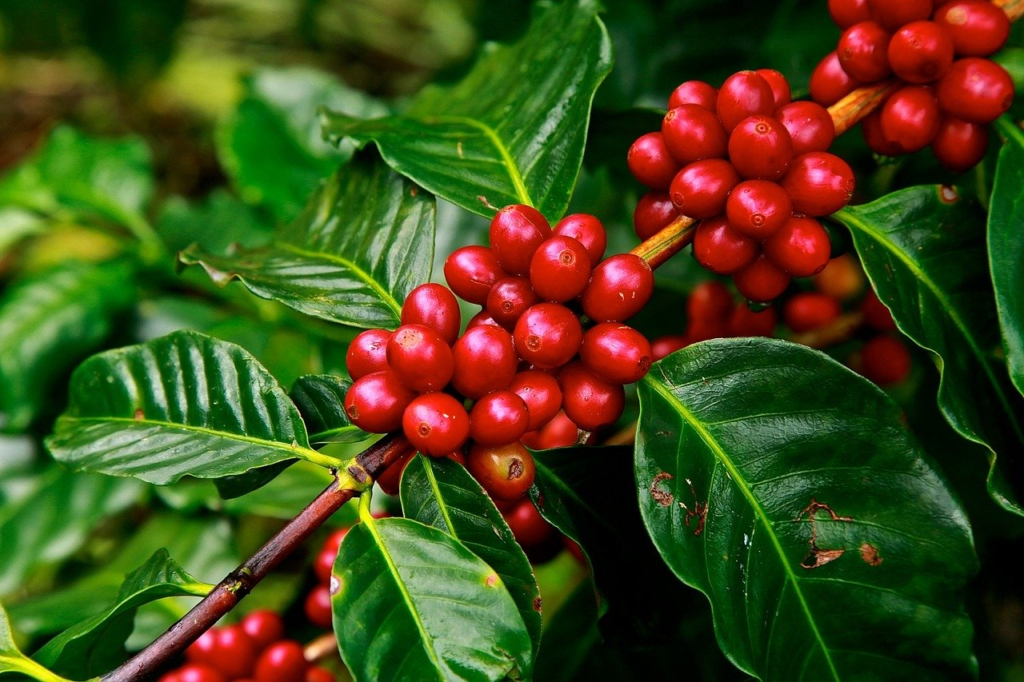
Sustainability shapes the future of coffee production, and Indonesian farmers continue to adapt to this global priority. Many producers implement environmentally friendly practices that protect natural resources while maintaining productivity. These efforts include organic farming, efficient water usage, and soil conservation techniques. Indonesian Coffee Beans benefit directly from these initiatives, as they enhance both quality and long-term viability.
Cooperative systems play a significant role in supporting sustainable growth. They provide farmers with access to training, funding, and international markets, enabling them to improve their operations. At the same time, these organizations promote fair trade practices that ensure farmers receive fair compensation for their work. This approach strengthens local communities and encourages continued investment in quality production.
Innovation also contributes to future growth. Farmers and producers explore new techniques to improve yield and resilience against climate change. These advancements help maintain the supply of Indonesian Coffee Beans while preserving their unique characteristics. As the industry evolves, Indonesia remains well-positioned to meet global demand through a combination of tradition and innovation.
For businesses and buyers seeking reliable sourcing options, Indonesian coffee offers a strong foundation for growth. Its balance of quality, sustainability, and diversity ensures that it will remain a valuable commodity in the global market for years to come.
For further inquiries and direct sourcing opportunities, you can connect through https://wa.me/6285285469417 to explore potential collaboration and supply solutions.
Indonesian Coffee Beans Supply Chain and Export Readiness
Indonesia has built a strong supply chain that supports consistent export quality while preserving the authenticity of local production. Farmers, collectors, cooperatives, and exporters work in a connected system that ensures coffee moves efficiently from farm to international buyers. This structure allows Indonesian Coffee Beans to maintain freshness and traceability, both of which play a crucial role in global trade. In regions such as Gayo, cooperatives coordinate post-harvest handling, grading, and packaging to meet export standards without compromising the original character of the beans.
Logistics also influence the final quality. Exporters carefully manage storage conditions, including humidity and temperature, to protect bean integrity during transportation. They use proper packaging materials such as GrainPro or vacuum-sealed bags to prevent contamination and preserve aroma. These steps ensure that Indonesian Coffee Beans arrive in optimal condition, ready for roasting and distribution in different markets. Buyers appreciate this reliability because it reduces risk and supports consistent product performance.
Furthermore, regulatory compliance strengthens export readiness. Indonesian coffee exporters follow international standards related to food safety, quality control, and documentation. Certifications such as organic and fair trade further enhance credibility, especially in premium markets. This comprehensive approach allows Indonesian Coffee Beans to compete globally while maintaining their unique identity. As demand grows, Indonesia continues to refine its supply chain to meet the expectations of modern buyers who prioritize transparency, quality, and sustainability.
Grading Systems and Quality Classification
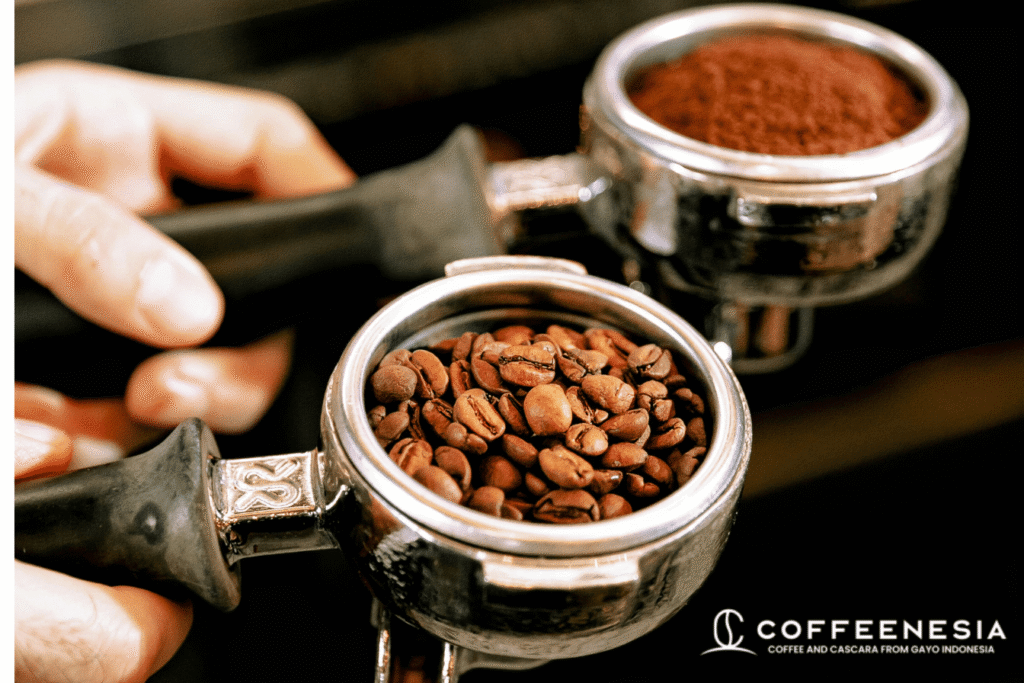
Grading plays a vital role in defining the value and usability of coffee in global markets. Indonesian producers apply structured classification systems that evaluate beans based on size, density, and defect count. These criteria help determine quality levels and ensure consistency across shipments. Indonesian Coffee Beans often undergo multiple sorting stages, where workers remove imperfections and separate beans according to specific standards. This process enhances uniformity and improves roasting outcomes.
In Gayo, grading systems follow strict guidelines that align with international expectations. Beans are categorized into different grades, such as Grade 1 for premium quality with minimal defects. This classification helps buyers select products that match their requirements, whether for specialty coffee or large-scale blending. Consistent grading also simplifies communication between exporters and importers, reducing misunderstandings and improving efficiency in transactions involving Indonesian Coffee Beans.
Technology continues to improve grading accuracy. Modern facilities use machines to assist in sorting and quality control, while still relying on human expertise for final inspection. This combination ensures precision without losing the traditional touch that defines Indonesian coffee production. As a result, buyers receive products that meet both technical standards and sensory expectations.
By maintaining clear grading systems, Indonesia strengthens its reputation as a reliable coffee supplier. These standards not only protect quality but also create transparency in the market. For businesses, this clarity supports better decision-making and long-term partnerships built on trust and consistency.
Role in Specialty Coffee Industry
The specialty coffee industry values uniqueness, traceability, and high-quality flavor profiles, all of which Indonesia consistently delivers. Coffee professionals seek beans that offer distinct sensory experiences, and Indonesian Coffee Beans meet this demand through their diverse origins and processing methods. Gayo coffee, for example, stands out for its balance, smooth body, and layered flavor, making it a preferred choice for specialty roasters.
Baristas and roasters often highlight single-origin Indonesian coffee to showcase its natural characteristics. This approach allows consumers to explore specific flavor notes that reflect the region where the coffee was grown. In addition, cupping sessions frequently feature Indonesian Coffee Beans because they demonstrate complexity and depth that align with specialty standards. These qualities strengthen Indonesia’s presence in high-end coffee markets.
The industry also emphasizes sustainability and ethical sourcing, areas where Indonesian producers continue to improve. Many farms adopt environmentally friendly practices and participate in certification programs that verify responsible production. This commitment enhances the appeal of Indonesian Coffee Beans among conscious consumers who value transparency and sustainability.
Innovation further drives growth in this sector. Roasters experiment with different roasting profiles to unlock new dimensions of flavor, while cafes introduce creative brewing methods to enhance the customer experience. Indonesian coffee adapts well to these innovations, maintaining its identity while supporting new trends.
As the specialty market expands, Indonesia remains a key contributor due to its ability to combine tradition, quality, and adaptability. This combination ensures that Indonesian Coffee Beans continue to attract attention from professionals and enthusiasts around the world.
Investment Opportunities for Global Buyers
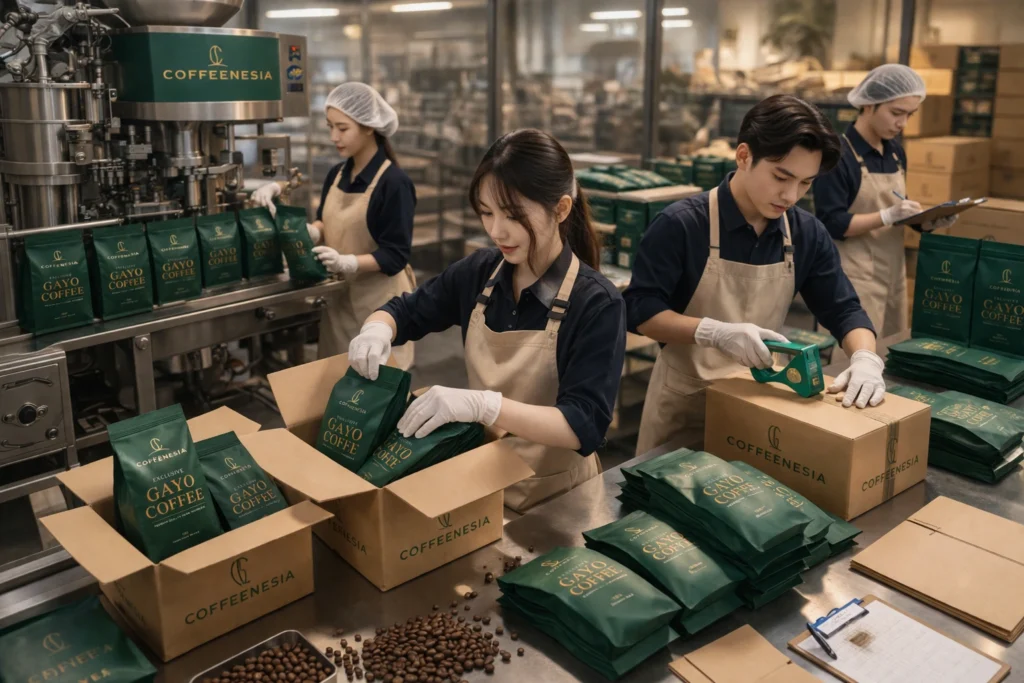
Indonesia offers significant opportunities for investors and buyers who want to secure high-quality coffee supply. The country’s diverse production regions provide a wide range of flavor profiles, allowing businesses to build unique product portfolios. Indonesian Coffee Beans serve as a strong foundation for brands that aim to differentiate themselves in competitive markets.
Partnerships with local cooperatives create direct access to premium coffee while supporting sustainable development. Buyers can collaborate with farmers to ensure consistent quality and establish long-term supply agreements. This approach reduces dependency on intermediaries and improves traceability, which has become increasingly important in global trade involving Indonesian Coffee Beans.
Market demand continues to grow, driven by rising coffee consumption worldwide. Emerging markets and specialty segments offer new opportunities for expansion. Businesses that invest in Indonesian coffee can benefit from this trend by positioning their products as authentic and high-quality. Gayo coffee, in particular, provides a strong entry point due to its established reputation and consistent performance.
Risk management also plays a role in investment decisions. Indonesia’s large production capacity and diverse growing regions help mitigate supply disruptions caused by climate or market fluctuations. This stability makes Indonesian Coffee Beans a reliable option for long-term sourcing strategies.
In addition, digital platforms and improved logistics simplify the purchasing process. Buyers can connect directly with suppliers, access detailed product information, and manage transactions efficiently. These advancements enhance accessibility and encourage more businesses to explore opportunities within Indonesia’s coffee industry.
Cultural Heritage and Global Recognition
Coffee in Indonesia represents more than a commodity; it reflects a deep cultural heritage shaped by generations of farmers. Traditional knowledge guides cultivation and processing methods, ensuring that each batch of coffee carries a story rooted in local communities. Indonesian Coffee Beans embody this heritage, offering a product that combines history, craftsmanship, and natural richness.
In regions like Gayo, coffee farming has become an integral part of daily life. Families pass down techniques from one generation to the next, preserving practices that define the identity of their coffee. This continuity strengthens the authenticity of Indonesian Coffee Beans and adds value in global markets where consumers appreciate origin stories.
International recognition continues to grow as Indonesian coffee gains visibility in competitions and exhibitions. Specialty coffee events often highlight its unique characteristics, attracting attention from buyers and enthusiasts. This exposure helps expand market reach and reinforces Indonesia’s position as a leading coffee producer.
Cultural significance also influences branding. Companies that incorporate storytelling into their marketing create a stronger emotional connection with consumers. Indonesian Coffee Beans provide a rich narrative that supports this approach, from highland farms to traditional processing methods.
As global appreciation increases, Indonesia continues to balance tradition with innovation. This approach ensures that its coffee remains relevant while preserving the values that define its heritage. For buyers and consumers alike, Indonesian coffee offers an experience that goes beyond taste, connecting them to a culture built on dedication and expertise.
Discover More About Coffee Beans and Coffeenesia
Coffeenesia continues to establish itself as a trusted supplier of premium Indonesian Coffee Beans. By combining organic cultivation, disciplined processing, and transparent trade practices, the company delivers value beyond the cup.
Businesses interested in exploring premium coffee products, cascara beverages, or sourcing partnerships can learn more through coffenesia?
Indonesian Coffee Beans 01 Wholesale Supplier By Coffeenesia!

Coffeenesia has established itself as one of Indonesia’s most reliable and reputable suppliers of premium coffee commodities, catering to global importers, roasters, and café chains who demand consistent quality and ethical sourcing. As a specialized exporter of Indonesian Coffee Beans, particularly the world-renowned Aceh Gayo Arabica, Coffeenesia brings authenticity, traceability, and international-grade standards to businesses seeking long-term, dependable suppliers.
Through our official platform Coffeenesia.id, international buyers can explore a complete portfolio of Indonesian coffee products sourced directly from smallholder farmers in the Gayo Highlands. Our signature offering, Gayo Arabica Specialty Grade, is available in Washed, Honey, and Natural process, each carefully prepared to highlight the region’s distinct altitude, volcanic soil fertility, and traditional farming culture. Whether your business requires green beans for roasting, premium roasted beans for café service, or private-label solutions for your brand, Coffeenesia ensures every shipment meets stringent specialty coffee benchmarks.
Beyond specialty Arabica beans, Coffeenesia is also the trusted supplier of Gayo Cascara, a premium dried coffee cherry tea increasingly popular in international wellness and specialty beverage markets. Known for its fruity aroma, gentle sweetness, and antioxidant benefits, cascara from Gayo is processed using clean, sun-dried methods that maintain purity and flavor integrity. This makes it ideal for cafés, tea houses, beverage formulators, and health-focused brands seeking a unique product with rising global demand.
As an export-focused supplier, Coffeenesia provides comprehensive wholesale support—ranging from quality inspection, moisture and defect grading, and roast profiling guidance, to international logistics and export documentation. We prioritize fair compensation for farmers, sustainable cultivation methods, and transparent supply chains, ensuring our buyers receive products that are ethical, environmentally responsible, and globally competitive.
For businesses seeking the finest Indonesian Coffee Beans with dependable wholesale supply, Coffeenesia stands ready as your trusted partner, delivering exceptional quality from the highlands of Gayo straight to your roasting facility or café.
FAQ Indonesian Coffee Beans
- What makes Indonesian Coffee Beans different from other origins?
Indonesian Coffee Beans stand out due to volcanic soil, diverse microclimates, and traditional processing methods like wet-hulling. These factors create bold body, low acidity, and complex flavor layers rarely found in other coffee-producing countries. - How should Indonesian Coffee Beans be stored for freshness?
Store Indonesian Coffee Beans in airtight containers away from light, heat, and moisture. Keep them at room temperature instead of refrigeration to preserve aroma and flavor stability over time. - Are Indonesian Coffee Beans suitable for cold brew?
Yes, Indonesian Coffee Beans work very well for cold brew because of their strong body and chocolatey notes. They produce a smooth, less acidic drink with a naturally rich taste. - What roast level works best for Indonesian Coffee Beans?
Medium to dark roast levels usually highlight the natural depth of Indonesian Coffee Beans. These profiles enhance earthy, nutty, and cocoa flavors without overpowering the balance. - Can Indonesian Coffee Beans be used for espresso blends?
Indonesian Coffee Beans are ideal for espresso blends because they add body and complexity. Many roasters use them to balance acidity and improve crema quality. - How do Indonesian Coffee Beans support sustainable sourcing?
Many Indonesian Coffee Beans come from smallholder farms that apply organic practices and fair trade principles. This approach supports local communities while maintaining environmental balance.