

Gayo Coffee stands as one of Indonesia’s most refined coffee treasures, shaped by volcanic soil, high altitude, and generations of careful cultivation. From the very first sip, this origin reveals a layered aroma that feels both bold and smooth, creating a sensory experience that lingers. Grown in the Gayo Highlands of Aceh, it reflects a balance between nature and human expertise, making it highly sought after in global markets. Beyond the beans themselves, the region also produces cascara, a lesser-known yet valuable byproduct that carries its own unique flavor and health benefits. This article explores the complexity behind its profile, its origin, characteristics, processing methods, and the rising popularity of cascara sweet tea from the same region.
Highland Origin Shapes Flavor Identity Of Gayo Coffee
The highlands of Aceh provide an exceptional environment that directly shapes the identity of this coffee. Sitting between 1,200 and 1,600 meters above sea level, the region offers a combination of cool temperatures, mineral-rich volcanic soil, and steady rainfall. These conditions allow coffee cherries to mature slowly, which strengthens sugar development and enhances the final cup profile. As a result, farmers consistently produce beans with deeper character and more refined balance compared to lower altitude regions.
Local cultivation practices further reinforce quality. Farmers rely heavily on traditional knowledge passed down through generations, ensuring that each stage of growth receives careful attention. Instead of rushing production, they focus on maintaining soil health and plant stability. This approach preserves both flavor integrity and long-term sustainability, which has become increasingly important in the global coffee market.
At the same time, environmental factors work together to create a distinct terroir. The soil contributes essential nutrients, while altitude regulates temperature fluctuations that slow down cherry development. Because of this, beans from this region develop a signature taste that combines earthy richness with subtle sweetness. Buyers often recognize this balance immediately, making it one of the most consistent Indonesian origins available today.
Aroma Complexity and Balanced Gayo Coffee Cup Profile

A defining strength of this origin lies in its aroma complexity, which develops naturally through its environment and processing. When brewed, it releases a fragrance that combines earthy undertones with hints of cocoa, spice, and light herbal notes. This layered aroma does not overwhelm the senses; instead, it builds gradually, allowing drinkers to appreciate each nuance.
The flavor profile complements this aromatic richness with a smooth and balanced structure. Rather than presenting sharp acidity, it leans toward a round body that feels full yet clean. This makes it highly approachable, even for those who prefer less acidic coffee. At the same time, subtle sweetness appears in the aftertaste, often reminding drinkers of brown sugar or mild caramel.
Roasting plays an important role in shaping the final expression. Lighter roasts tend to highlight floral and herbal characteristics, while medium to dark roasts bring out chocolate and smoky elements. Because of this flexibility, roasters can adapt the beans to suit different markets without losing their core identity.
As global demand grows for origin-specific coffee, this profile continues to stand out. It offers a dependable balance that works across brewing methods, from espresso to manual pour-over. This adaptability ensures that it remains relevant in both specialty and commercial segments, strengthening its long-term appeal.
Processing Methods Influence Final Character Of Gayo Coffee
Processing methods significantly influence the final taste and texture of the beans. One of the most recognized techniques in this region is wet-hulling, often referred to locally as giling basah. This method removes the outer layers of the bean at a higher moisture level, creating a heavier body and deeper earthy tones. Many buyers associate this process with the signature Indonesian profile.
In addition to wet-hulling, producers also use fully washed and natural methods to diversify their offerings. Washed processing creates a cleaner cup with more clarity, allowing subtle notes to stand out more clearly. On the other hand, natural processing enhances sweetness and introduces fruit-like characteristics that appeal to specialty markets. Each method provides a unique variation while still maintaining the core identity of the origin.
Quality control remains essential throughout every stage. Farmers carefully select ripe cherries to ensure consistency before moving into fermentation and drying. Afterward, they sort and grade the beans based on size, moisture content, and defect levels. This structured approach guarantees that buyers receive products that meet specific standards.
Sustainability also plays a growing role in processing decisions. Many producers now adopt environmentally friendly drying techniques and water management systems. These efforts not only reduce environmental impact but also improve efficiency and long-term productivity, making the entire process more resilient.
Cascara Sweet Tea as a Sustainable Innovation
Cascara sweet tea represents an innovative use of coffee byproducts that adds both economic and environmental value. Instead of discarding the outer skin of coffee cherries, producers dry and process it into a beverage ingredient. This transformation turns what was once waste into a product with its own identity and market demand.
The flavor of cascara tea offers a unique experience that differs entirely from traditional coffee. It presents a naturally sweet and slightly tangy profile, often compared to dried fruit, hibiscus, or light herbal tea. This makes it appealing to a broader audience, especially those who seek alternatives with lower caffeine content.
From a nutritional perspective, cascara contains antioxidants and beneficial compounds that support general well-being. These elements contribute to its growing popularity among health-conscious consumers. In addition, its lower caffeine level provides a gentler energy boost without the intensity often associated with coffee.
Versatility further enhances its value. People can brew cascara as a hot infusion, chill it for refreshing iced drinks, or use it as a base for creative beverages. Some producers even experiment with incorporating it into syrups and desserts. This flexibility opens new possibilities for cafés and beverage brands looking to expand their offerings.
The rise of cascara sweet tea reflects a broader shift toward sustainability. By utilizing every part of the coffee cherry, producers reduce waste and create additional income streams. This approach strengthens both environmental responsibility and economic resilience within the coffee industry.
Nutritional Value and Functional Benefits Gayo Coffee
Coffee offers more than just flavor; it also provides functional benefits that contribute to its global appeal. Naturally occurring antioxidants play a key role in supporting the body’s defense against oxidative stress. These compounds help protect cells and may contribute to overall wellness when consumed in moderation.
Caffeine content also adds value, delivering a balanced energy boost that enhances focus and alertness. Compared to stronger varieties, this origin provides a smoother stimulation, making it suitable for regular consumption. This characteristic allows drinkers to enjoy multiple cups without experiencing excessive intensity.
Meanwhile, cascara introduces a different set of benefits. It contains polyphenols and other natural compounds that support digestion and hydration. Because it requires minimal added sugar, it offers a healthier alternative to many commercial beverages. This makes it particularly attractive for individuals seeking functional drinks with natural ingredients.
Hydration becomes another advantage when cascara is prepared as tea. It contributes to daily fluid intake while offering a flavorful experience. This combination of taste and functionality aligns with current consumer preferences, where people increasingly look for beverages that deliver both enjoyment and health support.
As awareness continues to grow, both coffee and cascara gain recognition not only as commodities but also as lifestyle products. Their ability to combine sensory satisfaction with practical benefits ensures that they remain relevant in evolving markets.
Market Demand and Global Trade Opportunities
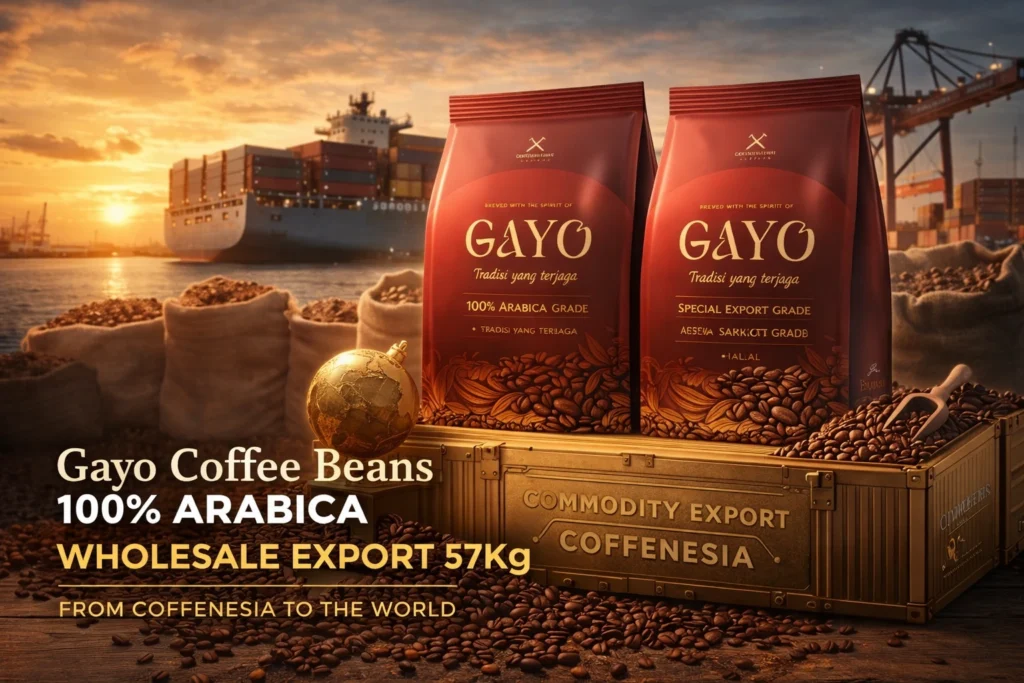
The global coffee market continues to evolve, and demand for high-quality origins keeps rising as buyers seek consistency and traceability. Within this landscape, beans from Aceh have gained recognition due to their stable profile and reliable supply chain. Importers and roasters appreciate how producers maintain quality across harvest seasons, allowing them to build long-term sourcing strategies with confidence. This consistency creates a strong foundation for expanding trade relationships across different regions.
At the same time, specialty coffee culture drives further interest. Consumers now look beyond generic blends and actively explore single-origin products with unique stories. This shift encourages roasters to highlight origin characteristics, which naturally brings more attention to highland-grown beans. Their balanced body and approachable flavor make them suitable for both new drinkers and experienced enthusiasts, increasing their market reach.
Cascara also contributes to this momentum by opening new product categories. Beverage companies experiment with cascara-based drinks, offering refreshing alternatives that stand out from traditional menus. This innovation supports diversification within the coffee industry, allowing producers to maximize the value of each harvest. As awareness grows, cascara products gradually secure a place in both retail and hospitality sectors.
For exporters and suppliers, maintaining quality standards remains essential. Careful grading, proper storage, and efficient logistics ensure that products arrive in optimal condition. These practices strengthen trust between producers and buyers, reinforcing long-term partnerships. As a result, the entire supply chain benefits from improved coordination and shared commitment to excellence.
From Farm to Cup A Continuous Value Chain
The journey from farm to cup reflects a carefully coordinated process that connects multiple stages of production. It begins with cultivation, where farmers nurture coffee trees under ideal environmental conditions. Their daily work ensures that each cherry develops properly, laying the foundation for quality before harvest even begins. This early stage plays a crucial role in determining the final outcome.
Harvesting requires precision and timing. Farmers selectively pick ripe cherries to maintain consistency, avoiding underdeveloped or overripe fruit. This attention to detail directly impacts flavor clarity and overall balance. After harvesting, the cherries move quickly into processing, where methods such as wet-hulling or washing shape the beans’ characteristics.
Drying and storage follow as critical steps that preserve quality. Producers carefully monitor moisture levels to prevent defects and maintain stability during transport. Proper storage conditions protect the beans from environmental changes, ensuring that they retain their intended profile until roasting. Each stage demands discipline and experience, as small mistakes can influence the final cup.
Roasting then transforms the beans into a consumable product, unlocking their full potential. Roasters adjust temperature and timing to highlight specific flavor notes, creating profiles tailored to different markets. Finally, brewing brings everything together, allowing consumers to experience the result of this long and detailed journey.
This continuous value chain demonstrates how collaboration across every stage leads to a consistent and high-quality product. It also highlights the importance of maintaining standards, as each step contributes to the overall experience.
Sustainable Practices and Future Potential Gayo Coffee

Sustainability has become a central focus within the coffee industry, shaping how producers approach cultivation and processing. In the highlands, many farmers already practice environmentally friendly methods, including reduced chemical use and soil conservation techniques. These efforts help maintain long-term productivity while protecting the surrounding ecosystem.
Water management also plays an important role, especially during processing. Producers increasingly adopt systems that minimize waste and improve efficiency. By reducing water usage and treating wastewater responsibly, they lower environmental impact without compromising quality. These improvements align with global expectations for responsible sourcing.
Social sustainability matters just as much as environmental care. Supporting farmer communities ensures that knowledge and skills continue to develop across generations. Training programs and fair trade practices contribute to better livelihoods, encouraging younger generations to remain involved in coffee production. This continuity strengthens the entire industry.
Looking ahead, innovation continues to open new opportunities. Advances in processing techniques, product diversification, and digital traceability systems all contribute to future growth. Cascara products, for example, demonstrate how creative thinking can transform byproducts into valuable commodities. These developments allow producers to adapt to changing market demands while maintaining their core identity.
As global interest in sustainable products increases, highland coffee stands in a strong position to meet these expectations. Its combination of quality, ethical practices, and adaptability ensures that it will remain relevant in the years to come.
Brewing Versatility and Product Applications Gayo Coffee
Brewing versatility plays a major role in expanding the appeal of this origin across different markets and consumer preferences. Baristas and home brewers alike appreciate how easily the beans adapt to multiple brewing methods without losing their core character. Whether prepared as espresso, pour-over, French press, or cold brew, the result consistently delivers a balanced cup with layered depth. This flexibility allows cafés and roasters to experiment with profiles while maintaining a recognizable identity.
In espresso applications, the beans create a smooth and full-bodied shot with low acidity and a pleasant aftertaste. This makes them suitable as a standalone espresso or as a base for milk-based drinks such as cappuccino and latte. The chocolatey and slightly earthy notes blend well with milk, producing a rich and comforting flavor that appeals to a wide audience. Because of this, many coffee shops include it in their signature blends.
Manual brewing methods highlight different aspects of the profile. Pour-over techniques emphasize clarity and subtle complexity, allowing floral and herbal notes to emerge more clearly. Meanwhile, French press brewing enhances body and texture, resulting in a heavier mouthfeel that some drinkers prefer. Cold brew offers another dimension, creating a smoother and naturally sweeter beverage with reduced bitterness.
Beyond beverages, the beans also find applications in culinary contexts. Chefs and food producers use coffee extracts in desserts, sauces, and even savory dishes. Cascara expands this versatility further, serving as a base for syrups, teas, and innovative drinks. This wide range of applications strengthens its position not only as a beverage ingredient but also as a valuable component in modern food and beverage development.
Positioning for Long Term Global Partnerships For Gayo Coffee
Building long term partnerships in the coffee industry requires more than just delivering a quality product. Buyers seek reliability, transparency, and consistency, all of which depend on strong collaboration across the supply chain. Producers who maintain clear communication and stable production standards create a foundation that supports ongoing business relationships. This reliability becomes especially important in international trade, where trust influences purchasing decisions.
Consistency in quality ensures that buyers can meet their own customer expectations. When roasters receive beans that match previous shipments, they can maintain flavor profiles and brand identity without disruption. This stability reduces risk and strengthens confidence in sourcing decisions. Over time, consistent delivery builds loyalty and encourages repeat orders.
Transparency also adds value to partnerships. Sharing information about origin, processing methods, and sustainability practices allows buyers to communicate these details to their customers. As consumers become more interested in traceability, this level of openness enhances product appeal and marketability. It also reinforces the perception of authenticity and ethical sourcing.
Adaptability supports long term growth as well. Producers who respond to changing market demands can offer different processing styles, grades, or product variations. This flexibility allows them to meet diverse buyer needs while maintaining their core strengths. Cascara products, for example, provide additional opportunities for collaboration and innovation.
Coffeenesia: Delivering Premium Gayo Coffee and Cascara to Global Buyers!

Coffeenesia stands as a trusted exporter of Indonesia’s finest coffee commodities, specializing in premium Gayo Arabica and high-quality cascara sourced directly from the Gayo Highlands of Aceh. Through our official platform, Coffeenesia.id, we provide importers, roasters, and cafés worldwide with consistent access to ethically sourced, farm-direct products crafted to meet international specialty standards. Every batch reflects the rich heritage, natural purity, and meticulous craftsmanship of the coffee-growing communities we work closely with.
At the heart of our offerings is Gayo Coffee, renowned for its smooth profile, low acidity, and captivating flavor notes. Buyers can choose from multiple processing types Washed, Honey, and Natural each highlighting unique characteristics shaped by Gayo’s fertile volcanic soil and high altitudes. Whether you require green beans for roasting, ready-to-brew roasted beans, or private-label packaging for your brand, Coffeenesia ensures uniform quality and reliable supply for wholesale needs.
Alongside our coffee beans, Coffeenesia also proudly exports Cascara from Gayo, a premium dried coffee cherry tea celebrated for its fruity aroma, natural sweetness, and high antioxidant content. Our cascara is sourced from carefully hand-selected cherries and processed using hygienic sun-drying techniques, making it suitable for specialty cafés, beverage manufacturers, and wellness-focused brands seeking a unique, trending product with strong market appeal.
Through our integrated sourcing and export system, Coffeenesia delivers more than just commodities—we provide transparent quality control, export-ready documentation, custom roasting consultation, and efficient international logistics. By choosing Coffeenesia, global buyers gain a dependable partner committed to authenticity, sustainability, and the true flavors of Indonesia’s highlands.
For coffee professionals seeking premium, traceable, and ethically produced products from Gayo, Coffeenesia is your gateway to the finest coffee and cascara Indonesia has to offer.
Let’s bring the rich taste of Gayo Highlands to coffee lovers around the world — together.
FAQ Gayo Coffee
- What makes Gayo Coffee different from other Indonesian coffee origins?
Gayo Coffee develops in high altitude volcanic soil, which creates a balanced body with complex flavor layers and low acidity compared to many other regions. - How does cascara from Gayo Coffee differ from regular tea?
Cascara uses dried coffee cherry skins, giving it a fruity and naturally sweet taste with mild caffeine, unlike traditional tea leaves. - Is Gayo Coffee suitable for cold brew preparation?
Yes, its smooth body and low acidity make it ideal for cold brew, producing a refreshing and less bitter flavor profile. - What certifications are commonly associated with Gayo Coffee?
Many producers follow organic and fair trade standards, ensuring sustainable farming practices and ethical sourcing for global buyers. - Can cascara be used in food recipes besides beverages?
Cascara can enhance desserts, syrups, and even sauces by adding natural sweetness and subtle fruity notes. - How should Gayo Coffee beans be stored for best quality?
Store beans in an airtight container away from light, heat, and moisture to preserve freshness and maintain flavor stability over time.