
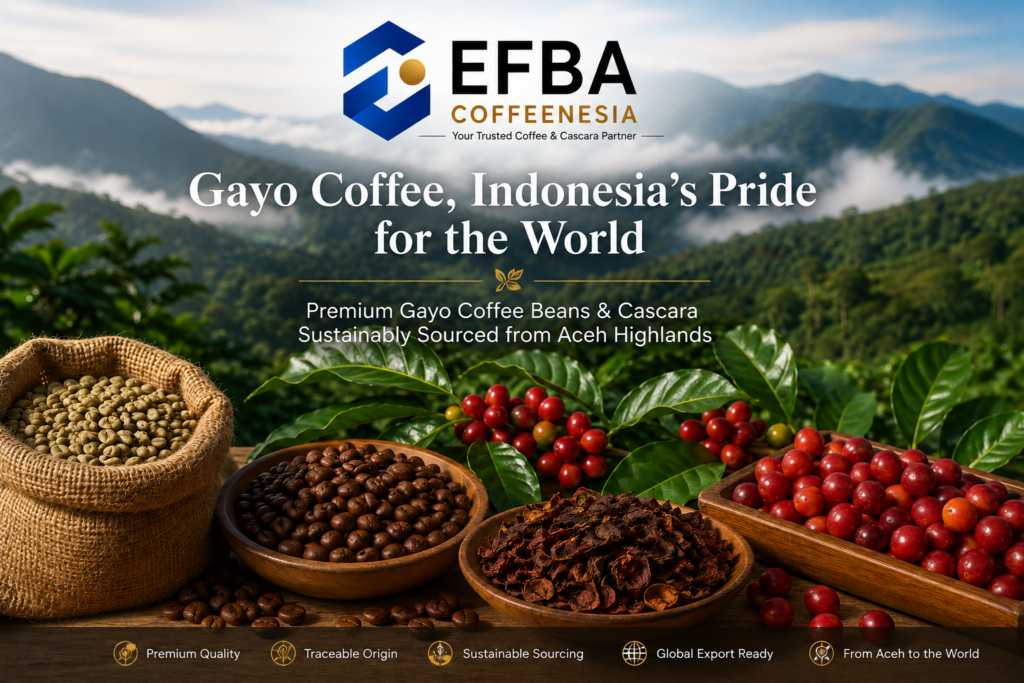
Finding the right Gayo coffee exporter is an important step for international buyers looking to source specialty coffee from Aceh, Indonesia. Beyond price, buyers should evaluate origin, processing method, bean quality, flavor profile, specifications, traceability, sample consistency, packaging, and export readiness before establishing a long-term supply relationship.
Gayo coffee originates from the highlands of Aceh and has become an important Indonesian coffee origin for roasters, distributors, importers, cafés, and specialty coffee businesses. For buyers, sourcing directly from Indonesia provides an opportunity to understand the coffee more closely while developing supply specifications based on their market requirements.
Coffeenesia connects buyers with Gayo coffee products from Indonesia and provides information about origin, processing, characteristics, and product specifications to support informed sourcing decisions.
Table of Contents
ToggleWhy Source Gayo Coffee from Aceh, Indonesia?
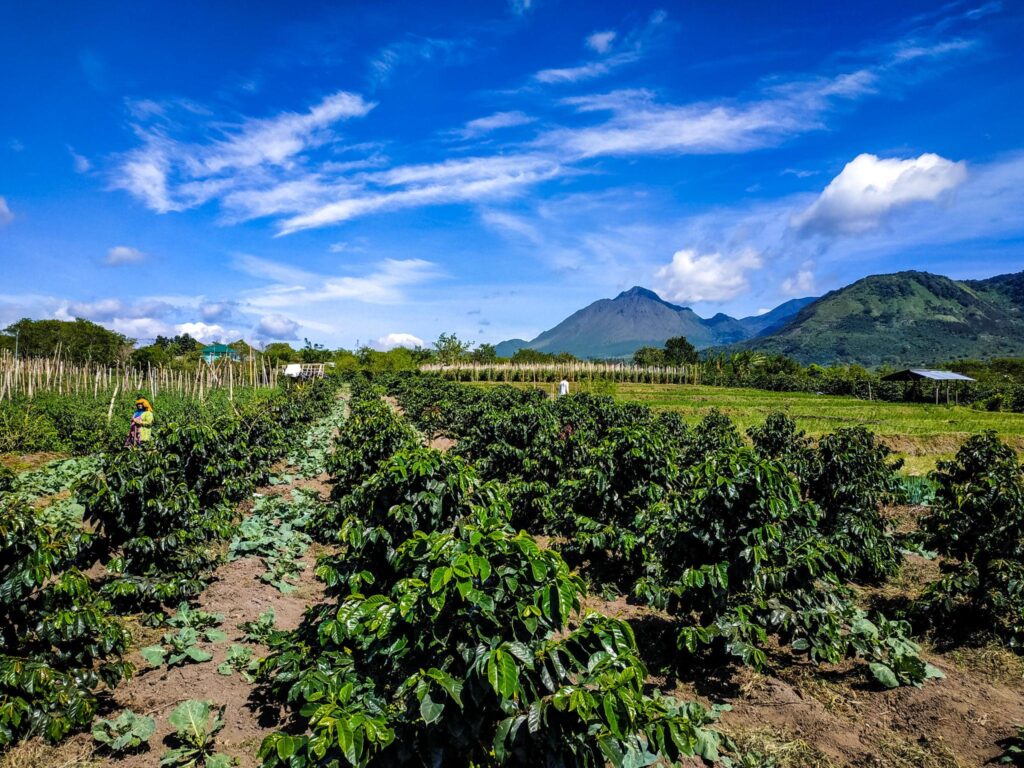
The Gayo Highlands are closely associated with Arabica coffee production in Aceh. For international buyers, the region offers not only a recognizable origin but also different processing methods and flavor possibilities.
However, sourcing coffee commercially requires more than choosing an origin.
A buyer should understand:
- where the coffee comes from;
- what variety or lot is being offered;
- how the cherries are processed;
- moisture and physical specifications;
- roast or green-bean requirements;
- sensory characteristics;
- packaging;
- order quantity;
- supply consistency; and
- shipping requirements.
If you are still evaluating the origin itself, our guide to Aceh Gayo Coffee and what makes this Indonesian coffee special provides additional background before you begin commercial sourcing.
What Does a Gayo Coffee Exporter Do?
A Gayo coffee exporter connects coffee supply from Indonesia with international buyers and helps prepare products for cross-border trade.
Depending on the supplier and commercial arrangement, this can involve product sourcing, lot selection, quality evaluation, packaging coordination, documentation, logistics preparation, and communication with international buyers.
For buyers, the exporter therefore becomes an important link between origin and destination market.
A good sourcing relationship should provide clarity about what is being purchased rather than simply offering “Gayo coffee” as a generic commodity.
Before confirming an order, buyers should be able to discuss product specifications, processing method, quantity, packaging, quality expectations, and commercial terms.
Is Indonesia an Established Coffee Exporting Country?
Yes. Indonesia has an established international coffee trade.
BPS-Statistics Indonesia maintains dedicated statistics for coffee exports by major destination country, including data extending through 2025. This provides buyers with an official reference showing Indonesia’s established participation in international coffee markets.
You can review the latest data through the BPS Coffee Export Statistics.
More broadly, BPS reported that Indonesia’s total exports reached approximately US$282.9 billion during January–December 2025.
For coffee buyers, however, national export scale is only one consideration. Selecting the right origin, lot, processing method, and supplier remains essential.
7 Things to Check When Choosing a Gayo Coffee Exporter
A commercial buyer should evaluate potential suppliers systematically.
Here are seven important areas to consider.
1. Confirm the Coffee Origin
Start by asking where the coffee was produced.
“Indonesian coffee” is too broad for specialty sourcing because Indonesia contains many coffee-producing regions with different growing conditions, varieties, processing traditions, and cup characteristics.
For Gayo coffee, buyers should seek clear information connecting the product to the Gayo Highlands of Aceh.
Origin information becomes particularly valuable for businesses that want to communicate provenance to their customers.
For a deeper understanding of the product itself, read our Gayo Coffee Beans: 7 Essential Facts & Buying Guide.
2. Understand the Processing Method
Processing can significantly influence the character of a coffee.
Depending on the available lot, Gayo coffee may be offered through different processing approaches. Buyers should therefore avoid selecting coffee based only on origin.
Ask the Gayo coffee exporter about the processing method used for the lot you are considering.
Processing information can help buyers anticipate differences in:
- acidity;
- sweetness;
- body;
- aroma;
- clarity;
- fruit character; and
- overall cup profile.
For more detail, see Gayo Coffee Processing: 7 Powerful Ways Processing Shapes Flavor.
Understanding processing is particularly important for specialty roasters because two coffees from the same region can deliver noticeably different sensory experiences.
3. Request Clear Coffee Specifications
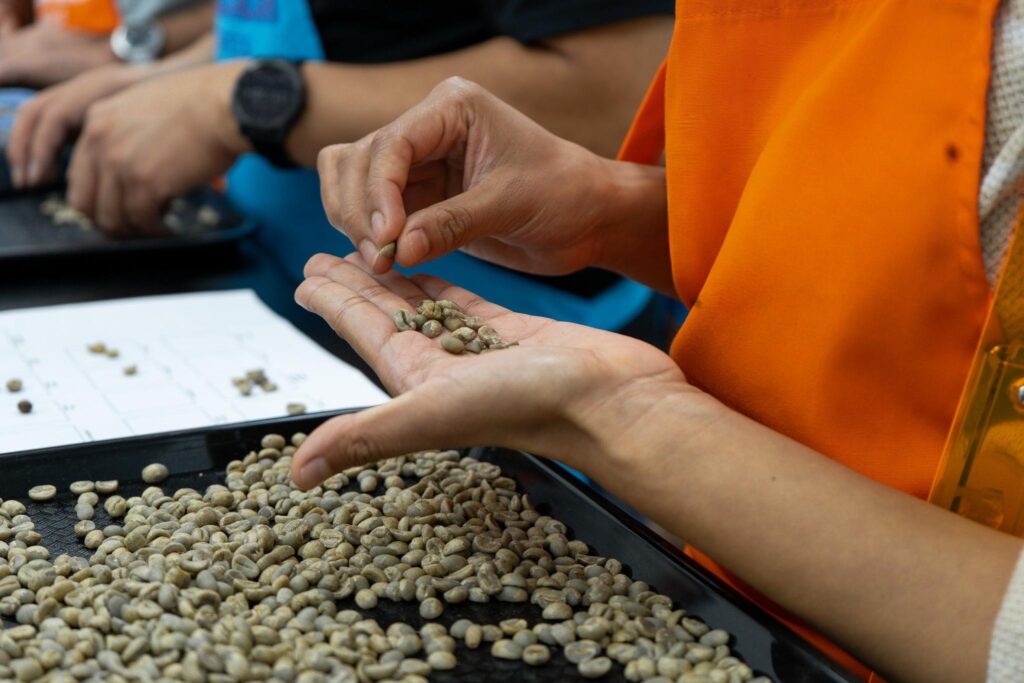
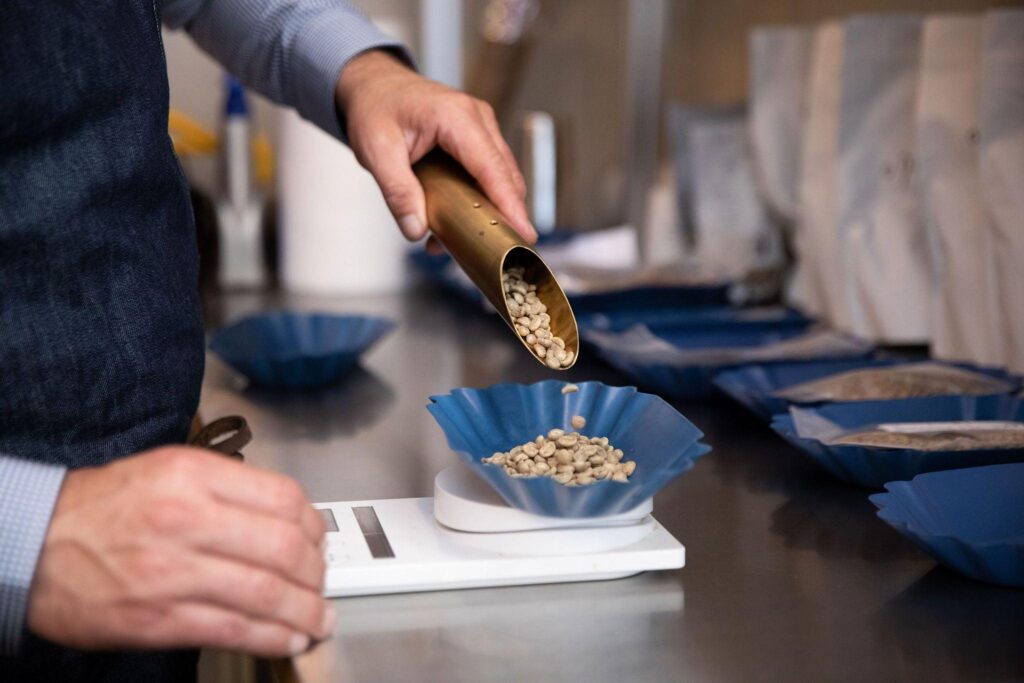
Commercial coffee sourcing requires measurable specifications.
Instead of asking only, “How much does Gayo coffee cost?”, request technical information about the offered lot.
Depending on the product and transaction, specifications may cover:
Specification | What Buyers Should Check |
Origin | Gayo Highlands, Aceh, Indonesia |
Coffee Type | Arabica / product specification |
Processing | Wet-hulled, washed, natural, honey, or available process |
Moisture | Supplier/lot specification |
Bean Size | Available screen or grading information |
Defects | Agreed physical quality specification |
Crop/Lot | Availability and identification |
Cup Profile | Sensory description or evaluation |
Packaging | Bag type and net weight |
Quantity | MOQ and available volume |
The exact specifications will depend on the product and buyer requirements.
Indonesia also maintains national standards related to coffee. BSN currently lists SNI 2907:2008 for coffee beans, including its 2026 confirmation, as an active standard.
Buyers interested in Indonesian standards can review the BSN listing for SNI 2907:2008 Coffee Beans.
4. Ask for Samples Before Larger Orders
Samples are one of the most important steps in specialty coffee sourcing.
A specification sheet can describe the product, but buyers may still need to evaluate the coffee themselves.
Depending on your business, sample evaluation can include:
Physical evaluation — appearance, bean size, visible defects, and uniformity.
Roasting evaluation — how the coffee behaves under your intended roast profile.
Sensory evaluation — aroma, acidity, sweetness, body, aftertaste, balance, and other characteristics.
Commercial evaluation — whether the coffee matches your target consumer and intended price positioning.
For roasters, samples are particularly useful because the same coffee can perform differently depending on roast development and brewing method.
Before committing to a larger shipment, establish whether the sample reflects the commercial lot being discussed.
5. Evaluate Quality Consistency
One good sample is not enough to establish a long-term sourcing program.
Importers, roasters, and distributors should also discuss consistency.
Ask questions such as:
Can similar specifications be supplied again?
How are lots identified?
Does availability change seasonally?
What happens if the next lot has different sensory characteristics?
What quality parameters are agreed before shipment?
For recurring buyers, consistency becomes particularly important because their customers expect the product to deliver a recognizable experience from one purchase to another.
A professional Gayo coffee exporter should be able to communicate clearly about product availability and specifications rather than promising unrealistic uniformity across every harvest.
6. Review Packaging and Storage Requirements
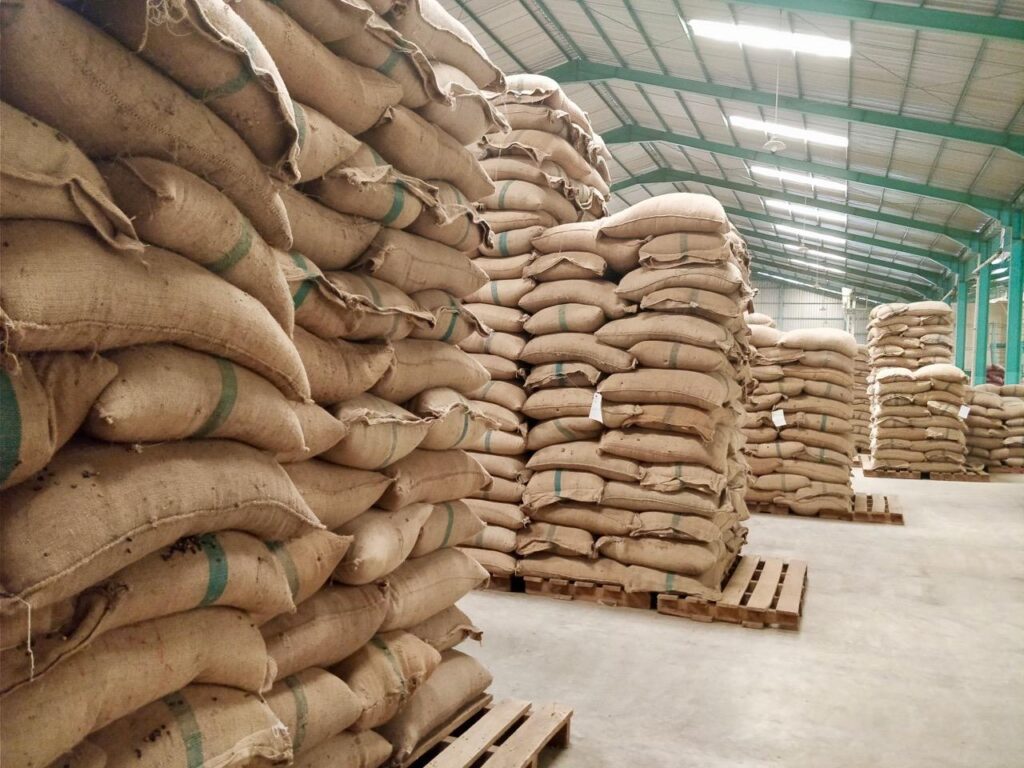
Coffee quality does not stop at processing.
Storage, packaging, and transportation also matter—especially when green coffee travels internationally.
BSN adopted SNI ISO 8455:2011 in 2025 as a guideline specifically addressing the storage and transportation of green coffee.
This highlights an important sourcing principle: buyers should discuss how the coffee will be prepared and protected during the supply chain.
Depending on the transaction, consider:
- bag material;
- inner liner requirements;
- net weight per bag;
- labeling;
- palletization where applicable;
- warehouse conditions;
- container preparation; and
- expected transit conditions.
For long-distance shipments, packaging should be considered part of quality management rather than merely a logistical detail.
7. Discuss Export and Commercial Terms Clearly
Before placing an order, both buyer and supplier should understand the commercial arrangement.
Important topics can include:
- product specification;
- quantity;
- MOQ;
- price;
- Incoterms;
- payment terms;
- production or preparation lead time;
- packaging;
- shipment schedule;
- required documentation; and
- destination requirements.
Do not assume that one quotation automatically includes every cost between origin and your warehouse.
Ask what the quoted price includes and which responsibilities belong to the buyer.
Clear communication at this stage reduces misunderstandings later.
Green Coffee or Roasted Coffee: What Should You Source?
The right product format depends on your business.
Green Coffee Beans
Green coffee is generally more relevant for professional roasters who want control over roast development.
It allows the buyer to create roast profiles suited to their equipment, market, and brewing applications.
A specialty roaster, for example, may want to develop separate roast profiles for espresso and filter coffee from the same origin.
Roasted Coffee
Roasted products may be more suitable for businesses that do not operate their own roasting facility or require a more finished coffee product.
However, roasted coffee requires careful consideration of roast profile, freshness, packaging, shipment time, and destination-market requirements.
Before ordering, tell the supplier exactly how you intend to use the coffee.
Who Can Buy from a Gayo Coffee Exporter?
A Gayo coffee exporter can potentially serve different B2B customer profiles depending on the supplier’s capabilities and commercial terms.
Coffee Roasters
Roasters may seek green beans that allow them to develop their own roasting profiles and create differentiated origin offerings.
Coffee Importers
Importers often require larger quantities, clear specifications, export documentation, reliable logistics, and repeat supply.
Distributors
Distributors may need products suitable for resale across hospitality, retail, or food-service channels.
Cafés and Coffee Shops
Cafés may source distinctive origins to strengthen their menu, signature drinks, or retail coffee offerings.
Private Label and Coffee Brands
Coffee businesses may also source Indonesian beans as part of a broader branded product portfolio.
Each buyer has different requirements. Therefore, communicate your business model when contacting a supplier.
How to Request a Gayo Coffee Quotation
A vague inquiry such as “Please send coffee price” rarely gives a supplier enough information to prepare an accurate commercial offer.
A better sourcing inquiry should include:
- company name;
- destination country;
- desired product;
- green or roasted coffee;
- preferred processing method;
- expected specifications;
- required quantity;
- packaging preference;
- estimated purchasing frequency; and
- target shipment period.
For example:
“We are a specialty coffee roaster looking for Gayo Arabica green coffee from Aceh. We would like information about available processing methods, specifications, MOQ, sample availability, packaging, pricing, and shipment options to our destination.”
This allows the exporter to understand the request much faster.
How to Compare Gayo Coffee Exporter Quotations
Price per kilogram should not be the only comparison point.
Suppose two exporters offer different prices. The cheaper offer may have different grade, processing, defect tolerance, packaging, crop, lot size, or commercial terms.
Instead, compare offers across the same criteria:
Factor | Exporter A | Exporter B |
Origin | Confirm | Confirm |
Processing | Compare | Compare |
Physical Specs | Compare | Compare |
Cup Profile | Compare | Compare |
Sample | Evaluate | Evaluate |
MOQ | Compare | Compare |
Packaging | Compare | Compare |
Incoterms | Compare | Compare |
Lead Time | Compare | Compare |
Documentation | Compare | Compare |
Only compare prices after understanding what each quotation actually represents.
Why Traceability Matters in Specialty Coffee Sourcing
Traceability helps buyers understand the relationship between the product and its origin.
Depending on the supply chain, traceability information may include region, producer group, processing location, lot, harvest information, or other product identifiers.
For specialty coffee businesses, this information can serve two purposes.
First, it helps support sourcing and quality evaluation.
Second, it provides useful origin information that can be communicated to customers—provided that any claims made are accurate and supported by the available documentation.
Rather than treating traceability only as marketing material, buyers should consider it part of supplier evaluation.
Why Processing Matters for Commercial Buyers
Processing affects more than sensory descriptions.
It can influence how a coffee fits a particular market.
A buyer looking for a clean, structured filter coffee may prioritize different characteristics from a business seeking a fuller-bodied espresso.
Therefore, ask your Gayo coffee exporter about available processing options rather than purchasing solely by region.
Our detailed guide to Gayo coffee processing explains how processing choices can shape the resulting coffee profile.
This information can help buyers create more precise sourcing specifications.
Understanding Coffee Quality Standards
Quality should be defined as clearly as possible between buyer and supplier.
For Indonesian coffee beans, BSN lists SNI 2907:2008 as the national standard for coffee beans, with a confirmation listed for 2026. BSN also maintains standards covering sensory sample preparation and green-coffee storage and transportation.
These references can help professional buyers understand the broader technical framework around coffee quality.
However, international buyers may also have their own specifications, destination requirements, or company standards.
Therefore, commercial contracts should clearly state the specifications agreed by both parties.
Common Mistakes When Sourcing Gayo Coffee
Buyers can reduce sourcing risk by avoiding several common mistakes.
Choosing only by price.
Low price means little if specifications, quality, packaging, or commercial terms differ.
Not requesting samples.
For specialty coffee, sensory evaluation is particularly important.
Ignoring processing methods.
Origin alone does not determine the final cup profile.
Using vague specifications.
“Premium Gayo coffee” is less useful than measurable and agreed product requirements.
Not clarifying Incoterms.
Buyers need to know where the supplier’s responsibility ends and their own begins.
Ignoring destination requirements.
Import regulations vary by country, so buyers should confirm requirements with the relevant authorities or import partners in their destination market.
Expecting every harvest to taste identical.
Coffee is an agricultural product. Buyers should discuss acceptable specifications and consistency rather than assuming perfect uniformity.
Gayo Coffee for Specialty Roasters
Specialty roasters often require more information than commodity buyers.
They may want to understand:
- origin;
- processing;
- harvest;
- moisture;
- physical defects;
- sensory profile;
- sample availability;
- lot size; and
- repeat availability.
This information helps roasting teams decide whether a coffee fits espresso, filter, blend, or single-origin programs.
For a broader introduction to the characteristics and sourcing considerations of Gayo beans, see our Gayo Coffee Beans Buying Guide.
Gayo Coffee for Importers and Distributors
Importers and distributors usually need to evaluate coffee from both quality and commercial perspectives.
Quality matters, but so do:
- available volume;
- repeatability;
- shipment planning;
- packaging;
- documentation;
- logistics;
- pricing structure; and
- communication.
For larger or recurring purchases, establish specifications before discussing long-term supply.
Indonesia’s established coffee export activity can also be reviewed through BPS official coffee export statistics by destination country.
Why Work with a Gayo Coffee Exporter from Indonesia?
Working with a supplier connected to origin can make communication about coffee characteristics, processing, availability, and specifications more direct.
For buyers, the objective should not simply be finding the lowest-cost supplier.
A stronger sourcing relationship is built around:
Product Understanding — knowing what you are purchasing.
Clear Specifications — defining quality before shipment.
Transparent Communication — discussing availability and limitations clearly.
Sample Evaluation — verifying suitability before scaling orders.
Supply Planning — aligning purchasing requirements with available coffee.
Long-Term Collaboration — developing specifications that work for both buyer and supplier.
These factors become increasingly important when coffee forms a core part of your business.
Source Gayo Coffee with Coffeenesia
Coffeenesia focuses on coffee and cascara products originating from Gayo, Aceh, Indonesia.
Buyers can explore Coffeenesia’s Gayo coffee and cascara products to understand our product offering and sourcing focus.
Our approach emphasizes product information, origin, processing, quality evaluation, and communication with buyers. If you want to understand Gayo coffee before discussing commercial sourcing, our Aceh Gayo Coffee guide provides additional insight into what makes this Indonesian origin distinctive.
For buyers interested in learning more about Coffeenesia and how we approach coffee sourcing, visit our About Us section.
FAQ About Gayo Coffee Exporters
What is a Gayo coffee exporter?
A Gayo coffee exporter supplies coffee originating from the Gayo region of Aceh to buyers in international markets. Depending on the company, services may include sourcing, quality evaluation, packaging coordination, documentation, and shipment preparation.
Where does Gayo coffee come from?
Gayo coffee originates from the Gayo Highlands in Aceh, Indonesia. The region is strongly associated with Arabica coffee production.
Can international buyers source Gayo green coffee beans?
Yes. Indonesia has an established coffee export market, and BPS maintains official statistics on Indonesian coffee exports by destination country. Availability, MOQ, specifications, and shipping arrangements should be confirmed with the supplier.
What should I ask a Gayo coffee exporter before ordering?
Ask about origin, processing method, physical specifications, cup profile, crop or lot information, MOQ, samples, price, packaging, lead time, Incoterms, documentation, and available quantity.
Should I request a sample before buying Gayo coffee?
For specialty coffee, sample evaluation is strongly recommended before committing to larger commercial quantities. It allows buyers to assess physical characteristics, roasting performance, and sensory suitability.
What processing methods are available for Gayo coffee?
Availability depends on the supplier and lot. Gayo coffee can be associated with several processing approaches, so buyers should ask what is currently available rather than assuming a specific process.
Does Indonesia have a standard for coffee beans?
Yes. BSN lists SNI 2907:2008 – Biji kopi (Coffee Beans) as an active Indonesian standard, with a 2026 confirmation also listed.
How much Gayo coffee should I order?
The appropriate quantity depends on your business, supplier MOQ, sales forecast, inventory strategy, shipping economics, and desired purchasing frequency. Ask the exporter for available quantities and MOQ before requesting a final quotation.
Can Gayo coffee be used for espresso and filter coffee?
Potentially, yes. Suitability depends on the specific lot, processing method, sensory characteristics, roast profile, and intended beverage. Professional buyers should evaluate samples before deciding how to position a coffee.
How do I start sourcing from Coffeenesia?
Prepare your requirements—including destination country, desired coffee, processing preference, quantity, packaging, and expected purchasing schedule—then contact Coffeenesia to discuss available options.
Looking for a Gayo Coffee Exporter?
Choosing a Gayo coffee exporter should involve more than comparing price lists. Origin, processing, specifications, sample quality, consistency, packaging, documentation, and commercial terms all influence whether a supplier is suitable for your business.
For specialty roasters, importers, distributors, cafés, and coffee brands, a clear sourcing process helps reduce uncertainty and makes it easier to identify coffee that fits both quality expectations and commercial requirements.
Ready to source Gayo coffee from Aceh, Indonesia? Explore Coffeenesia’s premium Gayo coffee products or contact Coffeenesia to discuss your sourcing requirements.