
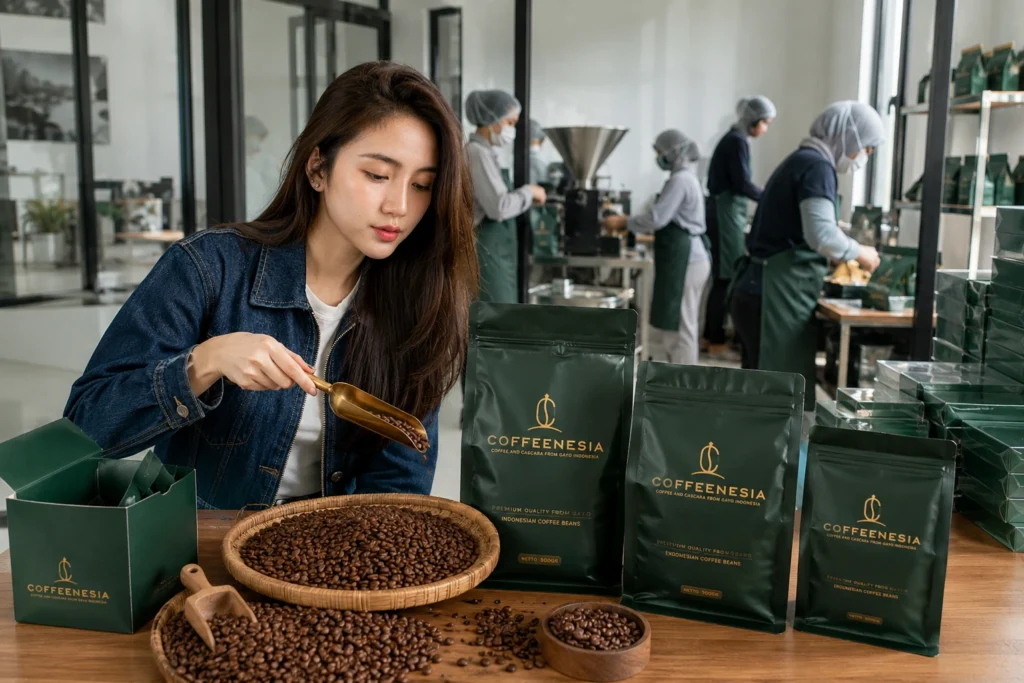
Gayo Coffee continues to attract international attention because it combines smooth texture, balanced flavor, and authentic Indonesian origin in one remarkable commodity. Gayo Coffee enthusiasts, specialty roasters, and global buyers admire the beans from Aceh for their clean cup profile, comforting aroma, and consistent quality.
The fertile highlands of Sumatra create ideal conditions for Gayo coffee cultivation, allowing farmers to produce beans with rich character and impressive complexity. Alongside premium Gayo coffee beans, the region also develops cascara sweet tea products that offer fruity flavor, refreshing qualities, and growing commercial value in modern beverage industries.
Highland Climate Shapes A Softer And Richer Flavor Profile
The mountainous region of Aceh provides one of the most suitable environments for specialty coffee cultivation in Indonesia. Cool temperatures, volcanic soil, and stable rainfall patterns help Gayo coffee cherries mature more slowly, allowing the beans to develop deeper sweetness and fuller aroma complexity. Farmers across the Gayo Highlands continue preserving traditional cultivation techniques while adapting modern quality standards to satisfy global market expectations. Their long experience contributes directly to the consistency that buyers often seek from Indonesian Gayo coffee commodities.
Coffee from this region usually presents earthy undertones, subtle herbal notes, mild spice accents, and chocolate sweetness that blend naturally into a smooth finish. Instead of producing sharp acidity that overwhelms the palate, the beans create a softer mouthfeel with layered flavor transitions. Roasters appreciate this balance because they can develop multiple roasting profiles without sacrificing the Gayo coffee’s signature body and aroma. Light roasting highlights floral sweetness and fruit nuances, while medium roasting strengthens caramel and cocoa characteristics.
International Gayo coffee businesses frequently choose beans from Aceh because the flavor remains approachable for casual consumers yet complex enough for specialty enthusiasts. This combination supports broad commercial opportunities across cafes, retail brands, restaurants, and premium beverage industries worldwide. As consumer interest in traceable Gayo coffee origins continues growing, products from Aceh maintain strong relevance in the international specialty Gayo Coffee market.
Traditional Farming Methods Preserve Authentic Origin Identity

Local farming communities across Aceh continue protecting agricultural traditions that shape the identity of this Gayo coffee origin. Many farmers still harvest cherries manually to ensure only ripe fruit enters the processing stage. Selective picking improves sweetness development and reduces unwanted defects that might influence the final cup profile. After harvesting, producers carefully sort and process the cherries to maintain consistency before export distribution begins.
Traditional wet hulling methods contribute significantly to the distinctive characteristics associated with Indonesian Gayo coffee. Unlike fully washed processing systems commonly used in Latin America, wet hulling allows beans to retain higher moisture levels during certain production stages. This approach creates fuller body texture and deeper earthy sweetness while preserving low acidity. Specialty buyers often recognize these sensory characteristics immediately because they represent one of Indonesia’s most recognizable coffee identities.
Modern processing innovations also continue emerging throughout the region. Some producers now experiment with honey processing, anaerobic fermentation, and natural drying methods to create more diverse flavor expressions. These techniques introduce tropical fruit sweetness, wine like aroma, and brighter complexity while maintaining the comforting smoothness that consumers already appreciate. The combination of heritage farming and controlled innovation helps producers expand market reach without abandoning traditional identity.
Global Gayo coffee markets increasingly reward authenticity and traceability. Buyers want products connected to real farming communities instead of anonymous industrial supply chains. Farmers in Aceh strengthen that demand by preserving cultivation traditions while improving quality control systems that support international export standards and specialty market expectations.
Modern Beverage Industries Continue Expanding Gayo Coffee Applications
The global beverage market constantly searches for ingredients that combine authenticity, versatility, and strong consumer appeal. Coffee products from Indonesia continue gaining attention because they support a wide range of commercial applications beyond traditional brewing. Specialty cafes use premium beans for espresso beverages, manual brewing menus, ready to drink Gayo coffee products, and dessert pairings that emphasize natural sweetness and smooth body characteristics.
Roasters appreciate how these beans maintain stable flavor performance under different roast levels and extraction styles. Lighter roasting profiles highlight floral aroma and subtle fruit tones, while darker profiles strengthen cocoa richness and deeper caramel sweetness. This flexibility allows businesses to target multiple consumer segments without changing origin sourcing strategies. Beverage manufacturers also value the consistency because it improves product reliability within large scale commercial production.
Culinary industries increasingly integrate Gayo coffee ingredients into sauces, pastries, chocolate products, and frozen desserts. Natural bitterness combined with aromatic sweetness creates deeper flavor complexity across modern recipes. Some skincare and wellness brands even incorporate coffee extracts into cosmetic products because consumers associate coffee with freshness, energy, and natural sensory appeal. These expanding commercial applications strengthen the overall value of Indonesian coffee commodities within international trade networks.
Growing digital exposure also contributes to stronger consumer awareness. Social media, specialty Gayo coffee competitions, and global coffee festivals encourage buyers to explore unique regional origins more actively than before. Products from Aceh continue benefiting from this trend because consumers recognize the region for producing balanced flavor profiles that remain approachable while still offering premium quality experiences.
Specialty Markets Value Consistency And Long Term Quality
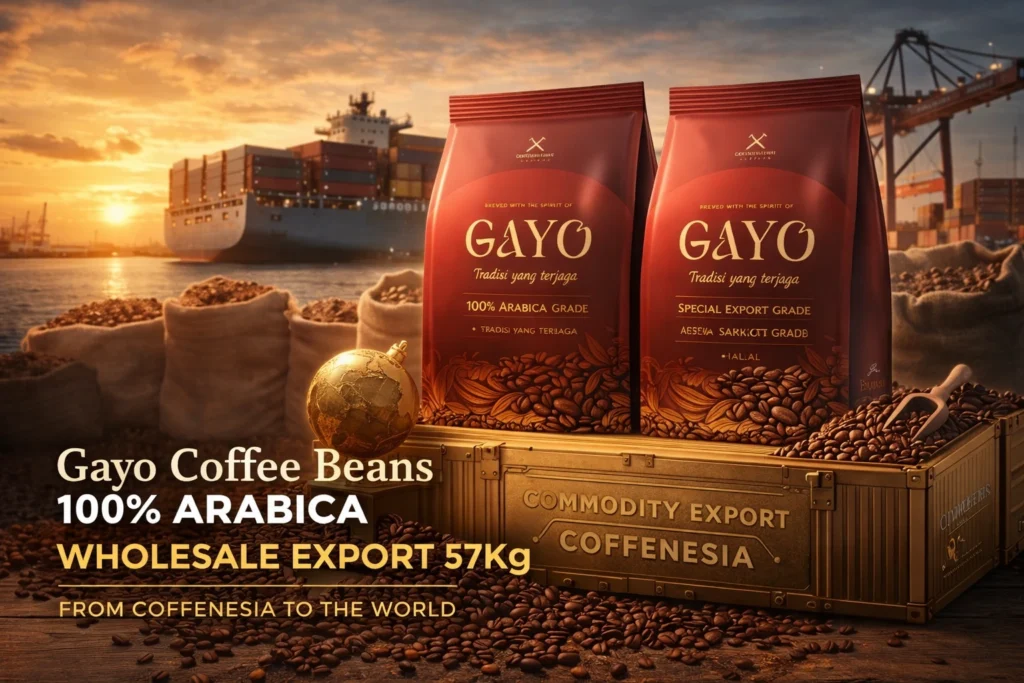
Global buyers rarely focus only on flavor when selecting Gayo coffee suppliers. Consistency, traceability, and long term reliability influence purchasing decisions just as strongly as sensory quality. Producers from Aceh continue improving quality management systems to strengthen confidence among international importers and specialty roasters. Moisture testing, bean sorting, and careful storage procedures now play larger roles throughout the export process.
Specialty Gayo coffee businesses often build their reputation around stable product quality. Cafes and retail brands cannot maintain loyal customer bases if flavor profiles fluctuate dramatically between shipments. Beans cultivated in the highlands of Sumatra support these commercial requirements because farmers and processors increasingly understand the importance of consistency within competitive global markets. Their improvements help maintain smooth body texture, sweetness balance, and aroma clarity across different harvest periods.
Consumer behavior also continues shifting toward products with authentic origin stories and sustainable sourcing practices. Buyers want transparency regarding cultivation methods, farmer welfare, and environmental responsibility. Agricultural communities within Aceh strengthen market trust by preserving traditional farming culture while developing more sustainable long term production strategies. These efforts increase the international value of Indonesian Gayo coffee products within premium market categories.
As specialty Gayo coffee culture expands worldwide, balanced flavor profiles remain highly attractive because they satisfy both experienced enthusiasts and casual drinkers. Gayo Coffee that feels approachable yet distinctive creates stronger commercial opportunities across multiple regions and consumer demographics. That advantage continues positioning Indonesian coffee from Aceh among the most respected specialty origins available today.
Premium Indonesian Gayo Coffee Continues Reaching Global Consumers
International demand for specialty coffee keeps expanding as consumers develop stronger interest in origin based products with authentic sensory identity. Indonesian coffee holds a unique position within this trend because it combines volcanic terroir, traditional processing techniques, and recognizable flavor characteristics that differ from Latin American or African origins. Among these Indonesian products, Gayo Coffee continues standing out because of its smooth texture, balanced sweetness, and reliable export quality.
Many global buyers now prioritize products that connect directly with farming communities and sustainable cultivation practices. Gayo Coffee businesses increasingly highlight traceability and transparency because consumers want to understand where their beverages originate and how producers cultivate them. Farmers in Aceh continue adapting to these market expectations by improving post harvest handling, preserving environmental quality, and strengthening export consistency without losing regional identity.
The long term commercial outlook also remains promising because younger consumers actively explore specialty beverages through cafes, digital platforms, and international coffee events. This exposure increases awareness surrounding Indonesian Gayo coffee culture while encouraging businesses to expand product diversity. Green beans, roasted Gayo coffee, cascara products, and ready to drink beverages all contribute to stronger market opportunities for exporters and specialty distributors.
Companies interested in sourcing Indonesian Gayo coffee commodities can explore more information through Coffeenesia at https://coffeenesia.id and discover detailed product insights regarding Gayo Coffee at https://coffeenesia.id/coffeenesia-coffee-from-gayo/. Global buyers and distribution partners can also discuss sourcing opportunities directly through WhatsApp at
Sustainable Cultivation Practices Increase International Market Trust
Environmental responsibility has become one of the most important considerations within the modern coffee industry. Buyers no longer evaluate products only through flavor and price because sustainability now influences long term purchasing strategies across global markets. Farming communities in Aceh continue strengthening cultivation practices that protect soil quality, preserve water resources, and maintain biodiversity throughout coffee producing areas. These efforts help create healthier agricultural systems while improving long term harvest stability.
Shade grown cultivation remains common throughout many highland plantations, allowing coffee trees to grow under natural canopy protection. This environment helps regulate temperature, reduce excessive water evaporation, and support surrounding ecosystems. Farmers also benefit because healthier soil conditions contribute to stronger tree productivity and more stable cherry development. The slower maturation process created by cooler shaded environments often enhances sweetness and aroma complexity within the beans.
International coffee roasters increasingly appreciate products connected to responsible agricultural methods because consumers actively support ethical sourcing practices. Transparent production systems strengthen confidence among importers and distributors who require reliable long term partnerships. Producers from Aceh continue adapting to these expectations through improved education, cooperative development, and better post harvest infrastructure. Their progress allows local coffee commodities to compete more effectively within premium specialty markets.
Sustainability also extends beyond farming techniques into broader economic stability for rural communities. Coffee cultivation supports employment opportunities for harvesting, processing, sorting, transportation, and export preparation across the region. Stronger international demand creates additional financial opportunities for farming families while encouraging younger generations to remain involved within agricultural industries. This cycle helps preserve traditional knowledge while supporting future production growth.
As specialty coffee culture evolves, businesses increasingly seek suppliers capable of balancing environmental responsibility with consistent product quality. Coffee from Aceh continues attracting attention because producers maintain authentic regional identity while improving sustainability standards that align with global consumer expectations and modern specialty market trends.
Consumer Demand Continues Driving Premium Coffee Expansion
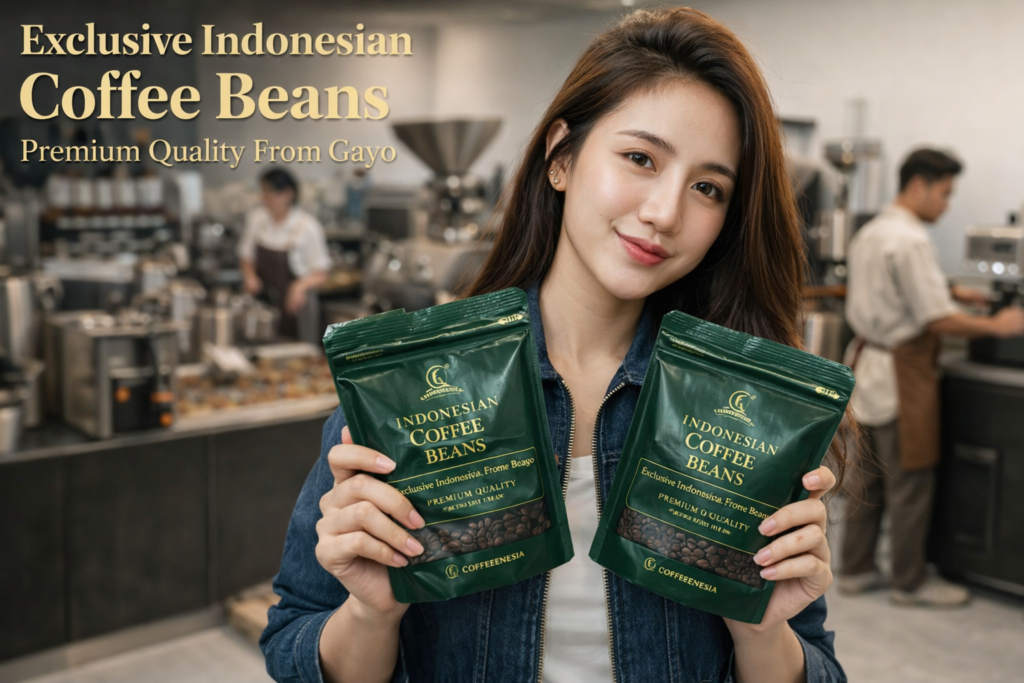
Specialty coffee consumption continues increasing across international markets as consumers become more curious about origin identity, production methods, and flavor complexity. Younger generations especially prefer beverages connected to authentic stories and artisanal production rather than anonymous mass manufactured products. This shift creates stronger opportunities for coffee producing regions capable of delivering distinctive sensory experiences with reliable quality standards.
Coffee shops worldwide now emphasize transparency more actively through single origin menus, farmer information, and brewing education programs. Consumers enjoy understanding how altitude, climate, processing, and roasting influence the final cup profile. Products from Aceh benefit significantly from this trend because the region already possesses strong recognition for balanced flavor and smooth body characteristics that appeal to both casual and experienced drinkers.
Social media also contributes heavily to growing international awareness surrounding Indonesian coffee culture. Visual storytelling, brewing tutorials, and specialty cafe content encourage consumers to explore unique regional origins more frequently than before. Roasters often showcase Indonesian beans because they introduce earthy sweetness and fuller body profiles that differ noticeably from brighter African or Latin American coffees. This diversity strengthens overall consumer interest within specialty coffee communities.
Ready to drink coffee products continue expanding as busy urban lifestyles increase demand for convenient premium beverages. Companies now develop canned cold brew, bottled latte drinks, and sparkling coffee infusions using specialty beans with stable flavor consistency. Indonesian coffee origins remain highly attractive for these applications because their smooth structure translates effectively into commercial beverage manufacturing without producing excessive bitterness.
Long term market projections suggest premium coffee demand will continue growing steadily across Asia, Europe, North America, and the Middle East. Producers capable of combining quality consistency, sustainability, and authentic regional identity will likely maintain stronger positions within competitive global industries. Aceh’s coffee sector continues strengthening these qualities, allowing Indonesian coffee products to remain relevant within evolving international specialty beverage markets.
Indonesian Coffee Culture Gains Stronger Global Recognition
Coffee culture has transformed dramatically over recent decades as consumers increasingly treat coffee as a sensory experience rather than simply a daily caffeine source. This transformation encourages appreciation for cultivation regions, roasting styles, brewing techniques, and flavor diversity across international markets. Indonesia continues gaining recognition within this movement because its coffee origins provide characteristics unavailable from many other producing countries.
The highlands of Aceh represent one of the strongest examples of Indonesia’s specialty coffee potential. Rich volcanic soil, tropical climate conditions, and generations of agricultural knowledge combine to create products with distinctive aroma, balanced sweetness, and comforting body texture. These qualities consistently attract cafes, importers, and specialty roasters searching for reliable origins capable of satisfying modern consumer preferences.
Coffee tourism also contributes to growing international recognition. Travelers increasingly visit producing regions to learn directly about cultivation practices, harvesting systems, and processing methods. This interaction strengthens appreciation for farming communities while creating additional economic opportunities beyond export markets. Indonesian coffee regions continue benefiting from rising tourism interest because visitors value authentic cultural experiences connected to specialty beverage production.
Educational programs and international coffee competitions further strengthen awareness surrounding Indonesian specialty coffee. Baristas, roasters, and coffee professionals frequently explore beans from Sumatra during sensory training and brewing events because the flavor profile differs significantly from other global origins. Fuller body texture, earthy sweetness, and herbal complexity help create memorable tasting experiences that remain recognizable even among experienced professionals.
As consumer understanding continues developing, demand for traceable origin coffee will likely expand even further. Producers who maintain quality consistency while preserving authentic regional identity will continue attracting stronger international attention. Indonesian coffee from Aceh remains well positioned within this evolving landscape because it combines tradition, flavor depth, sustainability potential, and versatile commercial applications in ways that resonate strongly with global specialty coffee culture.
Coffee Farmers Preserve Generational Knowledge Across The Highlands
Agricultural knowledge within the Aceh highlands has passed through generations for decades, shaping cultivation techniques that continue supporting premium coffee quality today. Farming families understand seasonal weather patterns, ideal harvesting periods, and careful cherry selection methods because they have worked closely with the land for many years. This deep familiarity with local conditions allows producers to maintain flavor consistency while adapting naturally to changing environmental challenges.
Many farmers still begin harvesting activities early in the morning when temperatures remain cooler and cherries appear easier to sort accurately. Workers carefully identify ripe fruit based on color, texture, and maturity because selective harvesting significantly influences sweetness development within the beans. Instead of rushing production for volume alone, experienced producers prioritize quality focused harvesting practices that improve the overall cup profile during roasting and brewing stages.
Community cooperation also plays an important role throughout Gayo coffee production cycles. Farmers frequently share knowledge regarding processing improvements, drying techniques, and quality management systems that help strengthen export standards collectively. Cooperative structures within some producing areas support access to training programs, financial assistance, and international market opportunities that smaller independent farmers may struggle to reach individually. These collaborations help rural communities remain competitive within rapidly evolving specialty coffee industries.
Cultural identity remains closely connected to Gayo coffee cultivation throughout the region. Harvest seasons often influence community activities, local trade interactions, and family livelihoods across the highlands. This connection creates stronger emotional value around production practices because coffee represents more than a commercial commodity alone. It also reflects heritage, survival, and regional pride that farming communities continue preserving despite modern market pressures and changing consumer trends worldwide.
As global demand for traceable agricultural products increases, buyers increasingly appreciate commodities connected to authentic human stories and long term craftsmanship. Farmers across Aceh strengthen this appeal naturally through their dedication to preserving cultivation traditions while continuing to improve quality standards for international specialty Gayo coffee markets.
Export Potential Continues Growing Across International Industries
International trade opportunities for Indonesian Gayo coffee continue expanding as specialty beverage markets develop more rapidly across multiple regions. Importers increasingly seek products capable of delivering stable quality, recognizable origin identity, and versatile commercial applications within competitive consumer industries. Gayo Coffee cultivated in Aceh continues attracting attention because it satisfies these requirements while offering balanced flavor characteristics suitable for broad international audiences.
Green bean exports remain one of the strongest sectors supporting Indonesia’s Gayo coffee economy. Specialty roasters from Europe, North America, Asia, and the Middle East actively purchase premium beans for single origin programs and signature blend development. Their interest continues increasing because consumers now value traceability and authentic regional flavor more strongly than anonymous commodity coffee products commonly found within mass market industries.
Roasted coffee distribution also creates additional growth opportunities. Businesses increasingly launch packaged specialty Gayo coffee products through retail stores, online platforms, subscription services, and cafe partnerships targeting younger urban consumers. Smooth body texture and approachable flavor structure help Indonesian coffee perform well within these expanding retail environments because the products appeal to both experienced enthusiasts and casual drinkers simultaneously.
Beyond traditional brewing applications, beverage innovation continues opening new commercial possibilities. Companies now develop canned coffee drinks, bottled cold brew, Gayo coffee infused desserts, energy beverages, and wellness focused beverage concepts using specialty coffee ingredients. Cascara products also contribute additional export potential because health conscious consumers increasingly explore fruit based tea alternatives with lower caffeine intensity and natural antioxidant content.
Government support, agricultural education, and stronger international exposure continue strengthening Indonesia’s position within specialty Gayo coffee industries worldwide. Producers who maintain quality consistency while improving sustainability and traceability standards will likely experience even greater opportunities in future markets. Aceh’s coffee sector remains particularly well positioned because it combines strong regional identity with flavor characteristics capable of competing successfully across premium global beverage industries.
Consumer Preferences Shift Toward Authentic Origin Experiences
Modern consumers increasingly prioritize authenticity when selecting food and beverage products. Instead of focusing only on convenience or price, many buyers now search for products connected to real geographic origins, traditional craftsmanship, and transparent production systems. Specialty coffee industries continue benefiting from this shift because origin identity strongly influences sensory expectations and purchasing decisions across international markets.
Coffee drinkers often enjoy exploring regional flavor differences much like wine enthusiasts compare vineyards and grape varieties from different countries. Products cultivated in Aceh attract attention because they deliver earthy sweetness, soft body texture, and balanced complexity that differ clearly from brighter African coffees or nutty Latin American profiles. This distinction creates memorable tasting experiences that encourage consumers to learn more about Indonesian coffee culture and production methods.
Cafe culture also strengthens interest in origin focused coffee experiences. Baristas increasingly educate customers about altitude, processing methods, roasting approaches, and brewing techniques that shape final flavor outcomes. Consumers appreciate this educational interaction because it transforms coffee consumption into a more engaging sensory and cultural experience rather than a routine daily habit alone.
Digital platforms contribute significantly to these changing preferences. Social media content featuring brewing tutorials, origin storytelling, and specialty cafe experiences encourages younger audiences to experiment with premium coffee products more actively than previous generations. Indonesian coffee origins benefit from this visibility because consumers frequently seek unique flavor profiles that stand apart from mainstream commercial blends.
Businesses that understand these consumer trends continue investing more heavily in traceable sourcing relationships and authentic product storytelling. Coffee from Aceh remains highly attractive within this environment because producers can offer genuine agricultural heritage combined with modern quality improvements. The ability to deliver both authenticity and consistency strengthens long term international market potential while increasing appreciation for Indonesia’s specialty coffee industry worldwide.
Future Opportunities Strengthen Indonesia’s Specialty Gayo Coffee Industry
The global coffee industry continues to evolve as consumer preferences shift toward quality, sustainability, and innovation. Specialty coffee culture encourages deeper exploration of origin characteristics, creating opportunities for producers who can deliver distinctive profiles. Aceh’s highland coffee fits well within this movement due to its balanced flavor and strong identity.
Emerging trends highlight the importance of transparency. Consumers increasingly want to know where their coffee comes from and how it is produced. This demand drives improvements in traceability systems, allowing producers to share detailed information about their practices. In this landscape, Gayo Coffee benefits from its established reputation and ongoing commitment to transparency.
Sustainability also remains a central focus. Environmental concerns push the industry toward responsible farming and resource management. Producers who adopt eco friendly practices gain a competitive advantage, as buyers prioritize ethical sourcing. This shift reinforces the importance of maintaining biodiversity and reducing environmental impact.
Innovation in product development continues to expand possibilities. New processing techniques, alternative beverages, and creative applications keep coffee relevant in a dynamic market. Cascara based products, in particular, align with trends that emphasize sustainability and functional benefits.
Looking ahead, collaboration across the supply chain will play a key role in sustaining growth. Farmers, exporters, and buyers must work together to address challenges and seize opportunities. By maintaining quality, embracing innovation, and preserving cultural heritage, this origin remains well positioned for continued success in the global market.
Coffeenesia: Delivering Premium Gayo Coffee and Cascara to Global Buyers!

Coffeenesia stands as a trusted exporter of Indonesia’s finest coffee commodities, specializing in premium Gayo Arabica and high-quality cascara sourced directly from the Gayo Highlands of Aceh. Through our official platform, Coffeenesia.id, we provide importers, roasters, and cafés worldwide with consistent access to ethically sourced, farm-direct products crafted to meet international specialty standards. Every batch reflects the rich heritage, natural purity, and meticulous craftsmanship of the coffee-growing communities we work closely with.
At the heart of our offerings is Gayo Coffee, renowned for its smooth profile, low acidity, and captivating flavor notes. Buyers can choose from multiple processing types Washed, Honey, and Natural each highlighting unique characteristics shaped by Gayo’s fertile volcanic soil and high altitudes. Whether you require green beans for roasting, ready-to-brew roasted beans, or private-label packaging for your brand, Coffeenesia ensures uniform quality and reliable supply for wholesale needs.
Alongside our coffee beans, Coffeenesia also proudly exports Cascara from Gayo, a premium dried coffee cherry tea celebrated for its fruity aroma, natural sweetness, and high antioxidant content. Our cascara is sourced from carefully hand-selected cherries and processed using hygienic sun-drying techniques, making it suitable for specialty cafés, beverage manufacturers, and wellness-focused brands seeking a unique, trending product with strong market appeal.
Through our integrated sourcing and export system, Coffeenesia delivers more than just commodities—we provide transparent quality control, export-ready documentation, custom roasting consultation, and efficient international logistics. By choosing Coffeenesia, global buyers gain a dependable partner committed to authenticity, sustainability, and the true flavors of Indonesia’s highlands.
For coffee professionals seeking premium, traceable, and ethically produced products from Gayo, Coffeenesia is your gateway to the finest coffee and cascara Indonesia has to offer.
Let’s bring the rich taste of Gayo Highlands to coffee lovers around the world — together.
FAQ Gayo Coffee
- Does Gayo Coffee contain strong acidity?
Most varieties offer mild acidity with a smoother texture, making the flavor easier to enjoy daily. - Why do many buyers choose coffee from Aceh?
Buyers appreciate its balanced flavor, stable quality, rich aroma, and versatile roasting potential for global markets. - Can cascara sweet tea replace regular tea?
Many consumers drink cascara as a lighter alternative because it provides fruity sweetness and lower caffeine content. - Which brewing method suits these beans best?
Pour over, espresso, French press, and cold brew methods all highlight different flavor layers naturally. - How should green coffee beans be stored?
Store them inside cool, dry spaces with stable airflow to preserve aroma, moisture balance, and freshness longer. - Is Gayo Coffee suitable for commercial beverage products?
Yes, many cafes and beverage companies use it for bottled drinks, espresso blends, desserts, and specialty menus worldwide.