
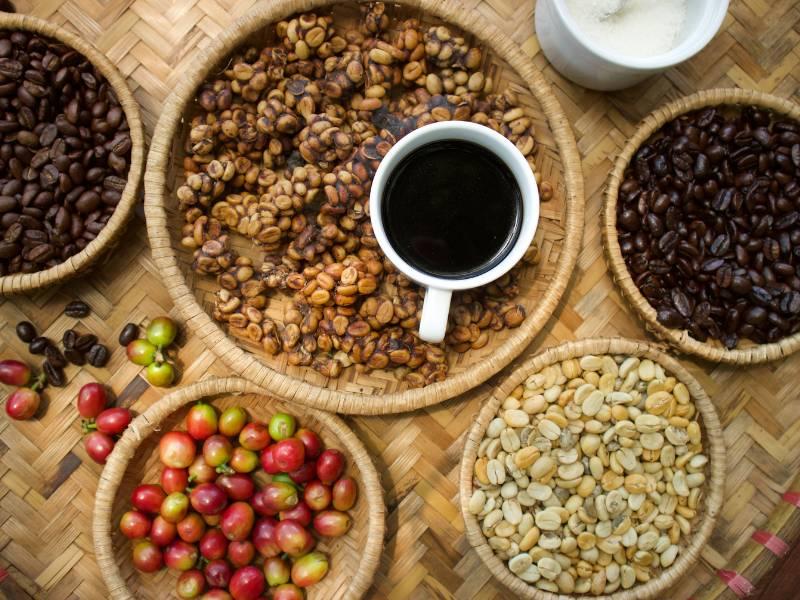
Indonesia is one of the world’s leading coffee-producing countries, known for its diverse origins, distinctive processing methods, and wide selection of Arabica and Robusta coffee. For importers, roasters, café owners, wholesalers, distributors, and private-label brands, learning how to source premium coffee beans from Indonesia can open valuable opportunities in both specialty and commercial coffee markets.
However, successful sourcing requires more than finding an attractive price. International buyers need to evaluate coffee origin, processing method, physical quality, cup profile, supplier reliability, packaging, documentation, and shipping requirements.
Indonesia’s coffee-growing regions stretch from Aceh and Sumatra to Java, Bali, Sulawesi, Flores, and Papua. As a result, buyers can access coffees with significantly different characteristics and positioning opportunities.
This guide explains 7 powerful tips to source premium coffee beans from Indonesia while reducing sourcing risks and building a more reliable supply relationship.
Table of Contents
ToggleWhy Source Premium Coffee Beans from Indonesia?
International buyers choose to source premium coffee beans from Indonesia because the country offers exceptional diversity.
Indonesia produces both Arabica and Robusta coffee across numerous growing regions. Differences in altitude, climate, soil, varieties, farming practices, fermentation, and processing can create highly distinctive coffee profiles.
Some well-known Indonesian origins include:
- Gayo, Aceh
- Mandheling, North Sumatra
- Java
- Toraja, South Sulawesi
- Kintamani, Bali
- Flores Bajawa
- Papua
This diversity allows buyers to select coffee according to their target market.
For example, specialty roasters may prioritize traceability, distinctive cup characteristics, processing methods, and cupping scores. Meanwhile, commercial buyers may focus more on consistent specifications, available volume, competitive pricing, and reliable supply.
For broader information about the global coffee sector, international buyers can also explore the International Coffee Organization.
1. Understand Indonesia’s Major Coffee Origins
The first step when you source premium coffee beans from Indonesia is understanding the country’s major producing regions.
Origin can influence market positioning and potential sensory characteristics. However, buyers should remember that coffee from the same region can still vary depending on variety, farm, altitude, processing, harvest, drying, and storage.
Gayo Coffee from Aceh
Gayo coffee is grown in the highlands of Aceh and is one of Indonesia’s internationally recognized Arabica origins.
Depending on the lot and processing method, Gayo coffee may offer characteristics associated with:
- Chocolate
- Caramel
- Herbs
- Spices
- Fruit
- Floral aromas
Because of its versatility, Gayo can serve specialty cafés, roasters, and premium retail coffee brands.
Mandheling Coffee from North Sumatra
Mandheling is widely associated with Indonesian coffee in international markets.
Selected coffees may offer a fuller body, relatively low perceived acidity, and characteristics such as chocolate, herbs, spice, earthy notes, or sweetness.
For buyers seeking a classic Indonesian profile, Mandheling can be an interesting option.
Toraja Coffee from South Sulawesi
Toraja coffee can offer balanced body, sweetness, and acidity.
Depending on the lot, buyers may encounter chocolate, nutty, spice, fruit, or herbal characteristics.
Therefore, Toraja can work for both single-origin products and carefully developed blends.
Kintamani Coffee from Bali
Bali Kintamani coffee is often associated with brighter acidity and refreshing characteristics.
Selected lots may show citrus, fruit, floral, chocolate, or sweet notes.
As a result, Kintamani can appeal to buyers looking for a cleaner and brighter Indonesian coffee profile.
Flores Bajawa Coffee
Flores Bajawa grows in the highlands of Flores, East Nusa Tenggara.
Depending on the coffee, processing, and roast development, the cup may show cocoa, caramel, fruit, floral, spice, or brown-sugar-like characteristics.
Coffee from Papua
Papua also produces distinctive Indonesian coffee.
Selected coffees can show sweetness, floral characteristics, fruit, and balanced acidity.
Ultimately, buyers should evaluate individual samples rather than relying only on general descriptions of each origin.
2. Choose Between Arabica and Robusta
When planning to source premium coffee beans from Indonesia, decide whether your business needs Arabica, Robusta, or both.
Each serves different markets.
Indonesian Arabica Coffee
Arabica is commonly associated with greater aromatic and flavor complexity.
It can be suitable for:
- Specialty coffee
- Single-origin products
- Premium roasted coffee
- Manual brewing
- Specialty espresso
- High-value retail products
For specialty buyers, origin, processing method, variety, traceability, and cupping performance may become important purchasing considerations.
Indonesian Robusta Coffee
Robusta generally provides stronger body and higher caffeine content.
Depending on grade and quality, it may be suitable for:
- Espresso blends
- Commercial roasted coffee
- Instant coffee
- Food and beverage manufacturing
- Private-label products
Indonesia also produces higher-quality Robusta that can serve buyers seeking more distinctive profiles.
Therefore, the best choice depends on your target market, desired flavor, commercial positioning, and budget.
3. Evaluate the Coffee Processing Method
Processing can strongly influence the sensory characteristics of coffee.
Therefore, buyers who want to source premium coffee beans from Indonesia should always ask how the coffee was processed.
Washed Process
Washed coffee generally emphasizes cleaner cup characteristics and clearer acidity.
However, the final profile still depends on origin, variety, fermentation, drying, and storage.
Natural Process
Natural processing dries coffee cherries with the fruit surrounding the seed.
When managed carefully, this method can produce:
- Strong sweetness
- Berry characteristics
- Tropical fruit notes
- Wine-like aromas
- Fuller fruit expression
Natural coffee can be attractive for specialty buyers looking for expressive profiles.
Honey Process
Honey processing retains part of the mucilage around the coffee during drying.
Depending on execution, it can contribute sweetness, body, and fruity characteristics.
Wet-Hulled or Giling Basah
Wet-hulling, locally called giling basah, is strongly associated with Indonesia, particularly Sumatra.
This method contributes to many of the characteristics commonly associated with traditional Indonesian coffees.
Nevertheless, processing labels do not guarantee quality. Buyers should always combine processing information with physical inspection and cupping.
4. Define Clear Coffee Quality Specifications
One of the most important steps when you source premium coffee beans from Indonesia is defining what “premium” means for your business.
Do not simply ask suppliers:
“Do you have premium Indonesian coffee?”
Instead, provide measurable requirements.
Consider requesting information about:
- Origin
- Arabica or Robusta
- Variety, when available
- Harvest or crop period
- Processing method
- Moisture content
- Screen size
- Defect specifications
- Bean uniformity
- Cupping score, when relevant
- Cup profile
- Traceability
- Storage conditions
- Available quantity
- Packaging options
Clear specifications help both parties understand expectations before a commercial transaction begins.
Match Coffee Quality with Your Market
Different businesses need different specifications.
A specialty café may prioritize high-quality Arabica with distinctive sensory characteristics.
Meanwhile, a commercial roaster may require a consistent Robusta or Arabica lot that performs reliably across large production volumes.
Therefore, specifications should reflect the actual needs of your customers rather than simply choosing the highest-priced coffee.
5. Request Samples Before Buying in Volume
Before purchasing commercial quantities, request representative samples.
This is one of the most practical ways to reduce risk when you source premium coffee beans from Indonesia.
Samples allow buyers to evaluate:
- Green bean appearance
- Aroma
- Flavor
- Acidity
- Sweetness
- Body
- Balance
- Aftertaste
- Uniformity
- Defects
- Roasting behavior
- Brewing performance
Conduct a Cupping Evaluation
Professional buyers can compare several coffees through cupping.
For example, you could evaluate:
- Washed Gayo Arabica
- Natural Flores Arabica
- Wet-hulled Toraja
- Indonesian Robusta
Comparing samples side by side helps reveal differences that may not be obvious from specification sheets alone.
Moreover, samples give buyers an opportunity to communicate feedback before placing a larger order.
Don’t Evaluate Coffee Based Only on Photos
Photographs can help you understand physical appearance, but they cannot tell you everything about cup quality.
A visually attractive green coffee may still perform differently when roasted and brewed.
Therefore, sample evaluation should remain part of the sourcing process whenever practical.
6. Work with a Trusted Indonesian Coffee Supplier
Finding the right supplier is essential when you source premium coffee beans from Indonesia.
A suitable supplier should provide more than coffee availability.
Consider evaluating suppliers based on:
- Consistent quality
- Transparent origin information
- Clear product specifications
- Representative samples
- Reliable communication
- Production capacity
- Export experience
- Packaging capabilities
- Documentation support
- Lead times
- Logistics coordination
- Long-term supply potential
Do Not Choose Based on Price Alone
Price matters, but the cheapest quotation does not always create the best business outcome.
Inconsistent coffee may lead to:
- Unstable roast profiles
- Rejected batches
- Customer complaints
- Product inconsistency
- Higher quality-control costs
Therefore, buyers should compare overall value rather than price alone.
Build Long-Term Supplier Relationships
Coffee is an agricultural product. Quality and availability may change between harvests.
Maintaining strong communication with suppliers can help buyers understand crop changes, identify alternatives, forecast volume, and plan future purchases.
For additional sourcing insights, read Coffeenesia’s guide on finding reliable coffee bean suppliers and improving sourcing decisions.
7. Understand Export, Packaging, and Logistics
The final step when you source premium coffee beans from Indonesia is understanding how the coffee will reach your market.
International coffee transactions can involve multiple documents and logistics requirements.
Depending on the destination and transaction, documentation may include:
- Commercial Invoice
- Packing List
- Bill of Lading
- Certificate of Origin
- Phytosanitary Certificate when required
- Customs documentation
- Other destination-specific documents
Import requirements vary between countries. Therefore, buyers should confirm current requirements with their customs authorities, import partners, freight forwarders, or other qualified professionals.
Choose Suitable Coffee Packaging
Packaging helps protect green coffee during storage and international transportation.
Depending on supplier capability and buyer requirements, options can include:
- Jute sacks
- Jute sacks with protective liners
- High-barrier bags
- Vacuum packaging
- Customized export packaging
Premium microlots may require different packaging from high-volume commercial coffee.
Therefore, discuss packaging before finalizing the purchase.
Confirm Shipping Terms
Before placing an order, confirm:
- Destination port
- Shipping schedule
- Lead time
- Shipment volume
- Freight arrangement
- Incoterms
- Payment terms
- Documentation
- Responsibilities of buyer and seller
Clear commercial terms can reduce misunderstandings later.
What Should Buyers Ask Before Ordering?
International buyers who want to source premium coffee beans from Indonesia should prepare a clear sourcing brief.
Ask suppliers the following questions.
What Origin Is Available?
Request specific information about where the coffee was produced.
Origin information can help with quality evaluation, product positioning, and traceability.
What Processing Method Was Used?
Ask whether the coffee is washed, natural, honey, wet-hulled, or processed using another method.
Processing information can provide useful clues about potential sensory characteristics.
What Is the Available Volume?
Tell suppliers how much coffee you need for the initial purchase and potential repeat orders.
This helps determine whether the supplier can support your business over time.
Can I Request Samples?
Ask whether representative samples are available before committing to larger quantities.
What Packaging Is Available?
Discuss packaging types, weight, liner options, labeling, and other specifications before shipment.
What Export Documents Can Be Provided?
Confirm which documentation is available and which requirements apply to your destination.
Common Mistakes When Sourcing Indonesian Coffee
Buyers should avoid several mistakes when they source premium coffee beans from Indonesia.
Choosing Coffee Based Only on Price
The lowest price may involve compromises in quality, consistency, traceability, or service.
Compare total value instead.
Ordering Without Samples
Large orders made without sample evaluation increase purchasing risk.
Whenever practical, review representative samples first.
Using Vague Specifications
Terms such as “premium,” “high quality,” or “best coffee” can mean different things to different suppliers.
Provide measurable specifications.
Ignoring Packaging
Poor packaging may affect coffee during long-distance storage and transportation.
Discuss suitable packaging before shipment.
Not Confirming Commercial Terms
Product specifications, quantity, price, payment terms, packaging, Incoterms, shipment dates, and documents should be confirmed clearly.
Why Choose Coffeenesia?
Coffeenesia supports international businesses that want to source premium coffee beans from Indonesia for specialty and commercial markets.
We work with Indonesian coffee-producing communities and supply-chain partners to help buyers explore suitable coffee based on their requirements.
Depending on availability, our portfolio can include:
- Green Coffee Beans
- Specialty Coffee
- Indonesian Arabica
- Indonesian Robusta
- Selected regional coffees
- Cascara
Coffee Sourcing Based on Your Requirements
Different buyers have different priorities.
A specialty roaster may need traceability, distinctive processing, and specific sensory characteristics.
A distributor, meanwhile, may prioritize:
- Reliable volume
- Consistent specifications
- Competitive commercial terms
- Predictable logistics
For this reason, we encourage international buyers to provide clear requirements from the beginning.
Tell us your:
- Preferred origin
- Arabica or Robusta preference
- Processing method
- Target cup profile
- Quality specifications
- Expected quantity
- Packaging
- Destination
This information helps create a more focused sourcing process.
Support for International Coffee Buyers
Coffeenesia aims to support important stages of international sourcing, including:
Product Selection
Explore available coffee according to your target market.
Sample Evaluation
Evaluate suitable coffee before considering larger purchases.
Quality Discussion
Define specifications based on your requirements.
Packaging Coordination
Discuss suitable packaging according to the coffee and destination.
Export Documentation
Coordinate relevant documentation according to the transaction.
Logistics Coordination
Discuss shipping arrangements based on destination and volume.
Frequently Asked Questions
Why Should I Source Premium Coffee Beans from Indonesia?
Indonesia offers diverse coffee origins, Arabica and Robusta varieties, specialty coffee, and several processing methods. This gives buyers flexibility when selecting coffee for different market segments.
Where Can I Source Premium Coffee Beans from Indonesia?
Buyers can work with exporters, producers, cooperatives, processors, and specialized Indonesian coffee suppliers.
Choose suppliers based on quality, transparency, samples, communication, export experience, and supply capability.
What Are the Most Popular Indonesian Coffee Origins?
Well-known origins include Gayo, Mandheling, Java, Toraja, Kintamani, Flores, and coffee-growing regions in Papua.
However, individual lots can vary significantly.
Should I Buy Arabica or Robusta?
Arabica can be suitable for specialty and premium markets, while Robusta can serve espresso blends, commercial coffee, manufacturing, and other applications.
The best option depends on your business model and target customer.
Should I Request Samples Before Buying?
Yes. Samples help you evaluate physical quality, aroma, flavor, roasting performance, and cup characteristics before purchasing commercial quantities.
How Can I Evaluate Indonesian Coffee Quality?
Review origin, processing method, moisture, defects, screen size, physical appearance, traceability, and cup performance.
For specialty coffee, structured cupping can provide additional information.
What Documents Are Needed for Indonesian Coffee Export?
Requirements vary by destination. Relevant documentation can include commercial invoices, packing lists, bills of lading, certificates of origin, phytosanitary documentation, and customs documents.
How Do I Find a Reliable Coffee Supplier in Indonesia?
Look for suppliers with consistent quality, transparent product information, representative samples, export experience, reliable communication, suitable packaging, and the ability to support recurring orders.
Start Sourcing Premium Indonesian Coffee
Learning how to source premium coffee beans from Indonesia involves more than finding a supplier with an attractive quotation.
Start by understanding Indonesian origins and selecting the right Arabica or Robusta coffee. Next, evaluate processing methods, define measurable quality specifications, and request representative samples.
Then, compare suppliers based on quality consistency, communication, transparency, export capability, packaging, and long-term supply potential.
Finally, confirm documentation, shipping requirements, commercial terms, and destination-country import requirements before placing an order.
Indonesia offers diverse coffee options for specialty roasters, importers, distributors, cafés, and commercial buyers. With a structured sourcing process and reliable partner, international businesses can build a more stable Indonesian coffee supply chain.
If your company is ready to source premium coffee beans from Indonesia, Coffeenesia can help you explore available coffee based on your preferred origin, processing method, quality specifications, volume, packaging, and destination.
Contact Coffeenesia to discuss your Indonesian coffee sourcing requirements and build a reliable supply partnership for your market.