

Gayo Coffee stands among the most distinctive highland arabica coffees in the world, and global coffee enthusiasts continue to recognize its complexity, balance, and remarkable aromatic depth. Farmers cultivate Gayo Coffee across the mountainous Gayo Highlands in Aceh, Indonesia, where cool temperatures, fertile volcanic soil, and high elevation shape beans that mature slowly and develop rich flavor structures.
Because the cherries ripen gradually in these conditions, the beans accumulate aromatic compounds that create a layered sensory profile rarely found in many other coffee origins. Coffee professionals often describe the cup character as smooth, earthy, and complex while revealing subtle sweetness and gentle acidity.
The agricultural culture surrounding this origin also contributes to its reputation because local farmers maintain careful harvesting practices and long standing processing traditions. Across international specialty markets, buyers increasingly seek Gayo Coffee as a reliable highland arabica with distinctive flavor clarity and stable quality. Within these beans, coffee drinkers frequently experience what tasters describe as seventy two aroma layers, a poetic way to express the remarkable spectrum of scents and flavors that unfold during brewing.
Gayo Coffee Highland Ecosystem and Agricultural Environment
The mountainous ecosystem of Aceh forms the natural foundation that supports the identity of this coffee origin. Coffee plants thrive at elevations that frequently range between 1,200 and 1,700 meters above sea level, and this altitude creates cooler temperatures that slow down cherry development. When cherries mature gradually, they store greater concentrations of organic compounds that later influence aroma complexity, body structure, and sweetness.
Farmers across the Gayo Highlands cultivate coffee under shaded agroforestry systems that combine coffee plants with forest trees, fruit trees, and other vegetation. This method improves biodiversity while protecting soil fertility and stabilizing the surrounding ecosystem. Inside these mountain landscapes, growers carefully nurture trees that eventually produce the well known Gayo Coffee Beans valued by specialty markets around the world. In addition to favorable altitude, the volcanic soil of the region contributes essential minerals that enrich the growth cycle of coffee plants.
Rainfall patterns also support healthy development because seasonal moisture helps maintain balanced plant metabolism throughout the growing season. Farmers often rely on traditional knowledge that passes through generations, and they continue to apply selective hand picking to ensure that only fully ripe cherries reach the processing stage. This approach allows producers to protect flavor consistency while strengthening the global reputation of the coffee produced in this region. Through this careful cultivation approach, the Gayo Highlands maintain their status as one of the most respected arabica growing areas in Indonesia.
Gayo Coffee Flavor Complexity and Seventy Two Aroma Layers
Flavor complexity represents one of the most celebrated characteristics of coffee originating from the Gayo Highlands. When coffee professionals evaluate the sensory qualities of this origin, they often describe a remarkably layered aromatic structure that reveals numerous scent dimensions throughout brewing and tasting. In specialty cupping sessions, tasters regularly identify notes that include dark chocolate, roasted nuts, cedar wood, herbal nuances, brown sugar sweetness, and mild spice tones.
These flavor dimensions combine into a balanced profile that coffee lovers appreciate for both depth and smoothness. Within the world of specialty coffee, many experts highlight Gayo Coffee Beans as a prime example of how altitude, soil composition, and careful harvesting can produce exceptional aromatic complexity. The concept of seventy two aroma layers reflects the wide spectrum of subtle sensory impressions that can appear as the brewed coffee gradually cools.
At first sip, drinkers often notice chocolate and nut characteristics, while additional notes appear slowly with each moment of tasting. Some cups reveal mild caramel sweetness or dried fruit tones, while others show delicate herbal impressions typical of Indonesian highland coffees. Because the beans develop slowly under mountain conditions, they form dense cellular structures that preserve these aromatic compounds during roasting and brewing. As a result, the flavor experience evolves over time rather than remaining static, allowing drinkers to discover new nuances throughout the entire cup.
Gayo Coffee Nutritional Compounds and Natural Coffee Benefits
Coffee offers more than sensory enjoyment because it also contains several natural compounds that contribute to nutritional and physiological benefits. Within the chemical composition of high quality arabica beans, scientists identify antioxidants, organic acids, minerals, and naturally occurring caffeine. These compounds support various metabolic functions when people consume coffee in moderate amounts.
Chlorogenic acids represent one of the most studied antioxidants in coffee, and researchers continue to explore their potential influence on metabolic health and cellular protection. When farmers cultivate and process coffee carefully, these compounds remain stable inside the roasted beans. Specialty markets therefore recognize Gayo Coffee Beans not only for their taste but also for their balanced chemical composition. Caffeine also plays a well known role in stimulating alertness and improving concentration. Many professionals enjoy coffee as part of their daily routine because it supports mental clarity during demanding tasks.
Coffee additionally provides small quantities of magnesium, potassium, and vitamin B compounds that assist energy metabolism. Although coffee should never replace a balanced diet, moderate consumption can complement healthy lifestyle patterns. The smooth acidity of coffee grown in highland environments often allows drinkers to enjoy the beverage comfortably, especially when roasting and brewing highlight its natural balance. Consequently, coffee from this region continues to attract consumers who value both flavor and the natural properties associated with high quality arabica beans.
Gayo Coffee Traditional Processing and Wet Hulling Technique

Processing methods strongly influence the final cup profile of any coffee origin, and the Gayo Highlands maintain a distinctive approach that defines Indonesian arabica character. After farmers harvest ripe cherries, producers begin processing by removing the outer fruit layer through pulping machines. The beans then ferment briefly before workers wash away remaining mucilage. During the early drying stage, the beans still retain a parchment layer that protects the seed while moisture levels gradually decline.
The unique wet hulling technique, widely known as Giling Basah, distinguishes Indonesian processing traditions from many other coffee producing regions. Producers carefully monitor moisture content during this stage because it shapes the texture and aroma of the finished coffee. Through this method, processors preserve the bold body and earthy complexity that consumers associate with Gayo Coffee Beans. Unlike fully washed processing, the wet hulling technique removes the parchment layer while the beans still contain relatively high internal moisture.
Workers then continue drying the beans until they reach stable storage levels suitable for export. This stage requires careful attention because uneven drying could damage flavor integrity or bean structure. Experienced producers therefore sort and inspect the coffee repeatedly to remove defects and maintain consistent quality. By combining traditional knowledge with careful quality control, producers protect the reputation of coffee grown in the Gayo Highlands while delivering beans that meet the expectations of specialty roasters around the world.
Gayo Coffee Brewing Versatility and Culinary Applications
Coffee from the Gayo Highlands adapts easily to many brewing techniques, which allows drinkers and professionals to explore a wide spectrum of flavor expressions. Manual brewing methods such as pour over, V60, and Chemex often highlight clarity and aromatic detail. These techniques allow water to flow gradually through the ground coffee, which reveals delicate notes that sometimes remain hidden in faster brewing styles.
Many specialty cafés select Gayo Coffee Beans for manual brewing menus because the layered aroma structure appears clearly through these methods. As water extracts the coffee slowly, drinkers can notice chocolate, herbal, and mild spice characteristics unfolding in sequence. French press brewing emphasizes the coffee’s full body and dense mouthfeel because the immersion technique extracts oils that paper filters normally remove.
Espresso preparation also showcases the versatility of this origin. When roasters develop balanced roasting profiles, espresso shots deliver thick crema and a harmonious combination of sweetness, bitterness, and aroma. Beyond beverages, culinary professionals sometimes incorporate ground coffee into dessert recipes or savory sauces. Chocolate desserts, tiramisu, and coffee infused syrups often benefit from the natural depth that highland arabica coffee provides. Cold brew preparation offers yet another perspective because long extraction at low temperatures enhances sweetness while reducing acidity, producing a smooth and refreshing drink.
Gayo Coffee Cultural Heritage and Farmer Communities
The story of coffee from the Gayo Highlands extends far beyond agriculture because it also reflects the cultural heritage of local farming communities. Families across this mountainous region depend on coffee cultivation as an important economic activity that supports education, household stability, and rural development. Many smallholder farmers manage modest plots of land where they cultivate coffee trees alongside shade plants and food crops. These diversified farming systems protect soil health while also creating resilient agricultural landscapes. Within these communities, the cultivation of Gayo Coffee Beans represents both tradition and opportunity because global demand continues to grow for high quality arabica coffee.
Local cooperatives often help farmers organize production, improve quality standards, and connect with international buyers. Through collaboration, farmers gain better access to training, agricultural knowledge, and export markets. Many organizations also encourage sustainable practices that protect forests and water resources throughout the region. As global consumers learn more about coffee origins, they increasingly value products that support ethical supply chains and transparent sourcing. The cultural identity of the Gayo Highlands therefore strengthens the global reputation of the coffee produced there, because each harvest represents the combined effort of farmers, processors, and exporters who preserve both quality and tradition.
Gayo Coffee Global Market Demand and Specialty Coffee Trade
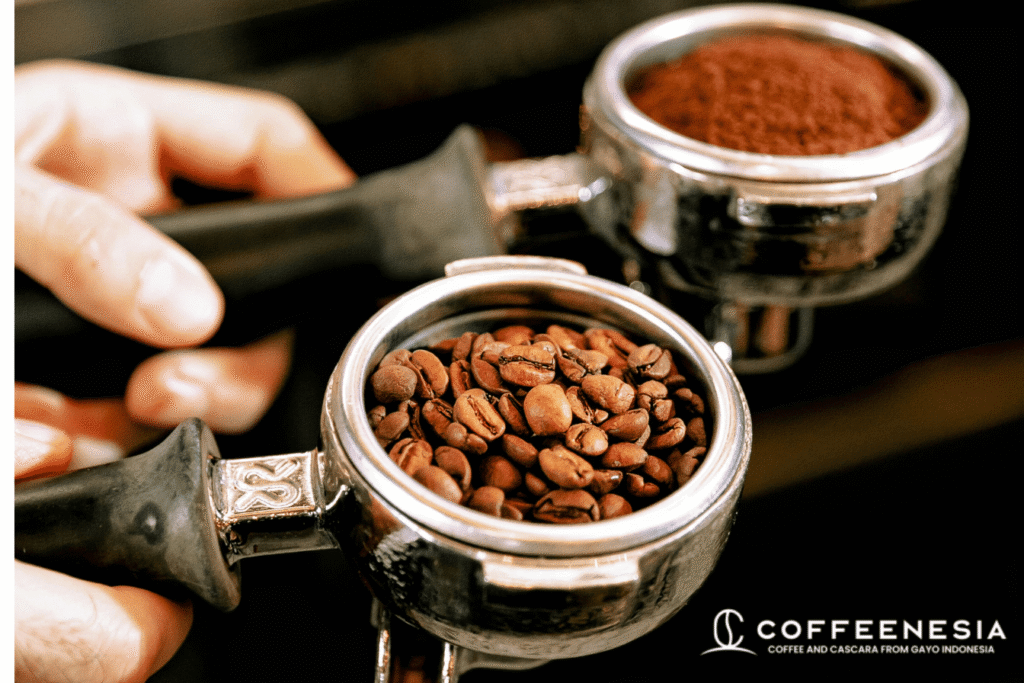
The international coffee market continues to expand as consumers develop deeper appreciation for origin specific flavors and traceable supply chains. Specialty roasters across Europe, North America, and Asia increasingly seek beans that deliver unique sensory experiences combined with consistent quality. Within this growing market, coffee from the Aceh highlands attracts attention because it offers a distinctive balance of body, aroma complexity, and smooth acidity. Roasters frequently highlight Gayo Coffee Beans in single origin offerings because the flavor profile communicates a strong sense of place. When customers explore specialty menus, they often look for coffees that express clear regional identity, and the Gayo Highlands provide exactly that character.
In addition to flavor quality, buyers also consider sustainability and traceability when sourcing coffee. Exporters and producer groups in the region continue to strengthen supply chains that connect farmers directly with global markets. Transparent sourcing allows international partners to understand where their coffee originates and how farmers cultivate it. This level of clarity builds trust and long term trade relationships between producing communities and specialty coffee companies. As global interest in Indonesian coffee continues to grow, the reputation of the Gayo Highlands as a premium arabica origin will likely expand even further in the years ahead.
Gayo Coffee Opportunities for Global Coffee Buyers
Specialty coffee buyers around the world increasingly explore Indonesia as a source of distinctive highland arabica beans. The combination of altitude, traditional processing, and rich flavor complexity allows coffee from the Gayo region to compete strongly within premium market segments. Roasters who seek coffees with deep body and aromatic complexity often evaluate Gayo Coffee Beans because the beans provide both sensory character and reliable consistency across harvests. Importers also appreciate the stable production capacity of the region, which helps maintain long term supply relationships.
Companies that connect directly with producers and exporters can access valuable insight into harvest cycles, quality grading, and processing techniques. For global coffee businesses interested in Indonesian coffee supply, establishing communication with trusted sourcing partners represents an effective first step. Buyers can discuss specifications, export logistics, and partnership opportunities through direct contact channels such as https://wa.me/6285285469417.
Through its highland origin, cultural heritage, and remarkable aroma complexity, Gayo Coffee continues to represent one of Indonesia’s most valuable coffee commodities. As global demand for specialty coffee grows, these beans offer both exceptional sensory experiences and meaningful connections to the farmers who cultivate them in the mountains of Aceh.
Gayo Coffee Sustainability Practices and Highland Environmental Balance
Sustainable agriculture plays an essential role in maintaining the long term quality and productivity of coffee farms across the Gayo Highlands. Farmers understand that environmental balance directly influences plant health, bean quality, and future harvest stability. For that reason, many producers combine traditional agricultural wisdom with modern sustainability practices that protect soil, forests, and water resources. Shade grown cultivation stands as one of the most important methods used throughout the region. Coffee plants grow beneath protective tree canopies that regulate temperature, prevent soil erosion, and support diverse wildlife habitats. Within these shaded landscapes, farmers cultivate crops that eventually produce the highly valued Gayo Coffee Beans that reach international markets.
Shade trees provide multiple ecological advantages. Their roots stabilize mountain soil structures while their leaves create organic mulch that enriches soil nutrients. This natural cycle reduces the need for excessive chemical fertilizers and improves long term land fertility. Many farmers also maintain natural vegetation buffers near water sources to prevent contamination and maintain watershed health. These environmental practices contribute to sustainable coffee production while preserving the ecological integrity of the highland environment.
Furthermore, sustainable cultivation helps maintain consistent bean quality across harvest seasons. Healthy soil ecosystems produce stronger coffee plants that resist pests and diseases more effectively. Farmers therefore invest time in careful land management, pruning routines, and organic fertilization practices. By protecting their environment, the farming communities of the Gayo Highlands ensure that future generations can continue cultivating coffee while maintaining the distinctive flavor profile that global coffee enthusiasts expect from this renowned origin.
Gayo Coffee Harvesting Techniques and Post Harvest Precision
Harvesting represents a crucial moment in the coffee production cycle because the quality of harvested cherries directly determines the flavor potential of the final product. In the Gayo Highlands, farmers prioritize selective hand picking to ensure that only fully ripe cherries enter the processing stage. Ripe cherries display a deep red color and contain the highest concentration of sugars and aromatic compounds.
Workers move carefully through coffee trees, harvesting cherries individually rather than stripping entire branches. This method requires patience and experience, yet it significantly improves flavor consistency in the final cup. Through this attentive harvesting approach, producers protect the quality of the Gayo Coffee Beans that specialty buyers seek around the world.
Once harvesting concludes, farmers quickly transport the cherries to local processing facilities. Fresh processing remains essential because delays could trigger unwanted fermentation that affects taste and aroma. At the processing site, workers sort cherries to remove damaged or underripe fruit before beginning pulping and fermentation stages. These sorting steps maintain quality standards and reduce the risk of flavor defects.
Post harvest precision continues during drying and storage stages. Producers monitor temperature, humidity, and airflow carefully to maintain optimal drying conditions. Uneven drying can damage bean structure and create undesirable flavor notes. Therefore experienced processors frequently inspect drying beds and rotate beans to ensure uniform moisture reduction. Through these detailed procedures, producers preserve the integrity of each harvest while ensuring that the beans maintain the clean flavor and aromatic complexity associated with the coffee of the Gayo Highlands.
Gayo Coffee Roasting Characteristics and Flavor Development
Roasting transforms green coffee beans into the aromatic brown beans that people recognize as coffee. During roasting, heat triggers chemical reactions that develop flavor compounds, caramelize sugars, and release the signature aromas associated with freshly roasted coffee. Because of their dense cellular structure and complex chemical composition, beans from the Gayo Highlands respond exceptionally well to various roasting profiles. Professional roasters often experiment with roast levels to highlight specific characteristics within Gayo Coffee Beans, allowing them to emphasize chocolate sweetness, herbal depth, or subtle spice tones.
Light roasting profiles reveal the origin’s aromatic complexity most clearly. Under lighter heat exposure, delicate notes such as floral hints, mild fruit tones, and herbal nuances appear more distinctly. These profiles often suit manual brewing methods where drinkers seek clarity and layered flavor development.
Medium roasting enhances sweetness and body while preserving balanced acidity. Many specialty cafés prefer this roast level because it delivers a harmonious cup suitable for multiple brewing styles. Chocolate, caramel, and nut flavors frequently emerge at this stage, creating a rounded and approachable taste profile.
Darker roasting produces deeper body and stronger roasted character. While some delicate aromatics fade under higher heat, darker roasts highlight earthy richness and bold texture. Espresso blends sometimes use darker roasted beans from this origin to achieve thick crema and robust flavor intensity. By carefully adjusting roasting parameters, coffee professionals unlock diverse sensory expressions that demonstrate the remarkable adaptability of coffee grown in the Gayo Highlands.
Gayo Coffee Cultural Identity and Regional Coffee Heritage
Coffee cultivation has shaped the social and cultural identity of communities across the Gayo Highlands for generations. Families often inherit coffee farms that their ancestors established decades earlier, and agricultural knowledge passes from parents to children through daily farming activities. Coffee harvesting seasons become communal events where neighbors cooperate to gather cherries efficiently while sharing traditional meals and local stories. Within these communities, coffee represents far more than an agricultural commodity. It also symbolizes resilience, cooperation, and connection to the surrounding land. Through this deep cultural relationship, farmers continue to nurture the trees that produce the distinctive Gayo Coffee Beans known throughout international coffee markets.
Local traditions frequently celebrate coffee as part of social gatherings and hospitality. Visitors arriving in the region often receive freshly brewed coffee as a welcoming gesture that reflects the pride farmers feel toward their harvests. Coffee ceremonies and informal tasting sessions allow community members to evaluate new crops and discuss flavor differences between farms or harvest periods.
In addition to cultural traditions, regional organizations and cooperatives help preserve quality standards while supporting farmer livelihoods. These groups often provide training programs focused on sustainable farming, improved processing techniques, and international market requirements. By combining traditional wisdom with modern knowledge, the people of the Gayo Highlands continue strengthening the global reputation of their coffee. This cultural foundation ensures that each harvest reflects not only agricultural expertise but also the heritage and identity of the communities who cultivate the land.
Gayo Coffee Role in the Expanding Specialty Coffee Industry
The specialty coffee industry has experienced significant growth during the past two decades as consumers develop stronger interest in origin transparency and flavor diversity. Coffee drinkers increasingly explore beans from specific regions, farms, or processing styles to understand how geography and cultivation influence taste. Within this evolving market landscape, coffee from the Aceh highlands has gained strong recognition because of its consistent quality and distinctive flavor identity. Roasters often highlight Gayo Coffee Beans in single origin offerings that allow customers to experience the character of Indonesian highland coffee directly.
Specialty coffee professionals evaluate beans through structured cupping sessions where trained tasters analyze aroma, acidity, body, sweetness, and aftertaste. In many of these sessions, coffee from the Gayo region receives favorable evaluations because it combines balanced acidity with rich body and layered aromatic complexity. These characteristics help the beans stand out among other global coffee origins.
In addition to sensory quality, specialty buyers value traceability and ethical sourcing. Importers increasingly collaborate with cooperatives and exporters who maintain transparent supply chains from farm to export warehouse. This approach ensures that farmers receive fair compensation while buyers gain reliable information about cultivation practices and harvest conditions. As the specialty coffee sector continues expanding worldwide, the distinctive profile of coffee grown in the Gayo Highlands positions it as an increasingly important contributor to global coffee diversity.
Gayo Coffee Future Prospects in Global Coffee Markets
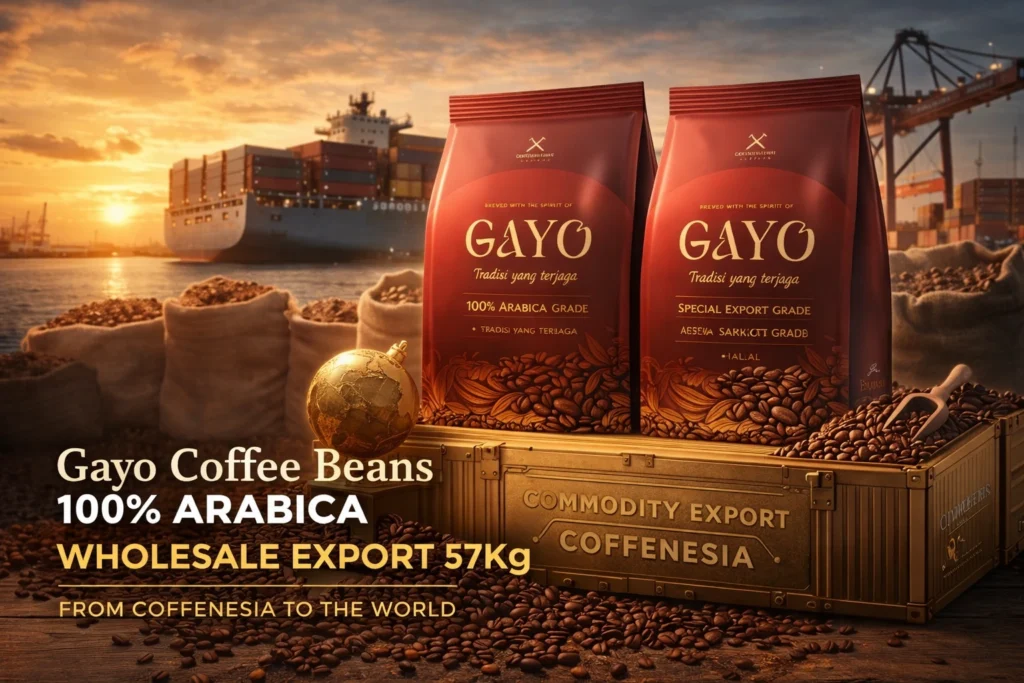
Global coffee consumption continues to grow as emerging markets and established coffee cultures alike increase their demand for high quality beans. Specialty coffee cafés, artisan roasters, and home brewing enthusiasts actively search for origins that deliver distinctive flavor experiences. Within this dynamic environment, coffee from the mountainous region of Aceh holds strong potential for long term market growth. Importers recognize the value of Gayo Coffee Beans because the beans combine reliable supply capacity with a recognizable flavor identity that appeals to diverse consumer preferences.
Several trends within the coffee industry further support this positive outlook. Consumers increasingly value transparency, sustainability, and traceable agricultural practices when selecting coffee products. Producers and exporters in the Gayo region continue improving documentation and quality control systems that demonstrate responsible cultivation methods. These efforts strengthen buyer confidence and encourage long term trade partnerships.
Technological advancements in processing and logistics also improve export efficiency. Modern drying equipment, better storage facilities, and improved transportation infrastructure help maintain bean quality throughout the supply chain. As a result, international buyers can receive coffee that preserves the aroma complexity and freshness associated with highland arabica beans.
For global coffee companies seeking reliable sourcing partners, establishing direct communication with experienced suppliers offers significant advantages. Businesses interested in exploring Indonesian coffee opportunities can discuss specifications, availability, and export logistics through https://wa.me/6285285469417.
Through careful cultivation, strong cultural heritage, and exceptional sensory complexity, coffee from the Gayo Highlands continues to strengthen its reputation across international specialty markets. As consumer appreciation for origin driven coffee grows worldwide, the distinctive character of this highland arabica ensures that it will remain one of Indonesia’s most celebrated coffee commodities.
For sourcing discussions, availability details, and export specifications, contact directly via WhatsApp at https://wa.me/6285285469417.
Coffeenesia: Delivering Premium Gayo Coffee and Cascara to Global Buyers!

Coffeenesia stands as a trusted exporter of Indonesia’s finest coffee commodities, specializing in premium Gayo Arabica and high-quality cascara sourced directly from the Gayo Highlands of Aceh. Through our official platform, Coffeenesia.id, we provide importers, roasters, and cafés worldwide with consistent access to ethically sourced, farm-direct products crafted to meet international specialty standards. Every batch reflects the rich heritage, natural purity, and meticulous craftsmanship of the coffee-growing communities we work closely with.
At the heart of our offerings is Gayo Coffee, renowned for its smooth profile, low acidity, and captivating flavor notes. Buyers can choose from multiple processing types Washed, Honey, and Natural each highlighting unique characteristics shaped by Gayo’s fertile volcanic soil and high altitudes. Whether you require green beans for roasting, ready-to-brew roasted beans, or private-label packaging for your brand, Coffeenesia ensures uniform quality and reliable supply for wholesale needs.
Alongside our coffee beans, Coffeenesia also proudly exports Cascara from Gayo, a premium dried coffee cherry tea celebrated for its fruity aroma, natural sweetness, and high antioxidant content. Our cascara is sourced from carefully hand-selected cherries and processed using hygienic sun-drying techniques, making it suitable for specialty cafés, beverage manufacturers, and wellness-focused brands seeking a unique, trending product with strong market appeal.
Through our integrated sourcing and export system, Coffeenesia delivers more than just commodities—we provide transparent quality control, export-ready documentation, custom roasting consultation, and efficient international logistics. By choosing Coffeenesia, global buyers gain a dependable partner committed to authenticity, sustainability, and the true flavors of Indonesia’s highlands.
For coffee professionals seeking premium, traceable, and ethically produced products from Gayo, Coffeenesia is your gateway to the finest coffee and cascara Indonesia has to offer.
Let’s bring the rich taste of Gayo Highlands to coffee lovers around the world — together.
FAQ (Gayo Coffee)
- What makes Gayo Coffee different from other Arabica coffees?
Gayo Coffee grows in the highlands of Aceh at elevations above 1,200 meters. Because of this environment, the beans mature slowly and develop complex aroma structures. Farmers also harvest cherries manually and process them using traditional wet hulling techniques. As a result, the coffee delivers a smooth body, mild acidity, and distinctive earthy sweetness that many specialty coffee buyers appreciate. - How do farmers maintain the quality of Gayo Coffee during harvest?
Farmers protect quality by picking only fully ripe cherries. They carefully inspect each harvest batch before processing begins. After sorting the cherries, producers immediately start pulping and fermentation to preserve freshness. This attentive process helps maintain consistent flavor and prevents defects that could reduce the coffee’s sensory quality. - Why does Gayo Coffee perform well in specialty coffee markets?
Specialty roasters value Gayo Coffee because it combines balanced acidity, strong body, and layered aromas. In addition, the beans respond well to different roasting levels. Roasters can therefore highlight chocolate, spice, or herbal notes depending on the roasting profile they choose. - What brewing method highlights the flavor of Gayo Coffee best?
Many coffee enthusiasts prefer manual brewing methods such as pour over or French press. These techniques allow water to extract the aromatic compounds gradually. Consequently, drinkers can experience the full flavor spectrum, including chocolate, caramel, and subtle spice notes. - How does climate influence the taste of Gayo Coffee?
Highland climate conditions strongly shape the bean character. Cool temperatures slow down the maturation of coffee cherries, which allows more sugars and organic compounds to form. Therefore the beans develop richer aromas and smoother body compared to many lower elevation coffees.