

Making fruity coffee at home does not require fruit syrup, artificial flavoring, or complicated café equipment. The right coffee beans can naturally produce sensory characteristics reminiscent of blueberry, strawberry, citrus, peach, pineapple, mango, and other fruits.
These characteristics develop through a combination of coffee genetics, origin, growing conditions, processing, fermentation, roasting, storage, and brewing.
In fact, World Coffee Research’s Sensory Lexicon identifies a wide range of measurable flavor and aroma attributes in coffee, including fruit-related references such as apple, grape, coconut, and pineapple.
Therefore, if you want to make naturally fruity coffee at home, choosing suitable coffee is more important than adding flavored ingredients to the finished cup.
With quality beans, clean water, and a consistent brewing technique, you can explore an entirely different side of coffee.
In this guide, you will learn 7 amazing ways to make fruity coffee at home without syrup, including how to select beans, choose a roast level, understand processing methods, and adjust your brewing recipe.
Table of Contents
ToggleWhat Is Fruity Coffee?
Fruity coffee describes coffee with aromas and flavors that create sensory associations with fruit.
For example, a coffee may remind you of:
- Blueberry
- Strawberry
- Raspberry
- Cherry
- Orange
- Lemon
- Mandarin
- Peach
- Apricot
- Pineapple
- Mango
- Passion fruit
Importantly, these descriptions do not necessarily mean fruit has been added to the coffee.
Instead, they describe sensory characteristics perceived when smelling and tasting the beverage.
World Coffee Research developed its Sensory Lexicon specifically to provide a standardized language for understanding and measuring coffee flavors and aromas. Its research highlights how genetics, growing environment, processing, storage, roasting, and brewing can all contribute to what we eventually experience in the cup.
Explore the World Coffee Research Sensory Lexicon
Why Can Coffee Taste Fruity Without Adding Fruit?
Coffee is more chemically and aromatically complex than many people realize.
When coffee professionals describe a cup as having notes of blueberry, strawberry, orange, peach, mango, or passion fruit, they are describing sensory associations found in the brewed coffee.
In other words, your cup does not need strawberry syrup to remind you of strawberry.
These characteristics can be influenced by:
- Coffee origin
- Coffee species and variety
- Growing conditions
- Altitude
- Processing method
- Fermentation
- Drying
- Storage
- Roast profile
- Water quality
- Grind size
- Brewing method
- Extraction
As a result, two coffees brewed with exactly the same equipment can taste dramatically different.
Coffee variety itself can also contribute to differences in cup characteristics. World Coffee Research maintains an extensive catalog covering Arabica and Robusta varieties from coffee-producing countries, including Indonesia.
Explore the World Coffee Research Coffee Varieties Catalog
That diversity is one of the reasons making fruity coffee at home can be so interesting.
1. Choose Naturally Fruity Coffee Beans
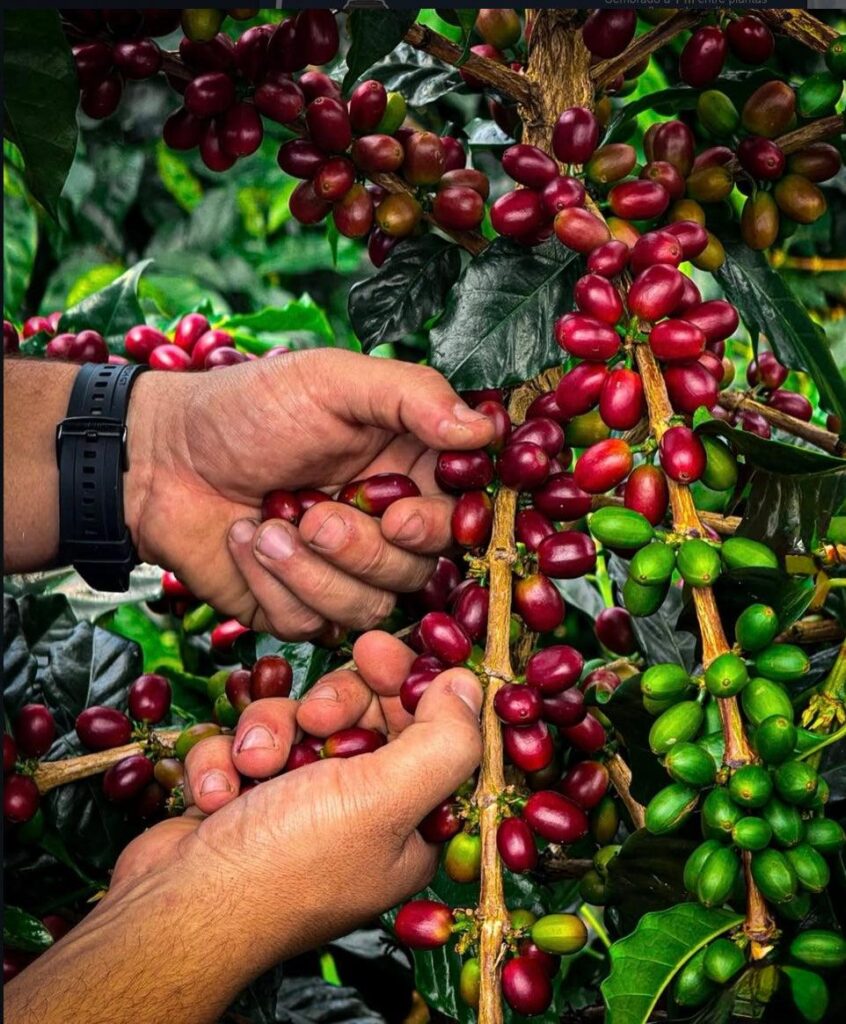
The most important step is choosing suitable coffee beans.
If the coffee itself has limited fruit-forward characteristics, changing the brewing method alone will not suddenly create an intense blueberry or tropical-fruit profile.
When shopping for beans, look for tasting descriptions such as:
Berry: blueberry, strawberry, raspberry, cherry.
Citrus: orange, lemon, grapefruit, mandarin.
Stone fruit: peach, apricot, plum.
Tropical fruit: pineapple, mango, passion fruit.
These descriptions provide clues about the sensory characteristics you may experience in the cup.
Look Beyond Tasting Notes
Tasting notes are useful, but they should not be your only consideration.
Also check:
- Country of origin
- Growing region
- Coffee variety
- Processing method
- Roast level
- Roast date
- Producer information
- Elevation when available
For example, two coffees labeled “strawberry” can still taste significantly different because their varieties, processing methods, roast profiles, and brewing parameters may be different.
Therefore, tasting notes should be treated as a useful guide rather than a guarantee.
Consider Indonesian Gayo Coffee
Indonesia is an interesting origin to explore when searching for distinctive coffee characteristics.
In particular, coffees from the Gayo Highlands of Aceh can provide an opportunity to explore Indonesian Arabica through different processing and roasting approaches.
If you are sourcing coffee commercially or want to understand how Indonesian coffee moves from origin toward international buyers, read our guide to choosing a Gayo coffee supplier from Indonesia.
You can also explore the relationship between origin and roasting in our guide to Gayo Coffee authentic roast character from highland farms.
For information about Coffeenesia and our focus on coffee and cascara from Gayo, visit About Coffeenesia.
2. Choose Light or Medium-Light Roasted Coffee
Roast level has a significant influence on fruity coffee at home.
If your main goal is to explore fruit-forward, floral, bright, or origin-specific characteristics, light to medium-light roasted coffee is a useful place to start.
These roast profiles may make it easier to perceive characteristics such as:
- Bright acidity
- Fruit notes
- Floral aromas
- Sweetness
- Tea-like qualities
- Origin character
Meanwhile, darker roasting generally introduces stronger roast-developed characteristics.
Depending on the coffee and roast profile, these can include chocolate, caramelized notes, heavier body, bitterness, smoky characteristics, or roasted flavors.
That does not make dark-roasted coffee inferior.
However, it may not be the easiest starting point if your primary objective is a bright and naturally fruity cup.
Freshness Also Matters
Roast level alone is not enough.
Coffee’s aromatic characteristics change over time. Therefore, storage conditions and freshness can affect what you experience when brewing.
Whenever possible:
- Check the roast date.
- Keep the package tightly sealed.
- Avoid excessive moisture.
- Protect coffee from heat.
- Avoid prolonged exposure to light and air.
- Grind the beans close to brewing time.
Good beans combined with poor storage can still produce a disappointing cup.
3. Explore Natural, Washed, and Honey Processing
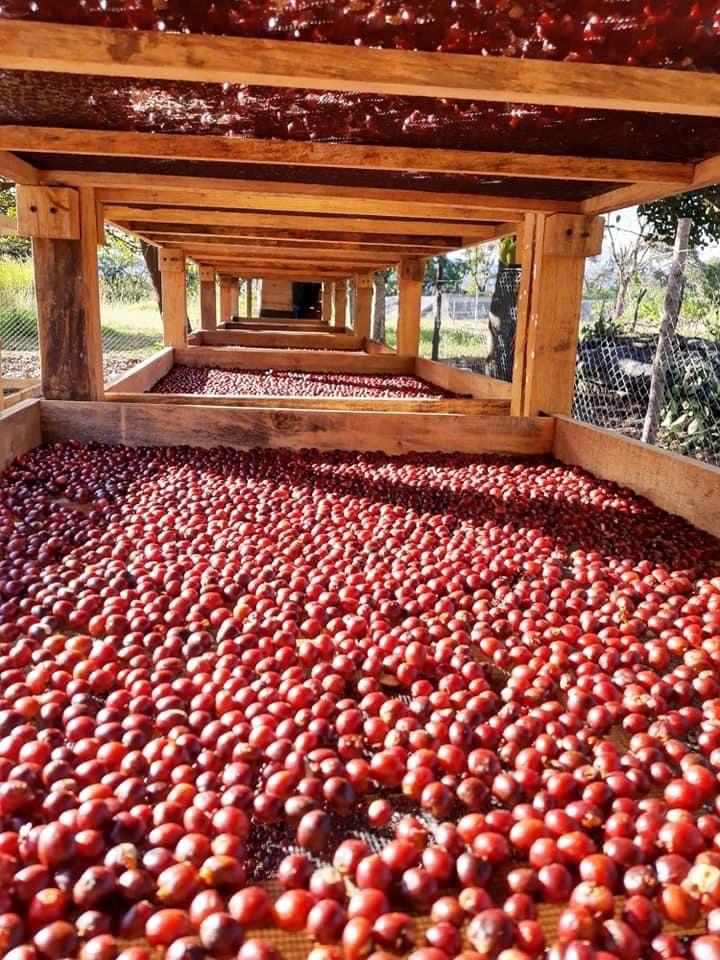
Processing is another important factor when preparing fruity coffee at home.
After harvesting, coffee cherries undergo post-harvest processing before the green beans are eventually roasted.
Different processing approaches can produce noticeably different sensory results.
Natural Process
In natural processing, coffee cherries are dried with the fruit surrounding the seed.
Depending on the coffee and how the process is managed, natural coffees can display characteristics such as:
- Berry
- Tropical fruit
- Ripe fruit
- Pronounced sweetness
- Jam-like characteristics
- Fermented complexity
- Wine-like notes
Consequently, naturally processed coffees can be an interesting starting point for people searching for bold fruit-forward characteristics.
However, “natural process” does not automatically mean that every coffee will taste intensely fruity.
Origin, variety, fermentation, drying, storage, roasting, and brewing still matter.
Washed Process
Washed coffees are often associated with a cleaner sensory presentation and clearer acidity.
However, a washed coffee can still be very fruity.
For example, some coffees may emphasize citrus, stone fruit, floral characteristics, or crisp acidity rather than the heavier berry-like profile sometimes associated with natural processing.
Honey Process
Honey processing generally leaves varying amounts of mucilage on the coffee during drying.
Depending on the coffee and the way processing is controlled, honey coffees can combine:
Sweetness + fruit characteristics + clarity + body.
Therefore, do not assume that only one processing method can produce good fruity coffee at home.
Experimenting is part of the experience.
4. Use Pour Over for a Clean Fruity Cup
Pour over is one of the best starting points for exploring fruity coffee at home.
Paper-filtered brewing can produce a relatively clean cup, making sweetness, acidity, fruit notes, and floral characteristics easier to explore.
A V60 or similar cone brewer is sufficient.
You do not need expensive commercial café equipment.
Simple Fruity Pour-Over Recipe
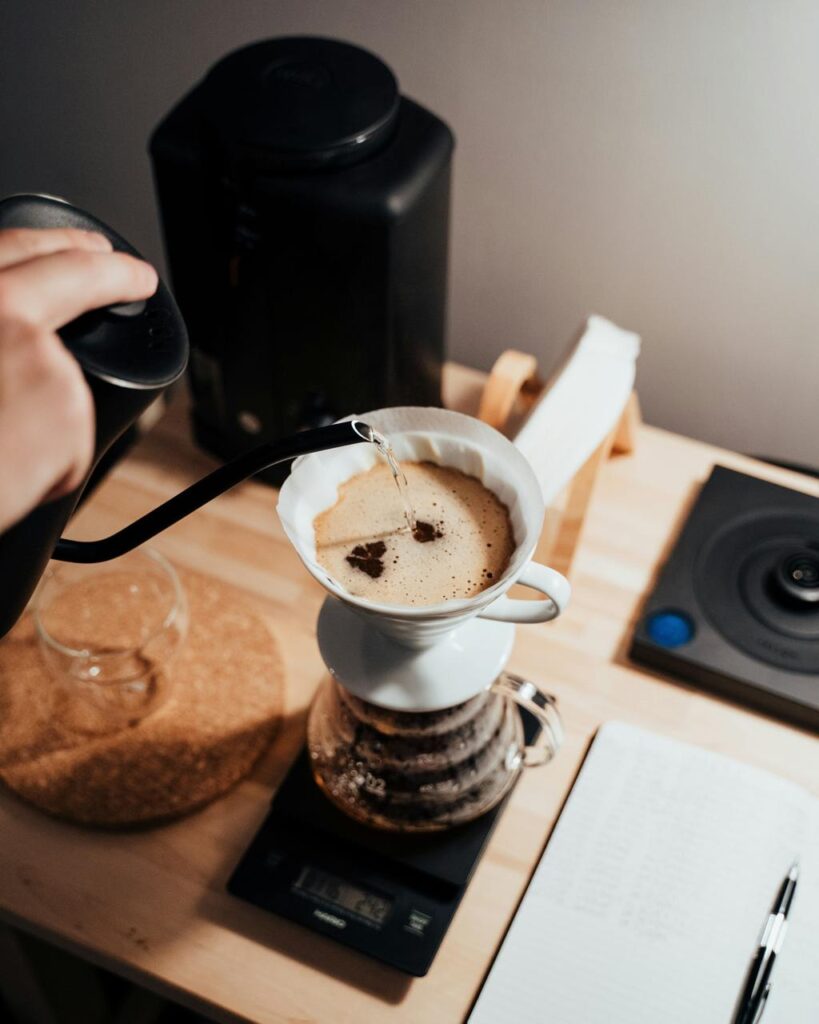
Try this starting recipe:
Variable | Starting Point |
Coffee | 15 g |
Water | 250 g |
Ratio | Approximately 1:16.7 |
Grind | Medium-fine |
Water | Filtered |
Brewer | V60 or similar |
Filter | Paper |
Treat this as a starting point rather than a universal formula.
Different coffees may require different adjustments.
Step 1: Rinse the Filter
Place the paper filter inside the brewer.
Rinse it with hot water before adding your ground coffee.
This step also helps preheat the brewing equipment.
Step 2: Grind the Coffee
Measure approximately 15 grams of beans.
Then grind them to a medium-fine consistency.
Try to grind immediately before brewing whenever possible.
Step 3: Add the Coffee
Place the ground coffee inside the rinsed filter.
Gently level the coffee bed before starting your brew.
Step 4: Bloom
Pour approximately 40–50 grams of water over the grounds.
Make sure the coffee is evenly saturated.
Then wait approximately 30–45 seconds.
Freshly roasted coffee releases gas during this stage, which is why the coffee bed may expand or bubble.
Step 5: Continue Pouring
Slowly add the remaining water using controlled pours.
Rather than pouring everything at once, maintain a steady technique.
Consistency will make it easier to compare one brew with another.
Step 6: Taste After Brewing
Do not judge the coffee from the first hot sip alone.
Let it cool slightly.
As the temperature changes, you may begin to recognize citrus, berries, stone fruit, tropical fruit, floral notes, or additional sweetness that seemed less obvious while the cup was extremely hot.
5. Experiment with AeroPress and Cold Brew
Pour over is not the only way to prepare fruity coffee at home.
AeroPress and cold brew can reveal different characteristics from the same coffee.
AeroPress
AeroPress provides considerable flexibility.
You can adjust:
- Coffee dose
- Water quantity
- Grind size
- Brewing time
- Water temperature
- Agitation
- Coffee-to-water ratio
This flexibility makes it particularly useful for experimentation.
For example, you can brew the same coffee using two different grind sizes and compare sweetness, acidity, body, and aftertaste.
The important part is changing one major variable at a time.
Otherwise, you may not know which adjustment caused the difference.
Cold Brew
Cold brew offers another way to explore fruit-forward coffee.
Its sensory experience can be very different from hot pour over.
Some fruit-forward beans can create a sweet and refreshing cold coffee, while others may lose some of the aromatic clarity you prefer in hot brewing.
Therefore, test the same coffee with different methods.
A bean that feels too sharp as a pour over may produce a completely different experience when brewed cold.
6. Control Water, Grind Size, and Extraction
Even excellent coffee beans can taste disappointing if extraction is poorly controlled.
This is why consistency matters when making fruity coffee at home.
Start With Suitable Water
Coffee is predominantly water, so your brewing water has a major influence on the final cup.
If your water is unsuitable for brewing, the coffee may taste dull, harsh, unbalanced, or different from what you expect.
Therefore, filtered water is a practical starting point for home brewing.
Adjust Grind Size Carefully
Suppose your coffee tastes extremely sour, weak, or thin.
The brew may be under-extracted.
One adjustment you can test is grinding slightly finer.
On the other hand, if your cup tastes excessively harsh, dry, or bitter, try moving slightly coarser and compare the result.
However, do not immediately change grind size, water temperature, ratio, dose, and pouring technique simultaneously.
Instead:
Brew → Taste → Change one variable → Brew again → Compare.
This simple method makes experimentation far more useful.
Keep Your Coffee-to-Water Ratio Consistent
A digital scale can dramatically improve repeatability.
For example, start with:
15 g coffee : 250 g water
Once you establish a baseline, adjust the recipe according to the coffee and your preferences.
A repeatable recipe makes it much easier to identify what actually improves your fruity coffee at home.
7. Taste Coffee at Different Temperatures
One of the easiest ways to appreciate fruity coffee at home is also one of the most overlooked:
Let the coffee cool.
Do not drink the entire cup immediately after brewing.
Instead, taste it at different stages.
When Hot
You may notice the overall aroma, acidity, and initial impression.
When Warm
Sweetness and specific fruit associations may become easier to identify.
At a Lower Drinking Temperature
Additional characteristics may become clearer, including:
- Berries
- Citrus
- Floral notes
- Tropical fruit
- Stone fruit
- Sweetness
- Aftertaste
Try tasting the same cup immediately after brewing, approximately five minutes later, and again once it has cooled further.
The sensory profile may appear to change considerably.
How to Make Fruity Coffee Taste Better
Once you have found suitable beans, a few simple habits can improve consistency.
Grind Coffee Just Before Brewing
Grinding increases the amount of coffee exposed to the surrounding environment.
Therefore, grinding close to brewing time is a useful habit when trying to preserve aroma.
It also gives you direct control over grind size.
Use a Digital Scale
A scale removes unnecessary guesswork.
Instead of estimating how much coffee and water you used, you can record an exact recipe.
For example:
Coffee: 15 g
Water: 250 g
Grind: Medium-fine
Method: V60
If the cup tastes excellent, you have a baseline to reproduce.
Use a Timer
Timing your brew provides another reference point.
You do not need to obsess over individual seconds. However, knowing the approximate extraction time can help diagnose major differences between brews.
Keep Brewing Notes
Record:
- Coffee
- Origin
- Processing
- Roast
- Dose
- Water
- Grind
- Brewing time
- Sensory notes
Over time, you may discover patterns in the coffees and recipes you enjoy most.
Best Coffee Flavor Profiles for Fruity Coffee at Home
There is no single “best” fruity coffee profile.
Instead, think about which type of fruit character you enjoy.
Berry-Forward Coffee
Look for descriptions such as:
- Blueberry
- Strawberry
- Raspberry
- Cherry
These profiles can be attractive for people looking for a sweeter, jam-like sensory impression.
Citrus-Forward Coffee
Look for:
- Lemon
- Orange
- Grapefruit
- Mandarin
These coffees can feel bright, crisp, and refreshing.
Stone-Fruit Coffee
Common descriptions include:
- Peach
- Apricot
- Plum
Stone-fruit characteristics can combine sweetness with delicate acidity.
Tropical-Fruit Coffee
Look for:
- Pineapple
- Mango
- Passion fruit
These descriptions are particularly attractive to drinkers looking for an expressive and distinctive cup.
The World Coffee Research Sensory Lexicon includes 110 flavor, aroma, and texture attributes and provides standardized references for sensory evaluation, illustrating just how broad coffee’s sensory vocabulary can be.
Can Gayo Coffee Taste Fruity?
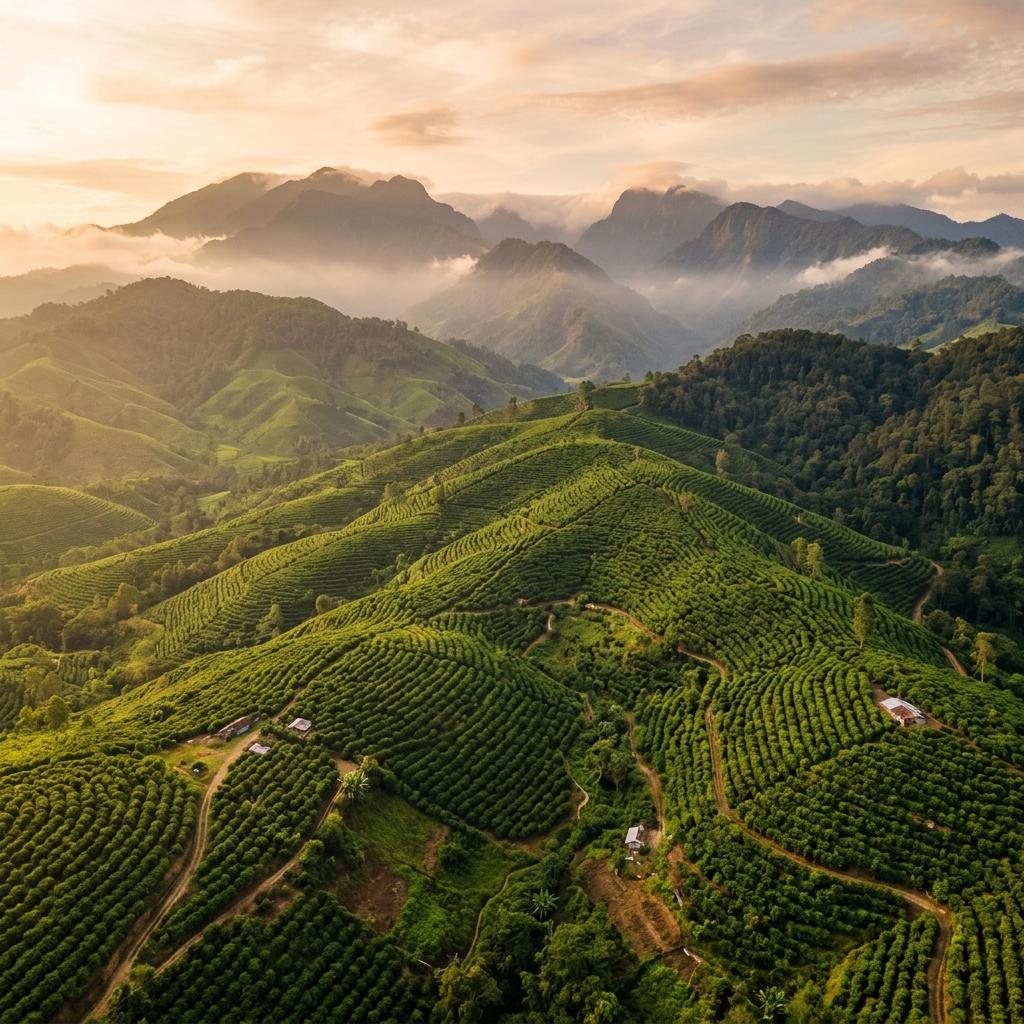
Yes, depending on the specific coffee.
It is inaccurate to assume that every Indonesian coffee must taste the same.
Coffee characteristics can vary according to genetics, growing environment, post-harvest handling, processing, storage, roasting, and brewing.
World Coffee Research’s variety catalog includes Indonesia among the countries represented in its Arabica variety information, reinforcing the diversity that exists within coffee genetics and production.
For Gayo coffee specifically, processing and roast development can produce very different sensory expressions from one lot to another.
If you want to understand the coffee from a sourcing perspective, read 7 Powerful Reasons to Choose a Gayo Coffee Supplier from Indonesia.
For more about roasting and highland origin, continue to Gayo Coffee 76 Authentic Roast Character From Highland Farms.
Naturally Fruity Coffee vs Flavored Coffee
It is useful to distinguish naturally fruit-forward coffee from flavored coffee.
Naturally Fruity Coffee
The perceived fruit characteristics come from the coffee and its journey from farm to cup.
Think:
Genetics → Growing Environment → Processing → Drying → Storage → Roasting → Brewing
Flavored Coffee
Additional flavoring may be introduced to create a particular flavor experience.
Therefore, if your objective is to experience coffee’s natural sensory complexity, look for beans with fruit-forward tasting descriptions and clear information about origin, processing, and roasting.
Can You Make Fruity Coffee Without Syrup?
Absolutely.
You do not need syrup, juice, or artificial fruit flavoring to make fruity coffee at home.
A practical approach is:
- Choose fruit-forward coffee beans.
- Try a light or medium-light roast.
- Explore natural, honey, and washed coffees.
- Start with pour over.
- Control your grind and ratio.
- Use suitable water.
- Taste the coffee as it cools.
The objective is not to artificially create fruit flavor.
Instead, you are trying to make the coffee’s existing sensory characteristics easier to experience.
Can You Make Fruity Coffee Without Sugar?
Yes.
A balanced coffee can offer perceived sweetness without adding sugar.
Depending on the coffee, that sweetness may remind you of:
- Honey
- Brown sugar
- Ripe fruit
- Berries
- Caramel
- Tropical fruit
Adding sugar remains a personal preference.
However, if you are learning to identify coffee’s natural sensory characteristics, try tasting it without sugar first.
You can always add sweetener afterward.
Fresh Fruit Pairings for Fruity Coffee
Although syrup is unnecessary, fresh fruit can be used as a pairing if you want to explore sensory similarities.
For example:
Coffee Character | Pairing to Try |
Berry-forward | Strawberry |
Citrus | Orange |
Tropical | Pineapple |
Stone fruit | Peach |
Floral-fruity | Apricot |
The fruit does not need to go inside the coffee.
Instead, tasting them separately can help you become more familiar with sensory references.
Common Mistakes When Making Fruity Coffee at Home
Several common mistakes can make fruit-forward coffee more difficult to appreciate.
Using Coffee That Is Too Dark for Your Goal
If your priority is delicate fruit and floral characteristics, an extremely dark roast may make them more difficult to identify.
Try comparing the same origin at different roast levels when possible.
Using Old or Poorly Stored Coffee
Coffee’s aromatic characteristics can fade over time.
Therefore, pay attention to freshness and storage.
Using an Inconsistent Grind
An inconsistent grind can make extraction harder to control.
If possible, use a suitable burr grinder and keep your brewing method consistent while adjusting the grind.
Ignoring Water
Changing beans repeatedly will not necessarily solve the problem if your brewing water is contributing to an unbalanced cup.
Test filtered water and compare the result.
Changing Too Many Variables
This is one of the biggest mistakes home brewers make.
If you simultaneously change your:
Coffee + grind + ratio + temperature + technique
you will not know what actually improved the brew.
Change one variable at a time.
Expecting Coffee to Taste Exactly Like Fruit Juice
A tasting note of “blueberry” does not necessarily mean the beverage will taste like blueberry juice.
Coffee tasting notes describe sensory associations.
Some can be obvious, while others are subtle.
Understanding this distinction makes exploring fruity coffee at home much more enjoyable.
Explore Cascara for Another Fruity Coffee Experience
If you enjoy fruit-forward coffee, cascara provides another interesting way to explore the coffee plant.
Cascara is produced from the dried fruit surrounding the coffee seed rather than from roasted coffee beans.
As a result, it offers a different beverage experience that can have fruity and tea-like characteristics.
Start with our guide to What Is Cascara and How to Leverage Your Cafe Yield.
For buyers interested in Indonesian cascara, explore Cascara Sweet Tea Organic Bulk 80kg Export Supply from Coffeenesia.
You can also read our guide to Cascara Herbal Tea Wholesale from Indonesia to understand the product from a wholesale and sourcing perspective.
This creates a natural connection between coffee brewing, coffee fruit, and another potential product from the coffee value chain.
Fruity Coffee at Home vs Café Brewing
You do not need professional café equipment to make good fruity coffee at home.
The biggest advantage cafés often have is consistency.
Baristas generally control variables such as:
- Dose
- Grind
- Water
- Temperature
- Extraction
- Brewing time
You can apply the same principle at home.
Start with basic equipment:
Good beans + grinder + scale + brewer + filtered water.
Then focus on repeatability.
A simple setup used consistently can be more useful than expensive equipment used without a repeatable recipe.
How to Choose Fruity Coffee Beans for Home Brewing
When buying your next coffee, read the label carefully.
A useful product description may tell you:
Origin: Where was the coffee grown?
Variety: What coffee variety is it?
Process: Natural, washed, honey, wet-hulled, or another method?
Roast: Light, medium-light, medium, or dark?
Tasting Notes: What sensory characteristics does the roaster identify?
Producer: Is information about the farm, cooperative, or producer available?
Roast Date: How recently was it roasted?
This information will help you make a more informed purchase.
If you are a café, roaster, distributor, or international buyer rather than a home brewer, supplier information becomes even more important.
Coffeenesia focuses on coffee and cascara originating from Gayo, Indonesia. You can learn more through Coffeenesia – Coffee and Cascara from Gayo, Indonesia.
Frequently Asked Questions About Fruity Coffee at Home
How Do I Make Fruity Coffee at Home?
To make fruity coffee at home, start with beans that have fruit-forward tasting notes. Choose an appropriate roast, use clean water, control your grind and coffee-to-water ratio, and experiment with brewing methods such as pour over, AeroPress, or cold brew.
What Coffee Beans Taste Naturally Fruity?
Look for beans described with tasting notes such as blueberry, strawberry, cherry, orange, peach, pineapple, mango, or passion fruit.
However, tasting notes alone do not determine the final cup. Variety, processing, roast, water, and extraction also influence the result.
Does Fruity Coffee Contain Real Fruit?
Not necessarily.
Fruity coffee usually refers to fruit-like sensory characteristics naturally perceived in brewed coffee.
Is Light Roast Best for Fruity Coffee?
Light and medium-light roasts can be useful starting points when you want to explore origin, acidity, floral characteristics, and fruit-forward notes.
However, the ideal roast still depends on the individual coffee and your personal preference.
What Is the Best Brewing Method for Fruity Coffee?
Pour over is an excellent starting point because it can produce a clean and aromatic cup.
Nevertheless, AeroPress and cold brew can also work well.
Try several methods using the same beans and compare the results.
Can I Make Fruity Coffee Without Syrup?
Yes. Naturally fruit-forward coffee can provide fruity sensory characteristics without added syrup or artificial flavoring.
Can I Make Fruity Coffee Without Sugar?
Yes.
Balanced specialty coffee can offer natural perceived sweetness and fruit characteristics without adding sugar.
Why Does My Fruity Coffee Taste Sour?
Some acidity is normal and can be desirable.
However, excessive sourness may indicate that your extraction needs adjustment.
Try changing one brewing variable at a time, such as grinding slightly finer, and compare the next brew.
Why Can’t I Taste the Fruit Notes Written on the Bag?
Tasting notes are sensory descriptions rather than guaranteed flavors.
Your brewing water, grinder, recipe, extraction, coffee freshness, and individual sensory perception can all affect what you notice.
Additionally, some notes become easier to perceive as the coffee cools.
Is Gayo Coffee Suitable for Fruity Coffee?
It can be.
The result depends on the individual lot, variety, processing method, roast profile, and brewing technique. Rather than assuming all Gayo coffee has one flavor profile, evaluate each coffee according to its specific characteristics.
Enjoy Fruity Coffee at Home Naturally
Making fruity coffee at home is less about adding flavors and more about discovering the sensory characteristics already present in coffee.
Start with fruit-forward beans. Next, explore light or medium-light roasting and compare natural, washed, and honey processing.
Then focus on brewing.
Control your:
Coffee dose → Water → Grind → Brewing time → Extraction.
Most importantly, taste the coffee as it cools.
The same cup may initially appear bright and citrusy, become sweeter as it cools, and later reveal berry, floral, or stone-fruit associations.
Once you understand how variety, origin, processing, roasting, and brewing interact, preparing fruity coffee at home becomes a repeatable way to explore coffee without relying on syrup or artificial flavoring.
If you want to explore Indonesian coffee further, learn more about Coffeenesia and coffee from Gayo, Indonesia, discover our guide to choosing a Gayo coffee supplier from Indonesia, or explore the authentic roast character of Gayo coffee.