
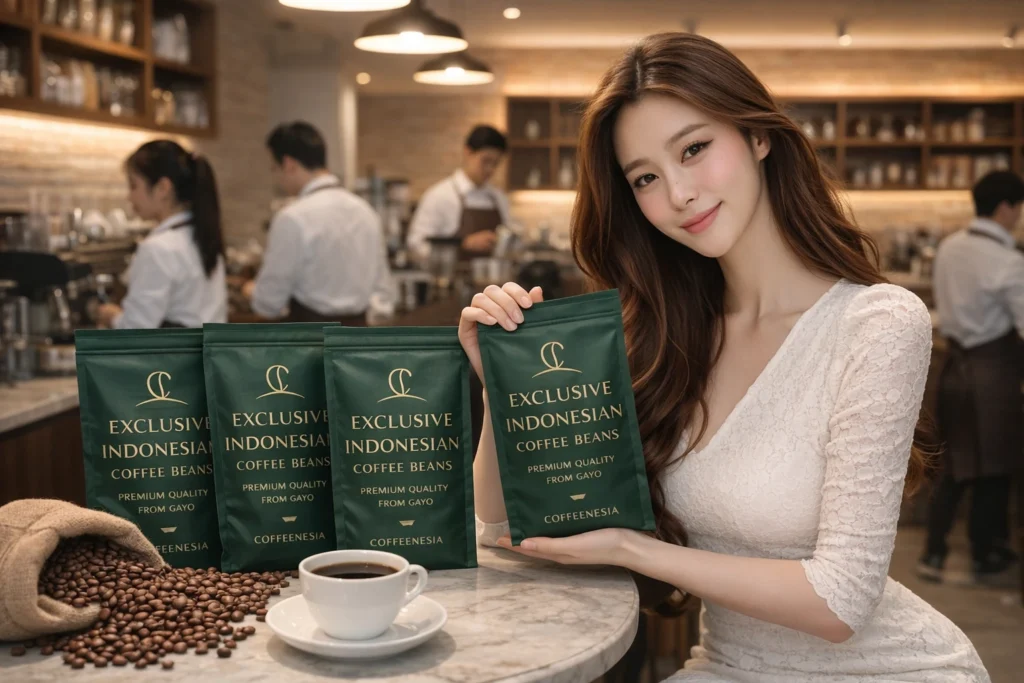
Bulk coffee is more than just a purchasing decision. It is a strategic move that directly shapes quality, consistency, and long-term brand reputation in the coffee business. Whether you run a café chain, roasting company, or distribution network, choosing the right supply determines how your final product is perceived in the market. From origin selection to processing methods, every detail influences taste, aroma, and customer satisfaction. Many businesses today rely on bulk coffee to scale efficiently while maintaining quality, making it essential to understand every aspect of sourcing before making long-term commitments.
Understanding Origin and Quality in Coffee Sourcing
Coffee sourcing begins with a clear understanding of origin because location strongly influences flavor, aroma, and overall quality. Regions such as Gayo in Aceh offer ideal growing conditions due to high altitude, volcanic soil, and stable climate patterns. These factors create beans with a rich body and balanced taste that consistently attract global buyers. When buyers explore sourcing options, they should focus on traceability and detailed origin data to ensure consistency across shipments. Bulk coffee sourced from transparent origins gives businesses greater control over quality and brand positioning.
In practice, experienced buyers evaluate harvest timing, processing methods, and grading standards before making decisions. Farmers in Gayo use traditional wet-hulling techniques that enhance body and reduce acidity, resulting in a distinctive cup profile. This process, combined with careful hand-picking, ensures that only ripe cherries enter production. As a result, businesses that prioritize high-quality sourcing gain a strong advantage in maintaining product consistency and customer trust.
Moreover, buyers should align sourcing schedules with harvest cycles to secure fresh crops. Fresh beans preserve flavor complexity better than older stock, which often loses vibrancy over time. By building a sourcing strategy around origin knowledge, businesses can maintain consistency and strengthen their position in the competitive coffee market while optimizing their bulk coffee investments.
Choosing the Right Supplier for Long-Term Growth
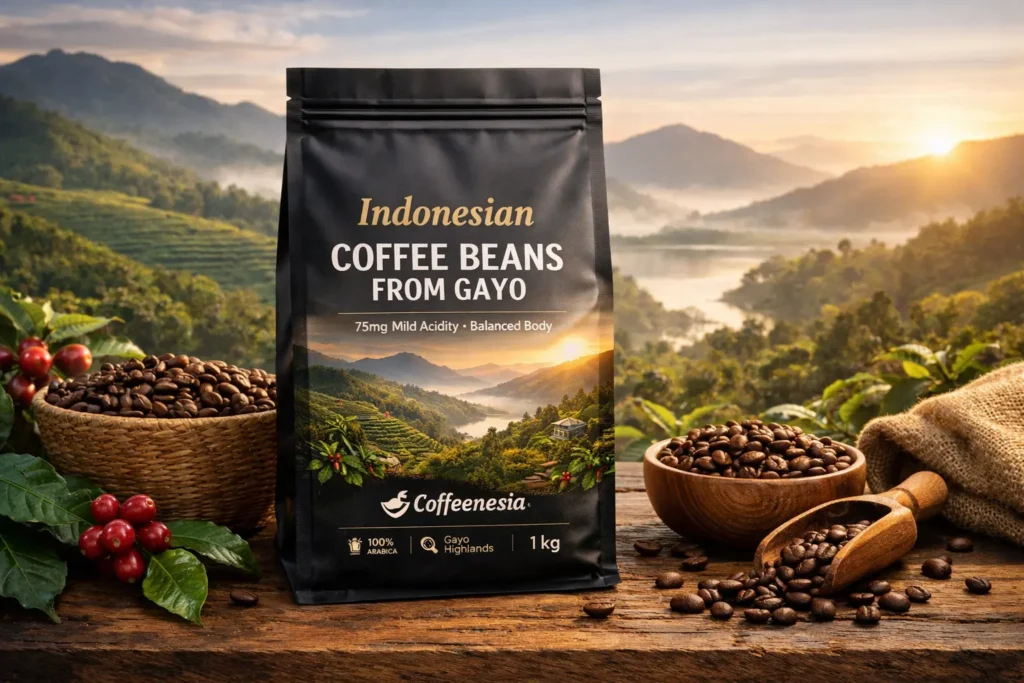
Selecting the right supplier plays a crucial role in building a sustainable coffee business. A reliable partner ensures consistent quality, transparent communication, and dependable delivery timelines. Businesses that invest time in evaluating suppliers often achieve better long-term results compared to those who prioritize price alone. Strong partnerships also create opportunities for growth, innovation, and product differentiation in the global market.
Professional suppliers maintain strict quality control systems and collaborate closely with farmers. They monitor each stage of production, from harvesting to packaging, to ensure consistency across shipments. Buyers who source bulk coffee from such partners benefit from stable flavor profiles and reduced risk of quality variation. Additionally, reputable suppliers often provide certifications that support ethical sourcing and environmental responsibility, which enhances brand credibility.
Communication also drives successful partnerships. Suppliers who share updates about market trends, pricing changes, and availability help buyers plan effectively. This transparency reduces uncertainty and improves decision-making across the supply chain. Logistics capabilities further enhance reliability, especially for international shipments that require careful handling and timely delivery.
Before committing to large orders, buyers should request samples to evaluate quality firsthand. This step allows them to test roasting performance and flavor characteristics in real conditions. By choosing a supplier who prioritizes quality, transparency, and collaboration, businesses can secure a dependable source of bulk coffee and build lasting success in a competitive industry.
Flavor Profile and Distinctive Character of Gayo Coffee
The flavor profile of Gayo coffee stands out in the global market due to its complexity and balance. Beans from this region typically offer a full body with low acidity, making them suitable for a wide range of brewing methods. Coffee enthusiasts often describe the taste as earthy, chocolatey, and slightly spicy, which creates a rich and satisfying drinking experience that appeals to diverse consumer preferences.
Roasters appreciate how well these beans perform across different roast levels. Medium roasts highlight the natural sweetness and herbal notes, while darker roasts bring out deeper chocolate and smoky characteristics. This versatility allows businesses to create diverse product lines using bulk coffee sourced from Gayo, enabling them to cater to various market segments without compromising quality or consistency.
Aroma also plays an important role in defining the character of Gayo coffee. The beans release a deep and inviting scent that enhances the overall sensory experience. This aromatic complexity adds value to the final product and strengthens its appeal in competitive markets. Furthermore, consistent sourcing practices ensure that each batch maintains similar flavor attributes, which is essential for brand reliability.
By understanding the unique characteristics of Gayo coffee, businesses can position their products more effectively. This knowledge helps them communicate value to customers and differentiate their offerings, especially when working with premium bulk coffee for international markets.
Nutritional Value and Functional Benefits of Coffee
Coffee offers more than just flavor because it contains several beneficial compounds that support overall well-being. One of the most recognized components is caffeine, which stimulates the central nervous system and improves focus. Many consumers rely on coffee to enhance productivity and maintain energy levels throughout the day, making it an essential part of modern lifestyles.
In addition to caffeine, coffee provides antioxidants such as chlorogenic acids. These compounds help reduce oxidative stress and support the body’s natural defense systems. Regular consumption may contribute to improved metabolic function and overall health. Businesses that highlight these benefits can attract health-conscious consumers who seek functional beverages with added value beyond taste.
Although coffee does not serve as a primary source of nutrition, it still contains small amounts of essential minerals. Magnesium, potassium, and niacin contribute to daily nutrient intake and support bodily functions. These elements add subtle value to coffee as part of a balanced lifestyle. Bulk coffee, therefore, becomes more than a commodity because it delivers both sensory enjoyment and functional benefits to consumers.
From a product development perspective, coffee’s versatility expands its applications beyond traditional beverages. Manufacturers use it in ready-to-drink products, desserts, and even cosmetic formulations. By understanding these benefits, businesses can create innovative offerings and maximize the potential of bulk coffee across multiple industries.
Processing Methods That Shape Coffee Quality
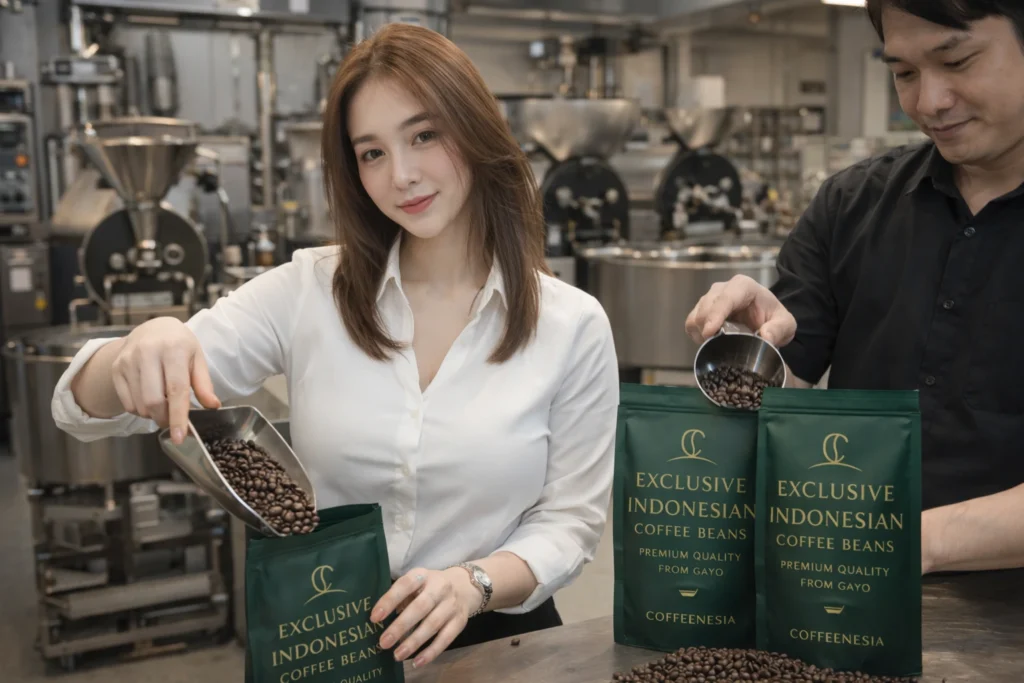
Processing methods significantly influence the final quality and characteristics of coffee beans. Farmers begin by harvesting ripe cherries, often by hand, to ensure consistency and preserve flavor integrity. This careful selection process sets the foundation for producing high-quality beans that meet international standards.
In regions like Gayo, wet-hulling remains the dominant method. This approach removes the outer layers of the cherry while the beans still retain high moisture content. As a result, the beans develop a fuller body and reduced acidity, which contributes to their distinctive profile. Buyers who source bulk coffee from such regions gain access to unique characteristics that stand out in competitive markets.
After processing, producers dry the beans to optimal moisture levels before sorting and grading them. Advanced sorting techniques remove defects and ensure uniform size and density. These steps play a crucial role in achieving consistent roasting results and maintaining product quality across batches.
The versatility of coffee extends to its applications across various industries. Companies use it in traditional brewing, specialty beverages, cold brew products, and culinary creations. This flexibility allows businesses to innovate and expand their offerings. By understanding processing methods and applications, buyers can maximize the value of their bulk coffee investments while maintaining consistent quality.
Expanding Applications Across Global Markets
The global demand for coffee continues to grow as consumers explore new ways to enjoy this versatile ingredient. Businesses that understand market trends can position their products more effectively and capture emerging opportunities. Bulk coffee plays a key role in this expansion because it provides scalability and flexibility for various applications.
In the beverage industry, coffee serves as the foundation for numerous products, including espresso-based drinks, cold brew, and ready-to-drink beverages. Each format requires specific bean characteristics, which highlights the importance of sourcing high-quality bulk coffee. Companies that align their sourcing strategies with product requirements can deliver consistent results and meet customer expectations.
Beyond beverages, coffee has gained popularity in culinary applications. Chefs use it to enhance flavors in desserts, sauces, and savory dishes. This trend opens new opportunities for businesses to diversify their product lines and reach broader audiences. Additionally, coffee extracts and compounds are increasingly used in cosmetics and wellness products.
By exploring these applications, businesses can maximize the potential of their coffee supply. Bulk coffee enables large-scale production while maintaining quality, making it an essential component for companies aiming to grow in competitive markets.
Market Trends and Strategic Buying Considerations
The coffee industry continues to evolve, driven by changing consumer preferences and increasing demand for specialty products. Buyers who stay informed about these trends can make better purchasing decisions and maintain a competitive edge. Understanding market dynamics also helps businesses anticipate price fluctuations and supply challenges.
Sustainability has become a major focus in recent years. Consumers expect brands to support ethical sourcing and environmentally responsible practices. Suppliers who prioritize sustainability often gain stronger market acceptance and build long-term relationships with buyers. Bulk coffee sourced from responsible producers aligns with these expectations and enhances brand reputation.
Pricing strategies require careful planning because global factors influence coffee markets. Harvest yields, climate conditions, and demand levels all affect pricing. Buyers who establish strong relationships with suppliers can secure stable supply and competitive pricing. This approach reduces risks and supports long-term business growth.
Technology and data analysis further support strategic decision-making. Businesses can use insights to forecast demand and optimize inventory management. By combining these tools with reliable sourcing practices, companies can navigate market complexities more effectively.
Final Strategy for Global Buyers Seeking Premium Coffee
Successful coffee sourcing requires a combination of knowledge, planning, and strong partnerships. Businesses that define clear quality standards and align them with supplier capabilities often achieve better results. This approach ensures consistency and strengthens brand identity in competitive markets.
Indonesia, particularly the Gayo region, offers a valuable opportunity for global buyers. The unique flavor profile, reliable quality, and traditional processing methods make it an attractive choice. Buyers who invest in understanding these characteristics can create products that resonate with diverse audiences. Bulk coffee from this region provides both quality and versatility for global distribution.
To streamline sourcing and build long-term success, businesses should collaborate with trusted suppliers who prioritize transparency and quality. Reliable partners support growth by providing consistent products and valuable market insights. This collaboration creates a strong foundation for expanding into new markets.
For those ready to elevate their sourcing strategy, explore premium solutions through coffenesia https://coffeenesia.id and discover detailed offerings of bulk coffee directly from origin https://coffeenesia.id/coffeenesia-coffee-from-gayo/ while connecting quickly via https://wa.me/6285285469417
Supply Chain Efficiency and Logistics Optimization
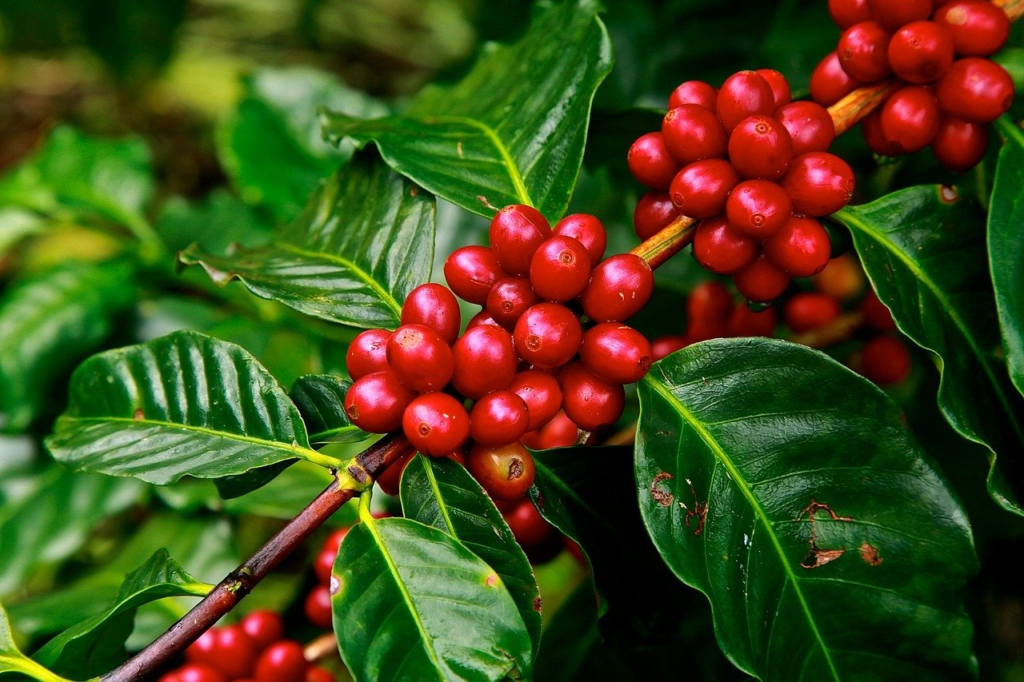
Efficient logistics play a vital role in maintaining the quality and reliability of coffee distribution. Businesses that manage supply chains effectively can reduce delays, preserve freshness, and maintain consistent product standards. From origin to destination, every stage requires careful planning and coordination to ensure that beans arrive in optimal condition. Bulk coffee shipments, in particular, demand strong logistical support because of their scale and sensitivity to environmental factors.
Export preparation begins at the origin, where producers package green beans using materials that protect against moisture and contamination. Proper storage conditions, including controlled humidity and temperature, help maintain bean integrity before shipment. Reliable suppliers implement strict handling procedures to ensure that quality remains consistent throughout the process. This attention to detail directly impacts the final product and customer satisfaction.
Transportation methods also influence coffee quality. Sea freight remains the most common option for large shipments due to cost efficiency, but it requires proper container management to prevent exposure to heat and humidity. Some suppliers use specialized liners or vacuum packaging to protect bulk coffee during transit. These measures help preserve aroma and flavor characteristics, even during long-distance shipping.
In addition to transportation, customs clearance and documentation require careful management. Delays at this stage can disrupt supply chains and affect business operations. Suppliers with strong international experience handle these processes efficiently, allowing buyers to focus on their core activities. By optimizing logistics and supply chain management, businesses can ensure that their bulk coffee reaches its destination in excellent condition and supports long-term growth.
Building Brand Value Through Coffee Storytelling
In today’s competitive market, storytelling has become an essential tool for building brand value. Consumers increasingly seek products with authentic origins and meaningful narratives. Coffee, with its rich cultural and agricultural background, offers a unique opportunity to create compelling stories that resonate with audiences. Businesses that highlight the journey from farm to cup can differentiate themselves and strengthen customer connections.
Gayo coffee provides a strong foundation for storytelling due to its heritage and traditional farming practices. Farmers in this region often rely on generational knowledge and sustainable methods, which adds authenticity to the product. Sharing these stories helps customers understand the effort and care involved in producing high-quality beans. When businesses incorporate this narrative into their branding, they create a deeper emotional connection with their audience.
Transparency also enhances storytelling. Providing information about sourcing, processing, and farmer partnerships builds trust and credibility. Buyers who choose bulk coffee from traceable origins can confidently communicate these details to their customers. This transparency not only supports ethical practices but also strengthens brand reputation in global markets.
Visual elements, such as packaging design and marketing content, further reinforce the story. By combining clear messaging with authentic imagery, businesses can create a cohesive brand identity. This approach allows them to stand out in a crowded marketplace and attract loyal customers. Ultimately, storytelling transforms coffee from a simple product into a meaningful experience that adds value at every stage of the supply chain.
Quality Control and Consistency in Large-Scale Supply
Maintaining consistent quality remains one of the biggest challenges in large-scale coffee sourcing. Businesses must implement strict quality control measures to ensure that every batch meets their standards. Without consistency, even high-quality beans can lead to unpredictable results, which may affect customer satisfaction and brand reputation. Bulk coffee sourcing requires a structured approach to quality management at every stage.
Quality control begins at the origin, where producers sort and grade beans based on size, density, and defect levels. Advanced sorting technologies and manual inspections help remove imperfections and ensure uniformity. This process creates a solid foundation for consistent roasting and brewing performance. Buyers who prioritize these standards can deliver reliable products to their customers.
Roasting consistency also plays a critical role in maintaining quality. Even the best beans require precise roasting techniques to achieve the desired flavor profile. Businesses should establish clear roasting parameters and regularly test their processes to ensure consistent results. By aligning sourcing and roasting strategies, they can maximize the potential of their bulk coffee supply.
Regular cupping and quality evaluation further support consistency. These practices allow businesses to monitor flavor profiles and identify any variations early. By addressing issues promptly, they can maintain product quality and avoid disruptions. Through a combination of strong sourcing practices and rigorous quality control, businesses can ensure that their coffee consistently meets expectations.
Innovation and Future Opportunities in Coffee Industry
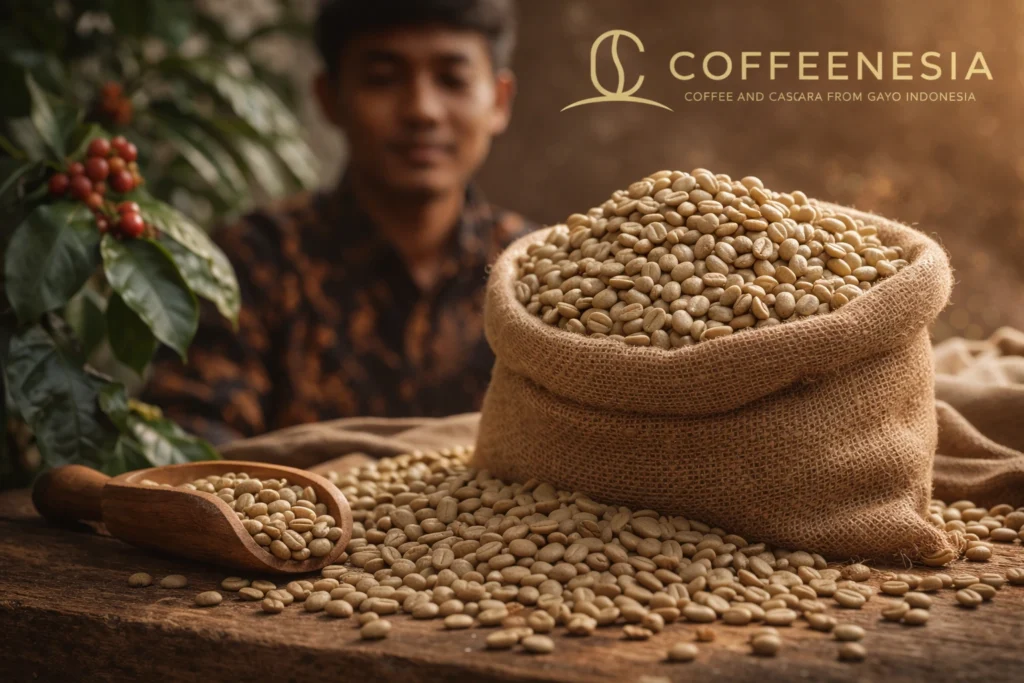
The coffee industry continues to evolve as new trends and technologies reshape the market. Businesses that embrace innovation can stay ahead of competitors and capture emerging opportunities. From product development to sustainability initiatives, innovation drives growth and creates new possibilities for the future. Bulk coffee plays a central role in supporting these advancements by providing a scalable and versatile raw material.
One area of innovation involves new brewing techniques and product formats. Cold brew, nitro coffee, and ready-to-drink beverages have gained popularity among modern consumers. These products require specific bean characteristics, which highlights the importance of strategic sourcing. Companies that adapt their bulk coffee selection to meet these needs can create unique offerings that stand out in the market.
Sustainability also drives innovation in the coffee industry. Producers and buyers are exploring eco-friendly practices, such as reducing water usage, improving waste management, and supporting regenerative agriculture. These efforts not only benefit the environment but also enhance brand value and customer trust. Businesses that integrate sustainability into their operations can build stronger connections with socially conscious consumers.
Technology further expands opportunities for growth. Data analytics, digital platforms, and supply chain tracking systems improve efficiency and transparency. These tools enable businesses to make informed decisions and optimize their operations. By embracing innovation and leveraging the potential of bulk coffee, companies can position themselves for long-term success in a dynamic global market.
Strengthening Global Partnerships and Market Expansion
Expanding into global markets requires strong partnerships and a clear strategic vision. Businesses that collaborate with reliable suppliers and distributors can access new opportunities and increase their market reach. Building these relationships takes time, but the benefits include improved supply stability, better pricing, and enhanced product quality. Bulk coffee sourcing often serves as the foundation for these partnerships.
International buyers must understand cultural and market differences when entering new regions. Consumer preferences vary widely, which influences product development and marketing strategies. By adapting their offerings to local tastes, businesses can increase their chances of success. Bulk coffee provides the flexibility needed to create diverse products that meet these varying demands.
Trade shows, industry events, and professional networks offer valuable opportunities to connect with potential partners. Organizations such as the Specialty Coffee Association provide insights and resources that support market expansion. Engaging with these platforms helps businesses stay informed and build meaningful connections within the industry.
Long-term partnerships also encourage collaboration and innovation. Suppliers and buyers who work closely together can develop new products, improve processes, and respond more effectively to market changes. This cooperation strengthens the entire supply chain and supports sustainable growth. By focusing on relationship building and strategic expansion, businesses can maximize the value of their bulk coffee operations.
Closing Insight and Direct Sourcing Opportunity
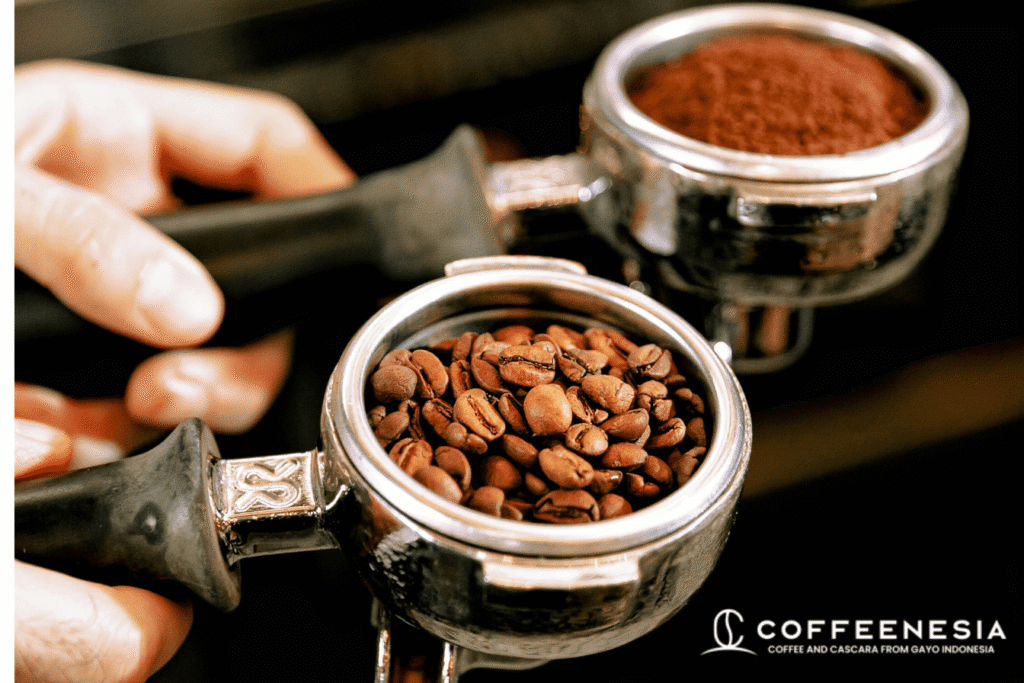
Building a successful coffee business requires a balanced approach that combines quality sourcing, strong partnerships, and market awareness. Businesses that invest in understanding origin, processing, and consumer preferences can create products that stand out in competitive markets. Bulk coffee serves as a powerful tool for scaling operations while maintaining consistency and quality.
Indonesia, especially the Gayo region, offers a unique combination of tradition, quality, and reliability. The distinctive flavor profile and proven production methods make it a valuable choice for global buyers seeking premium beans. By working with experienced suppliers, businesses can secure a stable supply and build long-term success in the coffee industry.
For those ready to enhance their sourcing strategy, exploring trusted partners becomes the next step. Coffenesia provides access to high-quality Indonesian coffee and supports businesses in achieving their goals. Learn more about coffenesia https://coffeenesia.id and explore premium bulk coffee options directly from Gayo https://coffeenesia.id/coffeenesia-coffee-from-gayo/ while connecting instantly via https://wa.me/6285285469417
Discover More About Coffee Beans and Coffeenesia
Coffeenesia continues to establish itself as a trusted supplier of premium Indonesian Coffee Beans. By combining organic cultivation, disciplined processing, and transparent trade practices, the company delivers value beyond the cup.
Businesses interested in exploring premium coffee products, cascara beverages, or sourcing partnerships can learn more through coffenesia?
Indonesian Coffee Beans 01 Wholesale Supplier By Coffeenesia!

Coffeenesia has established itself as one of Indonesia’s most reliable and reputable suppliers of premium coffee commodities, catering to global importers, roasters, and café chains who demand consistent quality and ethical sourcing. As a specialized exporter of Indonesian Coffee Beans, particularly the world-renowned Aceh Gayo Arabica, Coffeenesia brings authenticity, traceability, and international-grade standards to businesses seeking long-term, dependable suppliers.
Through our official platform Coffeenesia.id, international buyers can explore a complete portfolio of Indonesian coffee products sourced directly from smallholder farmers in the Gayo Highlands. Our signature offering, Gayo Arabica Specialty Grade, is available in Washed, Honey, and Natural process, each carefully prepared to highlight the region’s distinct altitude, volcanic soil fertility, and traditional farming culture. Whether your business requires green beans for roasting, premium roasted beans for café service, or private-label solutions for your brand, Coffeenesia ensures every shipment meets stringent specialty coffee benchmarks.
Beyond specialty Arabica beans, Coffeenesia is also the trusted supplier of Gayo Cascara, a premium dried coffee cherry tea increasingly popular in international wellness and specialty beverage markets. Known for its fruity aroma, gentle sweetness, and antioxidant benefits, cascara from Gayo is processed using clean, sun-dried methods that maintain purity and flavor integrity. This makes it ideal for cafés, tea houses, beverage formulators, and health-focused brands seeking a unique product with rising global demand.
As an export-focused supplier, Coffeenesia provides comprehensive wholesale support—ranging from quality inspection, moisture and defect grading, and roast profiling guidance, to international logistics and export documentation. We prioritize fair compensation for farmers, sustainable cultivation methods, and transparent supply chains, ensuring our buyers receive products that are ethical, environmentally responsible, and globally competitive.
For businesses seeking the finest Indonesian Coffee Beans with dependable wholesale supply, Coffeenesia stands ready as your trusted partner, delivering exceptional quality from the highlands of Gayo straight to your roasting facility or café.
FAQ (Bulk Coffee)
- What is the minimum order for bulk coffee purchases?
Minimum order quantities for bulk coffee vary depending on the supplier, but most exporters set ranges between 30 kg to full container loads. Buyers should confirm packaging options, such as jute bags or vacuum packs, to match their business scale and storage capacity. - How long can bulk coffee beans be stored safely?
Bulk coffee beans can maintain quality for up to 12 months when stored properly in a cool, dry environment. Green beans last longer than roasted ones, but proper humidity control and airtight packaging significantly help preserve freshness and flavor consistency. - What certifications should I look for in bulk coffee?
Buyers should consider certifications like Organic, Fair Trade, or Rainforest Alliance when selecting bulk coffee. These certifications ensure ethical sourcing, environmental sustainability, and better farming practices, which can enhance brand value in global markets. - Can bulk coffee be customized for specific flavor profiles?
Yes, suppliers often provide bulk coffee with customizable processing or blending options. Buyers can request specific roast levels or bean combinations to achieve desired flavor profiles that align with their target market preferences. - How do I ensure consistency in bulk coffee shipments?
Consistency depends on working with reliable suppliers who apply strict quality control and maintain traceable sourcing. Regular sample testing and cupping sessions help buyers monitor flavor profiles and ensure each shipment meets their standards. - Is Gayo coffee suitable for all brewing methods?
Gayo coffee works well with various brewing methods, including espresso, pour-over, and French press. Its balanced body and low acidity make it versatile, allowing businesses to use bulk coffee efficiently across multiple product lines.