
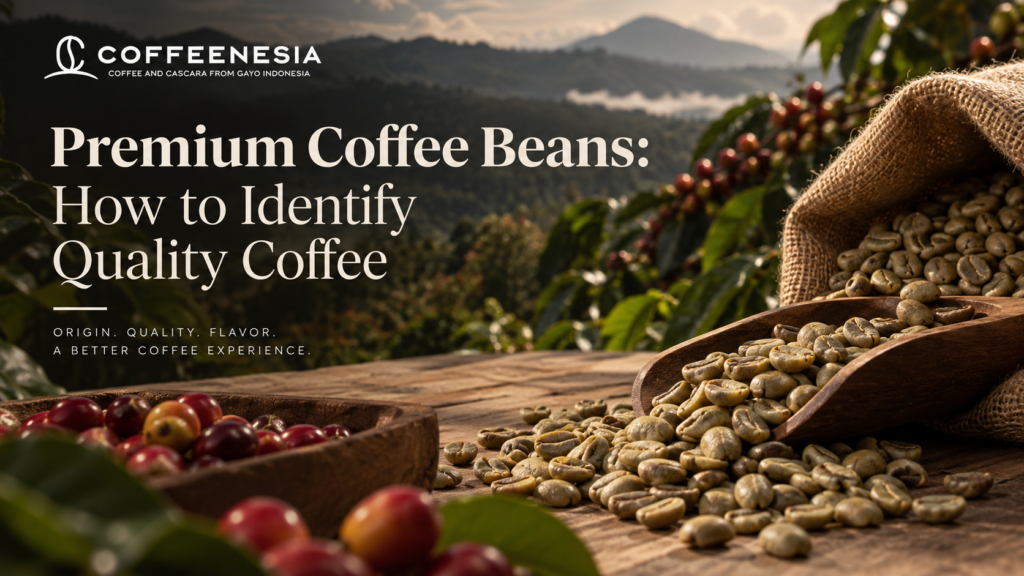
Not all coffee sold as “premium” offers the same quality. For consumers, roasters, café owners, and coffee buyers, identifying premium coffee beans requires more than checking the price, packaging, or marketing description.
Quality starts with the coffee itself. Origin, variety, growing conditions, harvesting, processing, physical condition, moisture, roasting, freshness, sensory characteristics, and traceability can all influence how buyers evaluate a coffee.
The Specialty Coffee Association (SCA) takes a similarly broad approach through its Coffee Value Assessment. The current framework evaluates coffee through physical, descriptive, affective, and extrinsic attributes rather than relying on one characteristic alone.
For buyers, this creates a practical principle: Origin → Processing → Physical Quality → Sensory Profile → Traceability → Consistency → Commercial Fit
Understanding these elements makes it easier to distinguish meaningful quality from the word “premium” on a label.
What Are Premium Coffee Beans?
Premium coffee beans are coffee beans that demonstrate desirable quality through factors such as origin, physical condition, processing, sensory characteristics, consistency, and traceability. However, the term “premium” should not function as a quality guarantee by itself. Buyers still need to evaluate the actual coffee, supporting information, and specifications before making a purchasing decision.
SCA standards provide frameworks for consistent coffee evaluation. Its current Coffee Value Assessment examines physical attributes such as defects, moisture, and size, while also considering aroma, flavor, texture, aftertaste, personal or market preference, and extrinsic information such as origin and traceability. This broader approach helps buyers assess coffee from several perspectives rather than relying on a single quality indicator.
Therefore, a better question is not simply:
“Is this premium coffee?”
Instead, ask:
“What evidence supports its quality?”
For commercial buyers, that evidence may include origin information, physical specifications, sample evaluation, processing details, traceability, and consistency between lots.
1. Start with the Origin of the Coffee
Origin provides the first layer of information when evaluating premium coffee beans. Country alone is often not enough because serious buyers may also want to know the region, growing area, altitude, variety, producer or cooperative, harvest, and processing method. These details help explain where the coffee comes from and how its production conditions may influence quality.
Growing conditions can contribute to differences between coffee origins. Climate, elevation, soil, coffee variety, agricultural practices, and harvest conditions may all influence the development of the coffee before processing. As a result, a clear origin description gives buyers more useful information than a broad country-of-origin label alone.
For example, Coffeenesia specializes in coffee from the Gayo Highlands of Aceh, Indonesia. Its website states that it established a farm presence in Gayo and provides information about origin, variety, and processing methods. This type of information can help buyers understand the background of a coffee before evaluating its physical and sensory qualities.
Buyers evaluating origin can follow:
Country → Region → Growing Area → Producer → Variety → Harvest → Lot
The more clearly a supplier can explain the origin, the easier it becomes to evaluate traceability, compare samples, and plan repeat purchasing.
2. Check the Physical Condition of Green Coffee Beans
For green coffee buyers, visual inspection remains an important step when evaluating premium coffee beans. Physical characteristics can provide information about sorting, processing, storage, preparation, and potential quality issues. However, appearance should remain one part of a broader evaluation rather than the only basis for judging coffee.
Buyers can examine bean consistency, visible defects, foreign material, color, moisture, and size. These observations can help identify whether a lot appears consistent with the agreed specification. Nevertheless, physical inspection cannot fully predict how the coffee will perform in the cup.
The SCA’s Coffee Value Assessment includes physical assessment as one of its four complementary approaches. It examines characteristics such as color, defects, moisture content, and size, giving buyers a structured starting point for evaluating green coffee.
For Indonesian coffee, buyers may also encounter the Indonesian green-coffee grading system. In that system, Grade 1 has a maximum total defect value of 11 in a 300-gram sample, while other grades allow progressively higher defect values. Therefore, buyers should connect grading information with actual sample inspection rather than relying on the grade name alone.
A practical physical-quality framework is:
Clean Appearance + Appropriate Moisture + Controlled Defects + Consistent Preparation
These indicators can provide useful evidence when assessing premium coffee beans, but sensory evaluation and commercial suitability should still be considered before confirming a larger purchase.
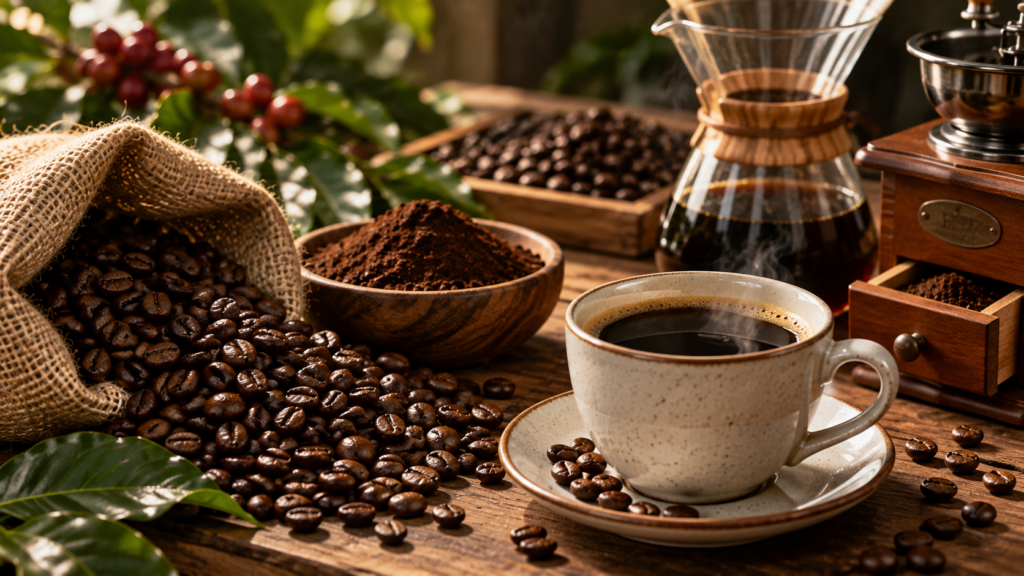
3. Evaluate Aroma Before Judging Coffee Quality
Aroma provides another important quality signal. Good coffee can express a wide range of aromatic characteristics depending on its origin, variety, processing, roasting, and preparation.
Rather than asking whether the aroma is simply “strong,” buyers should look for clarity and character.
Depending on the coffee, sensory descriptions may include floral, fruity, herbal, chocolate, spice, caramel, or other attributes. Different profiles can appeal to different markets.
The SCA’s descriptive assessment records sensory characteristics such as aroma, flavor, texture, and aftertaste through standardized evaluation.
Therefore, premium coffee beans do not need to share one universal aroma. What matters is whether the coffee expresses desirable and identifiable characteristics for its intended market.
4. Taste the Coffee, Not the Marketing Description
Words such as premium, exclusive, bold, and luxury cannot replace sensory evaluation.
For professional buyers, sample roasting and structured tasting provide much stronger information. Cupping can help buyers examine aroma, flavor, aftertaste, acidity, body or texture, balance, and other sensory characteristics.
SCA’s current Coffee Value Assessment separates descriptive evaluation from affective assessment. In simple terms, professionals can describe what characteristics a coffee has separately from how much an evaluator or target market values those characteristics.
This distinction matters.
A bright and fruity coffee may suit one specialty market, while another buyer may prefer deeper body and lower perceived acidity.
Therefore: Different Flavor ≠ Lower Quality
Instead, evaluate: Sensory Character + Cleanliness + Consistency + Target Market Fit
5. Understand How Processing Shapes the Coffee
Coffee processing can significantly influence the final character of the bean. Buyers should therefore ask suppliers how producers processed each lot.
Common methods include washed, natural, honey, and Indonesia’s well-known wet-hulled approach. Each process can create different sensory outcomes depending on origin and execution.
Coffeenesia’s current Gayo coffee portfolio includes multiple processing profiles. Its published coffee content discusses Washed, Honey, and Natural options for buyers seeking different Gayo characteristics.
Instead of asking:
“Which processing method is best?”
buyers should ask:
“Which processing method matches my desired cup profile?”
That question connects processing with actual product development.
6. Check Moisture and Storage Conditions
Moisture management matters for green coffee because inappropriate conditions can affect storage stability and quality.
Buyers should therefore request the actual specification for the lot rather than assume every coffee follows the same moisture level.
Indonesian green-coffee quality requirements set a maximum moisture content of 12.5% under the referenced national grading standard.
However, commercial evaluation should go beyond one number. Buyers can discuss:
Moisture → Packaging → Warehouse Conditions → Shipment Duration → Destination Climate → Storage
For international orders, these factors become particularly relevant because coffee may spend weeks moving through the supply chain.
7. Look for Traceability, Not Just an Origin Name
“Coffee from Indonesia” provides less information than a traceable lot from a specific region and processing system.
Traceability can help buyers understand where the coffee comes from and how suppliers prepared it. Depending on the supply chain, information may include region, producer, variety, altitude, processing method, harvest, lot, and other production details.
SCA’s Coffee Value Assessment includes extrinsic assessment, which considers information beyond sensory characteristics. Examples include origin traceability, certifications, and processing information.
Coffeenesia also identifies full traceability as one of its sourcing principles. The company states that it provides transparency regarding the origin, variety, and processing methods of its coffee and cascara.
For buyers, the chain should become increasingly clear:
Coffee → Lot → Process → Origin → Producer
not increasingly vague.
8. Compare Consistency Between Samples and Orders
One excellent sample does not automatically prove long-term supply consistency.
Commercial buyers need to consider whether a supplier can communicate changes between lots and maintain agreed specifications across repeat orders.
Consistency does not mean every agricultural product must taste completely identical. Harvest, weather, processing, and other variables can create natural differences.
Instead, buyers need a clear reference point:
Specification → Sample → Approval → Order → Quality Check → Repeat Evaluation
Coffeenesia states that it personally oversees coffee and cascara production with a focus on consistent quality. Its sourcing model also emphasizes direct sourcing and traceability.
For wholesale buyers, those processes matter because quality needs to continue beyond the first sample.
9. Ask for Coffee Specifications Before Buying in Bulk
Professional coffee sourcing requires clear specifications. Before placing a commercial order for premium coffee beans, buyers should discuss the exact characteristics of the available lot. A practical specification may include:
| Factor | What Buyers Should Check |
| Origin | Country, region, growing area |
| Species | Arabica, Robusta, or other |
| Variety | Available variety information |
| Processing | Washed, Natural, Honey, Wet-Hulled, etc. |
| Grade | Applicable grading specification |
| Moisture | Actual lot specification |
| Defects | Applicable defect specification |
| Bean Size | Screen size where relevant |
| Sensory Profile | Aroma, flavor, acidity, body/texture, aftertaste |
| Harvest | Harvest or crop information |
| Traceability | Available origin and lot information |
| Packaging | Commercial/export packaging |
| MOQ | Minimum commercial order |
| Sample | Availability before bulk order |
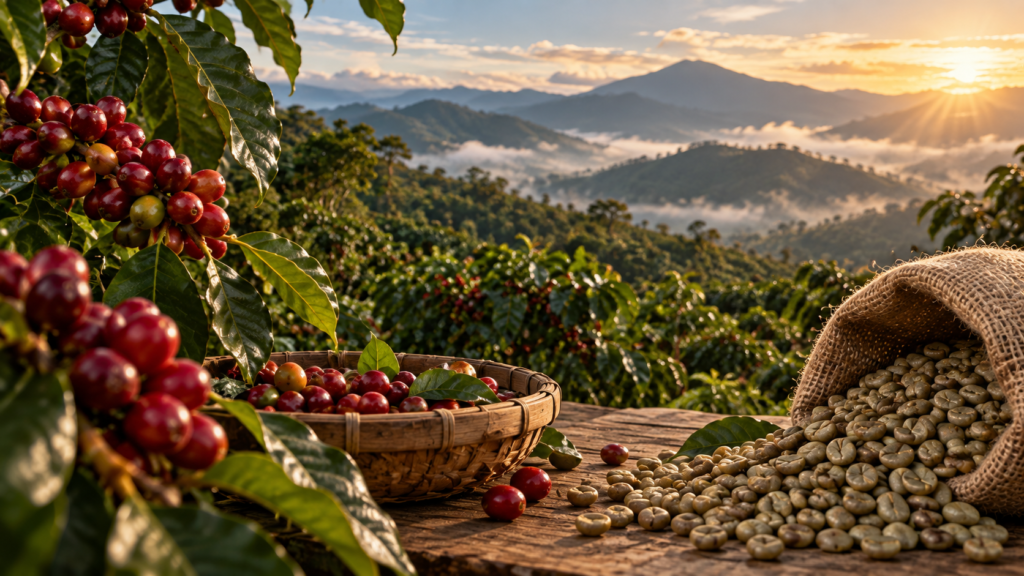
10. Request a Sample Before a Large Coffee Order
A product page can provide useful information, but it cannot replace a physical sample.
Roasters, importers, and distributors should evaluate the coffee before committing to substantial volume. Depending on the business, evaluation can include physical inspection, sample roasting, cupping, and comparison against purchasing requirements.
A practical buyer process is: Supplier Review → Specification → Sample → Sample Roast → Cupping → Commercial Evaluation → Order
This approach reduces the risk of making purchasing decisions based solely on photographs or marketing descriptions. It also helps buyers determine whether the coffee fits their intended product.
11. Match Coffee Quality with Its Intended Use
Quality has a commercial context.
A coffee selected for single-origin filter service may require a different sensory profile from beans intended for espresso blends or large-scale commercial roasting.
Therefore, buyers should define the intended application before selecting a coffee.
Specialty Roasters
May prioritize distinctive sensory characteristics, traceability, processing, and origin identity.
Commercial Roasters
May place greater emphasis on consistency, scalable supply, cost structure, and predictable roasting behavior.
Cafés
Need to consider brewing method, customer preferences, menu positioning, and price.
Importers and Distributors
Often need specifications, documentation, packaging, volume, supply continuity, and market fit.
Consequently, the best purchasing question is not:
“What is the best coffee?”
It is:
“Which coffee best matches the product and market requirements?”
12. Does a Higher Price Mean Better Coffee?
Not necessarily.
Price can reflect quality, scarcity, origin, processing complexity, logistics, lot size, demand, certifications, or positioning. However, price alone cannot prove sensory or physical quality.
SCA’s current approach recognizes that coffee value has several dimensions. Physical characteristics, sensory description, evaluator preference, and extrinsic information can all contribute to how markets value a coffee.
Therefore, buyers should compare:
Price + Specification + Sensory Quality + Traceability + Consistency + Commercial Fit
A higher price becomes more meaningful when the supplier can explain what creates the additional value.
How Can Buyers Identify Premium Coffee Beans Quickly?
If time is limited, start with six questions:
- Where is the coffee from?
- How was it processed?
- What are the lot specifications?
- What does it taste like?
- Can the supplier provide traceability?
- Can I evaluate a sample before ordering?
These questions quickly move the conversation away from marketing terminology and toward measurable or verifiable information.
For B2B buyers, add four more:
MOQ → Packaging → Export Documentation → Lead Time
Together, these factors provide a much clearer picture of both coffee quality and supplier readiness.
How Does Gayo Coffee Fit the Premium Coffee Market?
Gayo Arabica comes from the highlands of Aceh, Indonesia. The origin has become relevant to specialty roasters and international buyers seeking Indonesian Arabica with a distinctive regional identity.
EFBA Agro’s published Gayo Arabica specification describes coffee from approximately 1,200–1,600 meters above sea level. Its listed product uses Grade 1, semi-washed/wet-milling specifications and identifies medium-to-full body, balanced acidity, and floral and herbal aromatic characteristics.
However, buyers should not assume every Gayo lot shares exactly the same profile. Processing, variety, farm, harvest, and lot preparation can change sensory characteristics.
Coffeenesia’s portfolio reflects this diversity by discussing different Gayo products and processing profiles for specialty and wholesale buyers.
For more information about Indonesian coffee sourcing, buyers can explore EFBA Agro’s Indonesian Arabica Coffee Supplier guide.
How Coffeenesia Evaluates Quality from Origin to Buyer
Coffeenesia focuses on single-origin Indonesian coffee and cascara from the Gayo Highlands. Its first-party website highlights four sourcing principles: direct sourcing, meticulous quality control, full traceability, and sustainable practices.
According to Coffeenesia, its team established a farm presence in Gayo and oversees coffee and cascara production. The company also states that buyers can receive transparency about origin, variety, and processing method.
For premium coffee beans, this creates a useful quality chain:
Origin → Harvest → Processing → Quality Control → Traceability → Packaging → Buyer
International buyers should still evaluate the individual lot and request current specifications before making a purchasing decision. First-party sourcing information provides useful context, while physical and sensory evaluation provides evidence about the coffee itself.
Readers exploring Indonesian green coffee can also read Coffeenesia’s Green Coffee Supplier Indonesia guide and its Gayo Coffee Grade 1 Bulk Export guide.
Why Coffee Quality Also Matters for Coffee Businesses
Coffee quality does not operate separately from business strategy.
A café, roaster, distributor, or private-label coffee business still needs to connect product quality with target customers, pricing, positioning, operating costs, supply planning, and customer experience.
EFBA’s coffee-shop business consulting content discusses areas such as concept development, branding, menu engineering, cost of goods, SOPs, marketing, and business planning.
Therefore, businesses can think beyond the bean:
Coffee Quality → Product Positioning → Cost Structure → Pricing → Customer Experience → Repeat Purchase
Businesses developing a café or coffee-shop concept can explore EFBA’s Coffee Shop Business Consulting guide.
This business perspective complements Coffeenesia’s product and sourcing focus without replacing technical coffee evaluation.
Premium Coffee Beans vs Ordinary Commercial Coffee: What Should Buyers Compare?
Instead of relying on labels, compare evidence.
| Evaluation Area | What to Look For |
| Origin | Clear and traceable information |
| Processing | Identified processing method |
| Physical Quality | Defects, moisture, size, condition |
| Sensory Profile | Clear aroma, flavor, texture, aftertaste |
| Consistency | Repeatable specifications and evaluation |
| Traceability | Lot and origin information |
| Sample | Available for buyer evaluation |
| Commercial Fit | Suitable price, volume, packaging, and use |
The word “premium” only becomes useful when suppliers can support it with information and product performance.
What Should International Buyers Check Before Ordering Premium Coffee Beans?
International buyers should combine quality evaluation with procurement requirements.
Start with:
Origin → Variety → Process → Grade → Moisture → Defects → Cup Profile → Sample
Then review:
MOQ → Packaging → Documentation → Destination → Shipping Terms → Lead Time → Repeat Supply
EFBA Agro describes a similar B2B approach for Indonesian Arabica procurement. Its coffee-sourcing guidance recommends checking origin, variety, processing, grade, moisture, defects, cup profile, harvest, packaging, MOQ, export documentation, and lead time.
For broader Indonesian agricultural sourcing and coffee procurement, buyers can visit EFBA Agro International.
FAQ About Premium Coffee Beans
What are premium coffee beans?
Premium coffee beans generally refer to coffee positioned for higher quality based on characteristics such as origin, processing, physical condition, sensory profile, consistency, and traceability.
However, buyers should verify these characteristics rather than relying on the word “premium” alone.
How can I tell if coffee beans are high quality?
Start by checking origin, processing method, physical condition, moisture, defects, sensory characteristics, and traceability. For commercial purchases, request specifications and a sample.
A sample roast and sensory evaluation can provide much stronger evidence than packaging or marketing claims.
Does premium coffee have to be Arabica?
No. Species alone does not determine every aspect of quality or market value.
Buyers should evaluate the actual coffee, its attributes, processing, intended use, and target market rather than assuming that one species automatically guarantees superior quality.
Is specialty coffee the same as premium coffee?
Not necessarily. “Premium” is widely used as a commercial description, while specialty coffee has a more specific industry context around distinctive attributes and marketplace value.
SCA currently defines specialty coffee around distinctive attributes that create significant additional value and uses the Coffee Value Assessment to examine several dimensions of coffee.
What should green coffee buyers inspect?
Green coffee buyers should consider origin, processing, defects, moisture, bean condition, size where relevant, traceability, and lot information. They should also evaluate the coffee through sample roasting and sensory assessment.
For Indonesian coffee, buyers may additionally request the applicable Indonesian grade specification.
Should I request coffee samples before ordering?
Yes. Samples allow buyers to inspect the green coffee, conduct sample roasting, evaluate sensory characteristics, and compare the coffee against purchasing requirements.
This step becomes especially important before wholesale or repeat orders.
What makes Gayo coffee premium?
Gayo coffee can offer valuable attributes such as a distinctive origin, highland growing environment, diverse processing methods, and recognizable sensory characteristics.
However, buyers should assess each lot individually because origin alone does not guarantee identical quality across every coffee.
Can Coffeenesia supply coffee for wholesale buyers?
Coffeenesia publishes commercial tiers for its specialty coffee and cascara. Its current website lists Merchant Tier at 25 kg, Wholesale Tier at 100 kg, and Distributor Tier above 250 kg. Buyers should confirm current availability and specifications directly before ordering.

How to Choose Premium Coffee Beans with Confidence
Identifying premium coffee beans requires evidence rather than assumptions. Origin matters, but origin alone is not enough. Processing matters, but processing alone cannot guarantee a good cup.
Instead, evaluate coffee through a connected framework:
Origin → Processing → Physical Quality → Sensory Profile → Traceability → Sample → Consistency → Commercial Fit
For professional buyers, continue with:
MOQ → Packaging → Documentation → Logistics → Repeat Supply
Coffeenesia connects buyers with single-origin coffee from the Gayo Highlands while emphasizing direct sourcing, quality control, and traceability.
The final purchasing decision should still come from the specific lot, its specifications, a physical sample, sensory evaluation, and the needs of the target market. That combination provides a much stronger foundation than choosing coffee because the packaging simply says “premium.”