
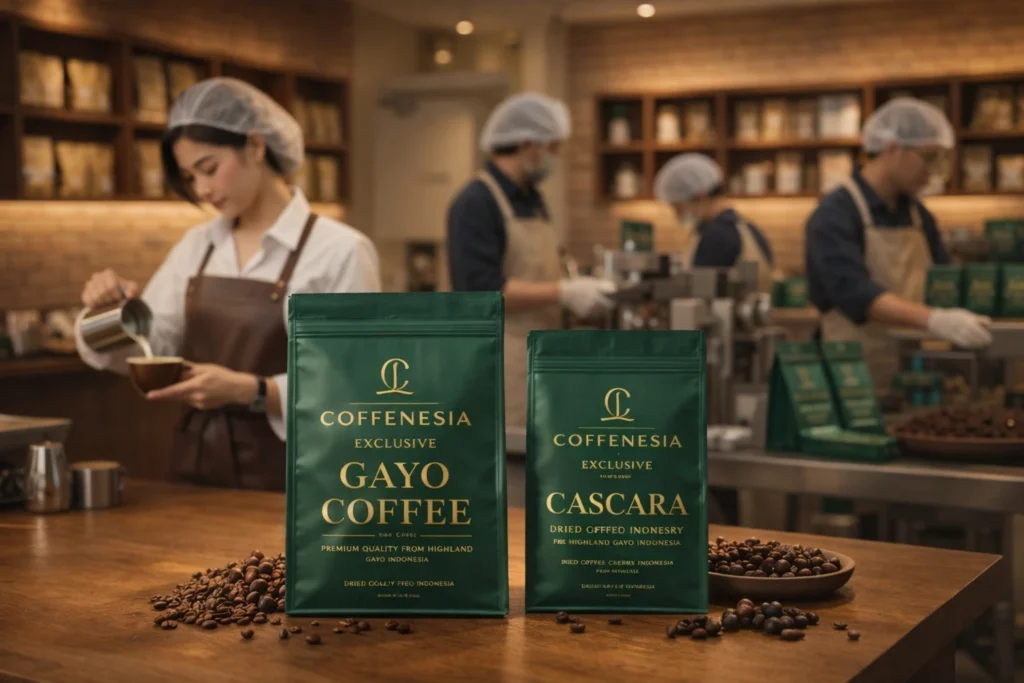
Coffee Import activities involve more than just moving beans from one country to another; they represent a complex chain of trust, quality assurance, and logistical excellence. For global buyers looking to secure the best yields, understanding what makes a coffee importing company stand out is essential. In the modern marketplace, transparency has become the gold standard. Buyers are no longer satisfied with just a bag of beans; they want to know the story behind the harvest, the ethics of the labor involved, and the precise chemical profile of the product.
This shift in consumer behavior means that importers must be more diligent than ever. They act as the vital bridge between remote plantations and high-end roasteries. When a business engages in coffee import, it must navigate international trade laws, fluctuating market prices, and the delicate nature of a perishable agricultural product. Success in this field requires a deep understanding of sensory analysis and supply chain management.
Buyers look for partners who can guarantee consistency every single month. If a shipment varies even slightly in moisture content or defect count, it can ruin a roaster’s profile. Therefore, the most successful companies in this niche are those that prioritize quality control at every single step of the journey. They invest in climate-controlled warehousing and rapid shipping methods to ensure that the beans arrive in peak condition. This dedication to excellence is what defines the leaders in the global market today.
Quality Control Standards and Global Certifications
Global buyers evaluate potential partners by first scrutinizing the certifications that prove a company’s dedication to quality and safety. Standardized grading systems, such as those established by the Specialty Coffee Association, provide a universal language for buyers and sellers. However, elite companies go further by implementing their own internal cupping protocols and laboratory testing. They analyze physical green bean attributes, including bean size, density, and color uniformity.
These technical details are crucial because they dictate how the coffee reacts during the roasting process. A reliable partner provides detailed cupping notes that describe the acidity, body, and flavor profile of each lot. This level of detail helps buyers make informed decisions without needing to fly across the globe for every purchase. Elite firms understand that coffee import excellence begins with a rigorous commitment to quality control standards that exceed basic industry requirements.
Furthermore, food safety certifications like HACCP or ISO standards provide peace of mind regarding the handling and storage of the beans. Buyers also prioritize importers who hold organic, Fair Trade, or Rainforest Alliance certifications, as these labels reflect a commitment to environmental sustainability and social responsibility. In a competitive market, these credentials serve as a powerful signal of professionalism. They demonstrate that the importer understands the global regulatory landscape and maintains high standards under pressure. By focusing on these metrics, importing companies build long-term relationships based on mutual respect and verified performance.
Supply Chain Transparency and Ethical Sourcing

Today’s sophisticated buyers demand to know exactly where their coffee comes from, down to the specific washing station or even the individual farm. This move toward direct trade models has revolutionized how modern businesses operate. Ethical sourcing is no longer just a marketing buzzword; it is a fundamental requirement for doing business in the 21st century. Buyers look for importers who maintain direct relationships with farmers, ensuring that a fair portion of the final price goes back to the producers.
This financial stability allows farmers to invest in better equipment and more sustainable farming practices, which ultimately leads to higher quality beans. When an importer provides documentation regarding labor conditions and environmental impact, they become a preferred partner for high-end brands. Digital tracking technologies, such as blockchain, now create an immutable record of a bean’s journey from the plantation to the port. This data-driven approach to coffee import eliminates guesswork and builds an incredible amount of trust.
It allows buyers to tell a compelling story to their own customers, adding value to the final product. Companies that ignore these trends risk falling behind as the market shifts toward more conscious consumption. Providing clear, verifiable data about the origin and impact of the coffee is the best way to secure loyalty in a crowded international market. Ultimately, coffee import success is increasingly defined by the level of transparency provided throughout the entire supply chain and the genuine human connections built at the source.
Logistics and Warehouse Management Efficiency
Green coffee is a hydroscopic material that absorbs moisture and odors from its surroundings, making the shipping process extremely delicate. Professional companies utilize GrainPro liners or vacuum-sealed packaging to protect the beans from humidity and contamination during sea transit. Buyers specifically look for importers who master these preservation techniques. Furthermore, the speed of the supply chain remains critical. Delays at the port or in the warehouse lead to a loss of freshness, which diminishes the cup quality.
An effective strategy involves strategic partnerships with shipping lines to ensure the most direct routes and the shortest transit times. Once the coffee arrives at the destination country, staff must store it in climate-controlled environments. Temperature and humidity fluctuations in a warehouse cause the beans to age prematurely, resulting in a woody or flat taste. Buyers often audit storage facilities to ensure they meet these strict requirements.
Additionally, inventory management systems must remain flawless. Buyers need real-time information on stock levels and expected arrival dates for new harvests. An importer who provides accurate lead times and consistent availability becomes an indispensable asset to a roaster’s business model. Mastery of these logistical hurdles is what separates a mediocre importer from a world-class coffee import partner. Efficient logistics operations rely heavily on the precision of warehouse management and a deep understanding of the product’s biological needs.
Market Knowledge and Sensory Expertise
Coffee professionals must possess a profound level of market knowledge and sensory expertise to guide their clients effectively. The global market is famously volatile, with prices moving based on everything from weather patterns in Brazil to currency fluctuations in Europe. A great company acts as a consultant, helping buyers navigate these risks by offering fixed-price contracts or advice on when to buy.
This financial expertise is a key factor that buyers look for when choosing a partner. Beyond the numbers, the ability to identify unique flavor profiles creates true value. Importers spend thousands of hours cupping samples to find hidden gems in emerging regions. They understand how different processing methods, such as natural, washed, or anaerobic fermentation, affect the final taste of the brew. In the context of coffee import, predicting how a specific harvest will age or how it will perform in an espresso blend is a rare and valuable skill. Buyers rely on this expertise to curate their own product lines.
Moreover, staying ahead of industry trends is vital. Whether it is the rising popularity of cold brew or the demand for rare varietals like Gesha, a forward-thinking importer always stays one step ahead. They provide their clients with samples of the next big thing before it hits the mainstream. This combination of financial savvy and sensory mastery makes a coffee import company a powerful ally in the competitive world of specialty coffee.
Cascara Sweet Tea from Gayo Highlands
Modern trends often highlight unique by-products that offer exceptional value, such as the dried skin of the coffee cherry. While most people focus solely on the bean, Cascara has become a sensation in the health and wellness industry. This product represents a perfect example of sustainable innovation in the specialty sector. Cascara Sweet Tea from Gayo carries deep, fruity notes reminiscent of rosehips, hibiscus, and red currants. It offers a naturally sweet profile with a refreshing acidity that makes it versatile for both hot and cold applications.
Beyond its taste, this commodity serves as a nutritional powerhouse for the health-conscious consumer. It contains exceptionally high levels of antioxidants, specifically polyphenols, which help combat oxidative stress in the human body. Furthermore, it provides Brain-Derived Neurotrophic Factor (BDNF), a protein that supports cognitive function and mental clarity. Unlike the traditional bean, Cascara has a lower caffeine content, providing a gentle energy boost without the jitters.
In terms of usage, people brew it as a traditional herbal tea, concentrate it into syrup for sodas, or use it as a base for craft cocktails. Its unique chemical composition and flavor make it a highly sought-after item for those involved in coffee import looking to diversify their portfolio. By importing this product, companies support a circular economy where every part of the cherry is utilized, reducing waste at the farm level.
Nutritional Benefits and Culinary Versatility
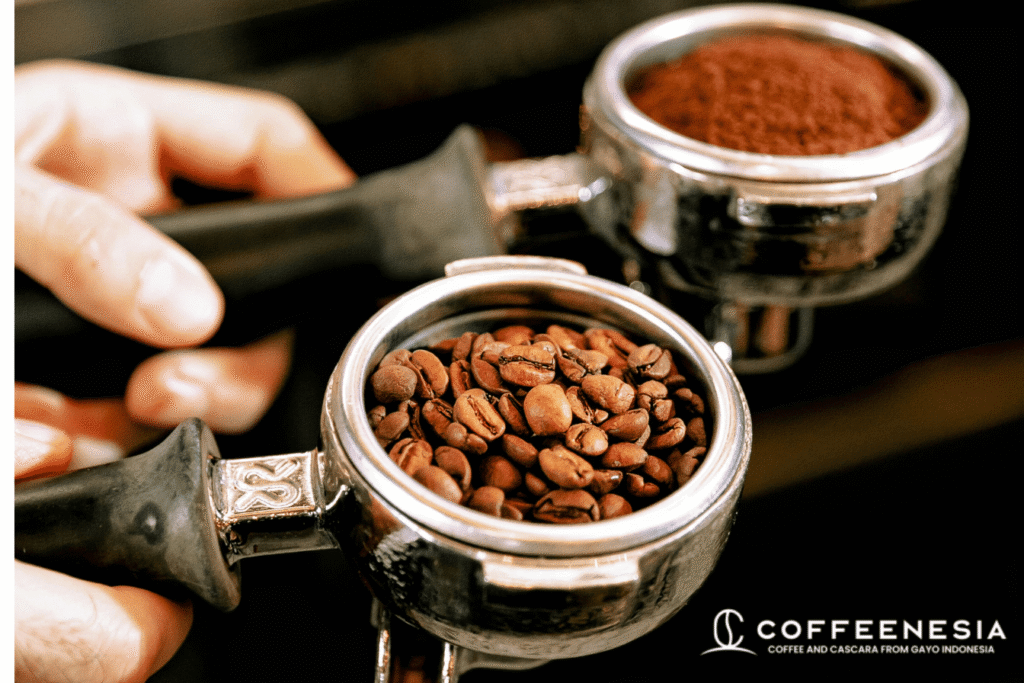
The Gayo region’s volcanic soil and high altitude give this Cascara a distinct terroir that no other place can replicate. It offers a premium choice for global buyers who seek exotic flavors and health benefits in one package. In the kitchen, chefs use the dried skins to create unique desserts or savory infusions. The tea itself serves as a base for kombucha, providing the necessary sugars and nutrients for fermentation.
This versatility expands the market reach of coffee producers beyond the caffeine-seeking demographic. When companies include these items in their coffee import catalog, they appeal to a wider audience of health enthusiasts and culinary professionals. High-end cafes now serve Cascara as a signature beverage, highlighting its origin and processing method. This creates a new revenue stream for farmers while offering consumers something truly unique. The antioxidant profile rivals that of superfoods like blueberries or green tea, making it a competitive player in the functional beverage market.
Its natural sweetness means it requires no added sugar, appealing to the growing number of health-conscious buyers worldwide. Importers who recognize the potential of these by-products demonstrate a deep understanding of market evolution and consumer demands. Providing detailed information about the nutritional content and application of Cascara helps buyers integrate it into their menus successfully. This holistic approach to the cherry proves that innovation and sustainability go hand in hand in the modern trade landscape.
Strategic Advantages of Gayo Partnerships
Ventures focusing on the Indonesian Gayo region offer a strategic advantage due to the area’s legendary reputation for quality and unique processing methods. Located in the Aceh province of Sumatra, Gayo produces some of the most complex and full-bodied coffees in the world. The traditional Giling Basah, or wet-hulling process, creates a heavy body and low acidity that global markets prize highly. However, the region also expands into modern washed and natural processes, providing a wide range of flavor profiles for international buyers.
When engaging in coffee import from Gayo, buyers benefit from the rich cultural heritage and the deep-seated expertise of local farming cooperatives. These communities have refined their techniques over generations, ensuring a level of craftsmanship that shines in every cup. For global buyers, establishing a connection with this region means securing a supply of one of the world’s most recognizable specialty coffees. The demand for Gayo coffee remains consistently high, making it a safe and profitable investment for roasteries and wholesalers.
To explore the best that this region offers, including the unique Cascara Sweet Tea, one must look toward dedicated producers who prioritize quality above all else. Finding a partner that understands the nuances of the local landscape while meeting international logistics standards is the key to a successful operation. As the world becomes more connected, the opportunity to bring these exceptional Indonesian flavors to a global audience has never been greater.
International buyers looking for the highest quality Arabica and unique by-products should consider the offerings available through specialized producers in the Gayo highlands. For those interested in premium commodities, you can contact our team directly for inquiries and partnerships via https://wa.me/6285285469417 to discuss your specific requirements.
The commitment to quality at coffenesia ensures that every shipment meets the rigorous demands of the global market. You can learn more about the specific characteristics of our offerings by visiting Cascara Sweet Tea which provides a detailed look at our unique Gayo products. Choosing a reliable partner for your next coffee import project is the first step toward building a successful and sustainable brand in the specialty coffee industry. By focusing on transparency, quality, and innovation, we continue to bridge the gap between Indonesian farmers and the world at https://coffeenesia.id/ today.
Economic Impact and Global Market Trends
Market dynamics currently favor producers who can offer a diverse range of products while maintaining strict adherence to international trade regulations. As the demand for single-origin offerings continues to climb, regions like Gayo find themselves at the forefront of the industry. Global buyers look for stability in their supply chains, especially when dealing with high-value assets. A successful coffee import strategy requires a deep understanding of harvest cycles and price fluctuations in the Indonesian archipelago. By securing long-term contracts with local cooperatives, importing companies ensure a steady flow of premium beans even during challenging seasons. This reliability allows roasters to maintain their signature blends without compromising on quality or flavor consistency.
Strategic investments in local infrastructure also play a massive role in the economic success of the region. Many top-tier importers now collaborate directly with farmers to improve drying patios and processing facilities. These improvements lead to a significant reduction in defects and an increase in the overall cupping score of the crop. When engaging in coffee import, businesses often find that these social and structural investments pay off in the form of exclusive access to micro-lots. Furthermore, the rising interest in alternative coffee products like Cascara adds another layer of financial security for farming families. By diversifying their exports, they protect themselves against the volatility of the green bean market.
Environmental Stewardship and Sustainable Farming
Sustainability has evolved from a niche preference into a core pillar of the international trade landscape. Farmers in the Gayo highlands have long practiced shade-grown cultivation, which preserves the local biodiversity and maintains the health of the volcanic soil. This natural approach reduces the need for chemical fertilizers and creates a balanced ecosystem that thrives without heavy intervention. Buyers increasingly prioritize coffee import partners who can prove their commitment to these regenerative practices. The lush canopy of the Gayo mountains provides a sanctuary for various bird species and local wildlife, further enhancing the story behind the product. When an importer shares these environmental details, they provide a powerful marketing tool for the final consumer.
Regenerative agriculture also involves careful water management during the processing stage. Modern washing stations now utilize filtration systems to ensure that the water returning to the environment remains clean and safe for the community. These eco-friendly initiatives resonate deeply with the modern specialty market, where transparency regarding carbon footprints is becoming standard.
During the coffee import process, documentation of these green practices serves as a major competitive advantage. It demonstrates that the company values the long-term health of the planet as much as the quality of the harvest. By supporting these sustainable methods, global buyers ensure that the Gayo region remains a productive and beautiful landscape for generations to come.
Advanced Processing Techniques and Sensory Innovation
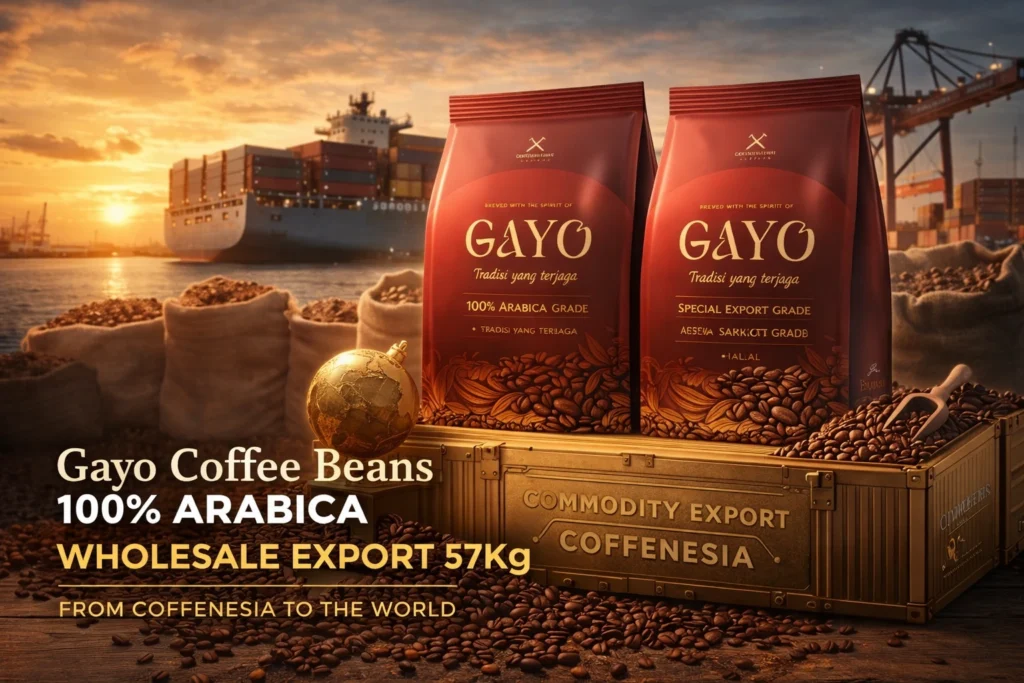
Innovation in processing has opened new doors for flavor exploration, moving beyond the traditional earthy profiles of Sumatra. Today, producers in Gayo experiment with extended fermentation and honey processes to highlight the inherent sweetness of the Arabica fruit. These techniques require precise control over temperature and pH levels, showcasing the scientific rigor behind modern farming.
Buyers who specialize in coffee import often seek out these experimental lots to differentiate their offerings from the mass market. The resulting cups feature vibrant notes of tropical fruit, complex floral aromas, and a cleaner acidity that appeals to the new wave of specialty drinkers. This evolution proves that traditional regions can adapt and lead in a rapidly changing industry.
The role of the importer in this innovative cycle is to provide feedback and market data to the producers. By communicating what the global market desires, they help farmers tailor their processing methods to meet specific taste profiles. This collaborative relationship is the heartbeat of a successful coffee import business.
It transforms the transaction from a simple commodity trade into a partnership focused on excellence and boundary-pushing quality. As sensory technology improves, importers can now provide detailed chemical analysis and moisture stability data for every shipment. This level of technical transparency ensures that the roaster receives a product that is ready to perform at the highest level. The marriage of traditional wisdom and modern science defines the future of the trade.
International buyers looking for the highest quality Arabica and unique by-products should consider the offerings available through specialized producers in the Gayo highlands. For those interested in premium commodities, you can contact our team directly for inquiries and partnerships via https://wa.me/6285285469417 to discuss your specific requirements.
The commitment to quality at coffenesia ensures that every shipment meets the rigorous demands of the global market. You can learn more about the specific characteristics of our offerings by visiting Cascara Sweet Tea which provides a detailed look at our unique Gayo products. Choosing a reliable partner for your next coffee import project is the first step toward building a successful and sustainable brand in the specialty coffee industry. By focusing on transparency, quality, and innovation, we continue to bridge the gap between Indonesian farmers and the world at https://coffeenesia.id/ today.
Ultimately, Indonesian Coffee Beans represent a strategic investment that combines quality, diversity, and sustainability. For buyers looking to build lasting partnerships, Indonesia offers both reliability and innovation, ensuring continued growth in a dynamic global market.
Discover More About Coffee Beans and Coffeenesia For Coffee Import
Coffeenesia continues to establish itself as a trusted supplier of premium Indonesian Coffee Beans. By combining organic cultivation, disciplined processing, and transparent trade practices, the company delivers value beyond the cup.
Businesses interested in exploring premium coffee products, cascara beverages, or sourcing partnerships can learn more through coffenesia?
Coffee Import: 01 Wholesale Supplier By Coffeenesia!

Coffeenesia has established itself as one of Indonesia’s most reliable and reputable suppliers of premium coffee commodities, catering to global importers, roasters, and café chains who demand consistent quality and ethical sourcing. As a specialized exporter of Indonesian Coffee Beans, particularly the world-renowned Aceh Gayo Arabica, Coffeenesia brings authenticity, traceability, and international-grade standards to businesses seeking long-term, dependable suppliers.
Through our official platform Coffeenesia.id, international buyers can explore a complete portfolio of Indonesian coffee products sourced directly from smallholder farmers in the Gayo Highlands. Our signature offering, Gayo Arabica Specialty Grade, is available in Washed, Honey, and Natural process, each carefully prepared to highlight the region’s distinct altitude, volcanic soil fertility, and traditional farming culture. Whether your business requires green beans for roasting, premium roasted beans for café service, or private-label solutions for your brand, Coffeenesia ensures every shipment meets stringent specialty coffee benchmarks.
As an export-focused supplier, Coffeenesia provides comprehensive wholesale support—ranging from quality inspection, moisture and defect grading, and roast profiling guidance, to international logistics and export documentation. We prioritize fair compensation for farmers, sustainable cultivation methods, and transparent supply chains, ensuring our buyers receive products that are ethical, environmentally responsible, and globally competitive.
For businesses seeking the finest Indonesian Coffee Beans with dependable wholesale supply, Coffeenesia stands ready as your trusted partner, delivering exceptional quality from the highlands of Gayo straight to your roasting facility or café.
FAQ Coffee Import
1. How do you ensure the freshness of Gayo beans during long-distance coffee import transit? We utilize hermetic packaging and climate-controlled containers to stabilize humidity. This prevents the beans from absorbing sea odors and ensures they arrive with their original moisture content intact for the roaster.
2. What is the minimum order quantity for a direct coffee import partnership? We offer flexible options ranging from micro-lots for specialty roasters to full container loads for large-scale wholesalers, ensuring every buyer finds a volume that suits their specific market demand and storage capacity.
3. Does your coffee import documentation include full traceability to the specific Gayo village? Yes, we provide comprehensive lot tracking. Our documentation details the specific farmer group, the altitude of the harvest, and the exact date of processing, ensuring total transparency for your brand’s storytelling.
4. Can buyers request custom processing methods for their coffee import orders? Absolutely. We facilitate specific fermentation requests, such as anaerobic or honey process, if arranged before the harvest season. This allows global partners to curate exclusive flavor profiles unavailable elsewhere.
5. How does the coffee import of Cascara differ from green beans in terms of shelf life? Dried Cascara is highly stable. When stored in a cool, dry environment, it maintains its nutritional potency and sweet floral profile for up to eighteen months, making it a durable addition to your inventory.
6. What payment terms do you offer for new international coffee import clients? We typically work with Letters of Credit or Telegraphic Transfers. We aim to build long-term trust, offering more flexible credit terms once we establish a consistent and successful trading history with your company.