
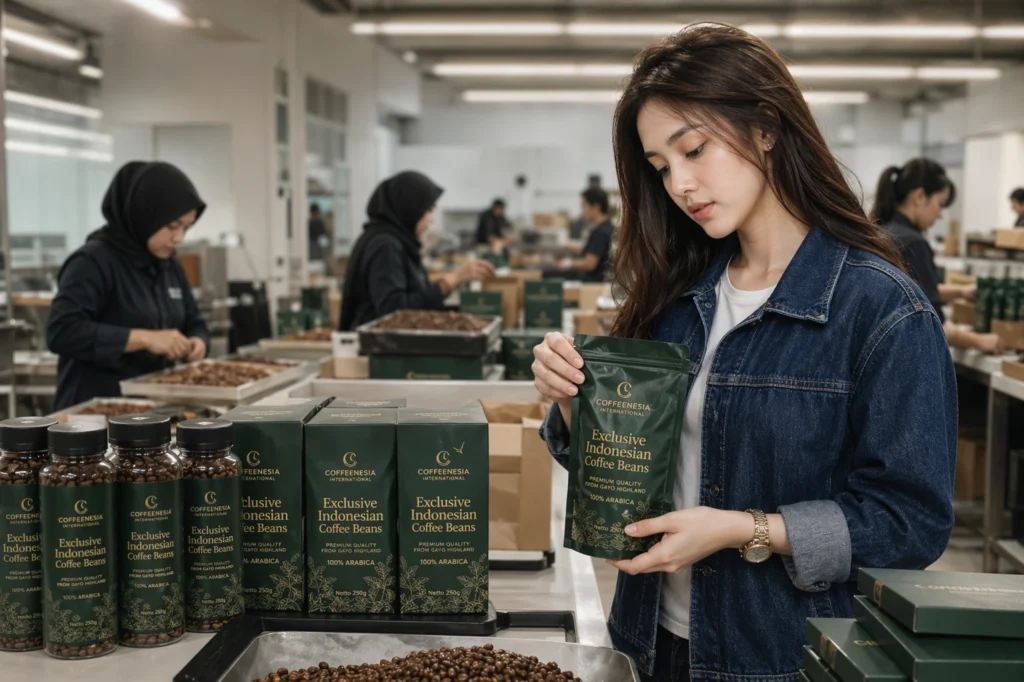
Bulk Coffee is no longer just about buying large quantities at lower prices. Bulk Coffee today represents a strategic balance between cost efficiency and maintaining premium quality standards, especially for global buyers who demand consistency, traceability, and flavor integrity.
As the global coffee market becomes more competitive, businesses must rethink how they approach bulk sourcing without compromising what truly matters to customers: taste, aroma, and reliability. Buyers who understand how to manage Bulk Coffee effectively can unlock long term savings while still delivering exceptional experiences to their customers. This approach requires a deeper understanding of origin, processing, logistics, and market positioning so that every decision contributes to both quality and profitability in a sustainable way.
Smart Sourcing from Origin
Sourcing coffee at scale starts at origin, where businesses shape both cost structure and quality consistency. Direct trade relationships allow buyers to reduce intermediary costs while gaining tighter control over production standards. When buyers collaborate directly with farmers in regions like the Gayo Highlands in Aceh, they unlock access to beans known for floral aroma, mild acidity, and a rich body. This approach helps companies build trust, stabilize pricing, and ensure transparency across the supply chain.
Buyers who align sourcing strategies with harvest cycles often secure better pricing without sacrificing freshness. They can purchase during peak harvest periods, then maintain quality through proper storage systems such as climate controlled warehouses and moisture regulation. Bulk Coffee from highland regions naturally delivers better density and flavor complexity due to slower bean maturation. As a result, businesses can maintain premium standards while still benefiting from economies of scale. Smart sourcing ultimately transforms Bulk Coffee into a long term asset rather than a short term cost saving tactic.
Optimize Processing Methods
Processing methods directly shape flavor profiles and production costs, so businesses must align techniques with their market goals. Washed processing creates clean and bright notes but requires more water and infrastructure, which increases costs. In contrast, natural processing reduces resource usage and produces fruity, bold flavors that appeal to certain markets. Companies that understand these differences can match processing styles with customer preferences while controlling expenses.
Producers in Gayo often use semi washed processing, also known as wet hulling, which creates a distinctive earthy and spicy profile. This method reduces drying time and improves efficiency without sacrificing character. Bulk Coffee buyers benefit from this balance because they can maintain unique flavor identity while optimizing cost structures. When companies partner with producers who master processing techniques, they reduce defects, minimize rework, and maintain consistent quality across large volumes. This strategic alignment ensures that Bulk Coffee remains both competitive and distinctive in global markets.
Quality Control at Scale
Maintaining consistent quality across large volumes requires structured systems and disciplined execution. Businesses must implement clear grading standards based on bean size, moisture content, and defect levels to ensure uniformity. These standards help teams quickly identify inconsistencies and prevent small issues from escalating into larger losses. Companies that invest in quality control processes protect both their reputation and long term profitability.
Modern tools such as optical sorters and moisture analyzers enable faster and more accurate assessments. Teams that conduct regular cupping sessions can preserve flavor consistency, especially when handling Bulk Coffee sourced from regions with unique profiles like Gayo. Skilled professionals play a critical role in this process, as they can identify defects early and take corrective action without delays. By combining technology with expertise, businesses can maintain high standards while reducing operational costs. This approach allows Bulk Coffee to meet premium expectations even at large scale.
Efficient Logistics and Storage for Bul Coffee
Logistics efficiency directly influences cost management and product quality in large scale coffee operations. Businesses that consolidate shipments into full container loads reduce transportation costs per unit while simplifying documentation processes. This strategy not only saves money but also improves delivery timelines and supply chain reliability. Companies that plan logistics carefully can avoid unnecessary delays and maintain consistent product availability.
Packaging plays a vital role in protecting coffee during transit. High quality materials such as moisture resistant liners or GrainPro bags help preserve freshness and prevent contamination. Storage conditions also require close attention, as temperature and humidity fluctuations can degrade flavor. Bulk Coffee retains its quality when businesses maintain stable environments and partner with experienced logistics providers. These providers understand the specific needs of coffee shipments and help optimize routes and handling procedures. By managing logistics effectively, companies can protect product value while controlling costs.
Understanding Gayo Coffee Advantages
The Gayo Highlands offer a unique environment that produces coffee with exceptional characteristics. High altitude and fertile volcanic soil allow beans to develop slowly, resulting in dense structures and complex flavor profiles. These beans often deliver notes of chocolate, spice, and herbs, with a balanced body and low acidity. Such qualities make them highly attractive to global buyers seeking distinctive yet versatile coffee options.
Coffee from this region also provides nutritional value through antioxidants like chlorogenic acid, which supports overall wellness. Its versatility allows roasters to create a wide range of products, from espresso blends to cold brew offerings. Bulk Coffee sourced from Gayo enables businesses to meet diverse market demands without sourcing from multiple regions. Additionally, many farms in this area adopt sustainable practices, which align with growing consumer expectations for ethical products. These combined advantages position Bulk Coffee from Gayo as a strong choice for both quality and long term value.
Long Term Partnerships and Market Positioning
Strong relationships within the supply chain create stability and unlock better opportunities for growth. Businesses that build long term partnerships with farmers and cooperatives secure consistent access to high quality beans while negotiating better pricing structures. These relationships also encourage continuous improvement in farming and processing practices, which benefits all parties involved. Companies that invest in collaboration rather than short term transactions create a more resilient supply chain.
Effective market positioning further enhances the value of large scale sourcing. Companies should present their products as high quality offerings that combine affordability with premium characteristics. Storytelling helps communicate the origin, craftsmanship, and unique qualities behind each batch. Bulk Coffee becomes more appealing when buyers understand its journey from farm to cup. Businesses can strengthen engagement by offering direct communication channels such as https://wa.me/6285285469417 for inquiries and partnerships. By combining strong partnerships with clear positioning, companies can elevate Bulk Coffee beyond a commodity into a trusted product category.
Product Versatility and Global Demand
Global demand continues to evolve, and businesses must adapt their offerings to meet changing preferences. Coffee’s versatility allows companies to develop various products, including roasted beans, ground coffee, ready to drink beverages, and specialty blends. This flexibility enables businesses to reach different market segments without significantly increasing sourcing complexity. Companies that diversify their product lines can maximize the value of each shipment.
Innovation plays a key role in capturing new opportunities. Businesses can experiment with roasting profiles, blending techniques, and packaging formats to create unique offerings. Bulk Coffee supports this innovation by providing a consistent base material that adapts to different applications. As consumer interest in specialty and sustainable coffee grows, companies that highlight origin and quality gain a competitive advantage. By aligning product development with market trends, businesses can expand their reach while maintaining efficiency. This approach ensures that Bulk Coffee remains relevant and profitable in an increasingly dynamic global market.
Cost Efficiency Through Roasting Optimization
Roasting plays a crucial role in determining the final flavor and perceived value of coffee products. Businesses that optimize roasting profiles can enhance flavor while reducing energy consumption and waste. By carefully controlling temperature curves and roasting duration, companies can achieve consistent results across large batches without compromising quality.
Different roasting levels unlock different characteristics. Light roasts highlight acidity and origin flavors, while medium roasts balance sweetness and body, and dark roasts emphasize boldness and bitterness. Bulk Coffee offers flexibility in this process, allowing roasters to tailor profiles based on target markets. Efficient roasting practices also reduce bean loss and improve yield, which directly impacts profitability. By refining roasting techniques, businesses can maintain product quality while achieving better cost efficiency at scale.
Sustainability as a Cost Saving Advantage
Sustainability is no longer just a marketing angle but a practical approach to reducing long term costs. Farms that implement sustainable practices often experience better soil health, higher yields, and improved resilience against climate challenges. These benefits translate into more stable supply and pricing for buyers.
Many Gayo coffee producers adopt environmentally friendly methods, including organic fertilization and shade grown cultivation. Bulk Coffee sourced from such farms aligns with global demand for ethical products while reducing risks associated with environmental degradation. Companies that invest in sustainable sourcing not only strengthen their brand image but also secure a more reliable supply chain. Over time, sustainability becomes a strategic advantage that supports both cost efficiency and market competitiveness.
Technology Integration in Supply Chains
Technology continues to transform how businesses manage large scale coffee operations. Digital tools enable better tracking, forecasting, and communication across the supply chain. Companies can monitor inventory levels, analyze market trends, and optimize procurement strategies with greater accuracy.
Automation also improves efficiency in processing and packaging. Machines can handle sorting, grading, and sealing tasks faster than manual labor, reducing errors and operational costs. Bulk Coffee operations benefit significantly from these advancements, as they allow businesses to scale without sacrificing quality control. By integrating technology into their processes, companies can streamline operations and maintain a competitive edge in the global market.
Flavor Profiling and Consistency Management
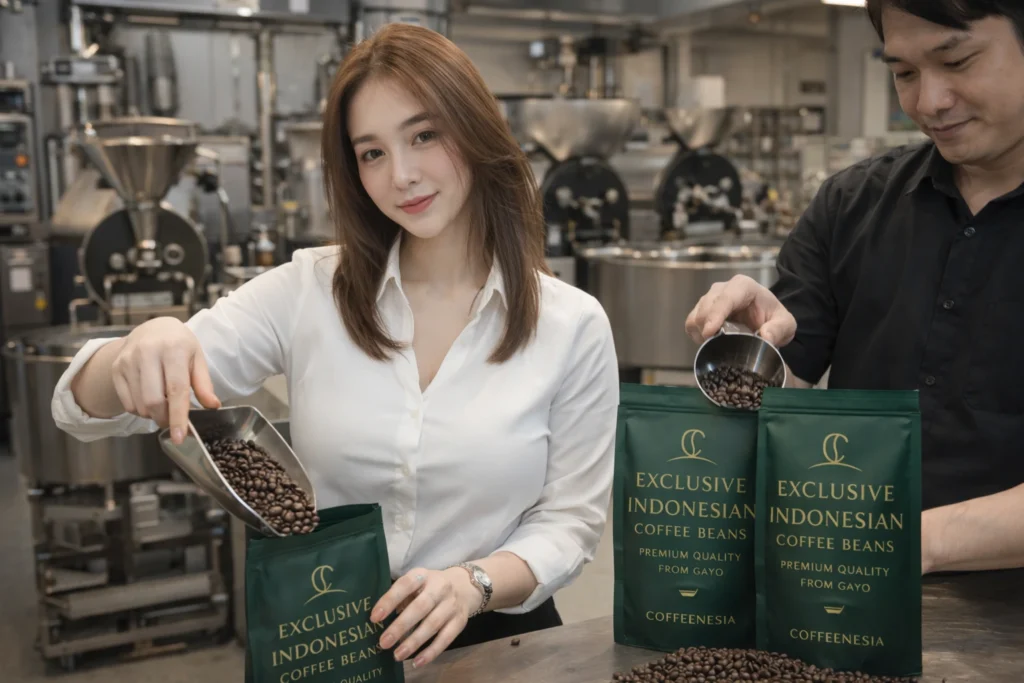
Flavor consistency defines long term success in competitive markets, especially when buyers expect every shipment to deliver the same sensory experience. Businesses that invest in structured flavor profiling create a reliable benchmark for evaluating each batch. They build detailed cupping notes that include aroma, body, acidity, and aftertaste, then use those benchmarks to guide purchasing and blending decisions. This approach allows teams to maintain a stable flavor identity even when sourcing from different harvest periods.
Blending plays a key role in this process. Companies can combine beans with complementary characteristics to achieve a balanced and consistent profile. Bulk Coffee provides flexibility here because large volumes allow roasters to adjust proportions without disrupting supply. Skilled roasters and cuppers can quickly identify subtle variations and correct them through blending or roasting adjustments. This reduces product inconsistency and prevents costly rejections from buyers. By managing flavor with precision, businesses turn Bulk Coffee into a dependable product that meets strict international standards while still controlling operational costs.
Packaging Innovation for Market Expansion
Packaging influences not only product protection but also market perception and distribution efficiency. Businesses that innovate in packaging can extend shelf life, reduce waste, and create stronger appeal for global buyers. High barrier packaging materials protect coffee from oxygen, moisture, and light, preserving freshness over long shipping periods. This becomes essential when distributing across continents where transit times can vary significantly.
At the same time, packaging design plays a role in branding and customer trust. Clear labeling that highlights origin, processing method, and flavor notes helps buyers make informed decisions. Bulk Coffee can be repackaged into smaller units for retail or food service markets, increasing its versatility. Companies that adopt eco friendly packaging solutions also align with growing sustainability expectations. This combination of functionality and branding allows Bulk Coffee to reach wider markets without compromising quality. As businesses refine their packaging strategies, they unlock new opportunities while maintaining efficiency and cost control.
Risk Management and Price Stability
Market volatility often creates challenges for businesses that rely on agricultural commodities. Coffee prices can fluctuate due to weather conditions, global demand, and currency changes. Companies that implement risk management strategies can protect themselves from sudden cost increases and supply disruptions. Long term contracts with producers provide one layer of stability, while diversified sourcing reduces dependency on a single region.
Financial tools such as forward contracts and hedging can also help stabilize pricing. These strategies allow businesses to lock in costs and plan budgets more effectively. Bulk Coffee operations benefit from this stability because they involve larger financial commitments compared to small scale purchases. Companies that monitor market trends and adjust their strategies proactively can maintain competitive pricing without sacrificing margins. By combining operational and financial risk management, businesses ensure that Bulk Coffee remains a reliable and sustainable investment in dynamic global markets.
Expanding Applications in Food and Beverage Industries
Coffee continues to expand beyond traditional brewing methods into a wide range of food and beverage applications. Manufacturers use coffee extracts in products such as desserts, energy drinks, and functional beverages. This diversification creates additional demand and opens new revenue streams for businesses. Companies that understand these trends can position their products to serve multiple industries.
Roasters and processors can adapt Bulk Coffee into various formats, including instant coffee, cold brew concentrate, and ready to drink beverages. Each format requires specific processing techniques, but all rely on consistent raw material quality. The versatility of coffee from regions like Gayo makes it suitable for these applications due to its balanced flavor and low acidity. Businesses that explore these opportunities can increase the value of each shipment and reduce dependency on a single market segment. This strategic diversification strengthens the role of Bulk Coffee as a core asset in modern food and beverage supply chains.
Strengthening Global Buyer Relationships
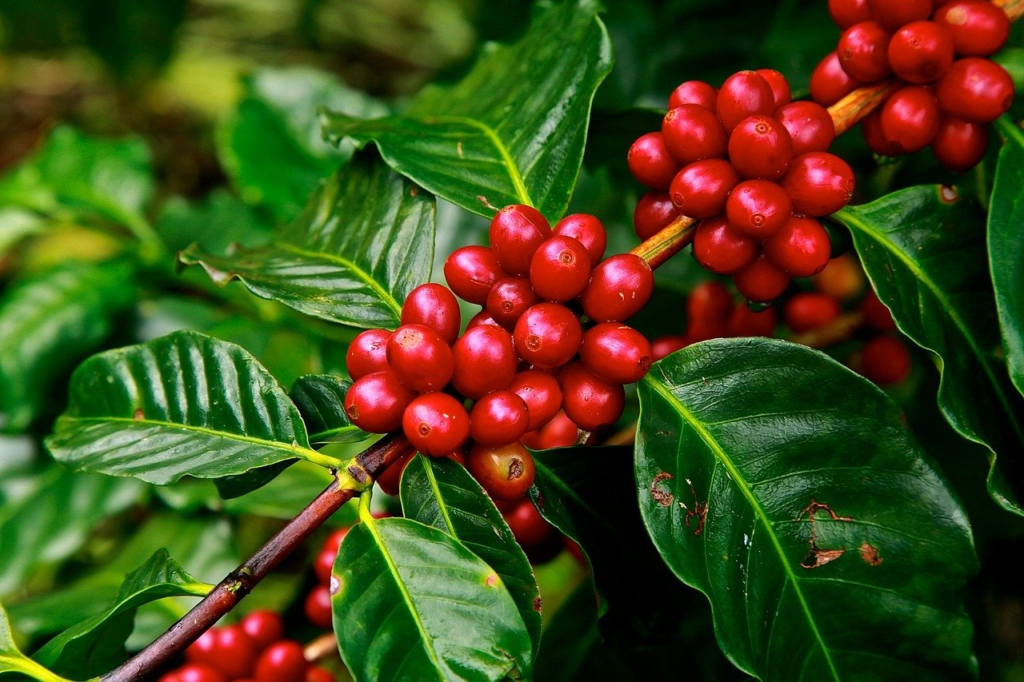
Building strong relationships with international buyers requires more than competitive pricing. Businesses must provide consistent quality, reliable delivery, and transparent communication. Companies that maintain open dialogue with their clients can better understand market needs and adjust their offerings accordingly. This proactive approach helps build trust and encourages repeat business.
Customization also plays a significant role in strengthening partnerships. Buyers often look for specific flavor profiles, processing methods, or packaging formats that align with their brand identity. Bulk Coffee allows suppliers to meet these requirements efficiently due to its scalability. By offering tailored solutions, businesses can differentiate themselves in a crowded market. Strong relationships not only secure long term contracts but also create opportunities for collaboration and innovation. This makes Bulk Coffee a foundation for sustainable growth in global trade.
Digital Marketing and Visibility for Export Growth
Digital presence has become essential for reaching international buyers and expanding market reach. Businesses that invest in search engine optimization and content marketing can attract potential clients from around the world. Informative articles, product pages, and case studies help build credibility and showcase expertise in the coffee industry.
Online platforms also allow companies to highlight their sourcing practices, quality standards, and unique selling points. Bulk Coffee gains more visibility when businesses consistently share valuable insights and updates. Social media, professional networks, and trade platforms further enhance exposure and engagement. Companies that combine digital marketing with strong operational capabilities can create a powerful growth engine. By increasing visibility and accessibility, they ensure that Bulk Coffee reaches the right audience at the right time.
Future Trends and Long Term Opportunities
The coffee industry continues to evolve, driven by changing consumer preferences and technological advancements. Specialty coffee demand continues to grow, with buyers seeking unique origins and distinctive flavor profiles. At the same time, sustainability and traceability have become key factors in purchasing decisions. Businesses that adapt to these trends can position themselves for long term success.
Innovation will continue to shape how coffee is produced, processed, and consumed. From precision agriculture to advanced roasting technologies, new developments offer opportunities to improve efficiency and quality. Bulk Coffee remains at the center of these changes because it provides the scale needed to support global demand. Companies that stay informed and adapt quickly can turn challenges into opportunities. By focusing on continuous improvement and strategic planning, they can ensure that Bulk Coffee remains a valuable and competitive asset in the years ahead.
In the end, Bulk Coffee represents more than volume purchasing. It reflects a comprehensive strategy that combines efficiency, quality, and adaptability. Businesses that master these elements can deliver exceptional products while maintaining strong margins and sustainable growth.
generate last
Nutritional Value and Functional Benefits
Coffee offers more than flavor and aroma, and understanding its nutritional aspects can strengthen product positioning in global markets. Coffee naturally contains antioxidants such as chlorogenic acid, which plays a role in supporting metabolic balance and reducing oxidative stress. Many consumers today look for beverages that not only taste good but also contribute to overall wellness. Businesses that communicate these benefits clearly can add value to their offerings without increasing production costs.
Caffeine also provides a natural energy boost that supports focus and alertness, making coffee a preferred choice across different lifestyles. Bulk Coffee allows producers and distributors to maintain a consistent supply for functional beverage markets, including ready to drink and performance based products. Additionally, the roasting process influences the retention of these compounds, so companies that manage roasting profiles carefully can preserve both flavor and nutritional value. By highlighting these functional benefits, businesses can position Bulk Coffee as a versatile ingredient that meets modern consumer expectations while maintaining efficiency and scalability.
Closing Insight and Direct Sourcing Opportunity
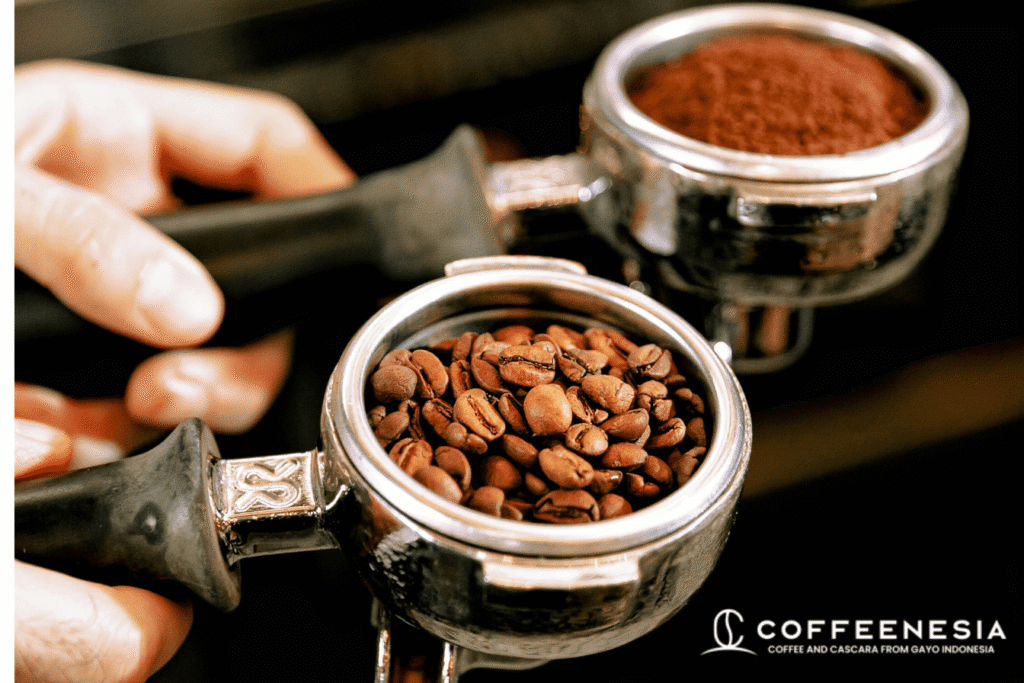
Building a successful coffee business requires a balanced approach that combines quality sourcing, strong partnerships, and market awareness. Businesses that invest in understanding origin, processing, and consumer preferences can create products that stand out in competitive markets. Bulk coffee serves as a powerful tool for scaling operations while maintaining consistency and quality.
Indonesia, especially the Gayo region, offers a unique combination of tradition, quality, and reliability. The distinctive flavor profile and proven production methods make it a valuable choice for global buyers seeking premium beans. By working with experienced suppliers, businesses can secure a stable supply and build long-term success in the coffee industry.
Discover More About Coffee Beans and Coffeenesia
Coffeenesia continues to establish itself as a trusted supplier of premium Indonesian Coffee Beans. By combining organic cultivation, disciplined processing, and transparent trade practices, the company delivers value beyond the cup.
Businesses interested in exploring premium coffee products, cascara beverages, or sourcing partnerships can learn more through coffenesia?
Indonesian Coffee Beans 01 Wholesale Supplier By Coffeenesia!

Coffeenesia has established itself as one of Indonesia’s most reliable and reputable suppliers of premium coffee commodities, catering to global importers, roasters, and café chains who demand consistent quality and ethical sourcing. As a specialized exporter of Indonesian Coffee Beans, particularly the world-renowned Aceh Gayo Arabica, Coffeenesia brings authenticity, traceability, and international-grade standards to businesses seeking long-term, dependable suppliers.
Through our official platform Coffeenesia.id, international buyers can explore a complete portfolio of Indonesian coffee products sourced directly from smallholder farmers in the Gayo Highlands. Our signature offering, Gayo Arabica Specialty Grade, is available in Washed, Honey, and Natural process, each carefully prepared to highlight the region’s distinct altitude, volcanic soil fertility, and traditional farming culture. Whether your business requires green beans for roasting, premium roasted beans for café service, or private-label solutions for your brand, Coffeenesia ensures every shipment meets stringent specialty coffee benchmarks.
Beyond specialty Arabica beans, Coffeenesia is also the trusted supplier of Gayo Cascara, a premium dried coffee cherry tea increasingly popular in international wellness and specialty beverage markets. Known for its fruity aroma, gentle sweetness, and antioxidant benefits, cascara from Gayo is processed using clean, sun-dried methods that maintain purity and flavor integrity. This makes it ideal for cafés, tea houses, beverage formulators, and health-focused brands seeking a unique product with rising global demand.
As an export-focused supplier, Coffeenesia provides comprehensive wholesale support—ranging from quality inspection, moisture and defect grading, and roast profiling guidance, to international logistics and export documentation. We prioritize fair compensation for farmers, sustainable cultivation methods, and transparent supply chains, ensuring our buyers receive products that are ethical, environmentally responsible, and globally competitive.
For businesses seeking the finest Indonesian Coffee Beans with dependable wholesale supply, Coffeenesia stands ready as your trusted partner, delivering exceptional quality from the highlands of Gayo straight to your roasting facility or café.
FAQ Bulk Coffee:
- What certifications are important for Bulk Coffee exports?
Certifications like organic, fair trade, and rainforest alliance help Bulk Coffee gain trust in global markets and ensure compliance with buyer standards. - How does climate affect Bulk Coffee quality?
Climate conditions influence bean density, flavor development, and harvest consistency, making highland regions ideal for stable Bulk Coffee quality. - Can Bulk Coffee be customized for private labels?
Yes, suppliers can adjust roast levels, blends, and packaging to meet specific branding and market needs for Bulk Coffee buyers. - What is the ideal storage duration for Bulk Coffee?
Green beans can last up to 12 months with proper storage, while roasted Bulk Coffee should be used within weeks for optimal freshness. - How do buyers verify Bulk Coffee traceability?
Traceability can be confirmed through farm records, export documentation, and direct communication with suppliers or cooperatives. - Is Bulk Coffee suitable for specialty coffee markets?
Bulk Coffee can meet specialty standards if sourced carefully, processed properly, and evaluated through strict quality control methods.