

Indonesian Coffee Beans define one of the most complex and captivating flavor journeys in the global coffee landscape. Grown across a vast archipelago shaped by volcanic activity, these beans carry a depth of taste that reflects fertile soil, high-altitude climates, and generations of cultivation expertise. From earthy undertones to sweet, tea-like notes, every cup tells a story rooted in nature and tradition while continuing to attract global buyers who seek authenticity, traceability, and long-term supply reliability.
Origin and Volcanic Soil Influence
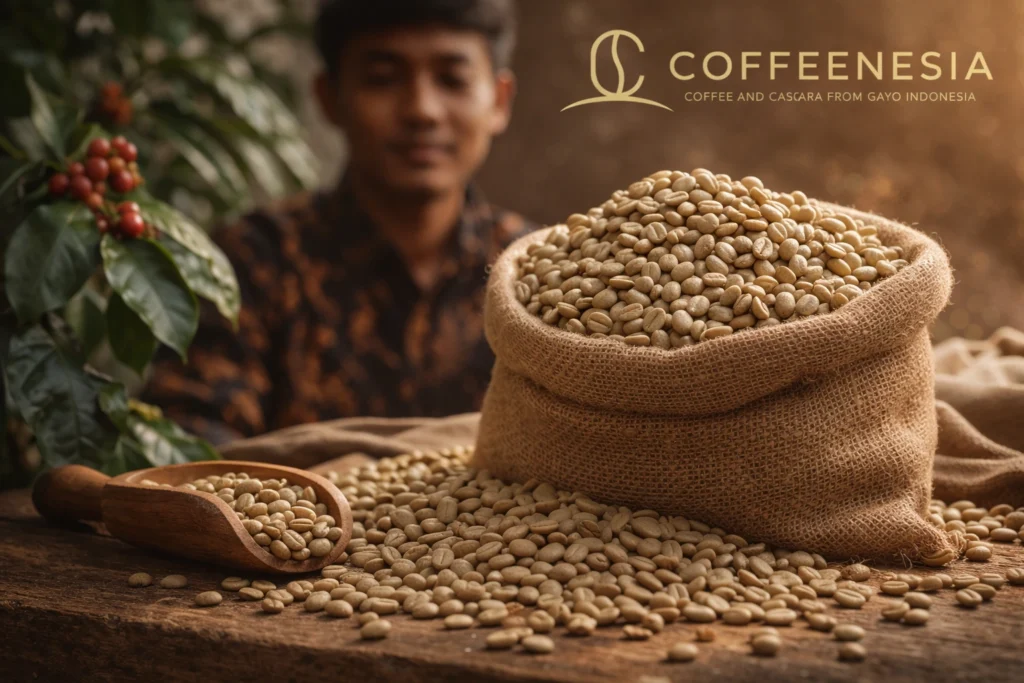
Volcanic landscapes across Indonesia shape coffee cultivation in a way few other regions can replicate. Active and dormant volcanoes enrich the soil with minerals such as magnesium, potassium, and phosphorus, which directly influence flavor development and plant resilience. Farmers in regions like Gayo Highlands cultivate coffee at elevations between 1,200 and 1,700 meters, where cooler temperatures slow cherry maturation and allow sugars to develop more deeply, resulting in richer taste layers that feel both structured and expressive.
Moreover, consistent rainfall and natural shade from dense tropical forests create a balanced growing environment that supports steady plant health. Farmers actively maintain this ecosystem by practicing selective picking and preserving biodiversity around plantations, which helps stabilize microclimates and protect soil nutrients over time. This approach not only improves bean quality but also sustains long-term agricultural productivity while reducing environmental stress.
In addition, traditional farming methods continue to play a key role in shaping the final outcome. Farmers rely on manual harvesting to ensure only ripe cherries enter processing, minimizing defects and preserving flavor clarity. Through this careful balance of natural conditions and human expertise, Indonesian Coffee Beans develop a signature profile that combines body, smoothness, and complexity in a way that feels both distinctive and consistent across harvest cycles.
Climate, Altitude, and Terroir Interaction
The interaction between climate and altitude defines how coffee expresses its full potential in Indonesia. Tropical conditions provide warmth and humidity, while higher elevations introduce cooler temperatures that slow biological processes within the coffee cherry. This combination allows sugars, acids, and aromatic compounds to evolve gradually, creating a layered flavor structure that stands out in global markets.
At the same time, terroir plays an essential role in shaping regional identity. Soil composition, rainfall patterns, and surrounding vegetation all contribute to subtle variations in taste. For example, coffee grown in Gayo often presents a balanced body with mild acidity and a clean finish, while other regions may emphasize earthier or spicier notes. These differences give buyers flexibility when selecting profiles that match their specific product needs.
Furthermore, farmers continuously adapt to environmental changes by refining cultivation practices. They adjust planting density, shade management, and harvesting schedules to maintain consistency despite seasonal variations. This adaptive approach ensures that Indonesian Coffee Beans retain their quality and character, even as global climate conditions evolve.
Processing Methods and Flavor Complexity
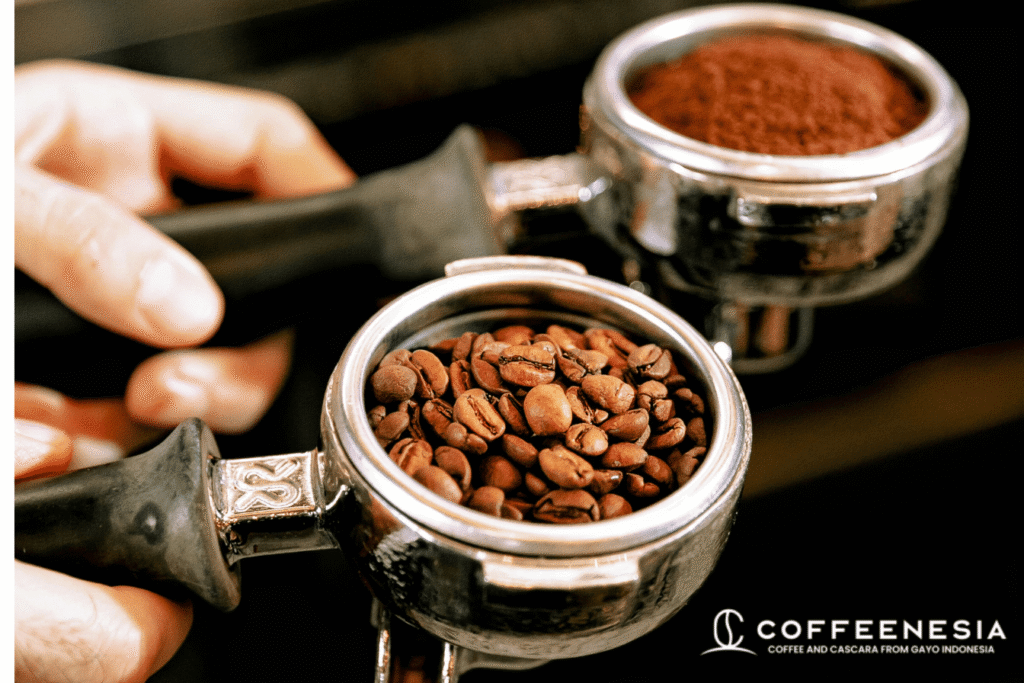
Processing methods significantly shape the final character of coffee, and Indonesia stands out with its distinctive approach. Producers widely use the wet-hulled method, locally known as giling basah, which creates bold and earthy flavor profiles with a heavy body. Farmers remove the outer skin early, then partially dry the beans before removing the parchment layer, allowing moisture to remain higher during critical stages of processing.
At the same time, producers have begun exploring alternative methods such as washed and natural processing to meet diverse market preferences. Washed techniques highlight clarity and brightness, while natural processing enhances sweetness and fruit-forward notes that appeal to specialty coffee segments. This diversity enables producers to expand their reach while maintaining the identity that defines Indonesian Coffee Beans.
In addition, careful post-harvest handling ensures consistency and quality. Producers monitor drying conditions, storage environments, and sorting processes to reduce defects and maintain uniformity. As a result, each batch reflects both technical precision and regional character, offering buyers a reliable yet distinctive product that performs well across various roasting and brewing applications.
Flavor Profile and Sensory Experience
Flavor remains the defining feature that draws attention to Indonesian Coffee Beans in the global market. Each cup reveals a multi-layered experience that often begins with deep notes of cocoa or dark chocolate, followed by hints of spice, cedar, or herbal undertones. As the cup cools, subtle sweetness may emerge, creating a balanced and evolving tasting journey.
Texture also plays an important role in the sensory experience. Many Indonesian coffees exhibit a full-bodied mouthfeel that feels rich and smooth without overwhelming the palate. This characteristic makes them particularly suitable for espresso blends, where body and depth are essential components. At the same time, they perform well as single-origin brews, offering clarity and complexity that specialty coffee enthusiasts appreciate.
Moreover, roasting profiles can further highlight different aspects of the beans. Lighter roasts may emphasize floral and fruity notes, while darker roasts bring out chocolate and spice characteristics. This versatility allows roasters to tailor Indonesian Coffee Beans to a wide range of consumer preferences, enhancing their value across multiple market segments.
Nutritional Value and Health Benefits
Coffee offers more than sensory enjoyment; it also contributes to overall wellness when consumed in moderation. Natural compounds such as chlorogenic acid act as antioxidants, helping the body manage oxidative stress while supporting metabolic functions. Regular consumption can improve focus, enhance alertness, and provide a natural energy boost that supports daily activities.
Beyond roasted beans, cascara introduces another dimension of nutritional value. This dried coffee cherry skin contains lower caffeine levels while still delivering antioxidants, vitamins, and natural sugars that support hydration and balance. Because of its gentle profile, it appeals to individuals who prefer lighter beverages without sacrificing functional benefits.
Additionally, cascara contains polyphenols that may support heart health and immune response. Its low acidity makes it easier on digestion, expanding its suitability across different consumer groups. As demand for functional beverages continues to grow, these combined benefits strengthen the position of Indonesian Coffee Beans and their derivatives in both traditional and emerging markets.
Cascara Sweet Tea From Gayo
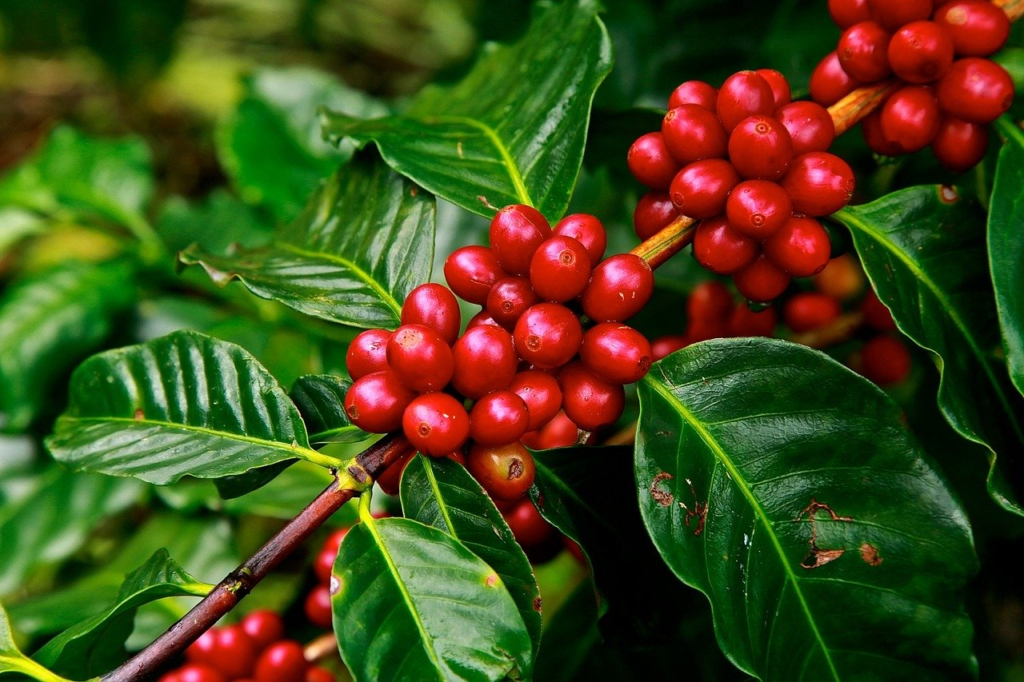
Cascara Sweet Tea from Gayo represents a meaningful shift toward sustainability and innovation in coffee production. Producers carefully collect coffee cherry skins and dry them under controlled conditions to preserve their natural sugars, aroma compounds, and nutritional content. This process transforms what was once considered waste into a premium beverage with increasing global recognition.
The flavor profile offers a unique experience that blends natural sweetness with gentle acidity. Drinkers often notice hints of hibiscus, dried fruit, and honey, creating a refreshing and aromatic cup that differs significantly from traditional coffee. Its lower caffeine content makes it suitable for a broader audience, including those who seek a lighter alternative.
Furthermore, producers explore various applications to expand its usability. They serve it hot or cold, infuse it with herbs, or incorporate it into syrups and desserts for added complexity. This versatility attracts cafés and product developers who aim to introduce distinctive offerings while maintaining a connection to sustainable sourcing practices.
Applications in Food and Beverage Industry
Coffee and its derivatives continue to inspire innovation across the food and beverage industry. Beyond traditional brewing, producers and manufacturers incorporate coffee extracts into ready-to-drink beverages, functional drinks, and specialty desserts. This expansion creates new opportunities for differentiation in competitive markets.
Cascara, in particular, offers flexibility as an ingredient. Its natural sweetness and light acidity make it suitable for teas, sparkling drinks, syrups, and even bakery applications. Chefs and beverage developers use it to create unique flavor combinations that stand out while maintaining a natural profile.
In addition, the versatility of Indonesian Coffee Beans allows them to integrate seamlessly into both premium and mass-market products. From artisanal cafés to large-scale production, their adaptability ensures consistent performance and consumer appeal, reinforcing their position as a valuable commodity in global supply chains.
Global Demand and Market Potential

Global demand for specialty coffee continues to rise, and Indonesia maintains a strong presence within this evolving landscape. Buyers across Europe, the United States, and Asia actively seek products that offer distinctive flavor, traceability, and sustainability. Producers respond by improving quality control and aligning with international standards.
At the same time, market preferences increasingly favor transparency and ethical sourcing. Farmers and exporters adapt by implementing better documentation systems and certifications, which help build trust and strengthen long-term relationships. This alignment enhances the competitiveness of Indonesian Coffee Beans in global trade.
In addition, cascara products expand market potential by offering alternative revenue streams. Buyers can diversify their portfolios with both traditional beans and innovative derivatives, increasing overall value. If you are exploring sourcing opportunities or want to integrate these products into your portfolio, you can connect directly through this contact: https://wa.me/6285285469417
Sustainability and Product Innovation
Sustainability continues to shape the future of coffee production in Indonesia. Farmers actively adopt eco-friendly practices such as organic fertilization, water conservation, and responsible waste management. These efforts protect natural resources while maintaining consistent quality across harvest cycles.
Cascara production highlights this transformation clearly. By converting coffee waste into a valuable product, producers reduce environmental impact while creating additional income opportunities. This approach supports both ecological balance and economic resilience, making it highly relevant in modern supply chains.
Moreover, ongoing innovation drives the development of new products and formats. Ready-to-drink beverages, functional drinks, and specialty ingredients derived from coffee continue to gain popularity. Through collaboration between farmers, exporters, and buyers, Indonesian Coffee Beans remain adaptable, competitive, and positioned for long-term growth.
To explore more about coffenesia and its offerings, visit https://coffeenesia.id.
To learn specifically about Cascara Sweet Tea, visit https://coffeenesia.id/coffeenesia-coffee-from-gayo/.
Supply Chain Transparency and Export Readiness
A reliable supply chain plays a crucial role in maintaining quality and meeting global demand. Producers across Indonesia continue to strengthen their systems by improving traceability from farm to export. They document each stage carefully, from cultivation and harvesting to processing and packaging, ensuring that buyers receive consistent and verifiable products. This level of transparency builds confidence and supports long-term partnerships with international clients.
At the same time, exporters invest in infrastructure and quality control to meet strict global standards. They use proper drying facilities, storage systems, and grading methods to maintain product integrity throughout the distribution process. Packaging also evolves to protect beans from moisture and contamination during transit, preserving their original characteristics upon arrival. These improvements allow Indonesian Coffee Beans to compete effectively in premium markets where quality consistency matters most.
Furthermore, logistics coordination continues to improve through better communication and planning. Exporters align shipment schedules with harvest cycles to ensure freshness and availability. They also adapt to changing regulations and certifications required by different countries. As a result, buyers gain access to a dependable supply chain that supports both small-scale specialty needs and large-volume commercial demands.
Buyer Perspective and Sourcing Strategy
Global buyers approach sourcing with a clear focus on quality, reliability, and differentiation. They look for origins that offer unique flavor profiles while maintaining consistent supply. Indonesia meets these expectations by combining traditional cultivation with modern export practices, allowing buyers to secure products that stand out in competitive markets.
In addition, buyers increasingly prioritize relationships with producers who demonstrate transparency and sustainability. They value clear communication, detailed product information, and the ability to trace beans back to their origin. This approach not only ensures quality but also supports brand storytelling, which has become an important factor in consumer decision-making.
Moreover, sourcing strategies often include diversification to reduce risk and expand product offerings. By including Indonesian Coffee Beans alongside other origins, buyers can create balanced portfolios that appeal to different market segments. The addition of cascara products further enhances this strategy, providing innovative options that align with current trends in functional and sustainable beverages.
Cultural Heritage and Traditional Expertise
Coffee cultivation in Indonesia reflects a deep cultural heritage that spans generations. Farming communities pass down knowledge and techniques that shape how coffee is grown, harvested, and processed. This tradition creates a strong connection between the people and the land, influencing both quality and authenticity.
At the same time, local expertise continues to evolve as farmers adapt to modern challenges. They integrate new methods while preserving traditional practices, creating a balanced approach that respects heritage while improving efficiency. This combination allows Indonesian Coffee Beans to maintain their identity while meeting global expectations.
Furthermore, cultural values influence how farmers approach sustainability and community development. Many prioritize long-term environmental health and social responsibility, ensuring that future generations can continue cultivating coffee. This commitment strengthens the overall industry and adds depth to the story behind every product.
Brewing Versatility and Consumer Experience
Versatility remains one of the strongest advantages of coffee from Indonesia. These beans perform well across various brewing methods, from espresso and French press to pour-over and cold brew. Each method highlights different aspects of the flavor profile, allowing consumers to explore a wide range of taste experiences.
At the same time, brewing techniques influence how flavors develop in the cup. Espresso emphasizes body and intensity, while pour-over methods bring out clarity and subtle notes. Cold brew creates a smoother and less acidic profile, making it suitable for those who prefer a refreshing alternative. This flexibility enhances the appeal of Indonesian Coffee Beans across different consumer preferences.
Moreover, cascara expands the brewing experience even further. It offers a tea-like preparation that introduces a completely different sensory profile while still connecting to the coffee plant. This diversity encourages experimentation and creativity, both at home and in professional settings, making the overall coffee experience more dynamic and engaging.
Future Trends and Industry Growth
The global coffee industry continues to evolve, and Indonesia remains well-positioned to adapt to emerging trends. Consumers increasingly seek products that combine quality, sustainability, and unique flavor experiences. Producers respond by refining cultivation methods, improving processing techniques, and developing new products that align with these expectations.
At the same time, technology plays a growing role in shaping the future of coffee production. Farmers and exporters use digital tools to monitor crops, manage supply chains, and communicate with buyers more effectively. These advancements improve efficiency and support better decision-making throughout the production process.
In addition, innovation continues to expand beyond traditional coffee products. Cascara, ready-to-drink beverages, and functional drinks represent new opportunities for growth. By embracing these trends, Indonesian Coffee Beans maintain their relevance in a competitive global market while continuing to offer value to both producers and buyers.
Discover More About Coffee Beans and Coffeenesia
Coffeenesia continues to establish itself as a trusted supplier of premium Indonesian Coffee Beans. By combining organic cultivation, disciplined processing, and transparent trade practices, the company delivers value beyond the cup.
Businesses interested in exploring premium coffee products, cascara beverages, or sourcing partnerships can learn more through coffenesia?
Indonesian Coffee Beans 01 Wholesale Supplier By Coffeenesia!

Coffeenesia has established itself as one of Indonesia’s most reliable and reputable suppliers of premium coffee commodities, catering to global importers, roasters, and café chains who demand consistent quality and ethical sourcing. As a specialized exporter of Indonesian Coffee Beans, particularly the world-renowned Aceh Gayo Arabica, Coffeenesia brings authenticity, traceability, and international-grade standards to businesses seeking long-term, dependable suppliers.
Through our official platform Coffeenesia.id, international buyers can explore a complete portfolio of Indonesian coffee products sourced directly from smallholder farmers in the Gayo Highlands. Our signature offering, Gayo Arabica Specialty Grade, is available in Washed, Honey, and Natural process, each carefully prepared to highlight the region’s distinct altitude, volcanic soil fertility, and traditional farming culture. Whether your business requires green beans for roasting, premium roasted beans for café service, or private-label solutions for your brand, Coffeenesia ensures every shipment meets stringent specialty coffee benchmarks.
Beyond specialty Arabica beans, Coffeenesia is also the trusted supplier of Gayo Cascara, a premium dried coffee cherry tea increasingly popular in international wellness and specialty beverage markets. Known for its fruity aroma, gentle sweetness, and antioxidant benefits, cascara from Gayo is processed using clean, sun-dried methods that maintain purity and flavor integrity. This makes it ideal for cafés, tea houses, beverage formulators, and health-focused brands seeking a unique product with rising global demand.
As an export-focused supplier, Coffeenesia provides comprehensive wholesale support—ranging from quality inspection, moisture and defect grading, and roast profiling guidance, to international logistics and export documentation. We prioritize fair compensation for farmers, sustainable cultivation methods, and transparent supply chains, ensuring our buyers receive products that are ethical, environmentally responsible, and globally competitive.
For businesses seeking the finest Indonesian Coffee Beans with dependable wholesale supply, Coffeenesia stands ready as your trusted partner, delivering exceptional quality from the highlands of Gayo straight to your roasting facility or café.
FAQ Indonesian Coffee Beans
- Indonesian Coffee Beans differ because volcanic soil and unique processing create deeper body lower acidity and complex layered flavors rarely found in other origins worldwide today
- How should buyers store Indonesian Coffee Beans to maintain quality during export and after arrival Proper storage uses cool dry environments sealed packaging and minimal light exposure
- Can Indonesian Coffee Beans support specialty roasting profiles Yes they adapt well to light medium and dark roasting levels revealing different notes from floral to chocolate spice
- What certifications do Indonesian Coffee Beans often have Many producers pursue organic fair trade and traceability standards depending on region buyer requirements and export market expectations
- Is Cascara from Indonesian Coffee Beans safe for daily consumption Yes when processed it remains safe offers antioxidants and provides a mild caffeine alternative for regular drinking
- Do Indonesian Coffee Beans offer opportunities for private label products Yes exporters can supply customized volumes packaging and branding options to support global retail and wholesale strategies
Pingback: Gayo Coffee Exclusive 88 Flavor Spectrum From Aceh Highlands Arabica -