

Indonesian Coffee Beans stand among the most recognized coffee commodities cultivated across the equatorial belt of Southeast Asia. Indonesian Coffee Beans develop rich aromatic layers, balanced acidity, and a smooth body that many specialty roasters and international buyers value. Coffee cultivation in Indonesia benefits from fertile volcanic soil, tropical rainfall patterns, and mountainous terrain that allow coffee cherries to mature gradually and accumulate natural sweetness over time. Because of these natural conditions, the beans often display complex flavor profiles that combine smooth texture, gentle acidity, and warm aromatic depth.
Across the Indonesian archipelago, thousands of farming communities cultivate coffee in regions such as Aceh Gayo, Toraja, Mandheling, Java, and Flores. Each region contributes unique flavor characteristics shaped by altitude, soil composition, climate stability, and traditional harvesting practices. Farmers commonly grow coffee plants between 1,000 and 1,700 meters above sea level, where cooler temperatures support slower fruit maturation. This slower ripening process strengthens sugar development inside the coffee cherries and later influences the flavor complexity found in roasted Indonesian Coffee Beans.
Today, global coffee drinkers increasingly explore origin specific beans, and Indonesia continues to gain attention for its distinctive coffee identity. Alongside roasted coffee beans, the coffee fruit itself creates additional value through innovative products such as Cascara Sweet Tea. This beverage originates from dried coffee cherry husks and offers a refreshing infusion with natural sweetness and gentle caffeine content.
Understanding the character of coffee from Indonesia requires more than tasting a cup. It involves exploring the environment where the coffee grows, the chemistry within the beans, and the emerging innovations derived from the coffee fruit. The following sections explain these elements in depth while introducing the distinctive qualities that make Indonesian coffee a respected origin in global markets.
Table of Contents
Origin of Coffee Cultivation in Indonesia’s Volcanic Highlands
Indonesia stretches across a volcanic archipelago where fertile soil and steady rainfall support diverse agricultural ecosystems. Coffee cultivation developed within this environment over centuries, and mountainous regions gradually became the most suitable landscapes for producing specialty beans. Highland areas receive cooler temperatures and consistent humidity that allow coffee cherries to mature slowly and evenly. Because of these conditions, many farmers focus their cultivation efforts on elevated regions that strengthen both flavor development and bean density.
Within these highlands, farmers cultivate Indonesian Coffee Beans through agricultural methods that emphasize environmental harmony and careful harvesting. Shade grown systems often dominate the landscape, where coffee plants grow beneath larger forest trees that regulate sunlight and preserve soil moisture. This natural canopy protects young plants from excessive heat while supporting biodiversity within the plantation environment. As a result, farms maintain healthier soil structure and sustain long term agricultural productivity.
Harvest season requires careful attention because farmers typically pick coffee cherries by hand. Selective harvesting ensures that only fully ripened fruit enters the processing stage, which helps maintain consistent flavor quality. After harvest, producers apply different processing approaches such as washed processing, natural drying, or the traditional wet hulling technique commonly practiced in Indonesia. Each approach influences the final aroma, body, and flavor complexity found in roasted Indonesian Coffee Beans.
Over time, this combination of geography, traditional farming knowledge, and careful processing has established Indonesia as a respected coffee origin. Buyers across Europe, North America, and Asia often search for beans from Indonesian highlands because they provide reliable quality and distinctive flavor identity shaped by the region’s natural environment.
Flavor Balance and Aromatic Character of Indonesian Coffee

Coffee professionals often describe Indonesian coffee as balanced, aromatic, and layered with natural sweetness. Tropical climate conditions allow coffee cherries to ripen gradually, which helps sugars accumulate slowly inside the fruit. This gradual maturation process later contributes to flavor stability during roasting and brewing. Because of this steady development, coffee from Indonesia frequently displays a harmonious combination of sweetness, gentle acidity, and smooth body.
Roasters particularly value Indonesian Coffee Beans because they present balanced acidity rather than sharp brightness. Instead of dominating the cup, the acidity appears smooth and rounded, creating a refined drinking experience that appeals to a wide range of consumers. During roasting, natural sugars inside Indonesian Coffee Beans caramelize and release fragrant compounds that resemble honey, toasted nuts, and brown sugar. These aromas often blend with deeper notes of cocoa or subtle spice.
Texture also plays an important role in the sensory experience of coffee from Indonesia. The beverage typically presents a medium to full body that feels smooth and satisfying in the mouth. This texture supports various brewing techniques and allows the flavor layers to unfold gradually while drinking. Espresso extraction highlights sweetness and chocolate notes, while manual brewing methods such as pour over emphasize delicate floral nuances.
Because the beans respond well to different roasting levels, many coffee roasters experiment with Indonesian Coffee Beans when developing signature blends or single origin products. Light roasting often reveals fruit and floral tones, while medium roasting enhances caramel sweetness. Dark roasting, on the other hand, strengthens cocoa and spice characteristics. This flexibility makes Indonesian coffee highly adaptable across many coffee markets.
Cascara Sweet Tea and the Untapped Potential of Coffee Fruit
Coffee cherries contain more than just the seeds used to produce roasted beans. The outer fruit layer surrounding the seed also holds valuable aromatic compounds and natural sugars. After producers separate the beans during processing, the remaining husk can be dried and transformed into a beverage ingredient known as Cascara Sweet Tea. This infusion originates directly from the coffee fruit rather than the roasted seed.
In several coffee producing regions, farmers have begun exploring cascara production as a way to increase the value of each harvest. When producers dry coffee cherry skins carefully under controlled conditions, the fruit develops a naturally sweet aroma that resembles dried berries or hibiscus flowers. Once brewed in hot water, the dried husk creates a tea like beverage with light body and refreshing flavor.
Although Cascara Sweet Tea differs from traditional coffee, it remains closely connected to Indonesian Coffee Beans because both products originate from the same coffee plant. This relationship allows farmers to utilize more parts of the harvest instead of discarding the fruit after bean extraction. By turning coffee husks into cascara, producers improve sustainability while introducing new beverage possibilities for global markets.
Cascara also contains antioxidants, polyphenols, and small amounts of caffeine. These compounds contribute to its mild stimulating effect and its growing reputation within the specialty beverage industry. Many beverage creators now incorporate cascara into iced drinks, sparkling teas, and botanical infusions that highlight its naturally sweet character.
Because cascara transforms what was once considered a byproduct into a valuable ingredient, it plays an increasingly important role in the evolving coffee economy. Coffee farms that produce Indonesian Coffee Beans can therefore expand their product portfolio while reducing agricultural waste and improving sustainability.
Nutritional Components and Natural Compounds in Coffee
Coffee contains numerous naturally occurring compounds that influence both flavor development and potential nutritional benefits. Inside each roasted bean, complex molecules interact during roasting and brewing to produce the aromas and tastes people associate with coffee beverages. These compounds originate from the chemical structure of the coffee seed.
One of the most recognized components found in Indonesian Coffee Beans is caffeine. Caffeine acts as a natural stimulant that supports alertness and mental focus. However, Arabica coffee varieties cultivated in Indonesia typically contain moderate caffeine levels compared with some other species. This moderate concentration contributes to the balanced sensory experience that many coffee drinkers appreciate.
Chlorogenic acids represent another important group of compounds present within Indonesian Coffee Beans. These molecules function as antioxidants that help neutralize free radicals inside the body. During roasting, chlorogenic acids transform partially into other compounds that influence both aroma and flavor development.
Roasting also triggers complex chemical reactions known as Maillard reactions. These reactions occur when natural sugars interact with amino acids under heat, creating hundreds of aromatic molecules responsible for caramel, nutty, and cocoa like notes. Because of this process, roasted coffee develops the rich fragrance that people associate with freshly brewed coffee.
The coffee fruit itself also contributes beneficial compounds. Cascara contains polyphenols, natural sugars, and trace minerals such as potassium and magnesium. These components explain why Cascara Sweet Tea attracts attention within the functional beverage market. Although coffee beverages should always be consumed responsibly, the presence of antioxidants and aromatic compounds contributes to the beverage’s distinctive character.
Culinary Applications and Beverage Innovations with Coffee
Coffee has expanded far beyond its traditional role as a morning beverage. Today, chefs, beverage developers, and food manufacturers explore creative ways to incorporate coffee into culinary applications. The natural sweetness and aromatic complexity found in coffee allow it to complement both sweet and savory recipes.
Pastry chefs frequently grind roasted beans into fine powder to enhance desserts. The flavor of Indonesian Coffee Beans pairs especially well with chocolate, caramel, and cream based recipes. Bakers often add coffee to cakes, tiramisu, cookies, and ice cream because roasted notes intensify the richness of these desserts while balancing sweetness.
Beverage innovators also experiment with new drinks that highlight coffee fruit. Cascara Sweet Tea serves as a base ingredient for refreshing beverages such as cold infusions, sparkling teas, and fruit inspired mocktails. Mixologists sometimes combine cascara with citrus, herbs, or spices to create drinks with layered flavor complexity.
Savory cuisine also benefits from coffee inspired ingredients. Some chefs incorporate ground coffee into dry rubs for grilled meats because roasted bitterness balances fatty flavors and enhances depth. Others explore coffee infused sauces that accompany smoked dishes or roasted vegetables.
These culinary experiments demonstrate how Indonesian Coffee Beans and their fruit derivatives continue to inspire creative innovation. As food culture evolves, coffee ingredients increasingly appear in both artisanal gastronomy and modern beverage design.
Sustainable Coffee Farming and Environmental Responsibility
Sustainability has become a central concern within the global coffee industry. Coffee farming depends heavily on stable environmental conditions, healthy soil ecosystems, and responsible water management. In Indonesia, many farmers cultivate coffee using traditional techniques that naturally align with sustainable agricultural principles.
Shade grown cultivation remains one of the most important environmental practices used in Indonesian coffee plantations. By growing coffee plants beneath forest trees, farmers create microclimates that regulate temperature and protect soil moisture. These ecosystems support biodiversity by providing habitat for birds, insects, and other beneficial organisms.
Organic fertilization also plays a role in maintaining soil fertility. Many farmers use composted plant material rather than synthetic fertilizers to nourish the soil. This approach helps maintain long term productivity while reducing environmental impact.
Communities that cultivate Indonesian Coffee Beans often rely on generational knowledge passed down through farming families. These traditions emphasize careful harvesting, respectful land management, and long term sustainability. As global consumers increasingly prioritize ethical sourcing, such practices strengthen the reputation of Indonesian coffee within international markets.
Global Demand and Trade Opportunities for Indonesian Coffee
The international coffee market depends on diverse origins that provide distinctive flavor identities and reliable supply chains. Indonesia ranks among the most influential coffee producing countries due to its extensive agricultural landscape and long history of coffee cultivation.
Importers across Europe, North America, the Middle East, and East Asia frequently incorporate Indonesian Coffee Beans into specialty roasting programs. Their balanced acidity, sweet aroma, and full body create versatility for both espresso blends and single origin offerings. Roasters value beans that perform consistently across roasting profiles, and Indonesian coffee often delivers this reliability.
Beyond roasted beans, global interest also extends to cascara products derived from coffee fruit. Cascara Sweet Tea provides beverage companies with a sustainable ingredient that reduces agricultural waste while creating additional value for farmers.
As specialty coffee culture continues to expand, Indonesia remains an important source for high quality beans and innovative coffee derivatives. International buyers who explore Indonesian Coffee Beans often discover a diverse range of flavor profiles shaped by the country’s unique geography and farming traditions.
Businesses seeking more information about coffee sourcing, specialty beans, or cascara products can explore coffenesia through https://coffeenesia.id and learn more about Cascara Sweet Tea from Gayo through https://coffeenesia.id/coffeenesia-coffee-from-gayo/. Companies interested in discussing supply availability or partnership opportunities may also connect directly through https://wa.me/6285285469417 to begin conversations about Indonesian coffee products and international trade opportunities.
Processing Methods That Shape the Character of Indonesian Coffee Beans
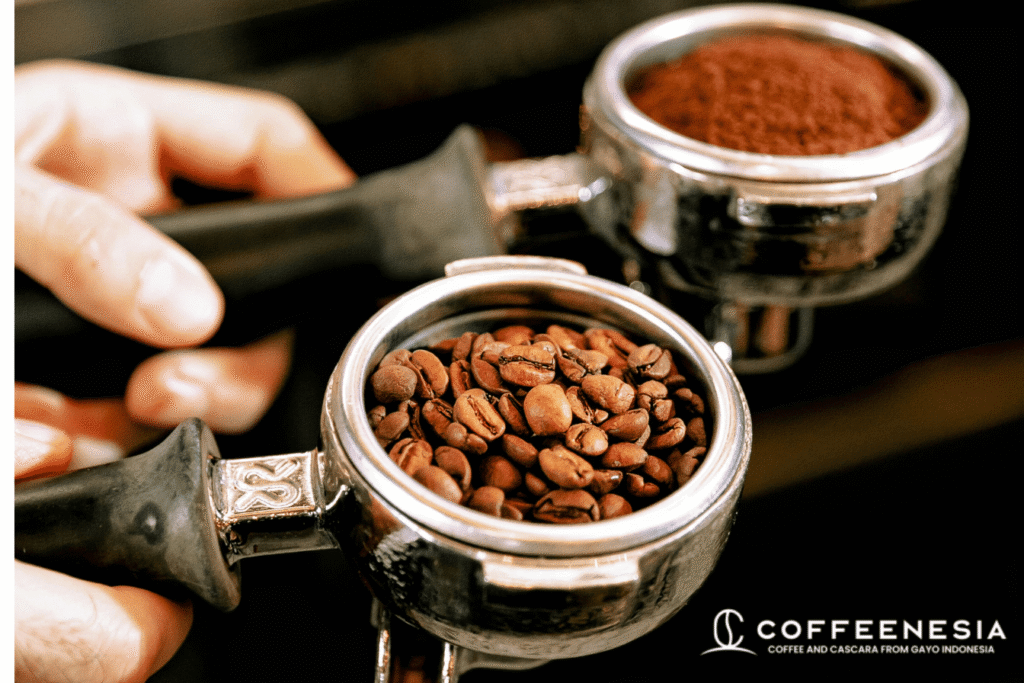
Coffee quality does not rely only on cultivation and harvest. Processing methods play a major role in shaping aroma, texture, and flavor complexity. Once farmers harvest ripe cherries, they immediately begin processing in order to protect the sugars and natural compounds contained inside the fruit. Because different regions in Indonesia apply distinct techniques, the character of Indonesian Coffee Beans often reflects the processing style as much as the environment where the coffee grows.
One widely recognized technique is the wet hulling method, locally known as giling basah. Producers remove the outer skin of the coffee cherry soon after harvest and partially dry the beans before removing the parchment layer. This process allows Indonesian Coffee Beans to retain a unique earthy sweetness and full body that many roasters appreciate. Wet hulling also gives the beans their recognizable greenish tone before roasting. The method developed historically because Indonesia’s humid climate made complete drying difficult, yet it eventually became an identity within Indonesian coffee processing.
In addition to wet hulling, some farms adopt washed processing. In this method, producers remove the fruit pulp and ferment the beans in water to dissolve remaining mucilage. After fermentation, workers wash the beans and dry them slowly under the sun. This process highlights cleaner flavors and brighter aromatics while still preserving the gentle body that Indonesian Coffee Beans naturally offer.
Natural processing represents another method used in certain regions. Farmers dry whole cherries under the sun without removing the fruit layer. As the cherries dry, sugars from the fruit penetrate the seed and enhance sweetness. Natural processed Indonesian Coffee Beans often develop fruit forward notes and slightly heavier texture. These variations in processing provide roasters with diverse flavor options that help Indonesian coffee remain competitive in global specialty markets.
Brewing Techniques That Highlight Indonesian Coffee Beans
Coffee brewing methods strongly influence how flavors appear in the final cup. Because Indonesian coffee offers balanced acidity and rich body, many brewing techniques can reveal different characteristics of the beans. Professional baristas and home brewers frequently experiment with grind size, water temperature, and extraction time in order to unlock the full potential of Indonesian Coffee Beans.
Espresso extraction represents one of the most popular brewing approaches. Under high pressure, hot water passes through finely ground coffee and extracts concentrated flavor compounds. Indonesian Coffee Beans perform particularly well in espresso because their natural sweetness and chocolate like notes create a dense and satisfying shot. Many coffee shops blend Indonesian beans with other origins to add body and depth to espresso based drinks such as cappuccino and latte.
Manual brewing methods such as pour over brewing offer another perspective on Indonesian coffee flavor. This technique allows water to flow slowly through medium ground coffee, creating a clean and transparent cup. When brewers prepare Indonesian Coffee Beans using this method, they often notice subtle floral tones and caramel sweetness that may remain hidden in darker espresso preparations.
French press brewing emphasizes texture and body. The immersion method allows coffee grounds to remain in contact with hot water for several minutes before filtration. Because Indonesian Coffee Beans naturally produce a medium to full body, French press brewing often highlights their smooth mouthfeel and layered aroma. Cold brew preparation also works well with these beans. Long extraction at low temperature produces a refreshing beverage with reduced acidity and pronounced sweetness.
Cultural Heritage and Community Traditions Behind Indonesian Coffee
Coffee cultivation in Indonesia represents more than an agricultural activity. For many rural communities, coffee farming forms a central part of cultural identity and economic livelihood. Families often pass down knowledge about planting, harvesting, and processing coffee through generations. These traditions influence the way farmers cultivate and care for Indonesian Coffee Beans.
In regions such as Aceh Gayo, community cooperation plays a vital role in coffee production. Farmers often organize cooperative systems where members share knowledge, resources, and processing facilities. These cooperatives help smallholder farmers access international markets while maintaining consistent quality standards. By working collectively, communities strengthen their bargaining position within the global coffee supply chain.
Local traditions also shape the harvesting process. During harvest season, families gather to pick ripe cherries carefully and transport them to processing stations. This communal activity not only ensures careful selection of fruit but also reinforces social ties among farmers. As a result, Indonesian Coffee Beans reflect not only environmental factors but also the collective dedication of farming communities.
Cultural appreciation for coffee extends beyond farming. In many Indonesian regions, coffee drinking itself forms part of daily social interaction. People gather in small coffee shops to discuss local news, exchange ideas, and strengthen relationships. These social spaces demonstrate how coffee culture connects agriculture, community, and daily life. Because of this deep cultural heritage, Indonesian Coffee Beans carry a story that reaches far beyond simple agricultural production.
Economic Impact and Export Importance of Indonesian Coffee Beans
Coffee remains one of the most significant agricultural commodities exported from Indonesia. Millions of farmers depend on coffee cultivation as their primary source of income. Because Indonesia ranks among the largest coffee producers globally, the success of Indonesian Coffee Beans in international markets directly influences rural economic stability.
Export demand continues to grow as specialty coffee culture expands worldwide. Roasters increasingly search for beans that offer unique flavor profiles and traceable origin stories. Indonesian coffee satisfies both criteria. The country’s diverse geography creates multiple flavor identities, while traditional farming methods add authenticity to the narrative behind each batch of beans.
Government agencies and agricultural organizations also support coffee development programs. These initiatives often focus on improving farming techniques, strengthening quality control, and expanding export networks. By enhancing training and infrastructure, these programs help farmers produce higher quality Indonesian Coffee Beans that meet international standards.
In addition to roasted beans, coffee related products such as cascara also contribute to economic growth. Cascara Sweet Tea provides a new revenue stream for farmers because it utilizes parts of the coffee fruit that previously had little commercial value. As global beverage companies explore cascara based drinks, this product may expand the overall market potential for Indonesian coffee agriculture.
The combination of specialty coffee demand and product diversification strengthens Indonesia’s position in the global coffee economy. Buyers who source Indonesian Coffee Beans often discover long term partnerships with producers who value quality, sustainability, and transparent trade relationships.
Future Innovation and Global Opportunities for Indonesian Coffee Beans
The global coffee industry continues evolving as consumer preferences shift toward sustainability, traceability, and distinctive flavor experiences. These trends create new opportunities for producers who cultivate Indonesian Coffee Beans. By combining traditional agricultural knowledge with modern innovation, Indonesia’s coffee sector can continue expanding its global influence.
Technological improvements already support better quality control and traceability across coffee supply chains. Digital tools allow farmers and exporters to track harvest batches, monitor processing conditions, and communicate directly with international buyers. These systems help ensure that Indonesian Coffee Beans reach markets with clear documentation of origin and production practices.
Research institutions also explore ways to improve coffee plant resilience against climate change. Scientists study new cultivation techniques and plant varieties that can maintain productivity under shifting environmental conditions. Because many Indonesian farms operate in mountainous ecosystems, adapting to climate variation becomes essential for long term sustainability.
Innovation also appears in the beverage industry. Cascara Sweet Tea continues gaining attention as consumers search for natural drinks with unique flavor profiles. Beverage companies experiment with cascara blends that combine coffee fruit with herbs, spices, or citrus ingredients. These developments highlight how Indonesian Coffee Beans contribute not only to coffee beverages but also to broader beverage innovation.
As global demand for specialty coffee and sustainable ingredients grows, Indonesia holds strong potential to expand its presence in international markets. Companies that value authentic origin stories, balanced flavor profiles, and responsible production practices increasingly look toward Indonesia as a reliable partner in the coffee trade.
Discover More About Coffee Beans and Coffeenesia
Coffeenesia continues to establish itself as a trusted supplier of premium Indonesian Coffee Beans. By combining organic cultivation, disciplined processing, and transparent trade practices, the company delivers value beyond the cup.
Businesses interested in exploring premium coffee products, cascara beverages, or sourcing partnerships can learn more through coffenesia at https://coffeenesia.id and discover detailed information about Cascara Sweet Tea from Gayo through https://coffeenesia.id/coffeenesia-coffee-from-gayo/. For direct inquiries regarding supply availability or collaboration opportunities, communication is also available through https://wa.me/6285285469417.
Indonesian Coffee Beans 01 Wholesale Supplier By Coffeenesia!

Coffeenesia has established itself as one of Indonesia’s most reliable and reputable suppliers of premium coffee commodities, catering to global importers, roasters, and café chains who demand consistent quality and ethical sourcing. As a specialized exporter of Indonesian Coffee Beans, particularly the world-renowned Aceh Gayo Arabica, Coffeenesia brings authenticity, traceability, and international-grade standards to businesses seeking long-term, dependable suppliers.
Through our official platform Coffeenesia.id, international buyers can explore a complete portfolio of Indonesian coffee products sourced directly from smallholder farmers in the Gayo Highlands. Our signature offering, Gayo Arabica Specialty Grade, is available in Washed, Honey, and Natural process, each carefully prepared to highlight the region’s distinct altitude, volcanic soil fertility, and traditional farming culture. Whether your business requires green beans for roasting, premium roasted beans for café service, or private-label solutions for your brand, Coffeenesia ensures every shipment meets stringent specialty coffee benchmarks.
Beyond specialty Arabica beans, Coffeenesia is also the trusted supplier of Gayo Cascara, a premium dried coffee cherry tea increasingly popular in international wellness and specialty beverage markets. Known for its fruity aroma, gentle sweetness, and antioxidant benefits, cascara from Gayo is processed using clean, sun-dried methods that maintain purity and flavor integrity. This makes it ideal for cafés, tea houses, beverage formulators, and health-focused brands seeking a unique product with rising global demand.
As an export-focused supplier, Coffeenesia provides comprehensive wholesale support—ranging from quality inspection, moisture and defect grading, and roast profiling guidance, to international logistics and export documentation. We prioritize fair compensation for farmers, sustainable cultivation methods, and transparent supply chains, ensuring our buyers receive products that are ethical, environmentally responsible, and globally competitive.
For businesses seeking the finest Indonesian Coffee Beans with dependable wholesale supply, Coffeenesia stands ready as your trusted partner, delivering exceptional quality from the highlands of Gayo straight to your roasting facility or café.
FAQ Indonesian Coffee Beans
- What altitude is ideal for growing Indonesian Coffee Beans?
Most Indonesian Coffee Beans grow best between 1,000 and 1,700 meters above sea level. At these elevations, cooler temperatures slow the maturation of coffee cherries. This slower ripening allows natural sugars to develop more fully inside the fruit, creating balanced acidity, deeper aroma, and more complex flavor once the beans are roasted and brewed. - How do Indonesian Coffee Beans differ from other Asian coffees?
Indonesian Coffee Beans usually have fuller body and softer acidity compared with many Asian coffee origins. The volcanic soil, humid climate, and traditional wet hulling process create earthy sweetness, chocolate notes, and smooth mouthfeel that distinguish Indonesian beans from brighter coffees produced in other regions. - Can Indonesian Coffee Beans be used for specialty roasting?
Yes, Indonesian Coffee Beans are widely used in specialty roasting. Roasters appreciate their stable structure during roasting, which allows consistent results. These beans perform well for single origin profiles and espresso blends because they offer balanced acidity, rich body, and layered aromatic complexity. - What roast level works best for Indonesian Coffee Beans?
Medium roast often highlights the natural sweetness and caramel notes of Indonesian Coffee Beans. However, light roast can reveal floral or fruit nuances, while darker roast emphasizes cocoa and spice tones. The beans remain versatile across roasting levels depending on the desired flavor expression. - Are Indonesian Coffee Beans suitable for cold brew coffee?
Yes, Indonesian Coffee Beans work well for cold brew preparation. Their naturally smooth body and low bitterness create a refreshing beverage with gentle sweetness. Cold extraction also softens acidity and highlights chocolate and caramel flavors, making the drink smooth and easy to enjoy. - How should Indonesian Coffee Beans be stored for freshness?
Store Indonesian Coffee Beans in an airtight container away from heat, light, and moisture. Keeping beans in a cool, dark place helps preserve aromatic oils and flavor compounds. For best taste, grind the beans shortly before brewing rather than storing them already ground.