
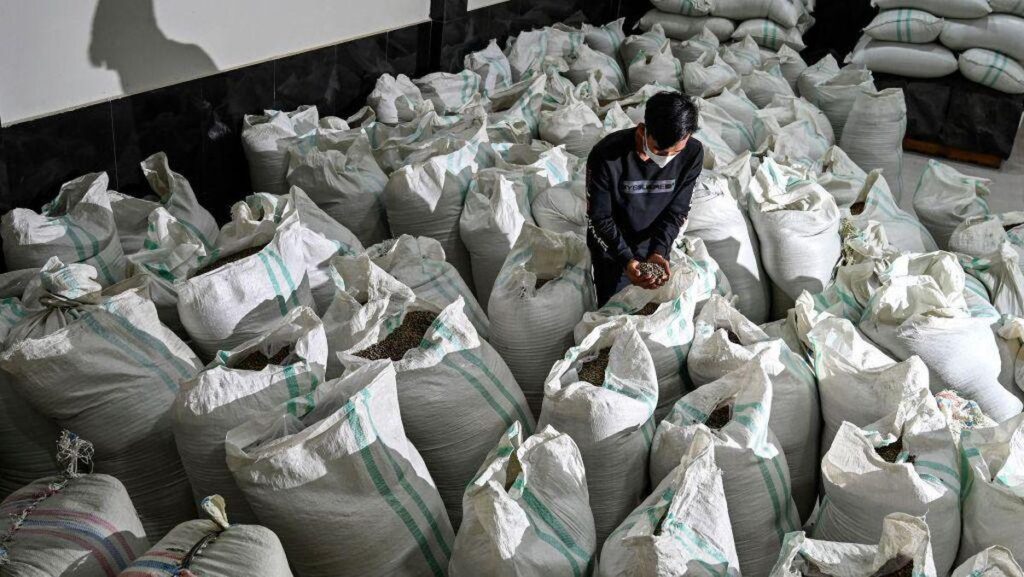
Finding a reliable coffee exporter Indonesia is an important step for importers, coffee roasters, wholesalers, distributors, manufacturers, and café chains looking to source high-quality Indonesian coffee. Indonesia is one of the world’s major coffee-producing countries, offering Arabica, Robusta, specialty coffee, and distinctive regional varieties for international markets.
However, choosing the right exporter requires more than comparing coffee prices. International buyers need a partner that can provide consistent quality, clear product specifications, reliable sourcing, proper export documentation, suitable packaging, and efficient international logistics.
A professional coffee exporter Indonesia can support the entire sourcing process, from selecting suitable coffee origins and evaluating samples to preparing products for international shipment. Therefore, working with an experienced exporter can help buyers reduce sourcing risks and develop a more reliable coffee supply chain.
This guide explains what international buyers should consider when choosing an Indonesian coffee exporter and why Indonesia remains an attractive source of premium coffee beans in 2026.
Table of Contents
ToggleWhat Is a Coffee Exporter Indonesia?
A coffee exporter Indonesia is a company or supplier that connects Indonesian coffee producers with buyers in international markets.
The exporter may coordinate several stages of the supply chain, including sourcing, processing, quality control, packaging, documentation, and international shipping.
Depending on its business model, an exporter may work with:
- Coffee farmers
- Producer groups
- Cooperatives
- Processing facilities
- Coffee mills
- Quality-control teams
- Freight forwarders
- International logistics providers
As a result, international buyers can access Indonesian coffee without having to coordinate every stage of the supply chain independently.
A capable exporter should also understand the specifications required by different buyers. Specialty coffee roasters, for example, may prioritize origin, processing method, traceability, and cup quality. Meanwhile, larger commercial buyers may focus more heavily on consistency, volume, pricing, and supply continuity.
Why Source Coffee from Indonesia?
Indonesia offers a diverse coffee landscape that gives international buyers access to numerous origins, varieties, processing methods, and flavor profiles.
Moreover, Indonesia produces both Arabica and Robusta, allowing buyers to source coffee for different market segments.
Diverse Indonesian Coffee Origins
Indonesia has coffee-growing regions spread across numerous islands.
Some internationally recognized origins include:
- Aceh Gayo
- North Sumatra
- Mandheling
- Java
- Bali Kintamani
- Flores Bajawa
- Toraja
- Sulawesi
- Papua
Each origin can produce different characteristics depending on altitude, coffee variety, climate, processing, harvest conditions, and production practices.
Therefore, buyers should evaluate individual lots rather than selecting coffee based solely on the reputation of an origin.
Arabica and Robusta Availability
Another advantage of working with a coffee exporter Indonesia is access to both major commercial coffee species.
Indonesian Arabica is suitable for buyers looking for specialty coffee, single-origin products, premium roasted coffee, and distinctive cup profiles.
Robusta, meanwhile, can serve espresso blends, commercial roasting, instant coffee, food manufacturing, and other high-volume applications.
This variety allows international buyers to build a broader coffee portfolio from a single producing country.
Indonesian Coffee Characteristics
Indonesian coffee is known internationally for its diversity rather than one universal flavor profile.
For example, selected coffees from Sumatra may show chocolate, spice, herbal, earthy, fruity, or sweet characteristics. Meanwhile, coffees from Bali, Flores, Java, Sulawesi, and other regions may offer different combinations of acidity, sweetness, body, aroma, and flavor.
Several factors influence these characteristics:
- Growing altitude
- Soil and climate
- Coffee species and variety
- Harvesting practices
- Fermentation
- Processing method
- Drying
- Storage
- Roast profile
Consequently, international buyers should request samples and specifications before committing to commercial quantities.
How Does a Coffee Exporter Indonesia Work?
An experienced coffee exporter Indonesia typically coordinates multiple stages before coffee reaches an international customer.
Understanding these stages can help buyers evaluate potential suppliers more effectively.
1. Coffee Sourcing
The process begins with sourcing coffee from suitable producing regions.
Exporters may work directly or indirectly with farmers, cooperatives, collectors, processors, and other supply-chain partners.
At this stage, buyers should communicate their requirements clearly. These requirements may include:
- Arabica or Robusta
- Preferred origin
- Processing method
- Quality grade
- Desired cup profile
- Estimated quantity
- Packaging
- Destination country
Clear specifications make it easier for exporters to identify suitable coffee.
2. Coffee Processing
Processing can significantly influence coffee characteristics.
Common methods available in Indonesia include:
Fully Washed
Washed processing generally emphasizes cleaner characteristics and clarity in the cup.
Natural
Natural processing allows coffee cherries to dry with the fruit around the seed. When managed carefully, this method can produce pronounced sweetness and fruity characteristics.
Honey Process
Honey processing retains some mucilage during drying and can create different combinations of sweetness, acidity, fruit characteristics, and body.
Wet Hulled or Giling Basah
Wet-hulling is strongly associated with Indonesian coffee, particularly coffee from Sumatra.
However, processing method alone does not determine quality. Buyers should evaluate the actual lot through physical inspection and cupping whenever possible.
3. Coffee Quality Control
Quality control is one of the most important responsibilities of a professional coffee exporter Indonesia.
Before shipment, coffee may be evaluated according to agreed buyer specifications.
Common parameters include:
- Moisture content
- Bean size
- Screen size
- Defect count
- Physical appearance
- Uniformity
- Processing method
- Origin
- Cup characteristics
- Cupping score when applicable
For specialty coffee, buyers may also request detailed information about traceability, harvest period, altitude, variety, processing, and producer information.
Clear specifications reduce misunderstandings between buyers and exporters.
4. Coffee Sampling and Cupping
International buyers should consider requesting representative samples before confirming large orders.
Sampling allows buyers to evaluate the coffee independently.
During evaluation, buyers can examine:
- Aroma
- Flavor
- Sweetness
- Acidity
- Body
- Balance
- Aftertaste
- Uniformity
- Green bean appearance
- Roasting performance
Furthermore, comparing several samples side by side can help buyers select coffee that best matches their market.
For specialty buyers, cupping can provide additional insight into quality and cup characteristics.
5. Export Packaging
Suitable packaging helps protect green coffee during storage and international transportation.
A coffee exporter Indonesia may offer several packaging options depending on product requirements and availability.
Common options can include:
- Jute sacks
- Jute sacks with protective liners
- High-barrier inner bags
- Vacuum packaging for selected coffees
- Customized packaging
Buyers should discuss packaging requirements before confirming an order.
In addition, packaging decisions should consider shipment duration, storage conditions, coffee value, and destination.
6. Export Documentation
International coffee transactions require appropriate documentation.
Depending on the destination and transaction, relevant documents may include:
- Commercial Invoice
- Packing List
- Bill of Lading
- Certificate of Origin
- Phytosanitary Certificate when required
- Customs documentation
- Other destination-specific documents
Requirements may differ between countries. Therefore, buyers should confirm current import regulations with the relevant authorities, customs professionals, or importing partners.
For international trade information and market-access resources, buyers can also refer to the International Trade Centre.
7. International Coffee Shipping
Once documentation and packaging are prepared, the exporter coordinates shipment according to the agreed commercial arrangement.
Depending on quantity and destination, coffee may be shipped through different logistics arrangements.
Before confirming an order, buyers should discuss:
- Destination port
- Shipment volume
- Shipping schedule
- Lead time
- Freight arrangement
- Incoterms
- Insurance responsibilities
- Required documentation
Clear communication at this stage can help prevent delays and unexpected costs.
What Makes a Reliable Coffee Exporter Indonesia?
Choosing the right coffee exporter Indonesia requires careful supplier evaluation.
Price is important, but it should not be the only consideration.
International buyers should evaluate several factors.
Consistent Coffee Quality
A reliable exporter should clearly communicate product specifications and provide coffee that matches the agreed requirements.
Consistency becomes particularly important for repeat purchases.
Transparent Sourcing
Buyers increasingly value information about where their coffee comes from.
Therefore, exporters should provide relevant origin and product information whenever available.
Representative Samples
Requesting samples before purchasing large quantities can reduce sourcing risk.
The commercial shipment should correspond to the specifications agreed during the purchasing process.
Export Experience
International transactions involve documentation, packaging, shipping, and communication across different markets.
Consequently, export experience can be valuable when selecting a long-term supplier.
Reliable Communication
International sourcing depends heavily on communication.
A good exporter should communicate clearly about product availability, specifications, pricing, production timelines, documentation, and shipment schedules.
Long-Term Supply Capability
Businesses that purchase coffee regularly should also evaluate the supplier’s ability to support recurring orders.
Because coffee is an agricultural product, availability can change between harvests. Good supply planning and communication can help buyers manage these changes.
How to Choose the Best Coffee Exporter Indonesia
Before selecting a coffee exporter Indonesia, international buyers should complete a basic supplier evaluation.
Request Detailed Specifications
Ask potential suppliers for information about:
- Coffee origin
- Arabica or Robusta
- Variety when available
- Processing method
- Harvest information
- Moisture content
- Defect specifications
- Screen size
- Cup profile
- Cupping score when applicable
- Available volume
These details make supplier comparisons more objective.
Request Samples
Do not rely solely on photographs or product descriptions.
Whenever practical, evaluate samples before making a significant commercial purchase.
Discuss Minimum Order Quantity
Minimum order quantities can vary between exporters and coffee products.
Therefore, buyers should explain their expected initial and recurring order volumes.
Confirm Packaging
Discuss packaging before completing the transaction.
Premium microlots may require different packaging compared with larger commercial coffee shipments.
Review Export Capabilities
Ask about previous export experience, documentation procedures, logistics coordination, and supported destinations.
Compare Total Value, Not Only Price
A cheaper offer may not provide better value if quality varies significantly or shipments become unreliable.
Instead, evaluate quality, communication, consistency, packaging, documentation, logistics support, and commercial terms together.
Common Mistakes When Choosing an Indonesian Coffee Exporter
International buyers should avoid several common mistakes when selecting a coffee exporter Indonesia.
The first is choosing a supplier based only on price. Coffee quality, reliability, communication, and supply consistency can have a significant impact on long-term purchasing costs.
Another mistake is placing a large order without evaluating samples.
Buyers should also avoid using vague purchasing specifications. Asking for “premium Indonesian coffee” without defining origin, processing, quality, volume, and target profile can create misunderstandings.
Finally, important commercial details should be documented before shipment.
These details may include:
- Product specifications
- Quantity
- Price
- Packaging
- Payment terms
- Incoterms
- Shipment schedule
- Documentation
- Quality requirements
Clear agreements can reduce risk for both buyers and exporters.
Why Indonesian Coffee Remains Competitive in 2026
Indonesia continues to attract international coffee buyers because of its diverse production regions and ability to serve different market segments.
Specialty buyers can explore distinctive origins, processing methods, and individual lots. Meanwhile, commercial buyers can source Arabica and Robusta for larger-volume requirements.
Additionally, global buyers increasingly value traceability, quality consistency, processing information, and stronger supplier relationships.
As a result, exporters that can combine quality coffee with professional supply-chain management are well positioned to serve international markets.
Buyers who want to explore sourcing in more detail can read Coffeenesia’s guide to coffee bean suppliers and sourcing strategies.
Why Choose Coffeenesia as Your Coffee Exporter Indonesia?
Coffeenesia supports international buyers looking for a professional coffee exporter Indonesia for specialty and commercial requirements.
We connect buyers with Indonesian coffee from different producing regions and work with sourcing and processing partners to identify coffee based on customer requirements.
Depending on availability, our portfolio can include:
- Green Coffee Beans
- Indonesian Arabica
- Indonesian Robusta
- Specialty Coffee
- Selected regional coffees
- Cascara
Our approach starts with understanding the buyer’s requirements.
Instead of simply offering a generic coffee list, we encourage international customers to provide information about preferred origin, processing method, quality expectations, flavor profile, estimated volume, packaging requirements, and destination.
This approach helps create a more focused sourcing process.
Coffee Export Support for International Buyers
Working with a coffee exporter Indonesia should involve more than purchasing beans.
International customers may also require support related to samples, specifications, packaging, documentation, and shipment coordination.
Coffeenesia aims to support buyers throughout these stages.
Product Selection
We help buyers explore Indonesian coffee options according to their target market and purchasing requirements.
Quality Evaluation
Product specifications and available samples can help buyers evaluate coffee before committing to larger quantities.
Packaging Coordination
Packaging requirements can be discussed according to coffee type, shipment size, and buyer requirements.
Export Documentation
Relevant export documentation can be coordinated according to the transaction and destination requirements.
Logistics Coordination
Shipping arrangements can be discussed according to volume, destination, and agreed commercial terms.
For more information about Indonesian coffee sourcing, visit Coffeenesia.
Indonesian Agricultural Commodities Beyond Coffee
Businesses sourcing multiple Indonesian commodities may also require products beyond coffee.
EFBA Agro focuses on Indonesian agricultural commodities for B2B markets. Depending on availability and commercial requirements, product categories can include agricultural products such as cassava-derived products, palm products, coconut products, coffee, herbs, and spices.
For buyers sourcing multiple commodities, consolidating supplier communication and export coordination can make international procurement more efficient.
Frequently Asked Questions About Coffee Exporter Indonesia
What Does a Coffee Exporter Indonesia Do?
A coffee exporter Indonesia helps international buyers source Indonesian coffee and coordinate important processes such as product selection, quality specifications, packaging, documentation, and international shipment.
What Types of Indonesian Coffee Can Be Exported?
Depending on supplier availability, buyers can source Arabica, Robusta, specialty coffee, green coffee beans, and coffee from specific Indonesian origins.
What Are the Most Popular Indonesian Coffee Origins?
Recognized Indonesian coffee origins include Aceh Gayo, Mandheling, Java, Bali Kintamani, Flores, Toraja, Sulawesi, and Papua.
However, buyers should evaluate individual lots because coffee characteristics can vary according to harvest, variety, processing, and production conditions.
Can I Request Coffee Samples Before Ordering?
Yes. Requesting samples is recommended before placing a significant commercial order.
Samples allow buyers to evaluate physical quality, roasting performance, and cup characteristics.
What Documents Are Required for Indonesian Coffee Export?
Documents can include a Commercial Invoice, Packing List, Bill of Lading, Certificate of Origin, phytosanitary documentation when required, and other customs or destination-specific documents.
Exact requirements depend on the destination country.
Can a Coffee Exporter Indonesia Provide Customized Packaging?
Packaging options depend on the exporter and product.
Buyers should communicate their preferred packaging, quantity, labeling requirements, and destination before confirming the order.
How Do I Find a Trusted Coffee Exporter Indonesia?
Evaluate exporters based on coffee quality, specifications, sourcing transparency, samples, communication, export experience, packaging, documentation support, production capacity, and logistics capabilities.
Do not evaluate suppliers based solely on the lowest quoted price.
Start Working with a Coffee Exporter Indonesia
Choosing the right coffee exporter Indonesia can help international buyers build a more reliable sourcing strategy for Indonesian coffee.
Start by defining the type of coffee your business requires. Next, determine the preferred origin, processing method, quality specifications, expected quantity, packaging, and destination. Then, request samples and evaluate potential exporters based on quality, consistency, communication, and export capability.
Indonesia provides international buyers with access to Arabica, Robusta, specialty coffee, and distinctive regional origins. However, successful sourcing depends on selecting both the right coffee and the right export partner.
If you are looking for a coffee exporter Indonesia for your business, Coffeenesia is ready to discuss your sourcing requirements.
Share your preferred coffee type, origin, processing method, quality specifications, estimated volume, packaging requirements, and destination to begin exploring suitable Indonesian coffee options.