
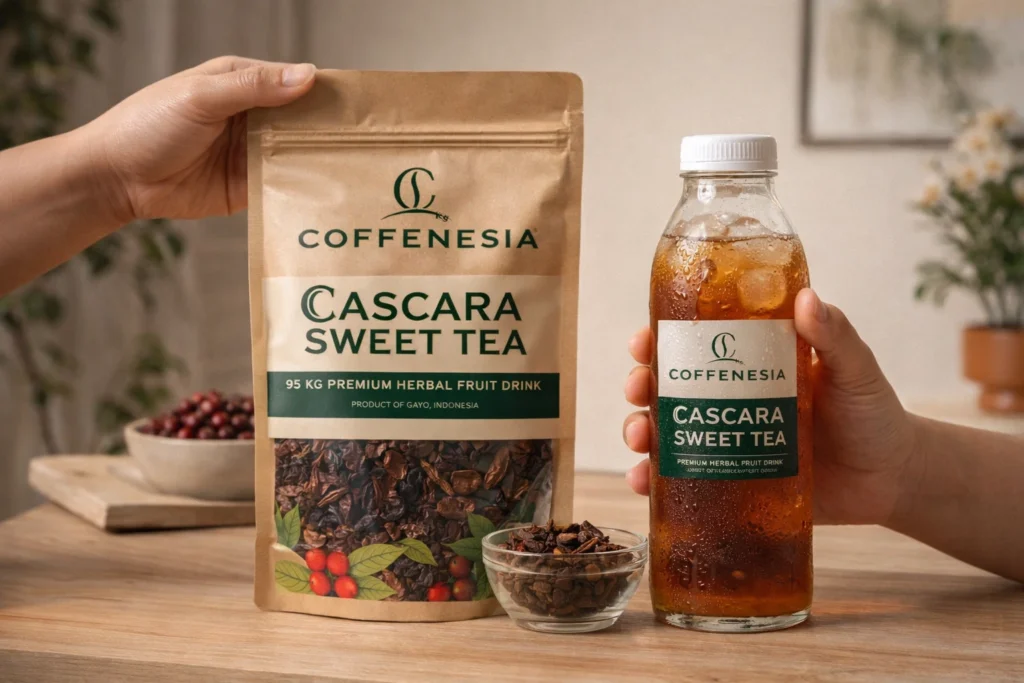
Cascara Sweet Tea has emerged as one of the most fascinating herbal beverages in the global specialty drink market. Cascara Sweet Tea originates from the dried skin of coffee cherries, a part of the coffee fruit that many producers once overlooked. Today, farmers and beverage innovators transform this vibrant coffee fruit skin into a naturally sweet herbal infusion that delivers refreshing flavor and beneficial nutrients.
The drink carries a naturally fruity aroma, gentle sweetness, and subtle tea-like body. Many consumers compare the taste to a blend of hibiscus, dried berries, and light honey. Because it contains natural antioxidants and light caffeine levels, people enjoy it both as a refreshing beverage and as a functional herbal drink that supports daily wellness.
In Indonesia, particularly in the highlands of Gayo, cascara has gained recognition as a premium agricultural product. The region’s fertile volcanic soil, high elevation, and balanced rainfall produce coffee cherries with remarkable quality. When farmers process the cherries carefully, the cascara retains its natural sweetness and aromatic complexity. This process allows the herbal drink known globally as Cascara Sweet Tea to become a unique beverage that connects traditional coffee agriculture with modern herbal beverage trends.
Today global consumers increasingly search for beverages that combine natural origin, refreshing taste, and gentle health support. Within that trend, cascara from coffee fruit introduces a fascinating alternative because it delivers flavor complexity without relying on artificial ingredients. The infusion derived from coffee cherry skin therefore enters the functional beverage category as a naturally sweet herbal drink. Producers across the Gayo Highlands now process coffee fruit carefully so the cascara can later become Cascara Sweet Tea, a beverage that reflects both agricultural heritage and contemporary beverage innovation.
Cascara Sweet Tea Premium Herbal Fruit Drink from Gayo Highlands
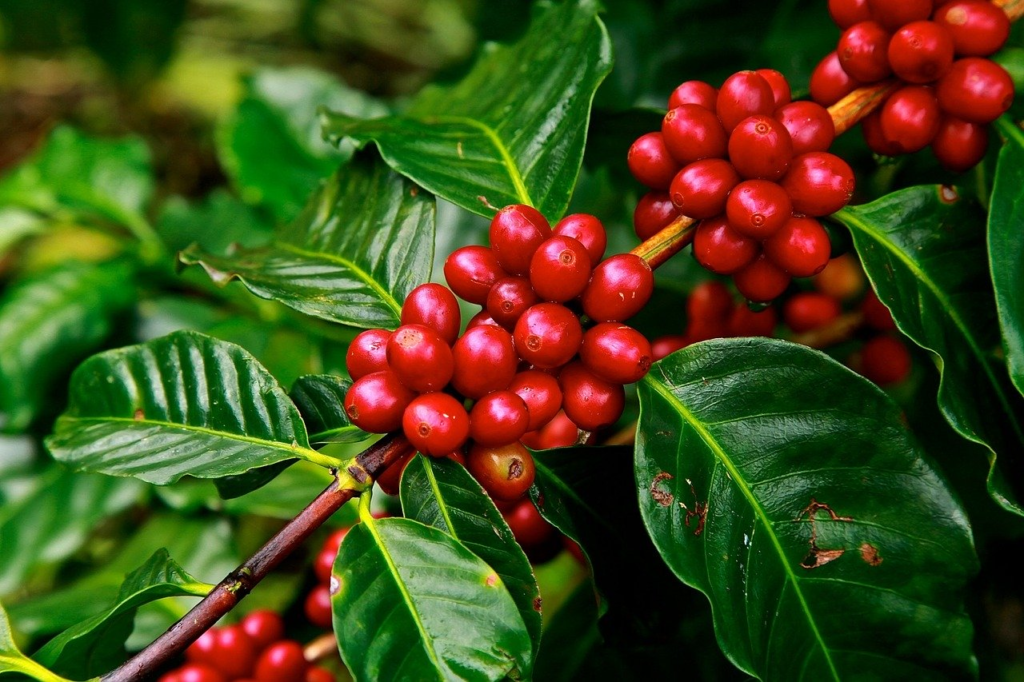
The Gayo Highlands in Aceh stand among the most respected Arabica coffee producing regions in Indonesia. Farmers cultivate coffee trees at elevations that often range between 1200 and 1700 meters above sea level. These highland conditions slow down the maturation of coffee cherries, allowing fruit sugars and aromatic compounds to develop gradually within the outer layer of the cherry. When farmers harvest ripe cherries and dry the fruit skin carefully, the dried cascara later becomes the key ingredient used to prepare the herbal beverage known worldwide as Cascara Sweet Tea.
Farmers harvest coffee cherries at peak ripeness to ensure balanced sweetness and strong fruit aroma. After removing the beans during pulping, producers immediately separate and dry the outer fruit skin under controlled sunlight conditions. This process protects the fruit sugars and natural acids from damage while preserving aromatic compounds inside the cascara. Through careful drying and sorting, producers maintain the clean and vibrant flavor that cascara later releases during brewing.
Volcanic soil in the Gayo Highlands enriches the coffee plants with minerals and organic nutrients. Combined with cool mountain air and steady rainfall, these environmental factors encourage the coffee cherries to develop thicker fruit pulp and sweeter skins. When beverage producers later brew the dried cascara, the infusion reveals fruity brightness and natural sweetness that distinguish it from conventional herbal teas. Because of these qualities, many beverage innovators now view cascara from Gayo as a premium ingredient capable of supporting specialty herbal drinks such as Cascara Sweet Tea for international markets seeking authentic and sustainable beverages.
Cascara Sweet Tea Nutritional Composition and Natural Wellness Value
Natural plant compounds give cascara its growing reputation as a functional herbal beverage. The dried coffee fruit skin contains antioxidants, polyphenols, and trace minerals that contribute to a balanced nutritional profile. Researchers studying coffee fruit have discovered that the outer cherry layer holds beneficial phytochemicals comparable to those found in many fruit based herbal infusions. When producers brew cascara properly, these compounds dissolve into the drink and create the refreshing beverage widely recognized as Cascara Sweet Tea among modern health conscious consumers.
Antioxidants play an important role in supporting cellular balance and protecting the body from oxidative stress. Many people choose antioxidant rich beverages to complement a balanced lifestyle and support long term wellness habits. Cascara naturally contains these protective compounds while also delivering a light and refreshing flavor profile that makes daily consumption enjoyable.
Another appealing element of cascara involves its moderate caffeine level. Unlike strong coffee beverages that contain high caffeine concentrations, cascara releases only a gentle amount of caffeine during infusion. This mild stimulation offers light energy without overwhelming the body, which makes the drink suitable for afternoon or evening consumption. Many people therefore choose cascara when they want a refreshing drink that provides gentle alertness while remaining comfortable to enjoy throughout the day.
In addition to antioxidants and mild caffeine, cascara contributes trace minerals including potassium and magnesium. These nutrients support hydration and metabolic functions within the body. While cascara does not replace a balanced diet, the infusion provides an additional plant based beverage option for people seeking natural drinks. This nutritional balance contributes to the growing popularity of Cascara Sweet Tea in modern functional beverage markets around the world.
Cascara Sweet Tea Flavor Profile and Aromatic Characteristics
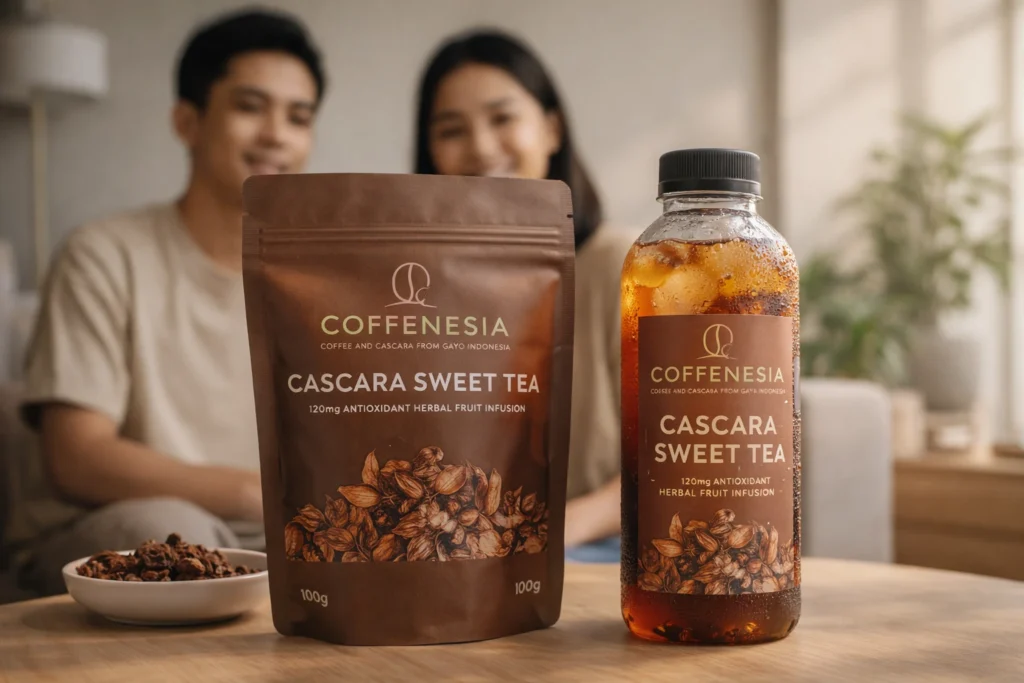
Flavor exploration continues to attract beverage enthusiasts toward cascara based drinks. The dried skin of coffee cherries releases a vibrant aroma when steeped in hot water, creating an infusion that feels both fruity and refreshing. Many drinkers describe the fragrance as reminiscent of dried cherries, rosehip, tamarind, and light honey. These aromatic elements develop naturally during the slow maturation of coffee cherries in high altitude environments like the Gayo Highlands.
When prepared as an herbal infusion, the drink delivers a balanced taste that sits comfortably between fruit tea and light herbal tea. The natural sweetness remains gentle while the acidity stays bright and smooth. This combination allows the beverage to refresh the palate without overwhelming bitterness. As more cafés and beverage creators explore cascara based drinks, they increasingly introduce customers to the distinctive infusion commonly referred to as Cascara Sweet Tea in specialty beverage culture.
Color also contributes to the sensory experience. When cascara steeps in hot water, the liquid gradually turns into a warm amber or ruby tone similar to hibiscus tea. This vibrant color enhances the visual appeal of the beverage and encourages cafés to serve it as both a hot drink and a chilled specialty beverage.
Environmental conditions in the Gayo Highlands contribute strongly to these flavor characteristics. Volcanic soil provides rich nutrients, while cool temperatures slow down cherry ripening. During this slow maturation process the coffee fruit accumulates higher sugar levels and deeper aromatic complexity within the outer skin. When producers dry the cascara properly, these compounds remain preserved until brewing releases them. This natural process ultimately allows the fruit skin to transform into the aromatic infusion recognized internationally as Cascara Sweet Tea.
Cascara Sweet Tea Brewing Methods and Beverage Innovation

Preparing cascara offers remarkable flexibility for both traditional tea drinkers and creative beverage developers. The dried fruit skin releases its flavor easily during infusion, which makes the brewing process simple and accessible. Many people begin with a standard steeping method that uses approximately five to seven grams of cascara for every 250 milliliters of hot water. After five to seven minutes of steeping, the infusion reveals gentle fruit aroma and natural sweetness.
Cold brewing provides another popular preparation technique. Beverage enthusiasts place cascara in cold water and allow the infusion to develop slowly for eight to twelve hours. This slow extraction method softens acidity while highlighting natural fruit sweetness. As a result, the drink becomes exceptionally refreshing when served chilled over ice.
Modern cafés and beverage innovators have expanded the possibilities of cascara based drinks even further. Some cafés prepare cascara iced tea with citrus slices and honey, while others create sparkling herbal sodas by combining cascara infusion with carbonated water. Mixologists sometimes use cascara syrup to craft mocktails or specialty cocktails because the ingredient introduces natural fruit complexity without artificial flavors.
Chefs also explore cascara in culinary applications beyond beverages. The dried fruit skins can infuse syrups used in desserts, pastries, or fruit reductions. Some bakeries experiment with cascara glaze for cakes or fruit tarts, while other culinary professionals incorporate cascara syrup into sauces served with roasted fruits. These creative experiments highlight how the coffee fruit skin can contribute flavor versatility across culinary contexts. Through these applications the beverage concept recognized globally as Cascara Sweet Tea continues expanding into new gastronomic experiences.
Cascara Sweet Tea Sustainable Coffee Innovation from Gayo
Sustainability plays an increasingly important role in modern agriculture, and cascara demonstrates how producers can transform agricultural byproducts into valuable resources. Coffee processing traditionally separates beans from the outer fruit layer, leaving large volumes of fruit skin behind. In earlier times many farms treated this material as waste. Today farmers recognize that careful drying and processing can transform the coffee fruit skin into cascara, an ingredient capable of producing the herbal beverage widely known as Cascara Sweet Tea across international markets.
This transformation improves environmental efficiency while strengthening farmer livelihoods. By utilizing the entire coffee cherry, producers create additional value from the same harvest. Farmers therefore diversify their agricultural income rather than relying solely on green coffee bean sales. The approach aligns closely with sustainable farming practices that encourage responsible use of natural resources.
The Gayo Highlands provide an ideal environment for this innovation because farmers already maintain deep experience in cultivating high quality Arabica coffee. Their understanding of harvesting and drying techniques helps them protect both bean quality and cascara integrity. When producers dry the fruit skins properly, they preserve natural sugars, aromatic compounds, and organic acids that later shape the flavor of the beverage.
International buyers increasingly seek agricultural products that support environmental responsibility and community livelihoods. Cascara answers this demand by demonstrating how creative processing can transform overlooked materials into valuable ingredients. Within specialty beverage culture, this sustainable innovation has elevated cascara into a respected herbal drink ingredient. As global awareness continues expanding, many beverage producers now recognize the infusion known as Cascara Sweet Tea as both a flavorful drink and a symbol of responsible coffee agriculture.
Cascara Sweet Tea Cultural Heritage and Coffee Fruit Tradition in Gayo
Coffee cultivation has shaped daily life in the Gayo Highlands for generations, influencing both agricultural traditions and local community identity. Families across the region maintain coffee farms that pass from one generation to the next, preserving knowledge about harvesting seasons, soil care, and post harvest processing. This long history of coffee cultivation has created a strong relationship between people and the coffee tree, including the often overlooked fruit layer that later becomes cascara. Over time, farmers began to recognize that the dried coffee fruit skin could provide additional value, and from this understanding emerged the herbal beverage that global markets now recognize as Cascara Sweet Tea.
Local farmers traditionally focus on careful harvesting methods that select only ripe cherries. This practice ensures that both the beans and the fruit skin contain balanced natural sugars and aromatic compounds. After harvesting, producers wash, separate, and dry the coffee fruit skin in a controlled environment. These steps allow the cascara to maintain its natural fruit characteristics while preventing fermentation damage. Because farmers manage this process carefully, the dried cascara later produces a clean infusion with pleasant fruit aroma and smooth sweetness.
Cultural traditions surrounding coffee agriculture also encourage sustainable resource use. Communities in Gayo understand that every part of the coffee cherry holds potential value when handled correctly. Instead of discarding the fruit skin, farmers transform it into cascara that later becomes a refreshing herbal beverage. Through this approach the region demonstrates how traditional knowledge can support modern beverage innovation. As more consumers around the world discover Cascara Sweet Tea, they also connect with the agricultural heritage and craftsmanship that originate from the Gayo Highlands.
Cascara Sweet Tea Growing Global Demand in Functional Beverage Markets
Global beverage markets have experienced rapid transformation during the past decade as consumers search for drinks that combine flavor, natural ingredients, and functional benefits. Many people now prefer beverages that provide gentle energy, antioxidants, and refreshing taste without relying on artificial additives. Within this trend, cascara has attracted increasing attention because it originates directly from the coffee fruit and offers a distinctive flavor profile. As awareness expands, the herbal infusion known internationally as Cascara Sweet Tea continues gaining popularity among cafés, specialty beverage brands, and health conscious consumers.
Several factors drive this growing demand. First, cascara introduces a completely different experience compared with traditional tea or coffee beverages. Its flavor blends fruit sweetness, light acidity, and subtle floral aroma, creating a refreshing drink that appeals to a wide audience. Second, the beverage fits well within the rising functional drink category because it contains natural antioxidants and mild caffeine. These qualities allow consumers to enjoy gentle stimulation while maintaining hydration and comfort.
Another factor involves sustainability awareness. Modern consumers increasingly pay attention to how agricultural products are produced and whether farming practices support environmental responsibility. Cascara answers this interest because it utilizes the coffee fruit skin that would otherwise remain unused. By transforming this material into a beverage ingredient, producers demonstrate how agriculture can reduce waste while creating additional value for farmers.
Because of these advantages, beverage companies around the world have begun exploring cascara for innovative drink concepts. From ready to drink teas to specialty café beverages, Cascara Sweet Tea continues expanding into new markets that appreciate authentic flavor and sustainable sourcing.
Cascara Sweet Tea Opportunities for Culinary and Beverage Development
The versatility of cascara has encouraged chefs, mixologists, and beverage innovators to explore creative ways of incorporating the ingredient into modern gastronomy. Its natural fruit character provides a foundation that pairs easily with many flavors including citrus, tropical fruits, spices, and floral herbs. Because of this flexibility, professionals across the hospitality industry continue experimenting with cascara based drinks and culinary products that highlight the refreshing qualities of Cascara Sweet Tea.
In cafés and specialty beverage bars, cascara often appears as a chilled herbal tea served with ice and fresh fruit slices. Some beverage creators combine cascara with lemon or orange to produce refreshing citrus infusions that enhance the drink’s natural acidity. Others add honey or palm sugar to highlight its gentle sweetness. Sparkling cascara beverages have also become popular because carbonation lifts the fruit aroma and creates a vibrant sensory experience.
Beyond beverages, cascara also contributes unique flavor to culinary creations. Pastry chefs sometimes prepare cascara syrup that can sweeten cakes, pancakes, or fruit desserts. The syrup carries subtle berry and tamarind notes that complement chocolate, caramel, or tropical fruits. Some culinary professionals also experiment with cascara reductions used in sauces for roasted fruits or desserts. These creative approaches demonstrate how the coffee fruit skin can inspire innovation beyond the traditional beverage category.
As more chefs discover its flavor potential, cascara continues expanding its presence within modern gastronomy. This growing creativity helps introduce Cascara Sweet Tea to new audiences who appreciate both its refreshing taste and its connection to coffee agriculture.
Cascara Sweet Tea Indonesian Origin for Global Specialty Beverage Supply

Indonesia holds a strong reputation within the global coffee industry because of its diverse coffee producing regions and unique flavor profiles. Among these regions, the Gayo Highlands in Aceh stand out as one of the most respected sources of high quality Arabica coffee. The same environmental conditions that support exceptional coffee beans also produce coffee cherries with rich fruit pulp and aromatic outer skins. When producers carefully process these fruit skins into cascara, they create the ingredient that later becomes Cascara Sweet Tea, a beverage that represents both Indonesian agricultural heritage and modern herbal drink innovation.
International buyers increasingly recognize the potential of cascara as a specialty beverage commodity. Its natural sweetness, fruity aroma, and gentle caffeine profile make it suitable for many beverage applications across global markets. Additionally, the sustainable story behind cascara production resonates with companies seeking responsible sourcing partnerships.
The agricultural communities in Gayo continue refining their cascara processing methods to maintain consistent quality. Careful harvesting, controlled drying, and proper storage ensure that the cascara retains its natural flavor characteristics until it reaches beverage producers or consumers. These practices allow the product to meet international expectations for cleanliness, aroma, and flavor stability.
Companies interested in specialty agricultural ingredients therefore look toward Indonesia as a promising origin for cascara supply. The growing reputation of Cascara Sweet Tea reflects not only its appealing taste but also the dedication of farmers who cultivate coffee in the highland landscapes of Gayo.
Businesses, beverage brands, and global buyers interested in exploring cascara products from Indonesia can learn more through coffeenesia at https://coffeenesia.id and discover detailed information about cascara and coffee cultivation in Gayo through https://coffeenesia.id/coffeenesia-coffee-from-gayo/.
For further inquiries, sourcing opportunities, or partnership discussions regarding Cascara Sweet Tea and other Indonesian coffee based products, interested partners may also connect directly through https://wa.me/6285285469417.
Cascara Sweet Tea from Gayo: Why Choose Coffeenesia

Cascara sweet tea from Gayo by Coffeenesia offers more than just premium taste—it represents transparency, sustainability, and authenticity. By sourcing directly from Gayo farmers, Coffeenesia ensures fair trade practices and consistent quality. With increasing demand for cascara in Europe, the US, and Asia, this product has become a symbol of innovation in the global beverage industry.
Ordering cascara from Coffeenesia means:
- Guaranteed freshness with controlled moisture content.
- Direct sourcing from trusted Gayo farmers.
- Professional packaging and shipping.
- Flexible wholesale orders for cafes, roasters, and distributors.
Take the step to enrich your cafe menu or personal tea collection. Explore cascara’s potential today.
👉 Contact us on WhatsApp to order cascara sweet tea from Gayo directly.
Cascara Sweet Tea from Gayo: The Future of Sustainable Beverages

Cascara sweet tea from Gayo is more than a trend, it is the future of sustainable beverages. By choosing cascara, you are supporting eco-friendly practices that reduce waste and create new income for coffee farmers. The unique flavor, health benefits, and versatility make cascara a perfect addition to the modern beverage industry.
From specialty cafes in Europe to creative baristas in Asia, cascara continues to rise as a global favorite. If you want to stand out, now is the time to introduce cascara sweet tea from Gayo to your customers.
Discover more at Coffeenesia and learn how cascara can transform your business and your daily cup.
For wholesale inquiries and personalized support, contact us directly via WhatsApp at https://wa.me/6285285469417.
FAQ Cascara Sweet Tea
- What makes Cascara Sweet Tea different from regular herbal tea?
Cascara Sweet Tea differs from regular herbal tea because it originates from the dried skin of coffee cherries rather than leaves, roots, or flowers. This origin creates a distinctive flavor that blends fruit sweetness with gentle acidity. Unlike many herbal teas that require added sweeteners, cascara naturally contains fruit sugars that produce a mild honey-like taste. - How should Cascara Sweet Tea be stored to maintain quality?
Proper storage plays an important role in preserving the aroma and flavor of cascara. Producers recommend keeping dried cascara in an airtight container placed in a cool and dry environment away from direct sunlight. - Can Cascara Sweet Tea support a healthy daily beverage routine?
Many consumers include cascara within their daily beverage routine because it provides gentle refreshment and natural plant compounds. The drink contains antioxidants and polyphenols that complement a balanced lifestyle. In addition, the mild caffeine level delivers soft energy that many people find comfortable during the day. - Why do specialty beverage companies show interest in Cascara Sweet Tea?
Specialty beverage companies recognize cascara as an innovative ingredient that supports both flavor creativity and sustainability. Because cascara comes from coffee fruit skin that once remained unused, it allows producers to transform agricultural byproducts into valuable beverages. - Which brewing temperature produces the best Cascara Sweet Tea flavor?
Brewing temperature strongly influences the final taste of cascara infusion. Most beverage experts recommend using hot water between 90 and 96 degrees Celsius to extract balanced fruit flavor and aroma. - Why does Gayo cascara often produce higher quality Cascara Sweet Tea?
The Gayo Highlands provide environmental conditions that support exceptional coffee fruit development. High elevation, volcanic soil, and cool mountain temperatures allow coffee cherries to mature slowly and accumulate higher natural sugar levels. These sugars later influence the flavor of the cascara once producers dry the fruit skin properly.