
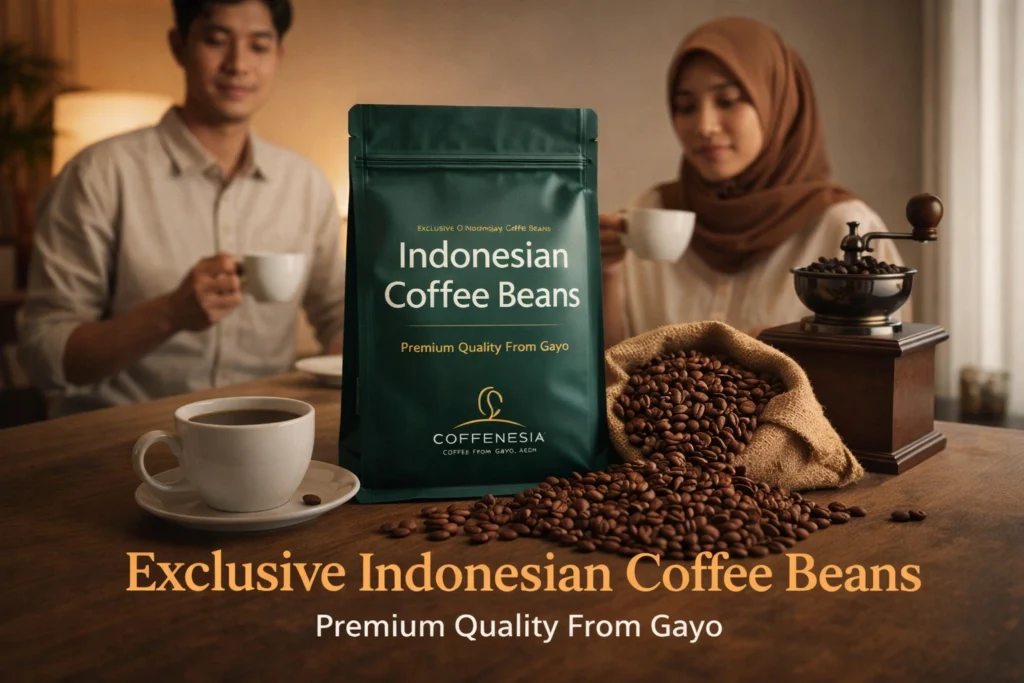
Indonesian Coffee Beans are widely recognized as some of the most distinctive coffee varieties in the world, known for their complex flavor profile, balanced body, and natural richness. Indonesia sits within the tropical coffee belt, making its volcanic soil, mountain climate, and traditional cultivation methods perfect for producing exceptional coffee. Among these regions, Gayo in Aceh has gained international recognition for producing premium quality beans with a smooth body and unique aroma.
Coffee from Indonesia does not only represent a beverage culture but also a long agricultural tradition that connects farmers, local communities, and global markets. Over the years, producers have developed innovative products derived from coffee cherries, including cascara tea, which has become increasingly popular among modern consumers. As a result, global buyers now recognize Indonesia not only as a coffee producer but also as a source of unique coffee based commodities that deliver both flavor and sustainability.
Table of Contents
Indonesian Coffee Beans Origin and Global Reputation

Indonesia stands among the most important coffee producing countries in the world. Coffee cultivation began centuries ago when European traders introduced coffee plants to the archipelago. Since then, farmers across the islands have refined their cultivation techniques and developed distinctive regional profiles that define the country’s reputation in the global coffee industry.
One region that consistently attracts international attention is the Gayo Highlands in Aceh. This mountainous area provides ideal growing conditions thanks to its altitude, cool climate, and fertile volcanic soil. Farmers harvest coffee cherries carefully and process them using traditional techniques that preserve the natural flavor complexity of the beans. Many specialty roasters appreciate beans from this region because they deliver consistent quality and a balanced flavor profile.
Global coffee professionals often highlight coffee from Indonesia when discussing specialty origins. The unique character of Indonesian Coffee Beans reflects both environmental factors and traditional farming knowledge passed down through generations. As a result, these beans often display bold aromas, smooth body, and mild acidity that distinguish them from coffee grown in other parts of the world.
International demand continues to grow as coffee drinkers seek authentic and traceable origins. Specialty coffee markets value transparency and sustainability, and many Indonesian producers now implement environmentally responsible farming practices. These efforts not only protect the ecosystem but also strengthen the global reputation of Indonesian coffee as a premium product.
Today, roasters, cafés, and beverage companies across the world recognize Indonesia as a reliable source of high quality coffee. The country’s diverse landscapes and cultural heritage contribute to the distinctive identity that keeps Indonesian coffee competitive in international markets.
Indonesian Coffee Beans Flavor Profile and Medium Roast Characteristics
Flavor represents one of the most compelling reasons coffee lovers explore beans from different regions. Coffee grown in Indonesia offers a distinctive taste that many enthusiasts describe as rich, deep, and satisfying. Roasters frequently choose a medium roast profile because it highlights the natural characteristics of the beans while maintaining balance between sweetness, acidity, and body.
When roasters apply a medium roast to beans from the Gayo region, they bring forward complex notes that include cocoa, roasted nuts, mild spice, and subtle caramel sweetness. The roasting process reduces excessive acidity and allows the deeper flavors to become more noticeable. This balanced character explains why medium roast coffee often appeals to both casual drinkers and specialty coffee enthusiasts.
A well prepared cup brewed from Indonesian Coffee Beans typically delivers a smooth texture and full body. Coffee drinkers often notice the comforting aroma of chocolate and warm spices rising from the cup. This aromatic profile enhances the overall sensory experience and encourages many cafés to feature Indonesian beans in their specialty menus.
Another advantage of the medium roast profile involves caffeine balance. A typical serving brewed from medium roasted beans contains around 80 mg of caffeine, which provides a moderate energy boost without overwhelming the drinker. This level makes the coffee suitable for daily consumption while still offering the stimulating qualities that many people expect from coffee.
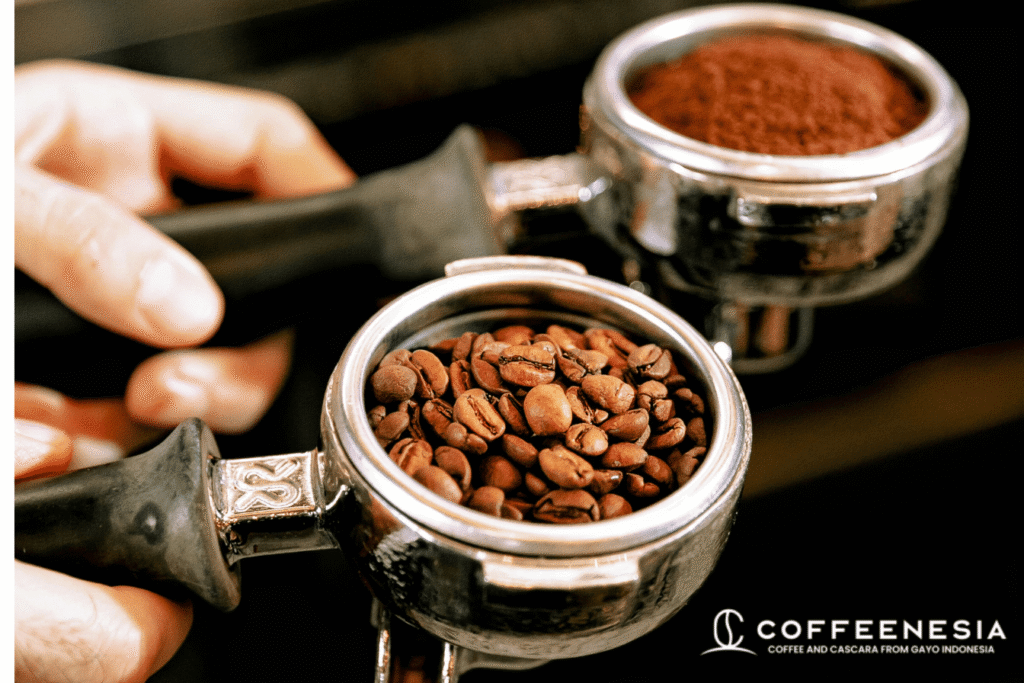
Roasters also appreciate the flexibility these beans provide. They work well in single origin brewing methods such as pour over and French press, but they also perform beautifully in espresso blends. Their natural body helps create a creamy texture in espresso while still allowing subtle flavor notes to emerge.
Because of these characteristics, coffee professionals frequently recommend medium roasted beans from Indonesia for both specialty cafés and premium retail coffee products.
Indonesian Coffee Beans Nutritional Content and Natural Benefits
Coffee offers more than a pleasant flavor and energizing aroma. Researchers have studied coffee for many years and discovered that it contains several natural compounds that may support general wellness when consumed responsibly. Many of these compounds originate from the coffee plant itself and remain present after roasting and brewing.
One of the most widely recognized elements in coffee is caffeine. This natural stimulant helps improve alertness and concentration by stimulating the central nervous system. A typical cup brewed from medium roasted beans provides about 80 milligrams of caffeine, which experts often consider a moderate amount suitable for most adults.
In addition to caffeine, coffee naturally contains antioxidants known as polyphenols. These compounds help the body combat oxidative stress caused by free radicals. Scientists continue to investigate how antioxidants contribute to overall health, but many studies suggest that moderate coffee consumption can play a role in maintaining cellular balance.
The beans themselves also contain trace minerals such as potassium, magnesium, and small amounts of vitamin B3. Although these nutrients appear in modest quantities, they still contribute to the overall nutritional profile of the beverage. Coffee enthusiasts often appreciate that a daily cup offers both enjoyment and a small nutritional contribution.
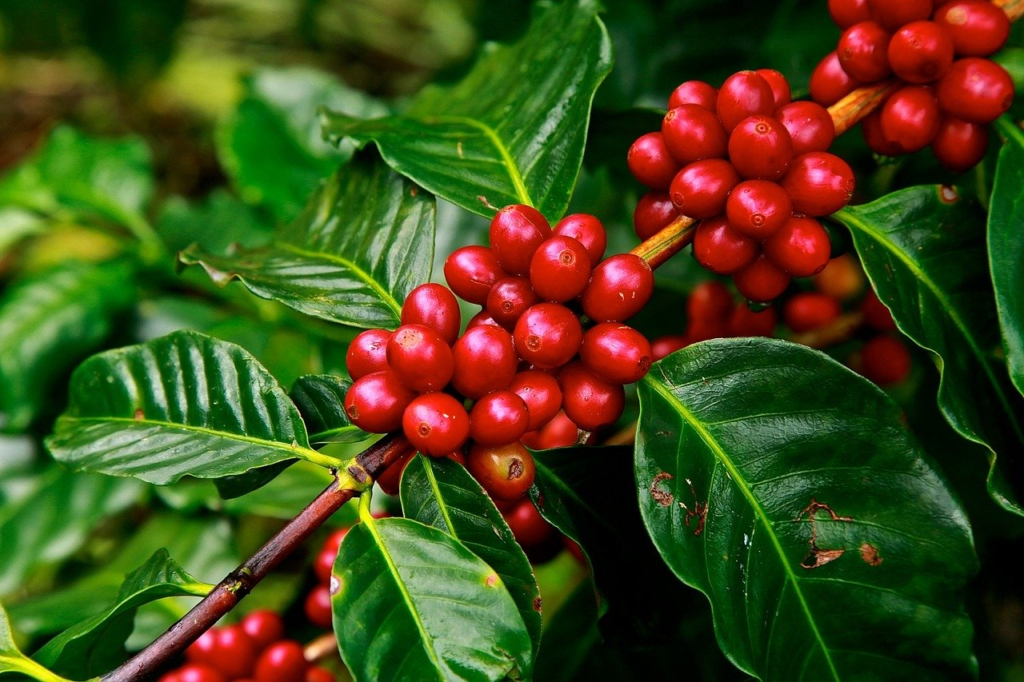
During the coffee production process, farmers harvest ripe cherries that surround the beans. These cherries contain fruit pulp rich in natural sugars and plant compounds. When producers process coffee cherries carefully, they can transform this fruit layer into cascara, a dried ingredient that has recently gained popularity in specialty beverage markets.
Many producers in Aceh now explore this opportunity to increase sustainability and reduce agricultural waste. By utilizing the entire coffee fruit, they create additional products that benefit both farmers and consumers while expanding the potential of coffee based commodities.
Indonesian Coffee Beans and Cascara Sweet Tea From Gayo
Coffee cherries play an important role in expanding the value of coffee production beyond roasted beans. After farmers remove the beans during processing, the outer skin and pulp of the fruit still contain valuable nutrients and natural sweetness. Producers have begun drying these fruit layers to create cascara, an ingredient that many beverage innovators now use to craft unique drinks.
In the Gayo Highlands, producers have refined this process to produce a beverage commonly known as Cascara Sweet Tea. Farmers harvest ripe cherries, carefully separate the beans, and dry the fruit skins under controlled conditions. This careful drying process preserves the natural flavor compounds and aromatic elements contained within the fruit.
When brewed as a tea, cascara produces a light and refreshing drink with a naturally sweet flavor profile. Many people compare its taste to a blend of herbal tea, hibiscus, and dried fruit. The beverage offers a delicate aroma and gentle sweetness that does not require additional sugar, making it appealing to consumers seeking natural alternatives to traditional sweet drinks.
Although cascara originates from coffee cherries, it contains significantly less caffeine than brewed coffee. This makes the drink suitable for people who want a mild energy boost without the intensity of a full cup of coffee. At the same time, the fruit still carries antioxidants and plant compounds that contribute to its nutritional appeal.
The development of cascara products demonstrates how the coffee industry continues to evolve. Instead of discarding the fruit pulp, producers now transform it into a marketable beverage ingredient that supports sustainability and economic value. This approach benefits farming communities while offering global consumers an entirely new way to experience the coffee plant.
Today, specialty beverage brands and cafés increasingly explore cascara tea as a creative ingredient in both hot and cold drinks.
Indonesian Coffee Beans Sustainable Farming and Regional Identity
Sustainability has become an essential focus in modern agriculture, and coffee production in Indonesia reflects this growing awareness. Many farming communities recognize that maintaining healthy ecosystems ensures long term productivity and preserves the land for future generations. As a result, farmers continue to adopt practices that protect soil quality, biodiversity, and water resources.
In the mountainous landscapes of Aceh, coffee farmers cultivate their crops under natural shade trees. This agroforestry approach allows coffee plants to grow in a balanced environment while also supporting local wildlife and maintaining soil stability. Shade grown systems often produce higher quality beans because slower cherry maturation encourages more complex flavor development.
Community based farming also plays a crucial role in maintaining regional identity. Farmers in the Gayo Highlands work together through cooperatives that support fair pricing, knowledge sharing, and sustainable cultivation methods. These organizations help ensure that local communities benefit directly from coffee production.
Coffee buyers increasingly appreciate these responsible practices because they align with the values of modern consumers. Many people today prefer products that demonstrate ethical sourcing and environmental responsibility. Sustainable farming therefore strengthens the appeal of coffee from Indonesia in international markets.
Regional identity also contributes significantly to the uniqueness of Indonesian coffee. Climate, soil composition, and traditional cultivation methods combine to create flavors that cannot easily be replicated elsewhere. This connection between place and flavor gives Indonesian coffee a distinct character that specialty coffee drinkers seek out.
By preserving traditional knowledge while adopting sustainable methods, Indonesian farmers continue to protect the heritage and quality of their coffee for future generations.
Indonesian Coffee Beans Culinary Uses and Beverage Innovation
Coffee has long served as a beloved beverage around the world, yet its culinary potential extends far beyond a simple cup. Creative chefs, baristas, and food innovators continue to explore new ways to incorporate coffee flavors into diverse culinary experiences. These experiments demonstrate how versatile coffee ingredients can be in both sweet and savory dishes.
Many cafés prepare beverages using pour over, French press, espresso, or cold brew techniques. Each brewing method highlights different characteristics of the beans, allowing drinkers to appreciate the depth of flavor and aroma. Skilled baristas often select beans from Indonesia because their natural body and smooth texture perform well in a wide range of brewing styles.
Chefs also use coffee grounds in dessert recipes such as cakes, chocolate truffles, ice cream, and pastries. The roasted flavor of coffee pairs naturally with chocolate, caramel, and vanilla. These combinations create rich desserts that appeal to both coffee lovers and general dessert enthusiasts.
In savory cooking, some chefs experiment with coffee as a seasoning component. Ground coffee can appear in spice rubs for grilled meats or smoked dishes where it contributes subtle bitterness and complexity. When used carefully, the flavor enhances caramelization and deepens the overall taste profile of the dish.
Cascara products also expand beverage creativity. Bartenders and mixologists sometimes brew cascara tea and combine it with citrus, honey, or herbs to create refreshing mocktails and specialty drinks. The fruity sweetness of cascara works especially well in iced beverages during warm weather.
As culinary innovation continues to grow, coffee ingredients offer endless possibilities for creative expression in both kitchens and cafés around the world.
Indonesian Coffee Beans Global Market Opportunity
Global demand for specialty coffee continues to rise as consumers become more curious about origin, quality, and authenticity. Coffee drinkers increasingly look beyond mass produced blends and search for beans that reflect unique regional identities. This trend has created significant opportunities for producers and exporters from coffee growing countries.
Indonesia holds a strong position in this evolving market. The country ranks among the world’s leading coffee producers and offers a wide range of distinctive regional profiles. From Sumatra and Aceh to Java and Sulawesi, each region contributes its own character to the international coffee landscape.
Many specialty roasters actively seek Indonesian Coffee Beans because they provide a balanced combination of body, aroma, and complexity. These qualities make the beans suitable for both single origin offerings and premium blends. Their versatility allows coffee companies to craft beverages that appeal to diverse consumer preferences.
The increasing interest in cascara beverages further strengthens the potential of coffee related commodities from Indonesia. By transforming coffee cherries into cascara tea, producers expand their product range and create additional value from each harvest. This innovation also supports sustainability because it reduces agricultural waste.
For international buyers, working with Indonesian coffee suppliers offers access to products with strong cultural heritage and consistent quality. The combination of traditional farming knowledge, favorable climate conditions, and evolving processing techniques ensures that Indonesian coffee remains competitive in global markets.
As specialty coffee culture continues to grow worldwide, Indonesia stands ready to supply both premium coffee beans and innovative coffee derived products that capture the attention of modern consumers.
continue it
Indonesian Coffee Beans Cultural Heritage and Traditional Farming Knowledge
Coffee cultivation in Indonesia carries a cultural heritage that extends far beyond agriculture. In many regions, coffee farming represents a tradition passed through generations, where families maintain the same land, cultivation methods, and harvesting techniques for decades. These traditions shape the identity of local communities and contribute to the distinctive qualities that make Indonesian coffee respected around the world.
Farmers in the highlands often begin their day before sunrise, walking through terraced plantations surrounded by misty mountain landscapes. They carefully observe the maturity of each coffee cherry, selecting only fully ripened fruit to ensure quality. This selective harvesting process requires patience and experience, yet it significantly improves the consistency and flavor profile of the beans.
The heritage of coffee cultivation becomes particularly evident in the Gayo Highlands of Aceh. Farmers rely on traditional knowledge that combines natural observation with practical experience. They understand how rainfall patterns, soil conditions, and shade trees influence the development of coffee cherries throughout the growing season. By maintaining this delicate balance, they protect both the ecosystem and the long term productivity of their farms.
Community cooperation also plays a crucial role in maintaining coffee quality. Farmers frequently work within cooperatives that coordinate processing methods, quality standards, and export preparation. These organizations help maintain traceability, ensuring that buyers can identify the origin of each coffee lot and trust its authenticity.
Over time, this strong cultural foundation has helped Indonesian coffee remain competitive in global markets. The combination of tradition, experience, and environmental awareness continues to shape the identity of the industry. When buyers explore coffee from Indonesia, they encounter not only a beverage but also a heritage that reflects generations of dedication and craftsmanship.
Indonesian Coffee Beans Processing Methods and Quality Control
Processing plays a critical role in determining the final character of coffee. After farmers harvest ripe cherries, they must quickly begin the processing stage to preserve freshness and prevent fermentation defects. Different regions use various techniques depending on climate, tradition, and available resources.
One common method used in parts of Indonesia is the wet hulling technique, locally known as “giling basah.” This process involves removing the outer fruit layer, partially drying the beans, and then removing the parchment layer while the beans still retain some moisture. The method produces a distinctive flavor profile often associated with coffee from Sumatra and surrounding regions.
In other areas, farmers apply fully washed or natural processing techniques. Washed processing emphasizes clarity and brightness in the cup, while natural processing highlights fruit forward characteristics and sweetness. By experimenting with these approaches, producers create diverse flavor expressions that attract specialty coffee buyers worldwide.
Quality control remains essential throughout each stage of processing. Farmers and processors carefully monitor drying temperatures, humidity levels, and storage conditions. Improper drying can lead to mold development or inconsistent roasting performance, which is why experienced producers pay close attention to environmental conditions during the entire process.
Sorting and grading also contribute to the reputation of Indonesian coffee. Workers remove defective beans manually or with specialized equipment to ensure that only high quality beans reach export markets. This careful selection process improves the overall consistency that roasters expect when sourcing beans for specialty coffee programs.
Through continuous refinement of these processing techniques, Indonesian producers strengthen the value of their coffee in international trade. Buyers appreciate not only the distinctive flavor but also the reliability that results from consistent processing standards.
Indonesian Coffee Beans Future Potential in the Global Coffee Industry
The future of coffee production continues to evolve as consumer preferences shift toward authenticity, sustainability, and transparency. These changes create new opportunities for coffee producing regions that can deliver both quality and responsible farming practices. Indonesia stands in a strong position to benefit from these developments.
Growing interest in specialty coffee encourages roasters to explore unique origins rather than relying solely on traditional blends. Consumers increasingly enjoy discovering the story behind each cup, including where the coffee was grown and how farmers cultivated it. Indonesian producers can share rich narratives rooted in culture, landscape, and traditional farming knowledge.
Technological advancements also support the industry’s development. Improved drying facilities, digital traceability systems, and better logistics help farmers connect directly with international buyers. These tools allow producers to maintain quality standards while expanding access to global markets.
Innovation within coffee based products further strengthens Indonesia’s potential. Cascara beverages, specialty roasting profiles, and new brewing techniques continue to attract interest among modern consumers. As cafés and beverage companies experiment with these ingredients, they introduce entirely new audiences to Indonesian coffee commodities.
Sustainability initiatives will likely shape the industry’s future as well. Many coffee companies now prioritize partnerships with farmers who demonstrate responsible land management and fair labor practices. Indonesian producers who continue adopting environmentally friendly methods can build long term relationships with international buyers seeking ethical sourcing.
These combined trends indicate that the global demand for distinctive coffee origins will remain strong. With its rich agricultural heritage, favorable climate, and expanding innovation, Indonesia will continue to play an important role in shaping the future of the specialty coffee market.
For businesses, cafés, and distributors seeking reliable supply and authentic origin products, exploring coffee commodities from Indonesia offers significant potential. Coffeenesia provides access to carefully sourced coffee products from the Gayo region, including cascara based beverages and premium coffee beans prepared for international markets.
Direct consultation and pricing, feel free to contact us via this WhatsApp and discuss your Indonesian Coffee Beans requirements with our team.
More About Coffee Beans and Coffeenesia
Coffeenesia continues to establish itself as a trusted supplier of premium Indonesian Coffee Beans. By combining organic cultivation, disciplined processing, and transparent trade practices, the company delivers value beyond the cup.
Indonesian Coffee Beans 01 Wholesale Supplier By Coffeenesia!

Coffeenesia has established itself as one of Indonesia’s most reliable and reputable suppliers of premium coffee commodities, catering to global importers, roasters, and café chains who demand consistent quality and ethical sourcing. As a specialized exporter of Indonesian Coffee Beans, particularly the world-renowned Aceh Gayo Arabica, Coffeenesia brings authenticity, traceability, and international-grade standards to businesses seeking long-term, dependable suppliers.
Through our official platform Coffeenesia.id, international buyers can explore a complete portfolio of Indonesian coffee products sourced directly from smallholder farmers in the Gayo Highlands. Our signature offering, Gayo Arabica Specialty Grade, is available in Washed, Honey, and Natural process, each carefully prepared to highlight the region’s distinct altitude, volcanic soil fertility, and traditional farming culture. Whether your business requires green beans for roasting, premium roasted beans for café service, or private-label solutions for your brand, Coffeenesia ensures every shipment meets stringent specialty coffee benchmarks.
Beyond specialty Arabica beans, Coffeenesia is also the trusted supplier of Gayo Cascara, a premium dried coffee cherry tea increasingly popular in international wellness and specialty beverage markets. Known for its fruity aroma, gentle sweetness, and antioxidant benefits, cascara from Gayo is processed using clean, sun-dried methods that maintain purity and flavor integrity. This makes it ideal for cafés, tea houses, beverage formulators, and health-focused brands seeking a unique product with rising global demand.
As an export-focused supplier, Coffeenesia provides comprehensive wholesale support—ranging from quality inspection, moisture and defect grading, and roast profiling guidance, to international logistics and export documentation. We prioritize fair compensation for farmers, sustainable cultivation methods, and transparent supply chains, ensuring our buyers receive products that are ethical, environmentally responsible, and globally competitive.
For businesses seeking the finest Indonesian Coffee Beans with dependable wholesale supply, Coffeenesia stands ready as your trusted partner, delivering exceptional quality from the highlands of Gayo straight to your roasting facility or café.
FAQ Indonesian Coffee Beans
- What roast level works best for Indonesian Coffee Beans?
Roasters often prefer medium to medium dark roast levels for Indonesian Coffee Beans because these profiles highlight the beans’ natural body and earthy depth. Medium roasting preserves subtle herbal sweetness and mild acidity, while medium dark roasting enhances chocolate notes and smoky richness that many specialty coffee drinkers enjoy. - How should Indonesian Coffee Beans be stored to keep freshness?
To maintain aroma and flavor, store Indonesian Coffee Beans in an airtight container away from heat, moisture, and direct sunlight. Whole beans retain freshness longer than ground coffee, so grinding right before brewing helps preserve oils and aromatic compounds that define the coffee’s complex flavor. - Are Indonesian Coffee Beans suitable for cold brew coffee?
Yes, Indonesian Coffee Beans work very well for cold brew preparation. Their naturally bold body and chocolate like undertones create a smooth and low acidity cold brew profile. Many cafés use Indonesian beans for cold brew because they produce a rich and slightly sweet taste. - What makes Indonesian Coffee Beans different from Latin American coffee?
Latin American coffees usually present brighter acidity and lighter body, while Indonesian Coffee Beans typically deliver fuller body, earthy tones, and deeper flavor layers. This contrast makes Indonesian beans excellent for balancing blends that require stronger structure and depth. - Can Indonesian Coffee Beans be used for espresso machines?
Indonesian Coffee Beans perform very well in espresso extraction. Their dense structure and oil content create thick crema and bold flavor concentration. Espresso made from these beans often carries chocolate, spice, and earthy notes that stand out even when combined with milk. - Do Indonesian Coffee Beans support specialty coffee certification?
Many Indonesian coffee farms participate in certification programs such as organic, fair trade, or specialty coffee grading systems. These programs encourage traceability, sustainable farming practices, and higher quality standards that help Indonesian Coffee Beans compete strongly in global specialty coffee markets.